
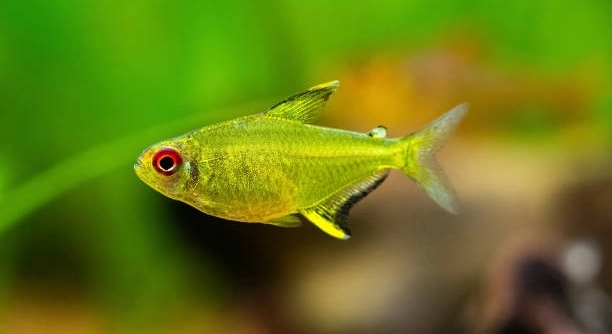
Lemon tetras are small, vibrant fish that bring life to any aquarium. Their colors shine brightest under the right conditions, and subtle changes in their environment can make a noticeable difference in their behavior and well-being.
Adjusting lighting gradually throughout the day, incorporating both bright and dim phases, and using color-balanced bulbs can significantly enhance lemon tetra health. Consistent light cycles and moderate intensity reduce stress, promote natural behavior, and support overall vitality in these fish.
Understanding these lighting preferences will help maintain a harmonious tank and ensure your lemon tetras remain active and healthy over time.
Gradual Lighting Transitions
Lemon tetras are sensitive to sudden changes in light. Turning on a bright light abruptly can startle them, leading to stress and erratic swimming. A gradual transition from darkness to light helps them adjust naturally. This can be achieved by using dimmable lights or placing the tank in a spot where natural light increases slowly during the morning. Maintaining a consistent morning and evening routine allows the fish to anticipate changes, which reduces anxiety and promotes natural behavior. It is also helpful to avoid placing the tank under direct sunlight, as this can cause rapid fluctuations in brightness. Observing their reactions to changes in light intensity over a few days can provide insights into their preferences. Adjusting the lighting schedule based on their activity patterns ensures that they remain comfortable and maintain healthy swimming habits throughout the day. This approach balances visibility and stress reduction effectively.
Gradual light changes reduce stress and create a predictable environment for lemon tetras. They become calmer and more active under these conditions.
Over time, you may notice the fish spending more time in the middle and top levels of the tank. Their colors appear brighter, and their interactions with other tank mates become more natural. Incorporating a slow fade-in and fade-out schedule mirrors natural daylight, helping them maintain their internal rhythms. This simple adjustment has a positive impact on both physical health and behavior.
Use of Color-Balanced Lighting
Color-balanced bulbs replicate natural sunlight and enhance the tetras’ yellow hues. This type of lighting ensures that their colors remain vivid and prevents unnatural tones caused by overly cool or warm lights.
Choosing a bulb that mimics daylight helps fish perceive their environment clearly. It also supports plant growth if the tank contains live vegetation, contributing to a balanced ecosystem.
By combining gradual transitions with color-balanced bulbs, the tank provides an environment that encourages natural swimming patterns and feeding behavior. Light placement should avoid sharp shadows that can cause hiding or stress. Observing the fish under different bulbs can guide the best choice for brightness and color temperature. Over time, the tetras adapt to these lighting conditions, becoming more confident and visually vibrant. The combination of correct intensity, gradual transitions, and balanced colors supports long-term well-being and highlights the tank’s aesthetic appeal. It also reduces aggressive behavior among tank mates, as a calm, well-lit environment fosters stability. Regular monitoring of fish activity ensures the lighting remains optimal for their needs and prevents sudden stress responses.
Consistent Light Cycles
Maintaining a steady day-night schedule helps lemon tetras stay active and healthy. Inconsistent lighting can disrupt their internal rhythm, causing stress and reduced activity. A timer ensures lights turn on and off at the same time daily, simulating natural conditions.
Lemon tetras respond best to a predictable light cycle. About 10 to 12 hours of light followed by darkness supports normal behavior and reduces stress. Irregular cycles can lead to lethargy, hiding, or even weakened immune systems. Using an automated timer is practical and ensures the tank maintains consistency without manual intervention. This approach also helps plants and other aquatic life stay in sync with the tetras’ environment. Gradually adjusting light cycles after any changes prevents shock to the fish.
Over time, consistent lighting fosters natural feeding and swimming patterns. Fish become more visible, active, and interactive, with vibrant colors that stand out under regular light. A routine cycle helps mimic seasonal changes when slightly adjusting duration over months. By carefully observing their behavior, adjustments can be made without causing stress. This method also benefits tank maintenance, making water changes and feeding schedules easier to manage. Keeping a reliable light cycle is one of the simplest ways to promote overall health and comfort for lemon tetras.
Moderate Light Intensity
Too bright lighting can stress lemon tetras, while too dim light may reduce activity. Moderate intensity ensures comfort and natural behavior. Adjusting brightness gradually helps fish adapt and reduces erratic swimming or hiding.
Providing medium-level light promotes consistent activity and maintains color vibrancy. Intense light can trigger hiding or aggression, whereas low light may cause lethargy. Proper placement of bulbs, avoiding direct glare, and testing intensity for several hours ensures comfort. Observing fish behavior helps determine optimal brightness. Moderate lighting also supports plants and other tank inhabitants, creating a balanced environment that mimics natural habitats without overwhelming the tetras.
Over-illumination can cause constant stress, leading to weaker immune response and disrupted behavior. Conversely, too little light limits visibility and reduces normal swimming patterns. Using adjustable lighting allows experimentation to find a level where tetras remain active but calm. Placing lights at a distance that prevents glare and shadows ensures even coverage. Combining moderate intensity with gradual transitions and color balance enhances overall well-being. Consistent observation and slight adjustments maintain the right intensity over time. This careful management supports vibrant colors, natural activity, and a healthier, more stable aquarium ecosystem.
Avoid Sudden Darkness
Abruptly turning off the lights can startle lemon tetras. A sudden shift from bright light to darkness increases stress and may trigger hiding or frantic swimming. Gradually dimming the lights helps them adjust smoothly.
Using a timer with a fade-out feature is effective. Even manually, lowering brightness slowly prevents panic and promotes calm behavior. Observing their response during these transitions ensures they remain comfortable and reduces the risk of stress-related health issues. A gentle approach to darkness maintains stability in the tank and supports natural rest patterns.
Simulate Natural Light Patterns
Mimicking sunrise and sunset creates a natural rhythm. Lemon tetras thrive when the light gradually increases in the morning and decreases in the evening. This approach aligns with their internal clock and reduces stress. Consistent daily patterns promote active swimming, feeding, and natural interactions among tank mates. Gradual changes help fish anticipate transitions, enhancing comfort and overall well-being. Even minor adjustments, such as extending morning brightness or softening evening dimming, contribute to a more natural environment. Observing the fish over several days ensures the timing matches their behavior, making light adjustments effective without causing disruption.
Avoid Flickering Lights
Flickering can be distracting and stressful for lemon tetras. Stable, continuous lighting supports calm and natural behavior, preventing unnecessary anxiety or hiding.
FAQ
How long should the lights be on for lemon tetras?
Lemon tetras benefit from about 10 to 12 hours of light each day. Maintaining a consistent schedule helps regulate their internal clock and reduces stress. Using an automated timer ensures the light turns on and off at the same time daily, providing stability without manual adjustments. A consistent light cycle supports normal feeding and swimming patterns.
Can lemon tetras tolerate bright lighting?
Excessively bright lighting can cause stress and erratic swimming. Lemon tetras prefer moderate intensity that allows them to explore the tank comfortably. Bright light may force them to hide, while dim light can reduce activity and color vibrancy. Adjusting the intensity gradually ensures they adapt without stress. Observing their behavior helps find the optimal level.
Is natural sunlight safe for their tank?
Direct sunlight can create uneven lighting, cause rapid temperature changes, and promote algae growth. Indirect natural light or controlled artificial lighting is safer. Placing the tank away from windows prevents sudden brightness spikes that can startle the fish. Gradual exposure, combined with controlled artificial lighting, mimics natural conditions effectively.
Do lemon tetras need color-specific bulbs?
Color-balanced bulbs help maintain the fish’s yellow coloration and create a natural appearance in the tank. Bulbs mimicking daylight support both the fish and any live plants, creating a balanced environment. Avoid bulbs that are overly warm or cool, as they may distort colors or cause stress. Observing the tetras under different bulbs can help determine which color balance works best.
How should lighting changes be introduced?
Sudden changes can startle lemon tetras, so it’s important to introduce lighting adjustments gradually. Dimming or brightening the tank over 15 to 30 minutes allows the fish to adapt naturally. Gradual transitions prevent panic, hiding, and stress, ensuring the tetras maintain normal activity and feeding patterns.
Can flickering lights affect lemon tetras?
Yes, flickering lights can create discomfort and stress, leading to erratic behavior or hiding. Stable, continuous lighting supports calm and natural swimming. Replacing old bulbs or using high-quality fixtures reduces flickering. Observing fish behavior under new lighting ensures the tank remains comfortable.
Should the light be turned off at night?
Yes, lemon tetras need darkness to rest. Keeping the lights on all night disrupts their natural rhythm and may cause stress. A regular night cycle encourages natural sleep, improves overall health, and maintains normal behavior patterns. Gradual dimming before night promotes a calm transition.
Do tank decorations affect lighting needs?
Yes, dense plants, rocks, or ornaments can create shaded areas. Lemon tetras appreciate zones with varying light levels, allowing them to hide or explore freely. Adjusting light placement ensures even coverage while maintaining natural hiding spots. Observing their movement patterns helps optimize the environment for comfort and activity.
Can light schedules affect breeding?
Yes, maintaining a consistent light schedule encourages natural behavior, including breeding. Sudden changes or inconsistent lighting may reduce interest in spawning. Gradual transitions and appropriate intensity create conditions closer to their natural habitat, promoting reproductive activity without causing stress.
Is it necessary to adjust lighting for seasonal changes?
Slight adjustments can mimic natural seasonal variations, which can help maintain health and encourage natural behavior. Extending or shortening light duration gradually over weeks aligns with changes in daylight, supporting the fish’s internal rhythm. Sudden shifts should be avoided to prevent stress.
How do I know if my lighting setup is right?
Healthy, active lemon tetras with bright colors indicate suitable lighting. Lethargy, hiding, or faded colors may signal adjustments are needed. Observing behavior under current light intensity, color balance, and duration helps fine-tune the setup. Gradual testing ensures minimal stress while achieving optimal conditions.
Can lighting improve tank aesthetics?
Yes, proper lighting highlights the tetras’ colors and creates an appealing visual environment. Color-balanced, moderate-intensity lighting enhances both fish and plants, providing a natural and vibrant tank appearance. Balancing visibility, comfort, and aesthetics ensures a healthy, attractive aquarium.
Should I combine artificial and natural light?
Combining both is possible if managed carefully. Artificial lighting ensures consistency, while indirect natural light can enhance brightness. Avoid direct sunlight, monitor temperature, and maintain gradual transitions to prevent stress. Controlled combination supports a realistic and comfortable habitat for lemon tetras.
How often should lighting equipment be checked?
Regular checks prevent flickering, inconsistent intensity, or malfunction. Inspect bulbs and timers monthly to ensure proper operation. Prompt replacement of faulty components keeps light conditions stable, supporting the fish’s health, behavior, and overall tank balance.
Does lighting affect other tank inhabitants?
Yes, live plants, invertebrates, and other fish are impacted by lighting. Proper intensity, duration, and color balance ensure harmony in the tank. Maintaining moderate lighting and gradual transitions benefits all species, promoting stability and reducing stress. Observing interactions helps fine-tune light conditions for the entire ecosystem.
Are there signs of stress caused by lighting?
Erratic swimming, hiding, faded colors, or reduced feeding indicate stress from lighting. Adjusting intensity, duration, or color balance, and ensuring gradual transitions, typically resolves these issues. Monitoring behavior over time confirms whether changes are effective and the environment is comfortable.
Final Thoughts
Lemon tetras are small, active fish that thrive under carefully managed lighting. Their behavior, health, and colors are directly influenced by the light they receive. Sudden changes, overly bright intensity, or inconsistent schedules can cause stress, hiding, and reduced activity. Observing how they respond to the environment helps in making adjustments that support their well-being. Gradual transitions between light and darkness, along with consistent daily schedules, create a predictable environment that these fish find calming. Over time, a well-lit tank promotes natural swimming, feeding, and social interactions, allowing the tetras to display their full vibrant colors. Lighting is not just about visibility; it plays a key role in maintaining a healthy and balanced ecosystem within the tank.
Moderate, color-balanced lighting is essential for maintaining both the appearance and health of lemon tetras. Bulbs that mimic natural daylight help the fish perceive their surroundings clearly while supporting live plants in the aquarium. Too bright or flickering lights can lead to stress, while insufficient lighting reduces activity and dulls coloration. Adjusting brightness gradually and ensuring even coverage throughout the tank allows the fish to move freely without discomfort. It also provides areas of shade where they can retreat if needed. Consistent observation of behavior is important, as it indicates whether the lighting setup is appropriate. By paying attention to their activity, swimming patterns, and coloration, small tweaks can be made to maintain comfort and stability in the tank. Proper lighting also reduces aggression and fosters a calmer environment, benefiting both the tetras and any other inhabitants.
Maintaining the right lighting is a long-term commitment, but it is one of the simplest ways to support healthy lemon tetras. Automated timers, gradual transitions, and periodic adjustments for seasonal changes help create an environment that mirrors natural conditions. Observing fish behavior regularly ensures that any issues are addressed before stress or health problems arise. Balanced lighting promotes better feeding, activity, and social interaction, while also enhancing the aesthetic appeal of the tank. By combining these practices, the aquarium becomes a stable, comfortable, and visually appealing home for lemon tetras. Investing in proper lighting supports not only their physical health but also their natural behavior and overall quality of life, ensuring they remain vibrant, active, and thriving.

Hello,
If you enjoy the content that we create, please consider saying a "Thank You!" by leaving a tip.
Every little bit helps us continue crafting quality advice that supports the health, happiness, and well-being of pets around the world, for pets of all shapes, sizes, and species.
We really appreciate the kindness and support that you show us!