
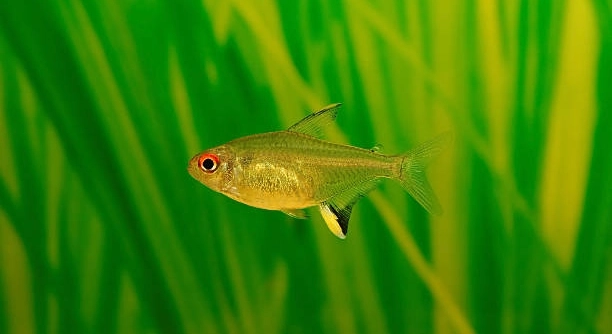
Lemon tetras are small, vibrant fish often admired for their bright color and lively movement. Many aquarists enjoy keeping them for their charm, yet their social behavior in the aquarium can influence their overall well-being.
Lemon tetras are naturally schooling fish that thrive in groups. Keeping them alone can lead to stress, reduced activity, and behavioral changes. Providing tankmates helps them exhibit normal social behaviors, maintain health, and reduce signs of loneliness.
Understanding their social needs is essential for a harmonious aquarium. Proper group sizes and compatible companions ensure lemon tetras remain active, healthy, and comfortable in their environment.
Why Lemon Tetras Prefer Company
Lemon tetras are naturally social, small fish that rely on interaction with others of their kind. In a tank, they form groups called schools, which provide a sense of security and comfort. Without companions, these fish can become shy, hide frequently, and appear stressed. Their bright yellow color may dull, and they might stop exploring their environment. Observing a single lemon tetra can feel underwhelming compared to the lively, coordinated movement of a group. They communicate subtly through body language, which is mostly expressed when other tetras are nearby. Providing a school of at least six allows them to display natural swimming patterns, chase each other playfully, and feed confidently without fear. Even with decorations or plants in the tank, a lone lemon tetra may avoid the open areas, reducing its overall activity. Maintaining an appropriate group supports their physical health, mental stimulation, and overall happiness in a home aquarium.
Schooling improves movement, confidence, and feeding habits among lemon tetras, promoting a healthier tank environment.
A group of lemon tetras creates a lively atmosphere in the aquarium. Their synchronized swimming is both fascinating and calming to watch. When kept alone, a lemon tetra may spend more time hiding or staying at the bottom, which can affect its appetite. Small changes, like adding new plants or rearranging decorations, do not replace the social interaction they need. Group behavior helps fish learn safe spaces, feeding routines, and reduces aggressive tendencies toward tankmates. Over time, observing multiple lemon tetras reveals a natural hierarchy, subtle nudges, and coordinated swimming that keeps them active. Without company, stress levels rise, sometimes leading to illness or shortened lifespan. Choosing appropriate tankmates that are peaceful and similarly sized supports healthy interaction. Maintaining consistent water conditions, adequate space, and hiding spots also complements their social needs. Seeing lemon tetras in a proper school highlights the importance of social structure and shows how their natural instincts thrive in the right environment.
Choosing Compatible Tankmates
Selecting peaceful, small fish ensures lemon tetras remain comfortable and safe. Aggressive or large species can intimidate them.
Ideal tankmates include other small tetras, rasboras, or gentle bottom dwellers. Avoid territorial species, as they can stress the tetras. The goal is a harmonious community where all fish coexist without frequent chasing or competition for food. Proper tank size allows multiple species to swim freely while maintaining personal space. Monitoring interactions initially helps prevent conflicts and ensures compatibility. Regular observation confirms that all fish are feeding well, swimming actively, and displaying natural behaviors. Compatibility reduces stress, encourages activity, and supports health. Overcrowding or mixing incompatible species may lead to injuries, hiding, or increased disease risk. Creating a balanced aquarium requires attention to each species’ temperament, size, and behavior patterns. Adjustments, like rearranging plants or adding more hiding spots, can improve interactions. Consistency in water temperature, pH, and feeding routines also promotes harmony. Providing a safe, friendly environment encourages lemon tetras to thrive alongside other suitable companions, maintaining their energy, color, and social behavior in the tank.
Tank Size and Environment
A larger tank allows lemon tetras to school comfortably. Crowded spaces increase stress and reduce natural swimming behaviors. Proper plants, hiding spots, and open swimming areas make a tank more engaging for these active fish, supporting both physical and mental health.
Tank size directly affects how lemon tetras interact with each other. A minimum of 20 gallons is recommended for a small school, but larger tanks are better for more movement and exploration. Plants and decorations provide hiding spaces that reduce stress and mimic natural conditions. Open swimming areas let fish display normal schooling patterns. Water quality must be consistent, with regular testing and partial changes to prevent harmful buildup. Proper filtration, gentle flow, and stable temperature maintain a healthy environment. This setup encourages natural behavior, reduces illness risk, and helps tetras feel secure, ultimately keeping their energy and color vibrant.
Environmental complexity impacts social behavior, stress, and overall health. Adding driftwood, rocks, or floating plants creates secure zones, helping lemon tetras interact confidently. Adjusting tank layout occasionally keeps their environment stimulating, encouraging activity. A well-designed space ensures they maintain natural swimming patterns, reduces aggression, and allows peaceful coexistence. By combining adequate space, hiding spots, and open areas, the tank becomes a dynamic habitat where lemon tetras thrive together. Consistency in water parameters and gentle filtration complements the setup, supporting long-term health and well-being. Observing a well-structured tank highlights how environment directly influences their behavior and social cohesion.
Feeding Habits and Social Interaction
Feeding in groups encourages natural schooling behavior. Lemon tetras are more confident when eating with companions and will explore different areas of the tank during mealtime.
Lemon tetras feed more actively and show less stress when in groups. When alone, they may hesitate to eat or only nibble at food briefly, leaving uneaten flakes that can pollute the tank. Offering small portions multiple times a day mimics natural conditions and keeps fish engaged. They enjoy a mix of high-quality flake food, micro-pellets, and occasional live or frozen foods like daphnia or brine shrimp. Feeding with tankmates also reduces aggressive competition, as fish learn to share space and distribute evenly across the tank. Observing group feeding provides insight into their social structure, hierarchy, and confidence levels. A proper feeding routine enhances growth, coloration, and overall vitality.
Social feeding reinforces bonds and schooling behavior while maintaining a healthy tank. Watching lemon tetras interact during mealtime provides clues about comfort, activity, and compatibility with other fish. Ensuring even food distribution prevents dominant fish from monopolizing meals. Regularly varying food types keeps them interested and supports nutritional needs. Feeding routines also allow observation of health and behavior, helping detect early signs of stress or illness. Proper feeding strategies contribute to both individual well-being and group cohesion. By maintaining consistent schedules and providing a balanced diet, lemon tetras remain active, colorful, and socially engaged within a shared environment, thriving in a structured yet stimulating tank.
Signs of Loneliness
Lemon tetras kept alone may hide frequently or remain near the bottom of the tank. Their color can appear dull, and they may stop exploring, showing reduced activity compared to schooling behavior.
A lack of social interaction can make lemon tetras stressed. They might swim erratically or appear skittish around tankmates or even their own reflection. Restlessness, loss of appetite, and unusual hiding spots are clear indicators that they are not comfortable alone. Observing these signs early allows adjustments, such as adding compatible companions, to restore their natural behavior and energy.
Best Group Sizes
A small school of at least six lemon tetras is recommended for comfort, social interaction, and natural swimming behavior.
Stress Reduction Strategies
Keeping lemon tetras in suitable groups with proper hiding spots reduces stress. Regular water changes and stable conditions support their overall health and natural behavior.
FAQ
Do lemon tetras get lonely if kept alone?
Yes, lemon tetras are schooling fish and prefer to be in groups. Keeping them alone can lead to stress, hiding, and reduced activity. They thrive when in groups of at least six, allowing them to display natural behaviors, swim confidently, and feed without fear.
Can lemon tetras live with other fish?
Lemon tetras are peaceful and do well with small, non-aggressive species. Suitable tankmates include other tetras, rasboras, and small bottom dwellers. Avoid larger or territorial fish, as they may intimidate or harm the tetras. Proper selection ensures a calm and harmonious aquarium environment.
What is the ideal tank size for lemon tetras?
A minimum tank size of 20 gallons is recommended for a small school of six tetras. Larger tanks provide more space for swimming, reduce stress, and allow for natural schooling behavior. Plants, hiding spots, and open swimming areas improve comfort and activity levels.
How many lemon tetras should I keep together?
Keeping at least six tetras is ideal. Smaller groups can lead to stress, hiding, and diminished color. Larger schools enhance social interaction, natural swimming patterns, and overall health. Observing their behavior helps determine if the group size is suitable.
Do lemon tetras need hiding spots in the tank?
Yes, hiding spots are important. Plants, driftwood, and rocks provide security, reduce stress, and give the fish places to rest. Even in a school, tetras benefit from areas to retreat when feeling threatened or when resting.
How should I feed lemon tetras?
Feed small portions multiple times a day. They enjoy flake foods, micro-pellets, and occasional live or frozen foods like brine shrimp or daphnia. Feeding in groups encourages natural behavior and reduces competition, ensuring all fish receive proper nutrition.
How can I tell if my lemon tetras are stressed?
Signs of stress include hiding, loss of color, erratic swimming, or reduced appetite. Frequent observation helps identify these behaviors early. Adjusting tank conditions, adding companions, or providing more hiding spots can reduce stress.
Do lemon tetras interact with each other?
Yes, they communicate through subtle body movements and schooling behavior. Interaction includes coordinated swimming, chasing lightly, and occupying different levels of the tank. Proper interaction helps maintain health, activity, and confidence.
Can lemon tetras adapt to new tankmates easily?
They can adapt if tankmates are peaceful, similarly sized, and non-territorial. Initial observation is important to prevent stress or aggression. Proper acclimation, enough space, and hiding spots make introductions smoother.
Is it okay to keep lemon tetras with only one type of companion?
Yes, as long as the companion species are compatible and peaceful. A mixed species tank works well if all fish coexist without aggression and each species has enough space and resources. Monitoring behavior ensures harmony.
Do lemon tetras need a specific water temperature?
Yes, they prefer temperatures between 72°F and 78°F. Stable temperature supports health, activity, and coloration. Sudden changes can cause stress, making them more susceptible to illness. Using a reliable heater and thermometer helps maintain consistency.
How often should I change water for lemon tetras?
Partial water changes of 20-30% weekly are recommended. This helps maintain water quality, remove waste, and prevent disease. Clean water supports natural behavior, healthy swimming, and vibrant coloration.
Can lemon tetras live with bottom-dwelling fish?
Yes, peaceful bottom dwellers like Corydoras or small loaches are suitable. They occupy different tank areas and do not compete aggressively for food, allowing lemon tetras to maintain normal social behavior.
What happens if lemon tetras are stressed long-term?
Long-term stress can lead to weakened immune systems, loss of color, decreased appetite, and shortened lifespan. Proper group size, hiding spots, consistent water quality, and compatible tankmates prevent prolonged stress.
How can I keep lemon tetras active and healthy?
Provide a school of at least six, a well-structured tank with hiding spots and open swimming areas, regular feeding, and stable water conditions. Observing their interactions ensures they remain social, confident, and vibrant.
Lemon tetras are small, lively fish that thrive best in groups. Their social nature makes companionship important for their well-being. Keeping a single lemon tetra alone can lead to stress, hiding, and reduced activity, which affects both health and behavior. A school of at least six allows them to swim naturally, explore their environment, and display coordinated behaviors that are both fascinating and essential for their mental stimulation. Providing a proper group ensures that each fish feels secure, confident, and comfortable in the tank. Even small additions to a tank, like plants or decorations, cannot replace the social interaction they gain from their companions. Observing a school of lemon tetras shows how group dynamics encourage natural movement, feeding patterns, and overall energy levels. A well-maintained environment with compatible companions is key to supporting these small fish and ensuring their long-term health and happiness.
Tank size and structure are equally important for lemon tetras to thrive. A minimum of 20 gallons is recommended for a small school, though larger tanks are always better for swimming space and activity. Plants, hiding spots, and open swimming areas provide security and allow the fish to exhibit natural behaviors. Environmental complexity reduces stress and encourages exploration, while consistent water conditions maintain health and vitality. Regular water changes, stable temperature, and proper filtration help prevent illness and ensure the tank remains comfortable. Tankmates must be chosen carefully, prioritizing peaceful species that do not compete aggressively for food or territory. A well-designed space combined with a suitable group of lemon tetras helps reduce stress, maintain their vibrant coloration, and keep them active and alert throughout the day.
Feeding and routine care also play a vital role in their overall well-being. Lemon tetras benefit from small, frequent meals that include a mix of flake foods, micro-pellets, and occasional live or frozen treats. Feeding in groups encourages natural schooling behavior and reduces competition, helping all fish receive adequate nutrition. Observing feeding routines provides insight into their social dynamics, confidence, and health, allowing adjustments if needed. Consistent care, proper tank size, environmental enrichment, and suitable companions together create a harmonious aquarium where lemon tetras can thrive. Ensuring these elements are in place allows them to grow, remain active, and display the bright, vibrant colors that make them a popular choice for aquariums. Their social nature, combined with proper care, highlights the importance of understanding their needs and creating a balanced, comfortable environment.

Hello,
If you enjoy the content that we create, please consider saying a "Thank You!" by leaving a tip.
Every little bit helps us continue crafting quality advice that supports the health, happiness, and well-being of pets around the world, for pets of all shapes, sizes, and species.
We really appreciate the kindness and support that you show us!