
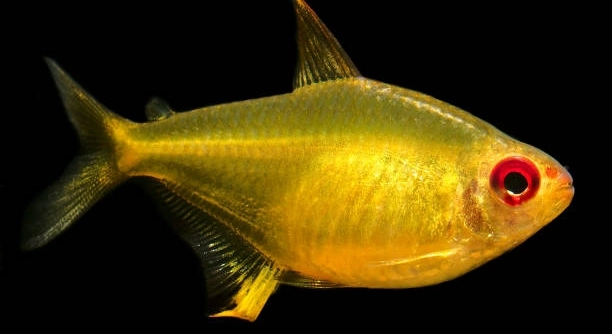
Do you ever find yourself admiring the bright, cheerful colors of lemon tetras swimming gracefully in a small tank? These tiny fish can bring charm and life to any home aquarium without demanding too much space.
Lemon tetras can survive without a filter, but maintaining stable water quality is challenging. Regular partial water changes, careful feeding, and monitoring are essential to prevent harmful toxin buildup and ensure the fish remain healthy over time.
Understanding the right balance between care and environment is key for keeping these fish happy and vibrant in your tank.
Understanding Lemon Tetra Needs
Lemon tetras are small, peaceful fish that thrive in stable, clean water. Even without a filter, they require regular care to remain healthy. I’ve noticed that keeping the tank water clear and balanced makes a huge difference in their behavior. They prefer slightly acidic to neutral water with gentle movement. Overfeeding can quickly pollute the water, so feeding only what they consume in a few minutes is essential. Temperature also matters—keeping it between 72 and 78 degrees Fahrenheit helps them stay active. Providing plants and hiding spots reduces stress, making them more comfortable. Observing their interactions can indicate health issues early. It’s easier to notice when a fish isn’t eating or is acting differently if the tank is smaller and quieter. For those who try keeping them without a filter, consistency in water changes and maintenance routines becomes even more critical to prevent disease and maintain their bright colors.
Without a filter, regular partial water changes are necessary to maintain a safe environment.
Many people assume small tanks are low maintenance, but lemon tetras prove otherwise. I learned that a clean tank keeps their colors vivid and swimming patterns natural. Without a filter, waste builds up faster, and toxic chemicals can reach harmful levels. Partial water changes every few days help dilute ammonia, nitrites, and nitrates. Testing water parameters frequently is essential to catch any imbalance early. It’s important to remove uneaten food promptly and avoid overcrowding the tank. Adding live plants can naturally reduce toxins and provide oxygen. Even small adjustments, like slightly reducing feeding or changing a portion of the water, can dramatically improve fish health. Observing them during these routines allows me to spot subtle signs of stress, like clamped fins or sluggish swimming. Over time, maintaining these habits creates a stable environment, and the lemon tetras thrive. Their bright yellow bodies and active schooling behavior are clear indicators that careful attention pays off, even without a filter.
Alternative Methods to Keep Water Clean
Gravel vacuuming can help reduce waste in a no-filter tank.
For those managing a tank without a filter, adding live plants, performing consistent water changes, and using a sponge or gentle aeration can improve water quality. Gravel vacuums remove excess food and debris, reducing toxins that stress fish. Plants like java moss or hornwort absorb nitrates naturally, keeping the water balanced and oxygenated. Aeration ensures oxygen levels remain stable, which is particularly important in a small tank. Choosing hardy plants and slow-moving water helps maintain calm conditions for lemon tetras. Even small tanks benefit from careful planning in decoration and plant placement to maximize filtration effects. Overfeeding is a major factor in water deterioration, so feeding small portions is crucial. Monitoring water parameters like ammonia, nitrite, and nitrate levels ensures problems are caught early.
Maintaining a no-filter tank demands attention but can be rewarding when done properly. Creating a stable environment without a filter requires consistency in water changes, attention to feeding, and careful observation of fish behavior. I usually change 20 to 30 percent of the water every few days to prevent chemical buildup. Plants and aeration help maintain oxygen levels and reduce toxins naturally. Choosing the right tank size is important—small tanks can quickly become unbalanced. Overcrowding stresses lemon tetras, so keeping a small school in proportion to the tank is essential. Even minimal decorations can create hiding spots, reducing stress and promoting natural schooling behavior. Tracking water quality with simple test kits provides peace of mind, and adjusting routines based on readings prevents issues before they escalate. While it requires more diligence than a filtered tank, the results are worth it. The fish remain vibrant, active, and healthy, demonstrating that careful maintenance can successfully replace mechanical filtration in a small, well-managed environment.
Feeding and Maintenance
Overfeeding quickly pollutes water, especially in tanks without a filter. Small, frequent meals keep lemon tetras healthy and prevent waste buildup.
I usually feed my lemon tetras tiny portions two to three times a day. They eat fast, so any leftover food should be removed promptly. Uneaten food decomposes, raising ammonia and nitrate levels, which can harm fish. Frozen or live foods work well alongside high-quality flakes to provide balanced nutrition. Observing their behavior during feeding helps identify stress or illness early.
Maintenance routines are key. Regular partial water changes, vacuuming the substrate, and checking water parameters prevent dangerous chemical buildup. Even with careful feeding, tanks accumulate waste over time. I track ammonia, nitrite, and nitrate levels weekly, adjusting water changes as needed. Removing dead plant matter and debris keeps water clear, while occasional gentle aeration helps oxygen levels. Consistency in these routines keeps lemon tetras vibrant and active, even without a filter.
Tank Size and Environment
Small tanks need careful attention to avoid rapid water changes in chemistry.
For lemon tetras, a minimum 10-gallon tank is best when no filter is used. Smaller tanks can quickly become toxic if water parameters fluctuate. Adding live plants, rocks, and hiding spots creates a more natural environment. Plants help absorb nitrates and provide shelter, reducing stress. Open swimming space is also necessary, as lemon tetras enjoy schooling behavior.
Lighting, temperature, and water movement all impact their health. I keep the temperature steady around 74–78°F to mimic their natural habitat. Gentle lighting prevents algae overgrowth, and slow water movement reduces stress. Positioning the tank away from direct sunlight helps maintain stable conditions. Even without mechanical filtration, attention to these environmental factors allows lemon tetras to thrive. Careful monitoring ensures a healthy balance, keeping them active and colorful, while plants and small decorations provide a sense of security and natural comfort.
Signs of Stress in Lemon Tetras
Lemon tetras show stress through clamped fins, sluggish swimming, or hiding excessively. Sudden changes in water or temperature can trigger these behaviors.
Loss of color or erratic swimming patterns also indicate poor water quality. Regular observation helps catch problems early and maintain a healthy tank environment.
Adjusting Water Parameters
Maintaining stable water conditions is crucial without a filter. I test ammonia, nitrite, and nitrate levels regularly and adjust with partial water changes. pH should stay between 6.5 and 7.0, and temperature should remain consistent. Sudden shifts can cause stress and illness. Regular attention prevents harmful chemical buildup and supports overall fish health.
Choosing Tank Companions
Avoid aggressive or large fish that may bully lemon tetras. Compatible species include small, peaceful fish like other tetras or rasboras. Keeping a small, harmonious school ensures natural schooling behavior and reduces stress. Proper selection of companions promotes a balanced, calm tank environment for lemon tetras.
FAQ
Can lemon tetras survive without a filter long-term?
Lemon tetras can survive without a filter, but long-term health depends on careful maintenance. Regular partial water changes and attention to feeding are critical. Without a filter, toxins like ammonia and nitrite build up faster. I noticed in my own tank that even small lapses in cleaning can stress the fish. Consistency in monitoring water parameters, keeping the tank clean, and maintaining stable temperature helps them thrive. A smaller tank without a filter requires extra diligence, but with proper care, lemon tetras can remain active and colorful.
How often should water be changed in a no-filter tank?
In my experience, changing 20–30 percent of the water every two to three days works well. Smaller tanks may need more frequent changes to prevent harmful chemical buildup. Removing uneaten food during water changes also reduces waste. Testing water for ammonia, nitrites, and nitrates ensures the environment stays safe. I usually adjust the schedule based on water readings and fish behavior. Consistency is key, as irregular changes can cause sudden stress. Even with careful feeding, organic waste accumulates, so regular partial water changes remain essential.
What is the best tank size for lemon tetras without a filter?
A 10-gallon tank is the minimum I recommend. Smaller tanks are harder to maintain because water chemistry changes quickly. More space allows for a small school of lemon tetras and some plants, which naturally help maintain water quality. Overcrowding can increase stress and make the tank harder to manage. Proper space ensures the fish swim naturally, interact properly, and stay healthy. Adding live plants also improves stability by absorbing nitrates. Choosing the right size from the start reduces long-term problems and makes maintenance easier.
Can I use live plants to replace a filter?
Live plants help but cannot completely replace a filter. They absorb nitrates, provide oxygen, and reduce stress, making water safer. I use hardy plants like java moss and hornwort, which grow well and need minimal care. Plants also give lemon tetras hiding spots, supporting natural behavior. While plants improve water quality, they don’t remove ammonia or nitrites quickly, so water changes are still necessary. Combining plants with careful maintenance creates a more stable environment, which is especially important in a tank without a filter.
What should I feed lemon tetras in a no-filter tank?
Small, frequent meals are best. I feed high-quality flakes or micro-pellets, sometimes supplementing with frozen or live foods. Overfeeding is the biggest issue in a no-filter tank because leftover food pollutes water quickly. Feeding only what they consume in two to three minutes prevents waste buildup. Observing their behavior during feeding helps spot stress or illness early. I also remove any uneaten food immediately to keep water clean. Proper feeding supports health and reduces water quality problems, making the tank easier to maintain.
How can I tell if water quality is bad without a filter?
Signs include fish hiding, clamped fins, sluggish movement, or faded colors. I also rely on test kits to check ammonia, nitrite, and nitrate levels. Sudden algae growth or cloudy water can indicate imbalance. Regular observation and water testing prevent problems from escalating. Maintaining consistent water changes, feeding habits, and plant care helps reduce these risks. Keeping track of fish behavior is just as important as chemical testing. Early detection allows me to take corrective measures quickly, avoiding health issues for lemon tetras.
Can I keep other fish with lemon tetras in a no-filter tank?
Yes, but only small, peaceful species. I avoid large or aggressive fish that might bully lemon tetras. Suitable companions include other small tetras, rasboras, or small peaceful catfish. Keeping compatible fish reduces stress and maintains a calm tank environment. Overcrowding or mixing aggressive species can disrupt schooling behavior and water balance. Choosing companions carefully ensures lemon tetras remain active, healthy, and display natural behaviors, even in a tank without a filter.
Is aeration necessary without a filter?
Aeration helps but isn’t always essential in a small, well-planted tank. I sometimes use a small sponge filter or air stone to improve oxygen levels. Plants provide natural oxygen during daylight hours, but aeration ensures stability, especially in warmer water. Adequate oxygen supports activity, reduces stress, and prevents potential health issues. In my experience, a combination of live plants, gentle aeration, and regular water changes maintains a safe environment without relying entirely on mechanical filtration.
How do I prevent algae in a no-filter tank?
Limiting direct sunlight, controlling feeding, and balancing lighting help reduce algae. I also rely on live plants, which compete for nutrients and prevent excessive algae growth. Cleaning decorations and glass regularly keeps the tank visually appealing. Excess nutrients from uneaten food or overfeeding are the main drivers of algae. By controlling these factors and maintaining consistent care routines, the tank remains clear and healthy for lemon tetras.
Can lemon tetras breed in a tank without a filter?
Breeding is possible but challenging. Water quality must be very stable, and a safe environment with plants or spawning mops is necessary. I noticed that stressed or crowded fish rarely spawn. Partial water changes and careful feeding create conditions conducive to breeding. Temperature and pH stability also matter. While a filter can help maintain perfect conditions, attentive care without one can still support successful spawning. Monitoring behavior and separating fry if needed helps ensure their survival.
Keeping lemon tetras without a filter is possible, but it requires more attention and care than a filtered tank. I’ve learned that consistent routines are essential to keep the water safe and the fish healthy. Regular partial water changes, careful feeding, and monitoring water parameters all play a key role. Without a filter, waste and leftover food can quickly raise ammonia and nitrite levels, which are harmful to fish. In my experience, even small lapses in maintenance can stress the tetras and affect their color and activity. Choosing the right tank size, providing plants, and observing the fish closely makes a noticeable difference. Small tanks without filters work best when everything is carefully balanced, and routines are predictable. Over time, it becomes easier to recognize subtle changes in water quality or fish behavior, which allows for quick action before serious problems develop.
I have found that feeding habits and tank environment are equally important. Lemon tetras are small and active, and they thrive on tiny, frequent meals rather than one large feeding. Overfeeding is the most common issue in a no-filter tank because uneaten food quickly decays and pollutes the water. Using high-quality flakes or micro-pellets, occasionally supplemented with frozen or live foods, keeps them healthy. Removing leftover food promptly prevents water contamination and helps maintain stable chemical levels. Live plants are very useful as well. They naturally absorb nitrates, provide hiding spots, and create a calmer environment for the tetras. I noticed that when plants are healthy and placed strategically, the fish are less stressed and swim more confidently. Plants also reduce algae growth, which can become a bigger problem when there is no filter. By combining feeding control, regular cleaning, and plants, the tank becomes easier to maintain and the fish remain vibrant.
Monitoring water parameters is critical in a no-filter setup. I test ammonia, nitrite, and nitrate levels regularly to ensure the water stays within safe limits. Small fluctuations can have a big impact in an unfiltered tank, so early detection allows for quick correction. Temperature and pH stability also matter because sudden changes can stress the fish and trigger health issues. Tank decorations, hiding spots, and open swimming areas contribute to a natural and comfortable habitat, which supports the tetras’ schooling behavior and activity levels. I have seen that maintaining these conditions consistently results in healthy, colorful fish that behave naturally. While a no-filter tank demands more attention and planning, it can be rewarding when done correctly. The key is consistency, careful observation, and creating a balanced environment where lemon tetras can thrive. With patience and dedication, these small, lively fish can live happily and remain a bright, active addition to the home aquarium.

Hello,
If you enjoy the content that we create, please consider saying a "Thank You!" by leaving a tip.
Every little bit helps us continue crafting quality advice that supports the health, happiness, and well-being of pets around the world, for pets of all shapes, sizes, and species.
We really appreciate the kindness and support that you show us!