
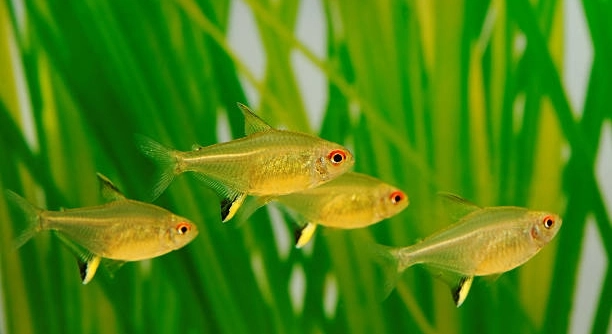
Lemon tetras are small, vibrant fish that bring life to any aquarium. Observing their behavior can reveal a lot about their mood and well-being. Recognizing signs of happiness helps ensure these delicate creatures thrive in a home environment.
When lemon tetras are happy, they display active swimming patterns, shoal closely with their group, show bright coloration, explore their environment, interact gently with tank mates, feed eagerly, and occasionally perform playful jumps or twirls, reflecting overall well-being.
Learning to read these subtle cues allows owners to provide a more suitable habitat and enrich the lives of their lemon tetras. Proper care strengthens both the fish’s happiness and the aquarium’s balance.
Active Swimming Patterns
Lemon tetras often show happiness through energetic and fluid swimming. When they feel comfortable in their tank, they glide smoothly around plants, rocks, and open spaces without hesitation. Their movements are coordinated, almost as if they are dancing together. Watching them navigate their environment, you can notice bursts of speed followed by calm hovering near decorations or tank edges. This balance between activity and rest is a clear indication that the fish are healthy and content. It is important to provide adequate space and clean water, as cramped or poorly maintained tanks can restrict natural movement. Observing these patterns daily helps identify subtle changes that may indicate stress or discomfort. Providing hiding spots, floating plants, and gentle water flow encourages natural behavior. Over time, happy lemon tetras develop predictable routines, making their energetic swimming a consistent, reassuring sign of well-being.
Active swimming shows contentment and confidence in their tank environment, reflecting proper care and comfort.
Regular observation helps maintain a suitable habitat. Ensuring enough swimming space and varied decorations lets lemon tetras explore freely, strengthening their health. Watching their patterns closely allows adjustments in tank setup, feeding, and social interaction, supporting overall well-being. Over time, these behaviors provide insight into stress levels, tank compatibility, and water quality. Noticing even minor deviations in swimming allows timely intervention, preventing illness or aggression. Active swimming also indicates a good diet and appropriate lighting. Tanks that support movement reduce boredom and promote natural instincts, keeping the fish lively. Happy lemon tetras often respond to gentle interactions or feeding with coordinated motion, emphasizing their comfort in the environment.
Shoaling and Social Interaction
Lemon tetras are naturally social and prefer to swim in small groups, creating a sense of security.
Shoaling behavior strengthens bonds within the group, helping the fish feel safe while navigating the tank. This behavior is particularly visible when introducing new tank decorations or rearranging plants. Happy tetras often maintain close proximity without aggression, circling or hovering together as they explore. Social interactions also help reduce stress, as isolated fish may become timid or hide excessively. Regular observation of shoaling patterns can reveal compatibility among tank mates and indicate overall satisfaction. Providing at least six lemon tetras in the same tank supports their social needs. Watching them interact, gently follow each other, or synchronize movements reflects mental stimulation and comfort. Shoaling is a reliable sign of happiness and helps maintain balance within the aquarium, encouraging natural behaviors that keep the fish engaged and healthy over time.
Bright Coloration
Bright coloration in lemon tetras signals health and contentment. Vibrant yellow bodies with a subtle shimmer along their sides indicate proper diet, clean water, and a stress-free environment, making this one of the easiest happiness indicators to notice in the tank.
Proper nutrition plays a key role in maintaining these vivid colors. Diets rich in high-quality flakes, frozen or live foods, and occasional vegetable matter ensure the fish receive essential vitamins and pigments. Clean water and stable tank conditions enhance color expression, while stressors such as overcrowding or sudden changes can dull their appearance. When lemon tetras are happy, their hues become more pronounced, especially during social interaction or feeding. Observing the intensity of their coloration daily can help gauge overall well-being and detect early signs of illness or stress. Over time, vibrant colors reflect a consistent, healthy environment and attentive care.
Bright coloration also indicates mental comfort and social satisfaction. Lemon tetras often display enhanced hues when interacting with tank mates or exploring, signaling both physical and emotional health. Maintaining stable water parameters and balanced lighting helps support these colors.
Playful Behavior
Playful behavior in lemon tetras appears as twirling, short bursts of swimming, or gentle jumps near the water surface, reflecting energy and curiosity.
When lemon tetras feel secure, they often engage in spontaneous movements that resemble games. These behaviors include darting between plants, spinning briefly in the water, or chasing each other without aggression. Playfulness shows that fish are comfortable with their environment and companions, and it encourages natural instincts such as exploration and foraging. Happy tetras may even approach areas where food is introduced, demonstrating eagerness and alertness. Creating an enriched tank with hiding spots, floating plants, and open spaces encourages these behaviors. Regularly observing these playful patterns helps monitor happiness levels and overall activity, ensuring the aquarium setup meets their needs consistently.
Playful behavior also reflects strong group dynamics and positive interaction with the tank environment. Fish often return to favorite spots after brief bursts of movement, indicating security and confidence. Maintaining proper lighting, gentle water flow, and stimulating decorations enhances these behaviors. Observing how lemon tetras play together provides insight into social bonds and environmental comfort. By supporting these habits, the tank becomes a dynamic space where fish exhibit natural energy while maintaining physical and mental well-being.
Environmental Exploration
Lemon tetras explore their surroundings when content, moving around plants, rocks, and decorations. They investigate new areas without hesitation, showing curiosity and confidence in the safety of their tank environment.
Exploration also includes inspecting hiding spots and swimming at different levels. Happy tetras take full advantage of the space provided, demonstrating comfort and adaptability.
Eager Feeding
Happy lemon tetras show excitement during feeding times, approaching food quickly and eating consistently. They display interest in flakes, pellets, and occasional live or frozen treats, reflecting good health and trust in their environment.
Gentle Interaction
Lemon tetras interact gently with tank mates, swimming closely without signs of aggression. Their calm social behavior indicates happiness and strong group cohesion within the aquarium.
Occasional Jumps and Twirls
Occasional jumps and twirls are signs of contentment. These playful actions reflect energy, alertness, and enjoyment in their environment.
FAQ
How can I tell if my lemon tetra is happy?
Happy lemon tetras display several behaviors including bright coloration, active swimming, shoaling closely with tank mates, playful movements, and eagerness during feeding. Observing these behaviors regularly helps monitor their well-being and ensures the tank environment supports their natural instincts.
Why is shoaling important for lemon tetras?
Shoaling provides a sense of security and reduces stress. Lemon tetras are social fish that thrive in groups of six or more. Close group swimming promotes natural interaction, strengthens bonds, and encourages confident exploration of the tank without fear or anxiety.
What foods help maintain their happiness and health?
A balanced diet consisting of high-quality flakes, frozen or live foods, and occasional vegetable matter supports both nutrition and vibrant coloration. Consistent feeding routines and variety prevent boredom, encourage active behavior, and ensure the fish maintain energy levels for swimming and social interaction.
How does tank setup affect their mood?
Clean water, stable temperature, and proper filtration are essential. Plants, hiding spots, and open swimming areas provide stimulation and security. A well-maintained environment reduces stress, encourages exploration, and allows lemon tetras to display natural behaviors such as playful twirls and group coordination.
Can water conditions change their behavior quickly?
Yes. Sudden changes in temperature, pH, or ammonia levels can stress fish, leading to reduced activity, hiding, or dull coloration. Maintaining stable parameters and performing regular water changes supports both physical health and happiness, allowing them to continue displaying their energetic and social behaviors.
Do lemon tetras show happiness differently when alone versus in groups?
Lemon tetras are more expressive and confident in groups. Alone, they may hide or remain inactive due to stress. In a group, they swim actively, explore together, and perform playful behaviors. Social presence enhances comfort, encourages vibrant coloration, and stimulates natural instincts.
How often should I observe their behavior?
Daily observation is ideal. Monitoring activity, coloration, feeding habits, and interactions ensures early detection of stress or illness. Taking note of small changes in swimming patterns, shoaling behavior, or responsiveness to food helps maintain a balanced, supportive tank environment for long-term happiness.
Can decorations or plants influence their happiness?
Yes. Lemon tetras enjoy varied environments with plants, driftwood, or stones that provide hiding spots and exploration opportunities. Decorations reduce stress, encourage active swimming, and allow them to display playful behaviors. A carefully arranged tank enhances both social and individual well-being.
What signs indicate stress instead of happiness?
Stress signs include hiding, reduced activity, faded coloration, aggression toward tank mates, or skipping meals. Unlike happy behaviors, stressed tetras avoid interaction and display irregular swimming. Recognizing these signs early allows for adjustments to tank conditions or social structure to restore contentment.
How can I encourage playful behavior in lemon tetras?
Providing open swimming space, gentle water flow, and varied decorations encourages twirling, jumping, and coordinated movements. Regular feeding and stable social groups also promote natural playfulness, which reflects mental stimulation, physical health, and overall happiness within the aquarium environment.
Is it normal for their happiness indicators to vary daily?
Yes. Lemon tetras may show different levels of activity or color intensity based on mood, feeding, or minor environmental changes. Occasional variation is normal, but consistently dull colors, hiding, or lack of interaction may indicate a problem requiring attention to water quality, diet, or tank conditions.
Can happy lemon tetras coexist with other species?
Yes, as long as tank mates are peaceful and similar in size. Aggressive or much larger fish can stress lemon tetras, suppressing natural behaviors and happiness indicators. Thoughtful selection of compatible species helps maintain shoaling behavior, active swimming, and overall well-being.
How long does it take for lemon tetras to show happiness in a new tank?
Adjustment depends on tank size, group presence, and environmental conditions. Typically, within a week or two, they begin exploring, shoaling, and displaying bright coloration. Proper acclimation, stable water conditions, and minimal disturbances accelerate the appearance of happy behaviors.
Do lighting and day-night cycles affect their mood?
Yes. Consistent lighting supports natural behavior and coloration. Lemon tetras require a day-night cycle to regulate activity, feeding, and rest. Sudden or extreme changes in light can stress fish, while a stable schedule promotes confidence, exploration, and playful interactions.
Can observation alone improve their happiness?
Indirectly, yes. Regular monitoring helps identify environmental or social issues early. Adjustments based on observations, such as adding plants, rearranging decor, or balancing water parameters, support well-being and allow lemon tetras to express natural, content behaviors consistently.
How do I know if a new addition to the tank will affect happiness?
Introduce new fish gradually and monitor shoaling, feeding, and color changes. Smooth integration avoids aggression or stress. Happy lemon tetras will continue to display active swimming, playfulness, and group cohesion, while negative reactions indicate the need for adjustment or separation.
What role does water temperature play in happiness?
Maintaining the recommended range of 72–78°F keeps metabolism, activity, and coloration stable. Temperature fluctuations can cause lethargy, hiding, or reduced feeding, directly affecting happiness indicators. Consistent warmth ensures comfort and encourages natural, energetic behaviors.
Is it necessary to track individual behaviors or just the group?
Both are important. Group observation shows social harmony and shoaling, while individual behavior highlights subtle health or stress issues. Tracking both allows early intervention, supporting long-term happiness, proper interaction, and physical well-being of every lemon tetra in the tank.
How do I ensure feeding behavior reflects happiness and not stress?
Observe eagerness, speed, and consistency during feeding. Happy tetras approach food confidently, eat evenly, and return to swimming naturally. Stress-induced feeding may show hesitation, hiding, or refusal, signaling adjustments in tank conditions, diet, or social arrangement are necessary.
Can seasonal changes affect their behavior?
Yes. Slight environmental changes, such as room temperature fluctuations, can influence activity and coloration. Maintaining stable tank conditions mitigates seasonal impacts, keeping lemon tetras energetic, social, and brightly colored year-round.
Final Thoughts
Observing lemon tetras in an aquarium provides insight into their overall health and well-being. These small, colorful fish communicate happiness through a variety of subtle behaviors that are easy to notice once you understand their patterns. Active swimming, bright coloration, shoaling, playful movements, and eagerness during feeding are all reliable indicators that your tetras feel secure and content. Paying attention to these signs helps ensure that their tank environment meets their physical and social needs. By providing clean water, stable temperature, appropriate tank mates, and sufficient space, you create conditions that allow these behaviors to flourish naturally. Over time, regular observation of their daily routines gives reassurance that the tank is supporting both their health and happiness.
Maintaining a balanced tank environment goes beyond basic care. Decorations, plants, and hiding spots play a vital role in promoting natural behaviors such as exploration and group interaction. Lemon tetras thrive when they feel both safe and stimulated, and subtle enrichment can make a significant difference. Consistent feeding schedules and a varied diet also contribute to bright coloration and energy levels, which are visible signs of satisfaction. Stress can be caused by overcrowding, sudden changes in water conditions, or incompatible tank mates, and these factors can quickly suppress natural happiness indicators. Monitoring both individual and group behavior allows owners to detect early warning signs and make adjustments before stress or illness develops. Attention to these details ensures that the fish maintain confidence, social cohesion, and a lively presence within the aquarium.
Understanding lemon tetra behavior strengthens the connection between owner and fish, making the care routine more rewarding. Happy tetras not only exhibit visible signs of well-being, but their presence also enhances the atmosphere of the aquarium. Observing playful twirls, synchronized swimming, and gentle interactions encourages attentiveness and fosters a sense of responsibility toward maintaining their habitat. By recognizing the factors that influence happiness and responding to subtle changes in behavior, you support both physical health and mental stimulation. Over time, this care approach results in a more dynamic and balanced aquarium, where lemon tetras can express their natural tendencies freely and confidently. Creating this environment requires attention, patience, and consistency, but it ensures that the fish remain healthy, active, and visibly content throughout their time in the tank.

Hello,
If you enjoy the content that we create, please consider saying a "Thank You!" by leaving a tip.
Every little bit helps us continue crafting quality advice that supports the health, happiness, and well-being of pets around the world, for pets of all shapes, sizes, and species.
We really appreciate the kindness and support that you show us!