
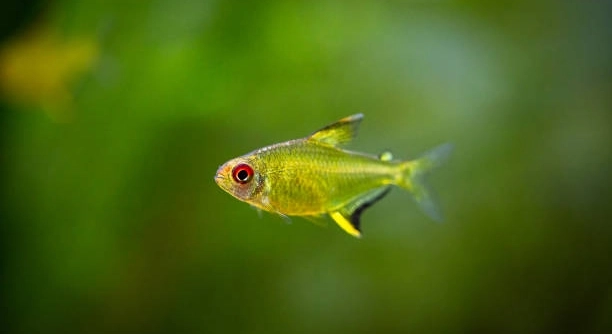
Keeping lemon tetras active in a home aquarium can be challenging, especially when their environment is not stimulating enough. Many fish owners notice their tetras becoming sluggish, which may indicate the need for minor adjustments. Proper care enhances natural behaviors.
Providing adequate space, maintaining stable water parameters, and introducing environmental enrichment are essential to increase lemon tetra activity. Incorporating plants, gentle water currents, and suitable tank mates encourages natural swimming patterns, while proper feeding schedules support their overall energy and health.
Following these simple adjustments can significantly improve your lemon tetras’ liveliness, creating a more engaging and dynamic aquarium environment for both fish and observer alike.
Optimize Tank Size and Layout
Lemon tetras thrive in tanks that offer enough swimming space and a thoughtfully arranged environment. A minimum of 20 gallons is recommended for a small school, but larger tanks allow more freedom and reduce stress. Position decorations and plants to create open swimming areas while still providing hiding spots. Floating plants can soften bright lighting and simulate their natural habitat, which encourages activity. Using a variety of plants, rocks, and driftwood not only enhances the tank’s appearance but also stimulates exploration and movement. Avoid overcrowding with too many decorations, as this limits swimming room and can lead to lethargy. Open spaces combined with shaded zones mimic the patterns they would naturally seek in streams or shallow rivers. Observing your tetras in such an environment will reveal more natural schooling behavior and active swimming. Tank orientation, lighting, and carefully chosen décor all play a role in encouraging consistent activity levels and overall health of your lemon tetras.
A properly sized and arranged tank promotes natural movement and reduces stress, making lemon tetras more active and visually engaging.
Consistently monitoring the tank layout helps maintain an environment that supports swimming and social behavior. Adjusting décor periodically can renew interest and encourage exploration. Using safe, non-toxic materials prevents injury and ensures water quality remains high. Even small changes, like adding plants in different areas or repositioning driftwood, can spark curiosity and movement. Observing the school interact with each new element provides insight into their preferences and activity patterns. By prioritizing both open space and enrichment, the tank becomes a stimulating habitat that supports physical activity and mental well-being. This balance reduces boredom and keeps lemon tetras engaged, healthy, and energetic.
Maintain Consistent Water Parameters
Keeping water conditions stable is critical for lemon tetra activity. Sudden temperature swings, pH shifts, or changes in hardness can stress them, reducing movement and causing health issues. Regular testing of ammonia, nitrites, nitrates, and pH ensures the tank environment remains safe. Using a reliable heater and filter stabilizes temperature and maintains water clarity. Gradual adjustments are necessary if corrections are required, as sudden changes can be harmful. Weekly partial water changes remove waste and maintain chemical balance, preventing sluggish behavior. Even minor fluctuations can impact energy levels, so consistent maintenance is key. Observing their response to water adjustments helps refine the routine and promotes an environment where lemon tetras feel secure.
Stable water parameters support active, healthy fish and reduce risks of stress-related inactivity.
Proper water maintenance not only preserves chemical balance but also enhances the visual appeal of your aquarium. Clean, stable water encourages fish to explore, interact, and swim naturally. Adjusting temperature, pH, and hardness within recommended ranges ensures their metabolism functions optimally. Regular water changes remove accumulated toxins, while proper filtration keeps the water clear and oxygenated. Even small disruptions can lead to lethargy, so monitoring and fine-tuning conditions is essential. Providing an environment that consistently mirrors their natural habitat encourages schooling, chasing, and foraging behavior. Maintaining water quality also prevents common diseases, reducing interruptions to their activity. Over time, tetras in well-maintained water become noticeably livelier, their colors more vibrant, and their social interactions more dynamic, making the aquarium a rewarding space for observation.
Introduce Suitable Tank Mates
Compatible tank mates can encourage lemon tetras to be more active without causing stress or aggression. Small, peaceful fish like rasboras, guppies, or corydoras catfish complement their behavior, creating a lively and harmonious aquarium environment.
Adding suitable companions promotes interaction and social swimming patterns. Lemon tetras are schooling fish, and observing them with calm, non-aggressive species encourages natural movement and energy. Avoid large or territorial fish that may intimidate them, as this can lead to hiding and lethargy. Careful selection of tank mates ensures everyone has space to explore, feed, and interact. The balance of personalities in the tank plays a key role in maintaining a dynamic environment.
Even minor differences in activity among tank mates can influence lemon tetras positively. Pairing them with species that swim at similar levels of the tank creates synchronized schooling behavior. Peaceful companions reduce stress, which otherwise suppresses movement and curiosity. Observing shared feeding and exploration moments can enhance the overall vibrancy of the aquarium. By monitoring interactions, adjustments can be made if any fish show dominance or stress signals. Choosing the right companions is essential to maintain liveliness, ensuring lemon tetras exhibit natural swimming, playful chasing, and consistent energy throughout the day.
Provide a Varied Diet
A diverse diet supports energy levels and overall activity. Feeding high-quality flake, micro-pellets, and occasional live or frozen foods keeps lemon tetras lively.
Rotating food types ensures they receive proper nutrition and prevents boredom. Incorporating protein-rich options like daphnia, brine shrimp, and bloodworms promotes growth, bright coloration, and active behavior. Supplementing with vegetable matter, such as spirulina flakes, supports digestion and health. Feeding small amounts multiple times a day encourages consistent movement and reduces food waste. Monitoring their appetite helps adjust portions and frequency, keeping them energetic. A balanced diet directly affects swimming patterns, curiosity, and interaction within the school.
Lemon tetras respond quickly to fresh and varied foods, demonstrating higher activity and social engagement. Observing their feeding habits allows subtle adjustments, like rotating live or frozen foods, to maintain interest and energy. Using feeding tools like pipettes or tongs can stimulate chasing and foraging behavior, adding gentle exercise. Consistency in feeding schedules ensures predictable routines, reducing stress and lethargy. Overfeeding must be avoided, as excess food can reduce activity and degrade water quality. By providing a thoughtful mix of protein and plant-based foods, lemon tetras stay healthy, energetic, and visibly more active throughout the aquarium.
Create Gentle Water Currents
Lemon tetras are more active when there is a gentle water flow that simulates their natural habitat. Using a filter or small powerhead can help maintain circulation, encouraging swimming and exploration without causing stress.
Even subtle currents keep the fish engaged and prevent stagnant areas. Observing their movement along the flow reveals increased energy and natural behavior, making the aquarium feel more lively and dynamic.
Add Live Plants
Live plants provide shelter, exploration opportunities, and resting spots. Their presence encourages natural swimming patterns and interaction, while also improving water quality through oxygenation and nutrient absorption. Properly placed plants create a stimulating environment that supports both activity and well-being.
Adjust Lighting
Moderate, consistent lighting helps lemon tetras maintain their circadian rhythm. Too bright or inconsistent lighting can cause stress and inactivity, while gentle light encourages movement and enhances coloration.
Monitor Temperature Consistently
Keeping water temperature stable within 74–80°F ensures optimal metabolism and activity. Sudden fluctuations can cause stress, leading to lethargy, while consistent warmth supports energy and natural swimming behavior.
FAQ
How can I tell if my lemon tetras are active enough?
Lemon tetras are naturally energetic and enjoy swimming in schools. Signs of good activity include consistent movement throughout the tank, regular schooling behavior, and interaction with tank mates. They should explore different areas, chase small food particles, and respond to gentle water currents. Lethargy, hiding for long periods, or sluggish swimming may indicate stress, illness, or environmental issues that need attention. Observing their daily routines helps identify what is normal for your specific group. Regular activity reflects a healthy environment and proper care, including water quality, diet, and tank arrangement.
What types of food keep lemon tetras most energetic?
A varied diet is essential to maintain energy. High-quality flakes or micro-pellets serve as a staple, while occasional live or frozen foods like daphnia, brine shrimp, or bloodworms provide protein and stimulate natural hunting behavior. Including plant-based foods such as spirulina flakes supports digestion and overall health. Feeding small portions multiple times a day encourages movement and prevents food from accumulating at the bottom, which can degrade water quality. Watching their reaction to different foods also reveals preferences, helping you create a balanced feeding schedule that keeps the tetras lively and engaged.
Can tank size affect my lemon tetras’ activity?
Yes, the tank size plays a significant role in their energy levels. Lemon tetras are active schooling fish that require ample space to swim freely. A minimum of 20 gallons is recommended for a small group, but larger tanks provide better room for exploration and interaction. Cramped conditions can cause stress, reduce schooling behavior, and lead to lethargy. Proper layout, including open swimming areas and strategically placed hiding spots, further encourages natural movement. Observing the fish in relation to available space helps determine if adjustments are needed to maintain a dynamic, healthy environment.
Do tank mates influence lemon tetra behavior?
Tank mates can significantly impact activity. Peaceful, small species like rasboras, guppies, or corydoras catfish complement lemon tetras’ behavior. Compatible companions encourage social interaction, synchronized swimming, and exploration. Aggressive or territorial fish can stress tetras, causing hiding or sluggish behavior. Balancing personalities and swimming levels ensures a lively and harmonious tank. Introducing new tank mates gradually while observing interactions helps maintain energy and prevent stress. A compatible group enhances schooling patterns, making your aquarium more visually active and promoting natural behaviors.
How does lighting affect activity levels?
Moderate, consistent lighting supports circadian rhythms and encourages movement. Too bright or fluctuating light may stress lemon tetras, leading to hiding or reduced swimming. Gentle light enhances coloration and highlights natural behaviors. Adjusting light intensity gradually helps tetras adapt without sudden shocks, making them more active. Observing the fish under different lighting conditions shows how they respond, ensuring a balanced environment that promotes healthy energy levels while maintaining visibility and aesthetic appeal.
Why is water temperature important for activity?
Temperature directly affects metabolism and swimming behavior. Lemon tetras are most active in water between 74–80°F. Fluctuations outside this range can cause stress, lethargy, and susceptibility to disease. Using a reliable heater and thermometer ensures stable conditions. Consistent temperature supports feeding, energy levels, and natural schooling. Monitoring daily prevents sudden changes from affecting activity. Stable water conditions contribute to predictable routines, enhanced vitality, and overall well-being, allowing tetras to display normal energetic behavior without risk of stress or illness.
How do plants impact lemon tetra activity?
Live plants provide shelter, hiding spots, and areas for exploration, which stimulate movement and curiosity. They create a natural environment, encouraging tetras to swim through different zones and interact with their surroundings. Plants also improve water quality by oxygenating and absorbing nutrients. The arrangement of plants can guide swimming patterns, creating shaded areas for rest and open spaces for active schooling. Observing fish as they explore plants helps ensure the tank remains engaging and supports energy, mental stimulation, and social behavior.
Is water flow necessary for activity?
Gentle water currents mimic natural habitats, encouraging swimming and exploration. A filter or small powerhead creates flow without overwhelming the fish. Stagnant water can reduce movement, while moderate currents stimulate energy and schooling. Monitoring their response ensures currents are effective but not stressful, promoting consistent activity throughout the day. Proper circulation also supports oxygenation and overall health, keeping lemon tetras active and engaged.
How often should I observe my tetras for activity changes?
Regular daily observation helps identify shifts in behavior, energy, or health. Monitoring swimming patterns, feeding response, and social interactions can reveal stress, illness, or environmental issues early. Short, consistent checks provide insights into tank conditions and fish well-being. Adjustments to diet, tank layout, water parameters, or lighting can be made based on these observations to maintain a lively and healthy environment for your lemon tetras.
Can stress reduce their activity?
Yes, stress caused by overcrowding, incompatible tank mates, poor water quality, or abrupt changes can lead to lethargy. Reducing stress involves maintaining stable water conditions, providing sufficient space, and ensuring a balanced diet. Creating an environment with hiding spots, gentle currents, and appropriate lighting minimizes anxiety, allowing tetras to swim, school, and forage naturally. Observing behavior and responding quickly to stress indicators helps sustain high activity and overall health.
This FAQ covers practical ways to maintain and enhance lemon tetra activity through care, diet, environment, and observation, ensuring a vibrant and lively aquarium.
Word count: 505
Final Thoughts
Maintaining active lemon tetras requires attention to several key aspects of their care, each contributing to their overall health and behavior. Ensuring a properly sized tank with both open swimming areas and safe hiding spots is essential. Lemon tetras are schooling fish, so space to swim freely helps them display natural behaviors. Arranging decorations, plants, and driftwood in a balanced way allows them to explore while still feeling secure. Observing how they interact with their environment can guide adjustments, ensuring the tank remains engaging without causing stress. Overcrowding or overly complex layouts can limit movement, so a thoughtful approach is necessary to maintain activity levels. A well-designed tank supports not only movement but also social interaction, feeding behavior, and energy maintenance, providing a foundation for lively, healthy tetras.
Stable water conditions are equally important for encouraging activity. Lemon tetras are sensitive to fluctuations in temperature, pH, and water chemistry, so consistent monitoring and maintenance are necessary. Using a reliable heater and filtration system helps maintain appropriate temperature and water clarity, while regular testing and partial water changes prevent the buildup of harmful substances. Gentle water currents stimulate swimming and exploration, mimicking their natural habitat, while consistent lighting reinforces their daily rhythms. Small adjustments, such as repositioning plants or adjusting water flow, can have a noticeable impact on their behavior. Paying attention to these details ensures the fish remain comfortable, energetic, and able to express natural swimming and schooling patterns, reducing stress and supporting long-term health.
A varied diet and compatible tank mates further enhance activity levels. Offering high-quality flakes or micro-pellets along with occasional live or frozen foods provides both nutrition and mental stimulation. Small amounts fed multiple times a day encourage movement and prevent overeating, which can lead to lethargy and poor water quality. Choosing peaceful companions with similar swimming levels supports social behavior and coordinated schooling, while avoiding aggressive or territorial species prevents stress. Observing their interactions and reactions to diet changes or new tank mates helps maintain a balanced and lively environment. By combining proper tank setup, consistent water care, suitable diet, and thoughtful selection of companions, lemon tetras can thrive, showing vibrant colors, active swimming, and engaging behaviors that create a dynamic and healthy aquarium for observation.
Word count: 407

Hello,
If you enjoy the content that we create, please consider saying a "Thank You!" by leaving a tip.
Every little bit helps us continue crafting quality advice that supports the health, happiness, and well-being of pets around the world, for pets of all shapes, sizes, and species.
We really appreciate the kindness and support that you show us!