
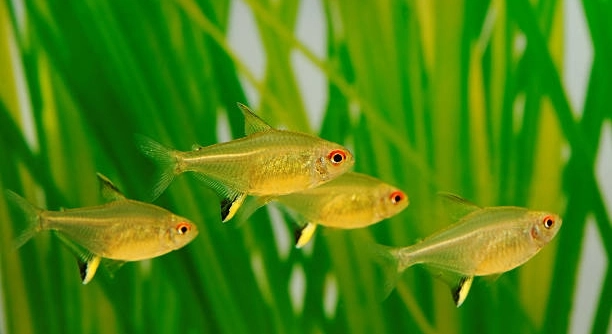
Keeping fish at home can be a relaxing and enjoyable hobby, offering a small glimpse into the wonders of aquatic life. Many people consider small bowls for ease, especially when starting out with colorful fish.
Lemon Tetras cannot thrive in a bowl due to limited space, poor water quality, and lack of proper filtration. They require a stable environment with sufficient swimming room, clean water, and compatible tank mates to maintain health and longevity.
Learning the proper setup for Lemon Tetras ensures they remain vibrant and active. Understanding their needs will help you create a safe and enjoyable home environment.
Why Lemon Tetras Struggle in Bowls
Lemon Tetras are small, active fish that need space to swim and explore. Bowls are too cramped, limiting their movement and causing stress. Limited water volume makes it hard to maintain stable water conditions, which can lead to rapid buildup of toxins like ammonia. Without proper filtration, waste accumulates quickly, making the environment unsafe. Temperature fluctuations are also common in bowls, which can weaken their immune systems. These fish are social and thrive in groups, so keeping only one or two in a small bowl can cause loneliness and behavioral issues. Even with careful maintenance, a bowl does not provide enough room for hiding places or plants, which are important for comfort. While a small bowl may look convenient, it fails to meet the basic needs of Lemon Tetras, affecting their health, color, and lifespan significantly. A proper tank setup is necessary for them to thrive and display natural behaviors.
Bowls often seem practical, but they cannot support the stable conditions Lemon Tetras require. Small setups create stress and poor health.
Providing a proper tank with enough water, filtration, and space for plants allows Lemon Tetras to swim freely. Stable temperature and clean water improve immunity, and social interaction keeps them active. This setup prevents rapid disease onset and supports long-term health. Fish in a proper tank display brighter colors, natural behaviors, and live longer than those confined to bowls. Small bowls might seem simple, but they compromise the well-being of these active, social fish. A tank of adequate size with regular maintenance ensures they remain vibrant and happy, making the effort worthwhile.
Ideal Tank Conditions for Lemon Tetras
Lemon Tetras need a tank with at least 10 gallons of water. Proper filtration and regular water changes maintain quality.
The tank should have stable temperature, low current, and plants for hiding. Grouping at least six fish reduces stress, encourages natural schooling, and promotes vibrant colors. Decorations and live plants improve comfort, while clean water reduces disease risk. Monitoring water parameters ensures a healthy environment, and careful feeding prevents overfeeding and waste buildup. Maintaining a consistent schedule for water changes and tank cleaning supports their long-term health. A well-maintained aquarium gives Lemon Tetras the room, stability, and enrichment they need to thrive, far beyond what a small bowl can provide.
Common Mistakes When Keeping Lemon Tetras
Overcrowding is a frequent issue in small tanks or bowls. Adding too many fish increases waste, reduces oxygen, and stresses the fish. Poor water quality from infrequent changes also harms them. Neglecting temperature and hiding spaces can weaken immunity and affect behavior.
Feeding mistakes often occur, such as overfeeding or providing low-quality food. Excess food decays in the water, raising ammonia levels. A varied diet with small portions supports growth and color. Many keepers forget the importance of regular monitoring, including water parameters and observing fish behavior. Without proper attention, minor problems can escalate quickly, reducing lifespan and activity.
Tank size is another critical factor. Lemon Tetras are active swimmers and require space for schooling. Bowls or small aquariums limit movement, increase stress, and prevent proper social interaction. Providing at least 10 gallons allows room for plants, decorations, and healthy swimming patterns. Adequate space supports natural behavior, strengthens immunity, and enhances color. Monitoring water quality and maintaining clean conditions further ensures their long-term health.
Selecting the Right Aquarium Setup
Choosing the correct tank size ensures stability and comfort. A 10-gallon or larger aquarium is recommended for a small group of Lemon Tetras. Filtration, temperature control, and hiding spaces create a supportive environment.
Plants and decorations are essential for enrichment. Live plants improve oxygen levels and mimic natural habitats. Decorations provide hiding spots, which reduce stress and support natural behavior. Stable temperature, low water flow, and proper lighting enhance comfort and health. Regular maintenance, including water changes and filter cleaning, prevents toxic buildup. Monitoring water parameters and observing fish daily helps identify issues early. This setup encourages activity, vibrant colors, and social schooling, providing an environment where Lemon Tetras can thrive.
Water Quality Essentials
Maintaining clean water is crucial for Lemon Tetras. Frequent water changes prevent toxin buildup and keep ammonia, nitrite, and nitrate levels low. Proper filtration supports a stable environment, ensuring fish remain healthy and active.
Testing water regularly helps identify problems early. Stable pH and temperature reduce stress and support immune function, preventing disease and promoting natural behavior.
Feeding Lemon Tetras
Lemon Tetras need a balanced diet of high-quality flake food, micro-pellets, and occasional live or frozen foods. Small portions prevent overfeeding and water contamination. Variety supports color, growth, and overall health.
Social Needs of Lemon Tetras
These fish are schooling species and should be kept in groups of at least six. Social interaction reduces stress and encourages natural behaviors, such as synchronized swimming and exploration. A solitary fish may become shy or lethargic without companions.
Choosing Tank Decorations
Plants, rocks, and driftwood provide hiding spots and enrichment. They reduce stress, mimic natural habitats, and encourage exploration and active swimming. Well-placed decorations create a visually appealing and comfortable environment for Lemon Tetras.
FAQ
Can Lemon Tetras survive in a small bowl?
Lemon Tetras cannot survive long-term in a small bowl. Bowls restrict swimming space, make temperature and water quality unstable, and prevent proper social interaction. Even with frequent water changes, the limited volume makes it difficult to maintain a healthy environment, causing stress and illness.
How many Lemon Tetras should be kept together?
Lemon Tetras are schooling fish and should be kept in groups of at least six. Small groups reduce stress and allow natural behaviors like synchronized swimming. Larger groups are even better, as they enhance social interaction and create a more lively and balanced tank environment.
What tank size is best for Lemon Tetras?
A minimum 10-gallon tank is recommended for a small group. Larger tanks provide swimming room, stable water conditions, and space for plants and decorations. Adequate size reduces stress, prevents aggression, and allows for proper filtration and temperature control, ensuring long-term health and vibrant coloration.
Do Lemon Tetras need live plants in the tank?
Live plants are not strictly required but are highly beneficial. They improve oxygen levels, provide hiding spots, and mimic a natural environment. Plants reduce stress, support natural behavior, and create visual interest. Artificial plants can be used if live plants are not feasible, though they offer less water quality benefit.
What kind of food should Lemon Tetras eat?
They thrive on a varied diet, including high-quality flake or micro-pellet food and occasional live or frozen foods such as brine shrimp or daphnia. Small, frequent feedings prevent overfeeding, reduce waste, and support growth, color, and overall health. Maintaining variety keeps the fish active and energetic.
How often should water be changed in a Lemon Tetra tank?
Water should be changed weekly, typically 25-30% of the tank volume. Regular changes remove toxins, maintain stable water chemistry, and prevent algae buildup. Consistent maintenance keeps the environment clean and safe, supporting the fish’s immune system and preventing stress-related illnesses.
What is the ideal temperature for Lemon Tetras?
Lemon Tetras thrive in water temperatures between 72-78°F (22-26°C). Stable temperature is crucial for metabolism, immune function, and activity levels. Sudden fluctuations can stress the fish, making them more susceptible to disease and reducing their vibrant coloration. Using a reliable heater and thermometer is recommended.
Can Lemon Tetras live with other fish?
Yes, they are peaceful and can coexist with other small, non-aggressive fish. Suitable tank mates include guppies, rasboras, and small tetras. Avoid large or aggressive species that may bully or eat them. Proper stocking and monitoring ensure a harmonious tank environment and minimize stress.
Why do Lemon Tetras lose color?
Color fading is often a sign of stress, poor water quality, or illness. Insufficient light, small tank size, or lack of social interaction can also reduce vibrancy. Maintaining clean water, proper diet, stable temperature, and adequate schooling restores natural coloration over time.
How long do Lemon Tetras live?
With proper care, Lemon Tetras typically live 3-5 years. Longevity depends on tank conditions, diet, social environment, and disease prevention. Consistent maintenance and a stable, enriched tank maximize lifespan and keep fish healthy and active.
Can I use a heater in a small tank?
Using a heater in small tanks is possible but requires careful monitoring. Small water volumes fluctuate quickly, so a reliable heater with a thermostat is essential to maintain stable temperatures. Avoid leaving the tank unmonitored, as sudden temperature changes can stress or harm the fish.
Is a filter necessary for Lemon Tetras?
A filter is highly recommended to maintain water quality. Filters remove waste, provide aeration, and support beneficial bacteria growth. Even small tanks benefit from gentle filtration. Regular cleaning and maintenance ensure the system works efficiently and keeps the tank healthy for the fish.
What signs indicate stress in Lemon Tetras?
Signs include hiding excessively, loss of color, erratic swimming, clamped fins, or decreased appetite. Stress often results from poor water quality, overcrowding, temperature fluctuations, or lack of social interaction. Prompt action, such as water testing and tank adjustments, helps restore health and normal behavior.
How can I prevent diseases in Lemon Tetras?
Maintaining clean water, stable temperature, and a balanced diet is essential. Avoid overcrowding and ensure compatible tank mates. Quarantine new fish before adding them to the main tank. Observing daily behavior and addressing any changes quickly reduces the risk of disease outbreaks and supports long-term health.
Can Lemon Tetras live without a lid on the tank?
A lid is recommended, as Lemon Tetras are small and may jump. A cover also reduces evaporation, keeps the water temperature stable, and prevents accidental contamination. Choosing a lid with openings for feeding and equipment ensures safety while maintaining proper tank conditions.
Is it okay to keep Lemon Tetras in a community tank?
Yes, they are suitable for peaceful community tanks with similarly sized, non-aggressive species. Providing adequate space, hiding spots, and proper water conditions ensures all fish coexist without stress, creating a balanced and healthy aquarium environment.
Do Lemon Tetras require lighting?
Moderate lighting is beneficial, as it highlights their color and supports plant growth. Avoid overly bright lights, which can stress the fish. A consistent light schedule, typically 8-10 hours per day, promotes natural activity patterns and overall well-being.
How often should I clean the tank?
In addition to weekly water changes, partial cleaning of gravel, decorations, and the filter is recommended monthly. Avoid over-cleaning, which can disrupt beneficial bacteria. Regular maintenance keeps the tank stable, reduces waste buildup, and supports the health and vitality of Lemon Tetras.
Can Lemon Tetras breed in home aquariums?
Breeding is possible but requires a separate tank with soft, slightly acidic water, fine-leaved plants, and controlled lighting. Spawning pairs deposit eggs on plants or surfaces, which should be protected from adult fish. Proper water conditions and diet increase the likelihood of successful breeding.
What is the best way to introduce new Lemon Tetras to a tank?
New fish should be acclimated slowly to the existing tank’s temperature and water chemistry. Float the sealed bag in the tank for 15-30 minutes, then gradually mix small amounts of tank water into the bag. This reduces shock and stress, ensuring a smooth transition for the fish.
Are Lemon Tetras suitable for beginners?
Yes, with proper tank setup, maintenance, and attention to water quality, they are manageable for beginner fish keepers. Understanding their social needs, diet, and environmental requirements is key to ensuring healthy, active, and colorful fish.
Can I keep Lemon Tetras in a planted tank?
Yes, they thrive in planted tanks. Plants provide hiding spots, reduce stress, and create a natural habitat. A well-planted tank improves water quality and supports natural behaviors, making it an ideal environment for their health and activity.
Do Lemon Tetras require a specific pH level?
They prefer slightly acidic to neutral water, around pH 6.5-7.5. Maintaining stable pH is important for stress reduction, metabolism, and overall health. Sudden fluctuations can weaken their immune system and affect color and activity. Regular testing ensures optimal conditions.
How do I prevent algae growth in a Lemon Tetra tank?
Algae can be managed with moderate lighting, regular water changes, and not overfeeding. Adding live plants competes with algae for nutrients. Avoid placing the tank in direct sunlight. Consistent maintenance reduces excessive algae growth while keeping the tank healthy.
Can Lemon Tetras tolerate tap water?
Yes, if treated properly. Tap water should be dechlorinated and checked for hardness and pH. Conditioning removes harmful chemicals, ensuring safe water for the fish. Testing and adjusting parameters as needed supports health and prevents stress-related issues.
What is the best way to monitor fish health?
Observe daily for behavior, color, and appetite changes. Test water parameters weekly. Early detection of illness allows prompt intervention. A combination of visual observation, water testing, and regular maintenance ensures Lemon Tetras remain healthy, vibrant, and active.
Can Lemon Tetras live with shrimp or snails?
Yes, small peaceful shrimp and snails are compatible. They help clean the tank without disturbing the fish. Avoid larger or aggressive invertebrates that may stress or harm them. Proper planning and monitoring maintain harmony in a shared tank environment.
How do I handle sick Lemon Tetras?
Quarantine sick fish immediately to prevent spreading disease. Test water quality, adjust temperature, and provide appropriate medication if necessary. Observe behavior and symptoms closely. Early intervention improves recovery rates and protects the health of the remaining tank inhabitants.
Are Lemon Tetras sensitive to water hardness?
They prefer soft to moderately hard water. Extreme hardness or sudden changes can cause stress, weaken immunity, and affect coloration. Regular testing and gradual adjustments maintain optimal conditions and prevent health problems over time.
Can Lemon Tetras live in cold water?
No, they are tropical fish and require warm, stable temperatures between 72-78°F (22-26°C). Cold water slows metabolism, weakens immunity, and can lead to disease. A reliable heater ensures proper temperature and long-term survival.
Do Lemon Tetras need aeration?
Aeration is helpful but not always required if the filter provides sufficient water movement and oxygenation. In smaller tanks or heavily stocked tanks, additional aeration ensures oxygen levels remain stable, supporting healthy respiration and overall fish activity.
How fast do Lemon Tetras grow?
Growth depends on diet, water quality, and tank conditions. Typically, they reach adult size within 6-8 months. Providing adequate space, nutrition, and stable water supports healthy development, vibrant coloration, and proper schooling behavior.
Is it safe to keep Lemon Tetras in a bowl temporarily?
They can survive briefly in a bowl for short periods, such as during cleaning, but it is not suitable for long-term housing. Temporary confinement should be closely monitored to prevent stress, temperature fluctuations, and oxygen depletion.
Can Lemon Tetras tolerate low light conditions?
They can survive in low light, but bright, moderate lighting enhances coloration and activity. Plants and decorations may help reduce stress in brighter tanks. Consistent lighting supports natural behaviors and overall health.
What are common signs of disease in Lemon Tetras?
Symptoms include faded color, clamped fins, labored breathing, white spots, or unusual swimming patterns. Early detection through observation and water testing allows prompt treatment, minimizing health risks and preventing outbreaks in the tank.
How do I encourage natural schooling behavior?
Keeping at least six Lemon Tetras together encourages synchronized swimming. Providing adequate space and a safe environment with plants and hiding spots promotes natural schooling, reduces stress, and increases activity and vibrancy.
Can Lemon Tetras adapt to different water conditions?
They can tolerate moderate changes if acclimated gradually. Sudden shifts in temperature, pH, or hardness cause stress and increase susceptibility to disease. Slow adaptation and careful monitoring help them adjust to new environments safely.
Is it necessary to remove uneaten food from the tank?
Yes, leftover food decomposes and raises ammonia levels, harming water quality and fish health. Removing uneaten food promptly prevents toxins, reduces algae growth, and maintains a clean, healthy environment.
How do I maintain a stable pH for Lemon Tetras?
Test water regularly and avoid sudden changes. Use buffers if necessary and maintain consistent water chemistry. Stable pH reduces stress, supports immune function, and prevents health problems over time.
What is the best substrate for a Lemon Tetra tank?
Fine gravel or sand works well. Smooth substrates prevent injury and allow for easy cleaning. Light-colored substrates enhance their color, while darker tones reduce stress by mimicking natural habitats. Proper substrate supports plant growth and contributes to a healthy tank ecosystem.
Can Lemon Tetras live with bettas?
It is not recommended. Bettas can be aggressive and may stress or injure small tetras. Peaceful community species are safer companions, ensuring both health and natural behavior. Avoid mixing with aggressive or territorial fish to maintain harmony.
Do Lemon Tetras require a specific lighting schedule?
Yes, 8-10 hours of consistent lighting daily supports activity, color, and plant health. Sudden changes in lighting can stress the fish. A timer can ensure consistency and promote healthy day-night cycles in the aquarium.
How can I prevent overfeeding in Lemon Tetras?
Feed small portions 1-2 times daily and remove excess food. Overfeeding leads to poor water quality, obesity, and stress. Measuring food and observing consumption ensures proper nutrition without harming tank conditions.
Are Lemon Tetras sensitive to noise or vibrations?
Excessive vibrations or sudden loud sounds can stress them. Place the tank in a stable, low-traffic area. Stable surroundings support natural behavior, reduce stress, and prevent health issues.
Can Lemon Tetras live in a nano tank?
They can survive in a well-maintained 10-gallon nano tank for a small group, but smaller setups are risky. Space, filtration, and stable water quality are essential. Overcrowding and rapid water changes can harm health.
Is it necessary to cycle a tank before adding Lemon Tetras?
Yes, cycling establishes beneficial bacteria that process waste. A cycled tank ensures ammonia and nitrite are converted to less harmful nitrate, creating a stable, safe environment and preventing stress or death of the fish.
How do I acclimate Lemon Tetras to a new tank?
Float the sealed bag in the tank for 15-30 minutes, gradually adding tank water to the bag. Slowly releasing the fish prevents shock from differences in temperature, pH, or hardness, supporting a safe transition.
Can Lemon Tetras live with goldfish?
No, goldfish are larger, produce more waste, and have different temperature requirements. Mixing them can stress Lemon Tetras and create unsafe water conditions. Choosing compatible tropical species ensures a balanced tank.
Do Lemon Tetras require hiding spots?
Yes, hiding spots reduce stress and provide a sense of security. Plants, rocks, and decorations offer shelter, support natural behavior, and enhance comfort, especially during rest or when startled.
How often should I check water parameters?
Test water weekly for ammonia, nitrite, nitrate, pH, and temperature. Consistent monitoring detects problems early and maintains a healthy environment, preventing stress and disease in Lemon Tetras.
Can Lemon Tetras live in soft water?
Yes, soft to moderately hard water is suitable. Extreme softness may require buffering, while gradual adaptation helps maintain stability and prevent stress. Consistent water conditions support health and coloration.
Are Lemon Tetras suitable for office tanks?
Yes, if proper maintenance and stable conditions are ensured. A quiet area, appropriate tank size, and regular monitoring support health, making them manageable and visually appealing for office environments.
Do Lemon Tetras need quarantine when introducing new fish?
Yes, quarantining new arrivals prevents introducing disease. Observing fish in a separate tank ensures they are healthy before mixing with established tank members, protecting overall tank health.
Can Lemon Tetras survive without filtration?
They may survive temporarily, but long-term health is compromised. Filtration maintains water quality, removes waste, and supports beneficial bacteria, essential for reducing stress and preventing disease.
How do I identify a healthy Lemon Tetra?
Healthy fish are active, display vibrant color, swim in groups, and have clear eyes and intact fins. They respond to feeding and explore their environment. Observing these behaviors ensures proper care and a thriving tank.
Can Lemon Tetras tolerate different water hardness levels?
Moderate variation is tolerated, but extreme hardness changes can cause stress. Gradual adaptation and consistent monitoring maintain stable conditions and support health. Sudden changes increase susceptibility to disease.
How do I prevent aggression in a Lemon Tetra tank?
Maintain groups of six or more, provide adequate space, and choose compatible tank mates. Avoid overcrowding and aggressive species. Proper setup encourages natural schooling, reduces stress, and maintains peaceful behavior.
What is the ideal nitrate level for Lemon Tetras?
Keep nitrate levels below 20-30 ppm. Higher levels cause stress and weaken immunity. Regular water changes and monitoring maintain safe levels, ensuring long-term health and activity.
Can Lemon Tetras jump out of the tank?
Yes, they are small and active, so a secure lid is recommended. Jumping is more likely during feeding, stress, or sudden disturbances. A cover prevents accidents and maintains stable tank conditions.
How do I prevent diseases caused by poor water quality?
Regular water changes, proper filtration, and monitoring ammonia, nitrite, nitrate, and pH prevent common waterborne diseases. Maintaining clean, stable conditions supports immunity, reduces stress, and ensures healthy, active Lemon Tetras.
Are Lemon Tetras compatible with snails?
Yes, peaceful snails are safe companions. They help clean algae without harming the fish. Avoid larger or aggressive invertebrates to maintain harmony in the tank.
Do Lemon Tetras need a heater in tropical climates?
Yes, even in warm climates, fluctuations can occur. A heater maintains stable temperature, preventing stress and supporting immune function. Consistent warmth ensures activity, feeding, and long-term health.
How do I prevent overstocking a Lemon Tetra tank?
Plan tank size according to the number of fish, allowing at least 2 gallons per fish. Avoid adding too many at once. Proper stocking reduces stress, maintains water quality, and supports natural schooling behavior.
Can Lemon Tetras live with Corydoras?
Yes, Corydoras are peaceful bottom dwellers, making them compatible. They occupy different tank zones and do not compete aggressively, promoting a balanced, harmonious environment with Lemon Tetras.
How often should I feed Lemon Tetras?
Feed once or twice daily with small portions. Observing consumption prevents overfeeding, reduces waste, and maintains water quality, supporting overall health and vibrant coloration.
Are Lemon Tetras sensitive to light intensity?
Moderate lighting is ideal. Bright or fluctuating light can stress them, while dim lighting reduces color vibrancy. Consistent, gentle light encourages natural behavior and well-being.
Can Lemon Tetras live in brackish water?
No, they are freshwater fish. Brackish conditions stress them, affect health, and reduce lifespan. Maintaining proper freshwater conditions is essential for thriving and displaying natural behaviors.
What is the maximum size Lemon Tetras can reach?
They typically grow to 1.5 inches (3-4 cm). Adequate space, proper diet, and healthy conditions ensure full growth, vibrant color, and active schooling behavior throughout their life.
How do I reduce stress during tank maintenance?
Perform partial water changes carefully, avoid sudden temperature shifts, and minimize disturbances. Maintaining hiding spots and stable conditions reduces stress, ensuring Lemon Tetras remain healthy and active.
Can Lemon Tetras survive long periods without food?
They can tolerate a short fasting period, typically 1-2 days, but
Keeping Lemon Tetras is rewarding when their basic needs are met. These small, colorful fish thrive in a stable environment with clean water, proper filtration, and adequate space. Bowls, while visually appealing and convenient, do not provide enough room or consistent conditions for them to remain healthy. Limiting their swimming space and exposing them to fluctuating water quality can quickly lead to stress, disease, and shortened lifespan. Understanding the requirements of Lemon Tetras, such as appropriate tank size, temperature, and social interaction, is essential to maintaining their well-being. A tank of at least ten gallons, regular water changes, and careful monitoring of water parameters create an environment where they can flourish. It is also important to provide hiding spaces and plants, which support natural behavior and reduce stress. Small details, like choosing compatible tank mates and ensuring a balanced diet, have a significant impact on their overall health and activity.
Social interaction plays a major role in the life of Lemon Tetras. These fish are schooling species, meaning they naturally swim together in groups. Keeping at least six fish together allows them to display natural behaviors, reduces stress, and encourages active movement throughout the tank. Overcrowding or isolating them can lead to anxiety, lethargy, or hiding behavior, which affects their color and immune system. Observing their daily behavior helps identify signs of stress or illness early. Proper feeding habits, such as offering small, frequent portions of high-quality flake or micro-pellet food and supplementing with live or frozen options, support vibrant coloration and growth. Consistency in maintenance, including regular water testing, filter cleaning, and partial water changes, ensures that the tank remains a safe and comfortable environment. Attention to these details strengthens their immunity and helps them live a full, active life.
Maintaining a healthy environment for Lemon Tetras requires careful planning and consistent care, but the results are rewarding. A well-set-up tank provides stability, enrichment, and social interaction, which encourages natural schooling and displays their vibrant colors. Monitoring water quality, temperature, and feeding habits prevents stress and common health issues. Decorations, plants, and hiding spots create a comfortable, natural-feeling habitat that supports exploration and activity. By understanding their specific needs and avoiding common mistakes such as overcrowding or keeping them in a bowl, Lemon Tetras can thrive for several years. The effort invested in proper care enhances their overall quality of life and creates a visually appealing, lively aquarium. Providing these conditions ensures that Lemon Tetras remain healthy, active, and enjoyable to watch while fulfilling their natural behaviors in a safe and supportive environment.

Hello,
If you enjoy the content that we create, please consider saying a "Thank You!" by leaving a tip.
Every little bit helps us continue crafting quality advice that supports the health, happiness, and well-being of pets around the world, for pets of all shapes, sizes, and species.
We really appreciate the kindness and support that you show us!