
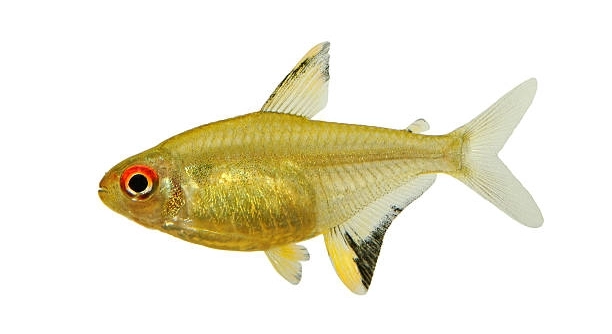
Lemon tetras are small, bright fish that brighten any aquarium. Observing them can be rewarding, especially when they display signs of comfort and safety in their environment. Understanding these behaviors helps you care for them better.
Lemon tetras exhibit subtle behaviors such as relaxed swimming, close group formations, and consistent feeding patterns, which indicate they feel safe in their surroundings. These cues reflect both environmental comfort and social security within the aquarium.
Recognizing these small details can improve your aquarium care and deepen your appreciation for your fish’s wellbeing.
Swimming Confidently in Open Spaces
Lemon tetras that feel safe often swim confidently in the open areas of the tank. They don’t cling nervously to plants or decorations but explore freely, moving in smooth, steady motions. Their fins are relaxed, not rigid or pressed close to their bodies. These fish may glide near the middle of the tank or even approach the surface without hesitation. Observing them navigate open spaces shows that the environment meets their comfort needs. Lighting, water quality, and temperature all play roles in making them feel secure. A calm environment without sudden disturbances encourages this confident swimming. Over time, the fish begin to establish familiar routes and patterns, which is a subtle but clear signal of comfort. Feeding times also become more relaxed, as they are willing to leave hiding spots to eat. This behavior is easy to spot if you spend a few quiet minutes watching your aquarium each day.
Swimming confidently indicates they are at ease and can navigate the tank safely.
Regularly monitoring their open-water movement allows you to notice stress signals early and adjust the tank setup to maintain a secure environment.
Staying Close Together
Lemon tetras often stay close together when they feel safe. Schooling tightly is a natural behavior that provides reassurance and social structure. They move as a group, turning and twisting almost simultaneously, showing coordinated behavior. This cohesion is comforting and reduces anxiety for each fish. A healthy, stable tank encourages this behavior, as the fish sense that threats are minimal. Grouping also helps them explore areas they might avoid alone. If one fish approaches a new object or area, others follow, showing trust in the environment and each other. Social interactions are also more visible; they nuzzle or swim in parallel without aggression. Maintaining consistent feeding routines, gentle water flow, and minimal sudden changes promotes this closeness. Observing their group patterns helps you understand their social comfort levels. Over time, these interactions can deepen your understanding of how your fish communicate safety and relaxation.
Feeling safe strengthens group cohesion and makes their movements predictable.
This strong social behavior reflects proper care and indicates the fish are comfortable with tankmates, feeding schedules, and environmental stability, which benefits both their physical and emotional health.
Eating Without Hesitation
Lemon tetras that feel safe eat openly and without hesitation. They swim confidently to food, snatching it quickly, and often return for more. Hesitant or hiding fish may indicate stress or discomfort in the tank.
Open eating habits show comfort in both environment and routine. Fish that feel secure are more likely to feed consistently and maintain healthy weight. They approach food without sudden darting or freezing, and even smaller pieces are grabbed promptly. Observing this behavior over several feedings can reveal subtle changes in comfort levels. Feeding together with the group further reinforces their social bonds and sense of safety. Proper water quality, gentle flow, and predictable feeding times all contribute to this relaxed eating. By noting when fish eat confidently, you can gauge overall tank health and detect issues before they escalate.
Confident eating also signals low stress, social security, and proper acclimation to tank conditions. Fish that feel unsafe may linger near hiding spots or avoid food entirely.
Interacting Calmly with Tankmates
Lemon tetras that feel safe interact calmly with tankmates, avoiding aggressive or fearful behaviors. They swim in parallel, follow one another, and display coordinated movements. This calm interaction is a clear signal of trust within the group.
When fish feel secure, social dynamics are balanced and predictable. Lemon tetras maintain gentle proximity, occasionally brushing fins without tension or chasing in frantic bursts. Calm interactions include synchronized swimming, gentle turns, and resting near each other without signs of stress. Fish that panic or scatter at minor disturbances may be signaling discomfort, while confident tetras maintain composure even when water conditions change slightly. Providing sufficient hiding spots, stable water parameters, and consistent feeding helps reinforce these behaviors. Over time, the group’s harmony becomes more evident, with each fish understanding its place and feeling secure in the environment.
This calm social behavior also supports overall health and reduces energy wasted on stress. Properly integrated tankmates thrive alongside lemon tetras, encouraging natural behavior patterns.
Resting in the Open
Lemon tetras that feel safe often rest in open areas without hiding. Their bodies remain relaxed, and fins are gently spread. Hiding frequently can indicate discomfort or stress in the tank environment.
Open resting shows confidence and trust in their surroundings. Fish that rest visibly are less stressed, comfortable with tankmates, and accustomed to water conditions. Consistent rest in accessible areas indicates a stable and secure environment.
Exploring New Areas
When lemon tetras feel secure, they explore new areas of the tank without hesitation. They investigate plants, decorations, and corners with curiosity while staying near the group for reassurance. Exploration is smooth, without frantic movements or sudden retreats.
Responding Calmly to Light Changes
Lemon tetras that feel safe respond calmly to changes in lighting. They may slow down briefly or adjust position but do not dart or panic, showing confidence in their environment.
How can I tell if my lemon tetras feel safe in the tank?
You can tell by observing their behavior closely. Lemon tetras that feel safe swim confidently in open areas, stay close to their group, and eat without hesitation. Their fins are relaxed, and they explore the tank calmly. Panic swimming, hiding, or freezing are signs of stress.
Why do lemon tetras school tightly when they feel secure?
Schooling provides safety and social reassurance. When lemon tetras feel safe, they move together in coordinated patterns without aggression. They follow one another, mirror movements, and maintain gentle proximity. This behavior shows trust in their environment and in each other. Fish that scatter or separate often feel stressed or threatened.
Is calm interaction with tankmates a good sign?
Yes, calm interactions indicate a healthy, secure group dynamic. Lemon tetras that feel safe swim together in parallel, occasionally touch fins gently, and do not chase aggressively. Balanced social behavior reduces stress, conserves energy, and supports long-term health. Aggressive or frantic movements may indicate environmental issues.
How important is confident feeding behavior?
Confident feeding is a strong sign of comfort. Fish that feel safe approach food directly, eat without hesitation, and return for more. They do not dart away or linger near hiding spots. Consistent feeding behavior shows that the tank environment, water quality, and routine support their wellbeing.
Can lemon tetras rest in the open without fear?
Yes, resting visibly in open areas is a key indicator of safety. Fish that feel secure remain relaxed while resting, with fins gently spread. Frequent hiding or tight clustering may suggest discomfort. Proper acclimation, stable water conditions, and a calm environment encourage open resting.
How do lemon tetras respond to minor changes in lighting?
Safe lemon tetras respond calmly to light changes. They may pause briefly or adjust position but do not panic or dart around the tank. This behavior demonstrates confidence in their surroundings and a sense of security. Sudden, frantic movements may signal stress or poor acclimation.
What environmental factors help lemon tetras feel safe?
Stable water temperature, gentle flow, consistent feeding, and adequate hiding spots are essential. Balanced tankmates and proper lighting also contribute. These factors create a predictable environment where lemon tetras can exhibit natural behaviors such as exploring, schooling, feeding, and resting. Stress often arises from sudden changes or overcrowding.
Can I tell if one fish is less safe than others?
Yes, subtle differences are noticeable. A fish that lingers near hiding spots, avoids food, or isolates itself from the group may feel less secure. Observing behavior over time allows you to identify which fish need additional support, such as more cover or calmer surroundings.
Do lemon tetras show signs of safety through color or fin movement?
Yes, healthy lemon tetras with secure behavior often display vibrant colors and relaxed fins. Fins that are clamped or dull coloration can indicate stress. Vibrancy and smooth fin movement reflect comfort in both social interactions and environmental conditions.
How can I maintain long-term safety for lemon tetras?
Maintaining safety involves routine water checks, stable temperature, predictable feeding, and monitoring social dynamics. Observing behavior daily helps detect early signs of stress. Providing a balanced, low-stress environment encourages natural schooling, confident exploration, and calm resting, ensuring the fish remain healthy and comfortable.
This approach emphasizes attention to both social behavior and environmental stability, allowing you to recognize subtle signs of comfort and address concerns promptly.
Final Thoughts
Lemon tetras are small but sensitive fish that respond clearly to their environment. Observing their behavior is the best way to understand how safe they feel. When fish swim confidently in open areas, rest without hiding, and eat without hesitation, it shows they are comfortable and secure. Schooling tightly and interacting calmly with tankmates are also signs of trust in their surroundings. By paying attention to these behaviors, you can make adjustments to improve their wellbeing and ensure that they thrive. Small details, like relaxed fins, gentle movements, and consistent routines, reveal a lot about their comfort levels. These behaviors may seem subtle, but they provide a window into how your fish experience their environment. Providing a stable, low-stress aquarium allows lemon tetras to express their natural behaviors fully, which is rewarding to observe.
Creating a safe and comfortable tank requires attention to water quality, temperature, and flow, as well as the right amount of plants and hiding spots. Lemon tetras respond positively to predictability in their environment, so regular feeding schedules and minimal sudden changes help them feel secure. Their reactions to changes, such as light adjustments or new decorations, can indicate whether the tank is meeting their needs. Calm and confident behaviors reflect a well-maintained aquarium that supports both social and individual comfort. Observing their feeding patterns, swimming habits, and social interactions over time helps identify potential stressors before they become serious issues. A tank where lemon tetras feel safe encourages natural behaviors, reduces energy spent on stress, and improves overall health.
Focusing on these subtle signals strengthens your ability to care for lemon tetras effectively. When fish feel secure, they are more likely to thrive and display natural behaviors, creating a lively and harmonious tank. Attention to their group dynamics, eating habits, and resting patterns provides insight into their wellbeing and helps maintain a balanced environment. Ensuring proper tank conditions and observing fish behavior regularly are key to their long-term health. Safe and comfortable lemon tetras are vibrant, active, and engaging, which makes caring for them more enjoyable. By maintaining a calm, consistent, and supportive environment, you can encourage natural behaviors that indicate trust and security, making your aquarium a place where the fish flourish naturally.

Hello,
If you enjoy the content that we create, please consider saying a "Thank You!" by leaving a tip.
Every little bit helps us continue crafting quality advice that supports the health, happiness, and well-being of pets around the world, for pets of all shapes, sizes, and species.
We really appreciate the kindness and support that you show us!