
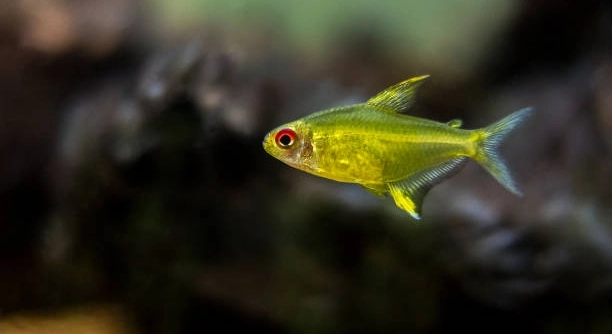
Do you ever find yourself watching your lemon tetra act differently, noticing small changes in its behavior that make you pay closer attention to its wellbeing during your daily care routine in the aquarium today.
Recognizing early signs of illness in lemon tetra is important because small behavioral or physical changes can reveal developing health problems. Early identification allows timely intervention, supports better recovery, and helps maintain a stable environment that protects overall aquarium health.
These early signals can guide you toward understanding what your fish needs, encouraging care choices that support a healthier life.
Changes in Behavior
When lemon tetra begin acting differently, the shift often becomes clear during simple routines like feeding or watching them swim. You might notice slower movements, reduced interest in food, or more time spent hiding than usual. These changes can appear subtle, yet they often point to discomfort or stress building in the tank. A normally active fish that suddenly keeps to itself might be reacting to water issues or the early stages of illness. Paying attention to these small differences can help you react quickly and adjust the environment before the situation worsens. Observing how your fish interacts with others in the tank also provides helpful clues, since sudden aggression or isolation can signal something is not right. Consistent behavior tracking makes it easier to notice when something feels off, allowing you to support your tetra with timely care and prevent future problems from growing unnoticed. These signs matter greatly.
Behavioral shifts often appear early and give you a clear view of your lemon tetra’s state, helping you respond faster. Small changes can signal stress, irritation, or illness, making quick action useful. Staying aware of patterns keeps your fish safer and supports better conditions in the tank overall each day.
Watching how your lemon tetra moves can reveal the first hints of trouble developing in the tank. Sluggish swimming, drifting away from the group, or staying near the bottom for long periods often shows discomfort building. You might also notice sudden bursts of energy that stop quickly, leaving the fish still and quiet afterward. These signs can appear mild but indicate stress from water quality shifts, poor diet, or early infection. Paying attention to these changes allows you to adjust care before the condition grows. Your steady awareness helps protect your fish and keeps the aquarium environment balanced and stable.
Physical Symptoms to Watch
Physical changes often appear when your lemon tetra experiences early health problems, and these signs can help you act quickly. Faded color, torn fins, or a slight bloated look may point to developing issues. Prompt attention makes recovery easier and keeps the tank stable for all fish to stay well.
Noticing physical symptoms early can make a meaningful difference in your lemon tetra’s overall condition. Changes in color are often the first signs you will see, especially when the bright hues begin to dull or fade unevenly across the body. This shift can signal stress from water imbalance, poor nutrition, or the start of infection. Torn fins also deserve close attention, as they can indicate fin rot or irritation from tank mates or rough decor. Swelling in the belly or around the gills can hint at internal concerns that need prompt care. Even small spots or patches on the skin may suggest parasites beginning to take hold, making early treatment important. Watching your fish during feeding helps you notice if it chews slowly, spits out food, or avoids eating entirely, which often appears when something feels wrong. Swimming patterns may change, with slight wobbling or difficulty maintaining balance showing developing discomfort. Checking these details regularly keeps you aware of changes and allows you to react quickly when something looks different. A consistent routine built around observation, feeding, and gentle maintenance helps you catch physical symptoms before they grow, keeping the aquarium safer and supporting better long-term health for your tetra.
Changes in Eating Habits
Reduced appetite often appears early when a lemon tetra feels unwell, and even small shifts can matter. Ignoring food, eating slower than usual, or grabbing food then dropping it can signal stress or discomfort that needs attention before the issue becomes more serious.
Loss of appetite can come from problems with water quality, hidden infection, or digestive strain. When your lemon tetra begins approaching food cautiously, chewing weakly, or drifting away during feeding, it often signals that something is bothering its system. Sudden changes in feeding behavior should be taken seriously because consistent eating supports immunity, color, and activity. Watching how quickly your fish approaches food and whether it competes normally with tank mates helps you catch issues early. A quiet fish hanging back during feeding can show rising stress, irritation, or internal imbalance. Careful observation allows you to respond quickly and protect its overall condition.
Noticing how your lemon tetra reacts to feeding helps you understand developing issues before they become difficult to manage. If the fish spits food out repeatedly, avoids food completely, or chews weakly before drifting away, the behavior may reflect internal problems that need attention. Slow or inconsistent feeding can point to digestive discomfort or early infection, especially when combined with other signs like dull color or low activity. Adjusting the tank environment, improving water quality, or offering easier to digest foods can help. Paying attention to changes during mealtime keeps you aware of your fish’s needs and supports faster recovery.
Abnormal Swimming Patterns
Strange swimming behavior can indicate early trouble, especially when your lemon tetra struggles to stay balanced or moves in unusual ways. Tilted swimming, sudden bursts followed by stillness, or drifting away from the group often shows discomfort that needs attention.
These unusual movements often happen when your lemon tetra faces stress from poor water quality or developing health concerns. Tilted swimming can reflect problems with the swim bladder, while wobbling or difficulty staying upright may suggest internal strain. A normally active fish that begins hovering near the surface or sinking slowly toward the bottom is often trying to cope with discomfort. Watching how your fish positions itself in the water helps you understand whether the issue is mild or growing. When paired with reduced appetite or fading color, abnormal swimming can signal a condition that needs prompt care. Keeping the tank stable and feeding high quality food supports improvement.
Breathing Difficulties
Rapid gill movement, gasping near the surface, or struggling to maintain normal rhythm often shows your lemon tetra is under stress. These signs usually appear early and can point to issues in the tank that need attention before they worsen.
When breathing changes suddenly, it often means oxygen levels are low or water quality is slipping. Even mild imbalance can make your fish work harder to breathe. Watching how often your tetra rises to the surface helps you understand how quickly you need to act.
Unusual Lethargy
When your lemon tetra begins moving slowly, avoiding interaction, or staying in one spot for long periods, it often signals growing discomfort. Lethargy can come from stress, infection, or poor conditions in the tank. A normally energetic fish that becomes inactive needs close attention. Early recognition makes support easier and helps prevent the problem from spreading to other fish in the tank. Stable water, gentle lighting, and reduced stress can help your fish regain its usual energy.
Clamped Fins
Fins held tightly against the body often show your lemon tetra is reacting to discomfort or irritation. This sign can appear early and should be taken seriously so you can adjust conditions and support your fish before problems develop further.
How can I tell if my lemon tetra is sick?
You can usually spot illness by watching for small changes in behavior or appearance. Reduced swimming, faded color, clamped fins, or loss of appetite are strong indicators. Breathing difficulties or unusual hiding habits also point to stress or potential disease. Early observation is key for timely care.
What should I do if my lemon tetra stops eating?
Loss of appetite often signals stress, water issues, or early infection. Check water temperature, pH, and cleanliness first. Try offering varied foods like high-quality flakes, frozen or live options. Monitor eating habits closely, and separate a sick fish if needed to prevent spreading illness.
Why is my lemon tetra swimming abnormally?
Abnormal swimming patterns, like tilting, wobbling, or drifting, often suggest swim bladder problems, internal stress, or water issues. Observe if it occurs alongside other symptoms such as lethargy or clamped fins. Maintaining stable water quality and reducing stressors often helps recovery.
How do I know if my tank water is affecting my fish?
Water quality has a direct impact on health. Signs of poor water include rapid gill movement, gasping at the surface, faded colors, or frequent hiding. Regular testing for ammonia, nitrites, nitrates, and pH is essential. Partial water changes can improve conditions and prevent disease.
Can lemon tetras recover from early illness?
Yes, many fish recover if the problem is caught early. Adjusting water quality, ensuring proper nutrition, and reducing stress can support healing. Some infections may require specific treatments, so careful observation and timely action are critical. Recovery is much harder once severe symptoms appear.
When should I isolate a sick lemon tetra?
Isolation is necessary if a fish shows severe signs such as clamped fins, extreme lethargy, rapid breathing, or visible spots. Quarantine prevents spreading illness to other tank mates and allows you to treat the fish in a controlled environment.
Are changes in color normal for lemon tetras?
Fading or patchy color is usually a warning sign rather than normal variation. Stress, poor water conditions, or disease often cause this. If the color loss is gradual or paired with other symptoms like clamped fins or loss of appetite, immediate attention is recommended.
What foods help a sick lemon tetra recover?
Easily digestible foods like high-quality flakes, frozen bloodworms, or brine shrimp support recovery. Avoid overfeeding, which can worsen water quality. Smaller, more frequent meals often encourage eating in stressed or sick fish, improving strength and immune response.
Can stress alone make my lemon tetra sick?
Yes, stress from overcrowding, aggressive tank mates, or sudden environmental changes can weaken immunity and trigger illness. Minimizing stress through stable water conditions, proper tank setup, and compatible tank mates is essential to prevent disease.
How often should I monitor my lemon tetra for signs of illness?
Daily observation is ideal. Spending just a few minutes each day watching swimming patterns, appetite, and fin condition can help catch early signs. Quick detection allows intervention before illness worsens and keeps the tank healthier overall.
What are common preventable causes of sickness?
Poor water quality, improper diet, and overcrowding are leading causes. Routine maintenance, balanced nutrition, and observing social behavior help prevent many health issues. Consistency in care and monitoring helps your lemon tetras stay healthy longer.
Is it necessary to consult a vet for small symptoms?
For minor early signs, improving water conditions and monitoring can often suffice. If symptoms persist, worsen, or multiple fish are affected, consulting an aquatic veterinarian ensures proper diagnosis and treatment, especially for infections or parasitic issues.
Can lemon tetras live with other fish if one is sick?
Sick fish should be separated to prevent disease spread. Healthy fish generally tolerate each other well, but introducing illness can quickly affect the entire tank. Quarantine and treatment of the sick individual protect the remaining fish and maintain a balanced environment.
How long does it take for a lemon tetra to recover?
Recovery time varies depending on the issue and how early it’s detected. Mild stress or minor illness may resolve within a few days, while infections or internal problems can take weeks. Consistent care, clean water, and proper feeding significantly improve recovery chances.
Are there signs that indicate the illness is severe?
Severe signs include extreme lethargy, constant hiding, labored breathing, clamped or deteriorating fins, bloating, or visible white spots. These require immediate attention, as advanced illness can quickly become fatal without intervention. Acting early improves outcomes and reduces the risk to other fish.
How can I prevent my lemon tetra from getting sick in the future?
Maintain stable water conditions, perform regular tank cleaning, feed a varied diet, and avoid sudden environmental changes. Observing behavior daily and reacting to small changes prevents many common illnesses. Proper tank setup and compatible tank mates also reduce stress and disease risks.
Is quarantine always necessary for new fish?
Yes, quarantining new arrivals for at least two weeks helps prevent introducing illness. Observing new fish for abnormal behavior, color changes, or feeding issues before adding them to the main tank protects your established tetras. Early detection prevents outbreaks and keeps the community healthy.
What role does water temperature play in health?
Temperature directly affects metabolism and immunity. Sudden fluctuations or extremes can stress lemon tetras, lowering resistance to disease. Maintaining a consistent, appropriate temperature range supports normal behavior, healthy appetite, and resilience against infections. Checking the heater and monitoring daily prevents problems.
Can my lemon tetra recover without medication?
Many mild conditions improve with clean water, reduced stress, and proper feeding. However, bacterial or parasitic infections often require targeted treatment. Observing progression is critical. Early interventions like environmental adjustments may eliminate the need for medication if detected promptly.
What are subtle signs I might miss?
Tiny changes, like slight color fading, brief hiding, slower feeding, or brief irregular swimming, are often overlooked. These subtle shifts are early warnings that give you the best chance to intervene. Paying attention to normal patterns makes spotting these signs easier.
How do I know if my tetra’s fins are healthy?
Healthy fins are open, symmetrical, and free of tears, spots, or clamping. Clamped or ragged fins, discoloration, or slow movement often indicate stress, infection, or injury. Observing fins during rest and swimming helps identify potential problems early, allowing corrective action before serious illness develops.
Are lemon tetras prone to certain diseases?
Yes, they are susceptible to fin rot, ich, swim bladder issues, and stress-related illnesses. Most are preventable with stable water, proper feeding, and careful monitoring. Awareness of common illnesses allows early detection, reducing severity and supporting recovery.
How does tank cleanliness affect health?
Accumulated waste, uneaten food, and inconsistent water changes increase ammonia and nitrites, stressing fish and weakening immunity. Regular cleaning, testing water, and partial water changes keep the environment safe and reduce the chance of disease. Consistency in maintenance is key to healthy tetras.
What is the best way to introduce treatments?
Follow manufacturer instructions or vet guidance carefully. Gradually adding medication ensures the correct dosage and prevents sudden stress. Observe your fish’s response, remove uneaten food, and maintain clean water during treatment to support effectiveness and recovery.
How can I support recovery after illness?
Provide clean, stable water, nutritious food, and minimal stress. Observe swimming, appetite, and color changes daily. Avoid overcrowding and monitor tank mates to prevent secondary problems. Gentle care combined with environmental stability improves healing and strengthens immunity.
How long should I monitor a recovering fish?
Continue daily observation until normal behavior and appearance return. Even after improvement, maintain clean water and consistent feeding. Some subtle issues can persist, so careful monitoring ensures lasting recovery and helps prevent relapse or secondary illness.
Caring for lemon tetras can feel simple at first, but small details often make a big difference in their health. Observing behavior, appetite, and physical appearance daily is one of the easiest ways to notice early signs of illness. Even minor changes, like slightly faded colors, clamped fins, or slower swimming, are worth paying attention to. By watching your fish closely, you can catch problems before they become serious. This kind of careful attention also helps you understand your tetras better and makes maintaining a healthy tank more predictable. Regular checks don’t need to take long, just a few minutes each day while feeding or cleaning can give you valuable insight into their wellbeing.
Water quality is one of the most important factors in keeping lemon tetras healthy. Stable temperature, correct pH, and low ammonia and nitrite levels are critical. Even small fluctuations can stress your fish, reduce immunity, and increase the chance of illness. Performing regular partial water changes and using a reliable filter keeps conditions consistent and safe. It’s also helpful to keep track of your tank maintenance routine so that you can quickly identify any changes that may affect your tetras. Clean water, combined with proper feeding and observation, creates a strong foundation for your fish to thrive. Stress from overcrowding, rough tank mates, or sudden changes can affect health just as much as water quality, so maintaining balance in all aspects of the tank matters.
Supporting your lemon tetras through illness or preventing problems requires patience and careful attention. Providing a varied diet with easily digestible foods strengthens their immune system and keeps energy levels steady. When you notice early signs of sickness, acting quickly with simple measures like adjusting water conditions, reducing stress, and isolating sick fish can make a big difference. Even mild problems can become serious if ignored, so early intervention is essential. Over time, observing behavior and learning how your tetras respond to their environment builds confidence in caring for them. Consistency in routine, attention to small changes, and maintaining a stable, clean tank are the keys to keeping lemon tetras healthy and active, helping them live longer and more comfortable lives in your aquarium.

Hello,
If you enjoy the content that we create, please consider saying a "Thank You!" by leaving a tip.
Every little bit helps us continue crafting quality advice that supports the health, happiness, and well-being of pets around the world, for pets of all shapes, sizes, and species.
We really appreciate the kindness and support that you show us!