
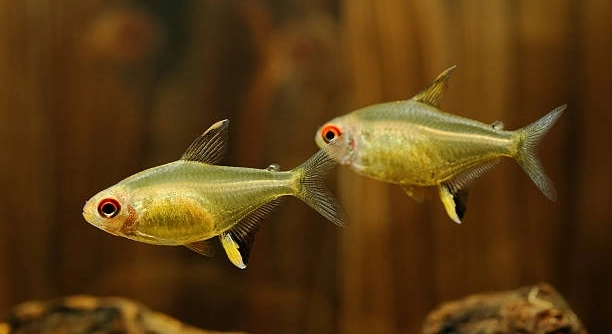
Do you ever find yourself setting up a new aquarium and wondering if your Lemon Tetras can thrive immediately? These small, bright fish are popular for their color and activity, making them a favorite for home tanks.
Lemon Tetras are sensitive to water conditions and generally do not adapt well to uncycled tanks. Sudden exposure to high levels of ammonia or nitrites can cause stress, illness, or death. Properly cycling the tank is essential for their long-term survival.
Understanding the risks and requirements of uncycled tanks can help you make better choices for your fish and their environment.
Why Lemon Tetras Struggle in Uncycled Tanks
Lemon Tetras are delicate fish that require stable water conditions to thrive. In an uncycled tank, ammonia and nitrite levels can spike quickly, which is toxic to them. Even small amounts of these compounds can stress the fish, leading to weakened immune systems and increased susceptibility to disease. These fish are accustomed to the consistency provided by a fully cycled aquarium. Temperature fluctuations, pH swings, and other unstable conditions make it harder for them to adapt. Many hobbyists underestimate how quickly an uncycled tank can become hazardous, thinking that frequent water changes alone are enough. However, water changes cannot fully compensate for the lack of beneficial bacteria that process waste. Patience is key when setting up a new tank, as the nitrogen cycle is critical for the health of Lemon Tetras. Providing hiding spots and maintaining gentle filtration can help reduce stress, but the tank must still be cycled for long-term survival.
Even with careful monitoring, uncycled tanks remain risky for Lemon Tetras. Stress can appear rapidly and often goes unnoticed until serious damage occurs.
Setting up a new aquarium without cycling it may seem convenient, but it puts Lemon Tetras at a real disadvantage. The nitrogen cycle converts harmful compounds into less toxic forms, a process that naturally establishes a safe environment. Skipping this step forces the fish to endure fluctuating ammonia and nitrite levels, which can result in illness or death. Stress from poor water conditions can manifest as loss of appetite, faded colors, or erratic swimming. While water changes and gentle filtration help, they cannot replace the stability provided by a fully cycled tank. By waiting for the cycle to establish, hobbyists ensure that the tank has enough beneficial bacteria to process waste efficiently. This not only improves survival rates but also creates an environment where Lemon Tetras can display natural behaviors. Understanding the importance of cycling helps prevent unnecessary losses and creates a healthier, more vibrant aquarium overall.
Steps to Safely Introduce Lemon Tetras
Start by testing water regularly to track ammonia, nitrite, and nitrate levels. A fully cycled tank shows zero ammonia and nitrites.
Once the tank is stable, introduce Lemon Tetras gradually. Adding a few at a time allows the beneficial bacteria to adjust to the new bio-load. Monitor the fish closely during the first week for signs of stress, such as lethargy or hiding. Consistent feeding with high-quality food supports their immune system. Keeping the tank slightly dim and providing plants or decorations gives the tetras safe areas to reduce anxiety. Avoid overcrowding, as this increases waste and can overwhelm the cycle. Regular water testing and partial water changes will maintain stable conditions. By taking these precautions, Lemon Tetras can adapt successfully and thrive in their environment, showing off their vibrant color and natural schooling behavior.
Signs of Stress in Lemon Tetras
Lemon Tetras often show stress through unusual behavior or physical changes. Common signs include hiding constantly, swimming erratically, faded colors, and loss of appetite. Stress can escalate quickly if water conditions remain poor, making early detection important for their well-being.
Faded coloration is one of the first visible indicators of stress in Lemon Tetras. When water quality is unstable, their vibrant yellow hue dulls, signaling discomfort. Erratic swimming patterns, such as darting or staying near the surface, also point to poor conditions. Reduced appetite is another clear sign that the fish is struggling to adapt. Observing these behaviors allows for timely intervention, including water testing and adjustments, helping to prevent more serious health problems. Providing hiding spots and consistent care can also reduce stress and help the tetras regain normal behavior.
Behavioral changes are often subtle at first. Lemon Tetras may isolate themselves or become less active, which can easily be overlooked. Over time, stress can weaken their immune system, making them vulnerable to disease. Keeping a close eye on group dynamics is helpful, as stressed fish may show aggression or fail to school properly. Maintaining stable temperature, pH, and gentle filtration supports recovery. Regular monitoring ensures that adjustments can be made before conditions become dangerous, giving Lemon Tetras the best chance to thrive in a new or recovering tank.
Preparing an Uncycled Tank Safely
Partial water changes and careful monitoring can reduce risk when introducing Lemon Tetras to an uncycled tank. Frequent testing helps catch harmful spikes early, preventing serious damage.
Using ammonia-neutralizing products can temporarily lower toxin levels while beneficial bacteria establish. Start with a small group of tetras to avoid overwhelming the tank. Introduce plants and hiding spots to reduce stress, as they provide safe areas for the fish to retreat. Keep feeding light and consistent to avoid adding excess waste, which could spike ammonia. Observation is key; any signs of distress should prompt immediate action, including water adjustments or additional cycling support. Patience and careful planning ensure that Lemon Tetras have a safer environment to adapt to.
Gradually increasing the number of fish helps the tank adjust without causing sudden water quality changes. Beneficial bacteria need time to process the added waste efficiently. Overloading the tank can lead to rapid ammonia or nitrite spikes, which are dangerous for Lemon Tetras. Maintaining a regular testing schedule ensures that water parameters remain safe as the tank stabilizes. Combining plant cover, gentle filtration, and light feeding creates a more forgiving environment. Following these steps reduces the likelihood of stress and promotes healthy adaptation, helping Lemon Tetras display their natural vibrant colors and active schooling behavior.
Water Parameters to Watch
Ammonia, nitrite, and nitrate levels must be closely monitored in a new tank. Lemon Tetras are sensitive to even small fluctuations, making regular testing essential for their survival.
Temperature and pH should remain stable. Sudden changes can stress the fish, affecting their immune system and behavior.
Feeding Tips for Lemon Tetras
Feed small amounts two to three times daily to prevent leftover food from polluting the water. High-quality flake or micro-pellet food works best for these tiny fish.
Using Plants and Decorations
Live plants and decorations provide hiding spots, reducing stress and giving Lemon Tetras places to retreat. These additions also help maintain water quality and create a more stable environment.
Monitoring Fish Behavior
Observe swimming patterns, appetite, and coloration daily. Early detection of stress or illness allows for prompt adjustments to water conditions or tank setup, ensuring healthier adaptation.
Can Lemon Tetras survive in an uncycled tank?
Lemon Tetras can survive short-term in an uncycled tank, but it is risky. Without established beneficial bacteria, ammonia and nitrite can spike quickly. Even small amounts of these toxins stress the fish, weaken their immune system, and can cause death. Survival depends on frequent water changes and careful monitoring, but this is not a long-term solution. A fully cycled tank is the safest way to keep them healthy.
How long does it take to cycle a tank for Lemon Tetras?
Cycling a tank usually takes four to six weeks. During this time, beneficial bacteria establish in the filter and substrate to convert ammonia into nitrite and then nitrate. Regular testing of ammonia, nitrite, and nitrate is essential to track progress. Patience is key, as adding fish too early can overwhelm the system. Maintaining stable temperature, moderate lighting, and minimal disruption helps the cycle complete efficiently.
Can I use bottled bacteria to speed up cycling?
Bottled bacteria can help establish a cycle faster, but results vary. These products introduce live cultures that convert ammonia and nitrite more quickly than waiting naturally. They are useful for reducing initial stress on Lemon Tetras when adding them sooner. However, they are not a complete substitute for proper cycling, and water testing remains necessary. Proper dosing and timing according to the instructions are important for effectiveness.
What water parameters are safest for Lemon Tetras?
Lemon Tetras prefer a temperature between 72–78°F and slightly acidic to neutral pH around 6.5–7.0. Ammonia and nitrite should always be zero, while nitrate should remain below 20 ppm. Maintaining these parameters consistently prevents stress, reduces illness risk, and helps the fish display vibrant colors and natural behavior. Frequent monitoring and small, consistent adjustments are better than large, sudden changes.
How should I introduce Lemon Tetras to a new tank?
Introduce Lemon Tetras gradually, especially in a newly cycled tank. Float the bag in the aquarium to acclimate them to temperature for 15–20 minutes. Then slowly add small amounts of tank water to the bag over 30–60 minutes. Finally, release them gently. Avoid overcrowding; starting with a few fish allows the tank to adjust to the bio-load without sudden spikes in ammonia or nitrite.
What signs indicate Lemon Tetras are stressed?
Stressed Lemon Tetras often hide, swim erratically, or stay near the surface. Faded color and loss of appetite are common signs. Stress weakens their immune system, making them more prone to disease. Early detection allows prompt intervention, such as water testing, adjusting feeding, or providing more hiding spots to reduce anxiety.
Can water changes alone keep an uncycled tank safe?
Frequent water changes can temporarily reduce ammonia and nitrite levels but do not replace a full nitrogen cycle. They provide a short-term solution while beneficial bacteria establish but require careful monitoring and consistency. Over-reliance on water changes can mask underlying instability and put Lemon Tetras at risk.
Are live plants helpful for Lemon Tetras in uncycled tanks?
Yes, live plants help absorb some waste and provide hiding spots, reducing stress. Fast-growing plants can slightly improve water quality by taking up nitrates, but they cannot replace the nitrogen cycle. Plants also make the environment feel safer for Lemon Tetras, encouraging natural schooling and activity.
What should I feed Lemon Tetras in a new tank?
Feed small portions two to three times daily using high-quality flake or micro-pellet food. Overfeeding increases waste and spikes ammonia. Balanced feeding ensures the fish get proper nutrients without overloading the tank, supporting their immune system and reducing stress while the tank stabilizes.
How many Lemon Tetras can I safely add at once?
Start with a small group to prevent overwhelming the tank’s bacteria population. Once the tank stabilizes and water parameters are safe, gradually add more fish. Overloading a new or recently cycled tank can cause ammonia or nitrite spikes, putting all fish at risk. Monitoring and patience are essential.
This FAQ covers the essential questions about keeping Lemon Tetras in new or uncycled tanks, emphasizing careful monitoring, gradual introduction, and maintaining stable water conditions.
Lemon Tetras are small, active, and colorful fish that bring life to any aquarium, but they are sensitive to water conditions and require a stable environment to thrive. Introducing them to an uncycled tank is risky because ammonia and nitrite levels can rise quickly, causing stress or illness. While some short-term survival is possible with frequent water changes and careful monitoring, this approach is not sustainable for their long-term health. The nitrogen cycle is a natural and essential process that converts harmful compounds into less toxic forms, creating a safe habitat for fish. Waiting for a tank to cycle fully allows beneficial bacteria to establish, which helps maintain water quality and reduces the likelihood of health problems. This step may seem slow or inconvenient, but it provides the foundation for a stable and thriving aquarium. By prioritizing cycling, you are giving Lemon Tetras the best chance to display their vibrant colors, active schooling behavior, and natural habits without unnecessary risk.
Creating a suitable environment for Lemon Tetras also involves consistent attention to water parameters and tank conditions. Temperature, pH, and hardness should remain stable, as even small fluctuations can stress these delicate fish. Observing their behavior daily is important; changes in appetite, coloration, or swimming patterns often indicate stress or water quality issues. Live plants and decorations are not just for aesthetics—they provide hiding spots and reduce anxiety, helping the fish feel secure in their surroundings. Feeding small, balanced portions prevents excess waste, which could otherwise spike ammonia or nitrite levels. Gradual introduction of new fish allows the beneficial bacteria to adapt to the increased bio-load without overwhelming the tank. Following these steps ensures that Lemon Tetras have a consistent, safe, and supportive environment, which promotes overall health and longevity.
Patience and preparation are key when keeping Lemon Tetras. Rushing the process or skipping the cycle can lead to unnecessary losses and health complications. A properly cycled tank, combined with careful feeding, observation, and maintenance, creates a stable environment that supports their natural behaviors. This approach may take more time and attention initially, but it ultimately results in healthier fish that thrive in a balanced ecosystem. Maintaining a tank for Lemon Tetras is a commitment to their well-being, but it is also rewarding as you watch them grow, school together, and display their vibrant colors. By focusing on stability, water quality, and thoughtful care, you can enjoy a lively and sustainable aquarium where Lemon Tetras can truly flourish.

Hello,
If you enjoy the content that we create, please consider saying a "Thank You!" by leaving a tip.
Every little bit helps us continue crafting quality advice that supports the health, happiness, and well-being of pets around the world, for pets of all shapes, sizes, and species.
We really appreciate the kindness and support that you show us!