
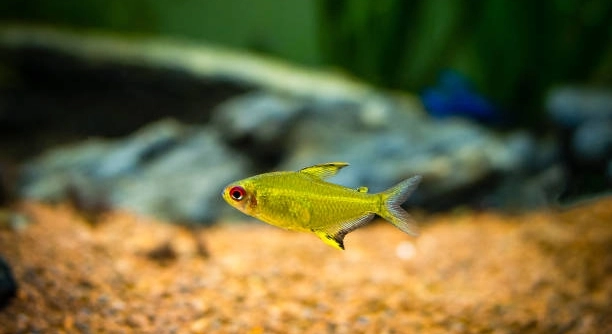
Lemon tetras are small, brightly colored fish often kept in home aquariums. They are admired for their peaceful nature and active swimming patterns, making them a pleasant addition to any freshwater tank environment.
Lemon tetras do not display affection toward owners in the way mammals or larger pets do. Their behaviors are driven by social interactions within their school and environmental responses, rather than emotional bonds or recognition of individual humans.
Observing their interactions within the tank can still be rewarding, as their movements and responses reveal much about their natural behaviors.
Understanding Lemon Tetra Behavior
Lemon tetras are naturally social fish that thrive in groups of six or more. Their interactions with each other are the main focus of their daily activity. In a well-maintained tank, they display coordinated swimming, occasional chasing, and subtle color changes that indicate mood or stress levels. These behaviors are natural and should be observed rather than interrupted. Tank size, water quality, and proper feeding all influence how active and vibrant they appear. Lemon tetras prefer calm, stable environments with plants and hiding spots that mimic their natural habitat. They rely on schooling for security, which makes them less likely to notice human presence in the way larger or more interactive pets might. Over time, owners may recognize patterns, but these are instinctive behaviors rather than personal attachments. Careful observation helps ensure the tetras remain healthy and that their tank environment meets their needs consistently. Their small size and delicate nature require attention to detail.
Tank conditions affect their activity, often more than owner interaction does. Proper setup is essential for health and vitality.
Watching their synchronized swimming and responses to tank changes can be relaxing. It highlights the importance of structure and care in keeping them healthy.
Can Lemon Tetras Recognize Their Owners
Lemon tetras do not recognize individual humans as owners. Their perception focuses on movement, light, and potential food sources rather than forming attachments.
While they may swim toward the front of the tank during feeding time, this is a response to food rather than an expression of affection. Their attention can be directed to sudden motions, shadows, or vibrations outside the tank, which may appear as interaction but is instinctual. Unlike mammals, lemon tetras lack the neurological capacity for emotional bonding with humans. Their interactions are primarily with their schoolmates, and maintaining a healthy, stable group is crucial for their wellbeing. Consistent feeding routines may cause them to anticipate food when you approach the tank, creating the illusion of recognition. Proper tank maintenance, including water quality, temperature, and compatible tank mates, ensures they display natural, stress-free behaviors. Observing these patterns allows owners to understand the tetras’ needs without expecting personal connection. Over time, understanding their cues can make care more intuitive and effective.
Signs of Comfort in Lemon Tetras
Lemon tetras show comfort by swimming calmly in groups and exploring the tank without sudden darting. They rest near plants or decorations and feed actively when food is offered. Calm, steady behavior indicates they feel safe and their environment meets their needs.
Healthy lemon tetras maintain bright coloration and consistent swimming patterns. They interact with tank mates without aggression and respond predictably to changes, like feeding or light adjustments. Hiding occasionally is normal, but constant frantic movements suggest stress. Watching these small behaviors helps gauge their wellbeing. Tank stability, proper filtration, and water parameters play a key role in ensuring they remain relaxed and display natural habits consistently.
Stress can be subtle in lemon tetras. Slight color fading or reluctance to swim openly may indicate discomfort. Ensuring proper tank conditions, including temperature, pH, and diet, minimizes stress and promotes steady, healthy behavior. Observing them closely over time helps anticipate needs and maintain a peaceful tank environment.
Feeding and Interaction Patterns
Lemon tetras respond quickly to feeding times, swimming toward food when it is introduced. They associate movement with meal times, showing consistent attention during feeding.
They are opportunistic feeders, consuming small flakes, micro-pellets, or live foods. Their schooling nature encourages synchronized feeding, which keeps all fish active and engaged. Overfeeding can lead to water quality issues and health problems, so controlled portions are necessary. While they do not recognize individuals, they learn routines and anticipate meals, creating patterns that appear interactive. Feeding at regular times encourages stable behavior and helps the tetras develop predictable activity cycles. Observing these patterns makes tank maintenance easier and ensures the fish remain healthy and active.
Interaction With Tank Environment
Lemon tetras explore plants, rocks, and open spaces calmly. They use hiding spots to feel secure and swim in the open when comfortable, showing balanced behavior.
Movement in the tank is mostly focused on schooling. They rarely react to owners unless food or sudden changes are present.
Recognizing Feeding Cues
Lemon tetras notice consistent feeding patterns and approach the front of the tank when food is introduced. They rely on routine to anticipate meals and maintain activity levels. Observing these cues allows owners to provide timely feeding while supporting healthy behavior and avoiding overfeeding issues that may affect water quality.
Schooling and Social Behavior
Schooling is essential for lemon tetras’ wellbeing. Fish stay close together, coordinating movements for safety and comfort. Aggression is rare, and a stable group reduces stress, making them more predictable and easier to maintain in home aquariums.
Tank Setup Considerations
Proper plants, hiding spots, and clean water support natural behaviors. A well-planned tank reduces stress and encourages healthy, calm activity among the tetras.
FAQ
Can lemon tetras show affection to humans?
Lemon tetras do not form emotional bonds with humans. Their behaviors focus on survival, schooling, and feeding. While they may swim toward the front of the tank when you approach, this is usually because they anticipate food rather than a display of affection. Their attention is based on movement and routine.
Why do lemon tetras swim to the front of the tank?
Swimming to the front is often a feeding response. Fish learn that movement near the tank often signals food. They may appear curious or interactive, but it is instinct-driven. Over time, they recognize patterns, creating the impression of interaction, which can be rewarding to watch.
How can I tell if my lemon tetras are healthy?
Healthy tetras display bright colors, active swimming, and consistent schooling behavior. They eat readily and explore the tank without signs of stress. Sudden darting, hiding for extended periods, or faded coloration may indicate water issues, illness, or stress. Proper diet, tank maintenance, and a stable environment are key.
Do lemon tetras recognize their owners over time?
They do not recognize individual humans. They respond to repeated stimuli, such as feeding routines or sudden movements. Regularly approaching the tank at feeding time may cause them to anticipate food, but this is a learned behavior, not recognition or affection.
Can they be stressed by human interaction?
Yes, excessive tapping on the glass, sudden movements, or loud noises can stress lemon tetras. Stress can cause color fading, erratic swimming, or illness. Maintaining a calm environment and avoiding sudden disturbances helps them feel secure and encourages natural behavior.
What is the ideal tank setup for lemon tetras?
A well-planted tank with hiding spots, stable water parameters, and space for schooling is ideal. Filtration and regular water changes prevent stress and disease. Proper tank setup supports natural behaviors and allows tetras to thrive without relying on human interaction.
How do lemon tetras behave in groups?
They rely on schooling for security. Coordinated swimming reduces stress and keeps them active. Groups display subtle hierarchy through positioning and movement, but aggression is rare. Observing their social interactions helps understand their comfort level and overall health.
What should I feed lemon tetras?
They eat flakes, micro-pellets, and small live foods. Feeding small portions several times a day maintains water quality and ensures all fish receive nutrition. Consistent feeding routines create predictable activity patterns, which can give the illusion of recognition when you approach the tank.
Can lemon tetras live with other fish?
Yes, they are peaceful and can coexist with other small, non-aggressive species. Tank mates should be similarly sized and calm to avoid stress. Proper observation is necessary to ensure compatibility and reduce conflicts that may affect schooling behavior.
How can I encourage natural behaviors in lemon tetras?
Provide plants, open swimming areas, and hiding spots. Maintain clean, stable water conditions and avoid sudden changes. Feeding routines and observing their schooling help you understand patterns without expecting personal interaction. These measures ensure the tetras remain active, healthy, and stress-free.
Are there signs they are unhappy or stressed?
Yes, stress manifests as constant hiding, faded color, erratic swimming, or refusing food. Tank conditions, water quality, and group dynamics should be checked if these behaviors appear. Timely intervention maintains health and encourages normal schooling and exploration.
Do they respond to lights or movement outside the tank?
Yes, lemon tetras are sensitive to changes in light, shadows, and movement. Responses are instinctual, often interpreted as curiosity. While it may feel interactive, it is a natural reaction to environmental changes rather than recognition or affection toward the owner.
How often should I observe lemon tetras?
Regular observation is important to detect stress, illness, or unusual behavior early. Short, consistent checks are sufficient. Watching them swim and interact provides insight into their health and ensures tank conditions support their natural habits.
Can lemon tetras bond with each other?
Yes, bonding occurs within the school. They rely on synchronized swimming for security and comfort. Social interaction between tetras reduces stress, encourages healthy activity, and supports overall wellbeing. This internal bonding is central to their behavior and survival.
What is the best way to interact with lemon tetras?
Interaction should be limited to feeding and tank maintenance. Sudden or excessive attempts to engage can stress them. Observing their behavior quietly and ensuring proper care allows owners to enjoy their patterns without expecting affection.
Do lemon tetras respond to music or sound?
They may react to vibrations in the water caused by loud sounds, but responses are instinctual, not emotional. Sudden noise can startle or stress them, so a calm, quiet environment is preferable to maintain healthy behavior.
How long do lemon tetras live in captivity?
With proper care, lemon tetras typically live three to five years. Stable water conditions, consistent feeding, and a peaceful school contribute to longevity. Monitoring their behavior and health ensures they thrive throughout their lifespan.
Can they recognize feeding routines over time?
Yes, they anticipate food based on repeated patterns. Approaching the tank at similar times encourages swimming to the front during feeding. This learned behavior may look like recognition, but it is based on habit rather than emotional connection.
Do tank decorations affect behavior?
Yes, plants, rocks, and hiding spots provide security and encourage exploration. A complex environment reduces stress, promotes natural swimming, and supports schooling behavior. Lack of structure can lead to stress, hiding, and erratic movements, affecting overall health.
Are lemon tetras sensitive to water quality?
Yes, they require clean, stable water with proper temperature, pH, and filtration. Poor water quality leads to stress, illness, and color fading. Regular testing and maintenance are essential to maintain healthy, active fish and support natural behaviors.
Lemon tetras are small, peaceful fish that bring color and movement to a freshwater tank. They are primarily social creatures, relying on their schoolmates for comfort and security. While they may swim toward the front of the tank when food is introduced, this behavior is instinctive rather than a display of affection toward humans. Understanding their natural tendencies is important for anyone keeping lemon tetras. By observing their swimming patterns, feeding responses, and interactions with their environment, owners can better support their health and wellbeing. Their behaviors are predictable when tank conditions are stable, making them enjoyable to watch without expecting emotional attachment. Consistent care and a calm, structured environment allow these fish to display their natural habits fully.
Providing a suitable tank setup is essential for lemon tetras to thrive. They do best in groups of six or more, with plenty of open swimming space and plants or decorations for hiding spots. Stable water parameters, including temperature, pH, and filtration, are critical to reducing stress and promoting healthy behavior. Feeding routines also play a role in their overall wellbeing. Offering small amounts of food several times a day encourages regular activity and prevents overfeeding, which can harm water quality. Observing how they respond to their environment allows owners to make small adjustments that keep the fish healthy and active. While lemon tetras do not bond with humans in a traditional sense, providing a secure, stimulating habitat ensures they display natural, stress-free behavior that can be satisfying to watch over time.
Focusing on their care and social needs provides a rewarding experience for anyone keeping lemon tetras. These fish are best appreciated for their bright colors, coordinated swimming, and calm interactions with each other. Recognizing that their behaviors are driven by instinct rather than personal attachment helps set realistic expectations and improves tank management. Regular observation, proper feeding, and a well-maintained environment create conditions where the tetras can flourish. Paying attention to their schooling, resting, and feeding patterns allows owners to monitor their health and detect issues early. Although they do not form emotional bonds with humans, lemon tetras still provide enjoyment through their activity and appearance. Ensuring their physical and social needs are met is the most effective way to maintain a peaceful, thriving aquarium.

Hello,
If you enjoy the content that we create, please consider saying a "Thank You!" by leaving a tip.
Every little bit helps us continue crafting quality advice that supports the health, happiness, and well-being of pets around the world, for pets of all shapes, sizes, and species.
We really appreciate the kindness and support that you show us!