
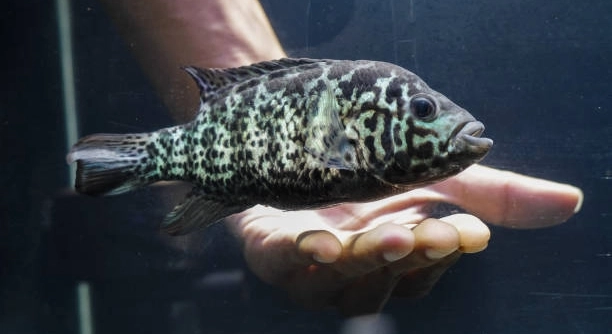
Do you keep Jack Dempsey fish and notice subtle behaviors that seem meaningful, yet confusing at first? Understanding how these cichlids express affection helps beginners build trust, reduce stress, and create a calmer aquarium environment.
Jack Dempsey fish show affection through calm swimming near familiar tank mates, reduced aggression, and gentle body positioning. These behaviors indicate recognition, comfort, and social bonding, often developing through consistent care, stable water conditions, and regular feeding routines over time.
Recognizing these gentle signals can transform daily fishkeeping, helping you nurture stronger bonds and a more peaceful, rewarding aquarium experience.
Common Affection Behaviors in Jack Dempsey Fish
I first noticed affection in Jack Dempsey fish through consistent, calm behaviors that repeated daily. These fish often swim slowly near tank mates they recognize, especially during feeding or quiet periods. They may hover without flaring fins, showing tolerance and ease. Some gently follow a familiar fish across the tank, keeping a short distance without chasing. This behavior reflects comfort rather than dominance. Jack Dempsey fish can also rest near each other, choosing the same hiding spots or open areas. When settled, their colors appear deeper and more even. Movements become smooth instead of sharp. Over time, these patterns become easy to spot. They do not happen instantly, but develop as the fish feels secure. Clean water, steady routines, and limited stress allow these affectionate signals to appear more often and remain consistent. Patience from the keeper supports this process and encourages long lasting stability within the aquarium space overall.
Affection often appears strongest during feeding times and calm lighting hours. I have seen fish relax their posture and remain visible instead of hiding. These moments suggest trust built through consistency, gentle maintenance, and predictable daily care. Such behavior becomes more frequent as stress levels remain low over time naturally.
Affection should never be confused with aggression, which is common in this species. Gentle interaction lacks fast lunges or fin damage. I learned to observe speed, spacing, and repetition. Affectionate behavior stays steady and calm. Aggression escalates quickly and disrupts the tank. Knowing this difference protects weaker fish. It also helps adjust stocking choices and tank layout. Providing visual barriers and personal space supports positive interaction. When the environment feels balanced, affectionate behavior becomes easier to recognize and maintain. This awareness improved my confidence and reduced losses caused by misreading early signals during routine observation periods in home aquariums everywhere.
Encouraging Affection Through Proper Care
Affection increases when care remains stable and intentional. I noticed changes after setting consistent feeding schedules and limiting sudden tank adjustments. Soft lighting, proper filtration, and steady temperatures help Jack Dempsey fish feel secure enough to express calm social behavior. These basics support long term comfort and predictability within tanks.
Tank setup plays a major role in how affection develops. A spacious aquarium reduces tension and allows fish to choose interaction freely. I prefer providing rocks, caves, and open swimming areas to support natural movement. This layout prevents constant confrontation and creates calm zones. Water quality must remain stable, as poor conditions often increase irritability. Regular testing and scheduled water changes support balanced behavior. Feeding high quality pellets and varied protein sources also matters. Well nourished fish display smoother movements and less defensive posture. Observation is essential. Spending a few minutes each day watching patterns helps identify positive interaction early. Avoid overcrowding, as limited space often disrupts bonding behavior. With patience and consistent care, affectionate behavior becomes a reliable sign of comfort rather than chance. Over time, these fish respond to routine presence and maintenance, reinforcing a peaceful tank dynamic that feels rewarding to maintain. This consistency helped me reduce stress responses and observe clearer social patterns. Stable care encourages fish to remain visible, relaxed, and less reactive. These changes make long term care more predictable and satisfying for keepers who value calm, structured aquariums. Consistency also supports healthier growth and balanced behavior over extended periods in captive environments overall.
Signs Your Jack Dempsey Fish Trust You
I noticed trust when my Jack Dempsey stayed visible during maintenance and did not retreat. Remaining calm near the glass, accepting food quickly, and maintaining relaxed fins are early indicators that the fish recognizes safety and routine through repeated daily care and predictable handling habits over extended observation periods consistently.
Trust develops through repetition rather than interaction. I learned that slow movements outside the tank reduce fear responses. Cleaning on a schedule, feeding at similar times, and avoiding sudden decor changes help establish predictability. When these patterns remain unchanged, Jack Dempsey fish stop reacting defensively. They begin to watch rather than flee. This behavior shows mental comfort rather than dependence. Consistency allows the fish to associate human presence with neutral outcomes. Over time, this association lowers stress hormones and supports balanced behavior. Trust is reflected in posture, swimming pace, and willingness to remain exposed within controlled aquarium environments over time.
I also noticed that trust weakens quickly if routines change too often. Skipped water changes, loud vibrations, or aggressive tank mates can reverse progress. Jack Dempsey fish respond by hiding, darkening in color, or pacing the glass. These are not signs of mood, but stress. Restoring trust requires returning to structure, not forcing interaction. I avoid tapping the glass or rearranging decor unnecessarily. Allowing the fish to reset at its own pace works best. Trust returns gradually when stability is restored and the environment feels controlled again. Time, patience, and consistency remain essential factors during recovery phases for recovery success.
When Affection Turns Into Breeding Behavior
Affection can shift during breeding periods, becoming more focused and intense. I observed closer following, shared space guarding, and coordinated movement near chosen areas. Colors often deepen, and both fish become less tolerant of others. This change reflects instinct rather than emotional bonding. Understanding this distinction helps prevent overcrowding stress and protects weaker tank mates during sensitive phases. Preparation behaviors often appear suddenly and remain consistent for several days in stable aquarium conditions with maturity.
Breeding related affection requires different management than general bonding. I learned to monitor aggression levels closely during these periods. Providing extra hiding spots and visual barriers becomes essential. Tank mates may need temporary separation to avoid injury. Feeding should remain regular, but overfeeding can increase territorial behavior. Water quality must stay stable, as fluctuations heighten stress responses. Observing body language helps determine intent. Tight circling, surface cleaning, and fixed positioning indicate spawning preparation. This behavior is purposeful and time limited. Once breeding concludes, social tolerance often improves. Recognizing this pattern prevents misinterpretation and supports safer aquarium management without unnecessary interference. I found patience important, allowing natural processes to finish without disruption while maintaining observation and consistent care routines throughout the breeding cycle for overall stability.
Avoiding Misinterpreted Affection
I learned that overhandling can confuse affection with stress in Jack Dempsey fish. Frequent glass tapping, sudden feeding changes, or chasing reactions often increase anxiety. These actions interrupt natural behavior and reduce trust, even when intentions seem harmless during daily tank interaction routines for both fish and keeper over time.
Affection should appear calm and voluntary, never forced. I avoid hand feeding or hovering movements that trigger defense. Allowing space encourages genuine comfort signals. When fish choose proximity without pressure, behavior remains stable, predictable, and healthier for long term care outcomes within well maintained home aquariums over extended periods consistently.
Tank Mates and Their Influence on Affection
Tank mates strongly influence how affection is expressed. I noticed calmer behavior when Jack Dempsey fish are paired with similarly sized, non aggressive species. Crowded tanks increase tension and limit social tolerance. Providing clear territories reduces conflict and allows relaxed interaction. Mixing overly passive fish often leads to stress rather than bonding. Observing compatibility matters more than stocking numbers. When tank mates respect space, affectionate behavior appears naturally and remains consistent. This balance supports healthier interaction patterns and lowers injury risk. Careful planning improves long term stability and reduces the need for constant intervention from the keeper in managed aquariums.
Environmental Factors That Support Calm Behavior
Lighting and tank placement affect daily behavior more than expected. I found reduced glare and steady light cycles helped Jack Dempsey fish remain visible and calm. Sudden shadows often trigger hiding. A predictable environment encourages relaxed movement and clearer signs of comfort over time within controlled indoor aquarium settings consistently.
Can Jack Dempsey fish feel affection toward humans?
Jack Dempsey fish do not feel affection in a human sense, but they can develop recognition and tolerance. I noticed mine reacting calmly to my presence after weeks of consistent care. This response comes from familiarity, not emotion. Regular feeding times, gentle maintenance, and predictable movement help the fish associate a person with safety. Over time, this reduces fear based reactions. The fish may remain visible, approach the glass, or swim calmly during routine tasks. These behaviors reflect comfort rather than attachment. Understanding this difference prevents unrealistic expectations and supports better care decisions.
How do Jack Dempsey fish show affection to other fish?
Affection between Jack Dempsey fish appears as tolerance and shared space. I observed calm swimming near specific tank mates without chasing or fin flaring. They may rest near each other or occupy the same area repeatedly. This behavior develops slowly and depends on environment stability. It is not constant and can change with stress or tank conditions. Unlike schooling fish, Jack Dempsey fish choose interaction selectively. When space, water quality, and compatibility align, these calm behaviors become more frequent. It is a sign of comfort, not dependence or submission.
Is chasing a sign of affection in Jack Dempsey fish?
Chasing is usually not affectionate behavior. I learned this after mistaking repeated following for bonding. True affection remains slow and non disruptive. Chasing often signals dominance, territory defense, or stress. If fins flare or speed increases, the behavior is aggressive. Affectionate interaction lacks sudden movement and does not cause hiding. Watching body language helped me separate these actions. Gentle proximity stays consistent and calm. Chasing escalates quickly. Recognizing this difference prevents injuries and helps adjust tank layout or stocking before problems grow.
Do Jack Dempsey fish become more affectionate with age?
Affection does not increase with age alone. It depends on stability and care. I noticed calmer behavior as my fish settled into a consistent routine. Maturity can reduce erratic movement, but poor conditions reverse progress at any age. Older fish may appear more relaxed because they have adapted to their environment. This is not emotional growth. Maintaining stable water parameters, proper space, and predictable feeding matters more than age. When these factors remain steady, affectionate behaviors appear more reliable over time regardless of the fish’s age.
Can poor water quality affect affectionate behavior?
Yes, water quality strongly affects behavior. I saw immediate changes when parameters shifted. Poor conditions increase irritability and hiding. Even small fluctuations can disrupt calm interaction. Affectionate behavior requires physical comfort. Clean water supports stable movement, clear coloration, and reduced stress responses. Regular testing and scheduled water changes help maintain this balance. Ignoring water quality often leads to aggression or withdrawal. Behavioral changes are often the first sign of discomfort. Addressing water issues restores normal patterns faster than adjusting social dynamics alone.
Is it normal for affectionate behavior to disappear suddenly?
Sudden changes are common and usually environment related. I experienced this after rearranging decor and skipping a water change. The fish became withdrawn and reactive. This was not mood related. Stress interrupts comfort signals quickly. Loud noise, lighting changes, or new tank mates can also cause this shift. Restoring routines helps recover behavior. I avoid forcing interaction during these periods. Allowing time and stability works better. Affection returns gradually once the fish feels secure again.
Should affectionate Jack Dempsey fish be kept in pairs?
Pairs can work, but only under the right conditions. I found that forced pairing often increases stress. Compatibility matters more than numbers. Some individuals tolerate others, while some prefer solitude. Large tanks with defined spaces improve success. Observing behavior before committing helps prevent issues. Pairing does not guarantee affection. In some cases, a single fish displays calmer behavior. Choosing based on space, temperament, and long term care ability leads to better outcomes than following a fixed rule.
Understanding how Jack Dempsey fish show affection helps set realistic expectations and improves daily care. Affection in these fish is not emotional in a human sense. It is based on comfort, recognition, and reduced stress. Calm swimming, tolerance of tank mates, and relaxed posture are signs that the environment meets their needs. These behaviors develop slowly and depend on consistency. Stable water quality, proper tank size, and predictable routines matter more than interaction. When these basics are in place, Jack Dempsey fish behave in ways that appear calm and settled. This is often mistaken for personality, but it reflects physical and environmental comfort. Observing behavior without forcing responses allows these signals to remain clear. Patience plays a major role. Rushing changes or expecting constant interaction often leads to stress rather than bonding.
Affection should always be viewed through the lens of behavior, not intention. Jack Dempsey fish respond to patterns, not emotions. I found that when routines stayed consistent, behavior stayed predictable. When routines changed, even slightly, behavior shifted quickly. This reinforces how sensitive these fish are to their surroundings. Tank setup, lighting, and stocking choices directly influence how safe the fish feels. Calm behavior does not mean the fish seeks attention. It means the environment supports its needs. Recognizing this distinction prevents overhandling and unnecessary adjustments. Many issues blamed on temperament are actually caused by stress or instability. Paying attention to subtle changes helps address problems early. This approach reduces losses and creates a more balanced aquarium. Care becomes easier when behavior is understood as feedback rather than reaction.
Keeping Jack Dempsey fish becomes more rewarding when expectations remain grounded. Affection appears as calm presence, not interaction. Trust shows through tolerance, not attachment. When care focuses on stability, these fish thrive and display their natural behavior. This includes periods of social tolerance, individual space, and occasional interaction that appears gentle. These moments should be observed, not encouraged. Allowing the fish to control distance builds long term comfort. Over time, this creates a predictable and peaceful tank. The goal is not to create affection, but to support conditions where stress stays low. When that happens, behavior becomes steady and easier to manage. Understanding these principles helps beginners avoid common mistakes and build confidence. It also leads to healthier fish and a more enjoyable aquarium experience overall.

Hello,
If you enjoy the content that we create, please consider saying a "Thank You!" by leaving a tip.
Every little bit helps us continue crafting quality advice that supports the health, happiness, and well-being of pets around the world, for pets of all shapes, sizes, and species.
We really appreciate the kindness and support that you show us!