
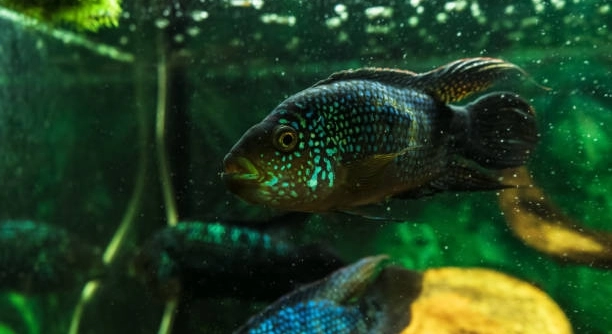
Jack Dempsey fish are popular for their bold colors and hardy nature in home aquariums. Proper oxygenation plays a role in their wellbeing, especially for keepers balancing equipment, space, and daily maintenance routines safely today.
Jack Dempsey fish can survive without air stones when adequate filtration creates sufficient surface agitation for gas exchange. However, prolonged low oxygen conditions increase stress and health risks, making consistent water movement and oxygen availability essential for long term stability.
Knowing how oxygen levels affect these fish helps aquarists make informed setup choices that support behavior and lasting aquarium health.
How Jack Dempsey Fish Breathe in Aquariums
Jack Dempsey fish rely on dissolved oxygen that enters the water through surface movement and filtration. Their gills extract oxygen as water passes over them, which means still water can slowly reduce available oxygen. In my experience, tanks with steady filter flow maintain healthier behavior and better appetite. Warm water, heavy feeding, and waste buildup all reduce oxygen levels over time. Decorations and substrate also affect circulation, especially in crowded aquariums. When water movement reaches all areas of the tank, oxygen spreads more evenly. This supports normal breathing and reduces stress responses like rapid gill movement. Even without extra equipment, a well maintained filter can meet basic oxygen needs. Consistency matters more than complexity, and stable conditions support long term health. Regular water changes further improve oxygen availability by removing excess waste and keeping parameters balanced, which helps these fish remain calm, active, and resilient in home aquariums overall conditions.
Without air stones, oxygen depends entirely on surface agitation. Filters that ripple the surface prevent stagnation. I have noticed calmer fish when flow is adjusted gently, avoiding strong currents while still keeping the water visibly moving at all times. This balance supports breathing without overwhelming their natural swimming patterns abilities.
Tank size and stocking levels also influence oxygen stability. Larger tanks dilute waste and hold oxygen more effectively. Overcrowding increases demand and reduces available supply. I prefer conservative stocking because it simplifies care and reduces equipment reliance. Plants can help during daylight by releasing oxygen, though they consume it at night. This makes circulation even more important. Regular maintenance keeps filters efficient and prevents debris from slowing flow. When these factors work together, Jack Dempsey fish maintain steady breathing and show stronger coloration, appetite, and overall resilience. This stability lowers stress and supports predictable behavior patterns over time for owners.
When an Air Stone Becomes Necessary
Air stones become more important in heavily stocked tanks or warmer environments. Higher temperatures reduce oxygen solubility. During power interruptions or filter issues, added aeration provides short term support and helps prevent sudden stress while normal circulation is restored. I consider them useful backup tools rather than constant necessities alone.
While Jack Dempsey fish can live without air stones, there are situations where adding one simplifies care. In my own tanks, I value stability over minimal equipment. Air stones increase surface agitation without altering current strength, which suits this species well. They are especially helpful in aquariums with sand, rocks, and dense decor that restrict flow. Extra aeration supports beneficial bacteria by keeping oxygen levels consistent. This can improve waste breakdown and water clarity. During summer months, I find air stones useful as a preventive measure. They offer reassurance when temperatures rise or feeding increases. However, relying on them alone is not enough. Proper filtration, routine water changes, and mindful stocking remain essential. Air stones should complement, not replace, these fundamentals. When used thoughtfully, they add flexibility to tank management. This approach reduces stress for both fish and keeper while supporting long term health. I have learned that observation matters. Watching breathing rates and activity gives early signs of oxygen issues. Small adjustments, made early, prevent larger problems and keep daily care simple and predictable. This mindset has helped me maintain stable tanks without constant equipment changes over many years of consistent fish keeping with fewer setbacks overall and results.
Signs of Low Oxygen in Jack Dempsey Tanks
I watch breathing first because it changes quickly. Rapid gill movement, hanging near the surface, and reduced activity often appear together. Colors may fade slightly, and feeding response slows. These signs usually develop gradually, making daily observation an important part of responsible aquarium care for attentive keepers at home setups.
When oxygen remains low, stress builds and weakens the immune system. Jack Dempsey fish may become aggressive or withdrawn, depending on temperament. Prolonged exposure increases susceptibility to infections and slows recovery from minor injuries. Waste breakdown also suffers, leading to unstable water conditions. I have learned that ignoring early signs often creates larger problems later. Simple adjustments like improving flow, reducing feeding, or performing a partial water change can restore balance. Addressing oxygen issues early supports consistent behavior, stable appetite, and long term health without major equipment changes or constant intervention in typical home aquariums over time with steady care.
Oxygen levels are closely tied to temperature, stocking, and maintenance habits. Warmer water holds less oxygen, which means summer conditions require closer attention. Overstocked tanks increase demand and reduce margins for error. I prefer spacing fish generously to keep conditions predictable. Filters should be cleaned regularly to maintain flow without removing beneficial bacteria. Clogged media restricts circulation and lowers gas exchange. Surface agitation matters more than depth, so directing output upward helps. By managing these factors together, oxygen remains stable and daily care feels simpler and more controlled for long term aquarium stability and healthier fish behavior overall at home.
Setting Up Proper Aeration Without Air Stones
Proper aeration without air stones starts with filter placement. The outflow should gently ripple the surface without creating harsh currents. I aim for visible movement across most of the tank. This encourages gas exchange while keeping swimming comfortable. Choosing a filter rated slightly above tank size adds flexibility. Regular water changes refresh oxygen levels and remove waste, supporting consistent conditions even with minimal added equipment and reduces stress during routine care at home tanks setups.
Tank layout also influences oxygen distribution. Open swimming areas allow better circulation than tightly packed decor. I leave space near the surface and avoid blocking filter output with rocks or wood. Substrate depth should remain moderate to prevent trapped debris. Plants can help during daylight hours, though they are not a replacement for movement. I trim and space them to maintain flow. Monitoring temperature, feeding lightly, and avoiding sudden changes keeps oxygen demand steady. This balanced setup reduces reliance on extra devices. With attention and consistency, stable oxygen levels are achievable using simple equipment and thoughtful arrangement rather than constant adjustments in everyday freshwater aquariums housing Jack Dempsey fish over long periods of consistent care at home with fewer issues and better control overall stability.
Monitoring Oxygen Levels Through Daily Care
I rely on observation to decide when changes are needed. Slower movement, heavier breathing, or surface hovering tell me something is off. These cues appear before water tests shift. Responding early keeps stress low and prevents oxygen issues from escalating into larger health concerns over time with consistent attentive care.
Testing dissolved oxygen is not always practical, so habits matter more. I keep feeding controlled and avoid sudden temperature swings. Weekly maintenance supports steady conditions. When adjustments are small and regular, oxygen levels remain stable without relying on constant monitoring or extra equipment during daily care routines at home tanks.
The Role of Filtration in Oxygen Stability
Filters play the largest role in oxygen exchange when air stones are absent. Hang on back filters and canister returns both work if aimed correctly. I position output to break the surface without pushing fish around. Flow should reach all areas, including corners. Strong filtration also supports beneficial bacteria that process waste efficiently. Clean media regularly to maintain circulation. Reduced flow limits gas exchange and traps debris. Choosing a filter rated above tank volume provides margin. Balanced filtration simplifies care and keeps oxygen dependable under normal stocking and feeding conditions during long term aquarium stability and predictable daily maintenance routines.
Using Air Stones as Supplemental Support
I see air stones as supportive tools rather than requirements. They add surface movement without increasing current strength. In specific setups, they provide reassurance. Used thoughtfully, they complement filtration and maintenance, offering flexibility during warm periods or temporary disruptions in home aquariums with changing conditions over time for steady care.
Can Jack Dempsey fish survive without air stones?
Yes, they can survive without air stones as long as their tank has adequate filtration and surface movement. In my experience, a well-maintained filter that creates gentle surface ripples provides enough oxygen for normal breathing and daily activity. Tanks with stable water parameters, moderate stocking, and regular cleaning reduce the need for additional aeration equipment. Air stones are useful in specific situations, like during warmer months or temporary drops in oxygen, but they are not strictly necessary for a healthy Jack Dempsey setup. Observation and consistent maintenance are more important than relying solely on extra devices.
How do I know if my Jack Dempsey is stressed from low oxygen?
I watch breathing and behavior closely. Rapid gill movement, hanging near the surface, and slower swimming are the first signs. Colors may appear dull, and appetite can decrease slightly. Stress from low oxygen often shows gradually, which makes daily observation essential. Correcting flow or performing a partial water change usually restores normal behavior. I’ve noticed that early response prevents longer term health problems and keeps fish calmer, active, and resilient.
Do air stones improve water quality for Jack Dempsey fish?
Air stones do not directly clean the water, but they enhance oxygen exchange, which helps beneficial bacteria process waste efficiently. In my tanks, adding an air stone during summer or heavy feeding periods keeps oxygen levels steady and reduces stress. It complements filtration rather than replacing it. When the water is clear and circulation is adequate, oxygen remains stable, which supports overall fish health and behavior.
Is filtration more important than air stones?
Filtration is definitely more important. I rely on filters to move water, break the surface, and maintain oxygen levels consistently. Air stones only add extra surface agitation and are useful as backup or supplemental aeration. Without proper filtration, oxygen can drop quickly, especially in warmer tanks or crowded setups. A good filter ensures predictable conditions and reduces daily maintenance stress, making air stones optional rather than mandatory.
Can plants replace air stones in maintaining oxygen?
Plants contribute to oxygen during daylight but consume oxygen at night. I use them to add natural filtration and aesthetics rather than fully replacing circulation. Surface movement from filters or air stones is still necessary. In my experience, combining plants with a well-placed filter keeps oxygen levels consistent while supporting water clarity and beneficial bacteria growth.
How often should I check oxygen levels in a tank without air stones?
Observation is more practical than frequent testing. I monitor behavior daily, especially breathing, swimming patterns, and surface activity. Water tests can be done occasionally to confirm parameters. I focus on consistent maintenance, controlled feeding, and proper flow instead of relying on constant oxygen measurements. These habits keep my Jack Dempsey fish healthy and stress-free over long periods.
What are the risks of keeping a Jack Dempsey without air stones?
The main risk is low oxygen during extreme conditions like high temperatures, overfeeding, or overcrowding. I manage these by maintaining good filtration, performing partial water changes, and spacing fish properly. Air stones can help in these moments, but they are not required if basic conditions are stable. Ignoring early signs of stress can lead to weaker immunity, slower growth, and behavioral changes, which is why consistent care is more effective than adding equipment alone.
Do larger tanks reduce the need for air stones?
Yes, larger tanks dilute waste and maintain oxygen more effectively. I find that 40-gallon or larger setups allow Jack Dempsey fish to thrive without air stones, provided the filter creates enough surface movement. Open swimming areas and moderate decor help circulation further. Smaller tanks require closer monitoring and may benefit from supplemental aeration during warm months or heavy feeding schedules.
Can I rely solely on air stones for oxygen?
No, air stones alone are not sufficient. I have learned that relying solely on them can create false security. Filtration, water changes, temperature control, and proper stocking all remain essential. Air stones simply enhance oxygen exchange and provide backup support when normal circulation is compromised. Balanced care reduces stress and keeps fish healthy without extra complexity.
How do I adjust my tank setup to minimize the need for air stones?
Position filters to create gentle surface ripples, leave open swimming space, and avoid overcrowding. Substrate and décor should not block flow. I also maintain consistent water changes, control feeding, and keep temperature stable. This approach stabilizes oxygen naturally, reducing reliance on air stones. Observation of behavior is key, and small adjustments early prevent larger issues over time.
Can air stones prevent oxygen-related stress in warm water?
Yes, they help but are not the only solution. I use them during summer when oxygen solubility decreases. Combining air stones with proper filtration, reduced feeding, and regular water changes keeps oxygen levels adequate. This strategy maintains calm behavior, normal appetite, and strong coloration in my Jack Dempsey tanks without overcomplicating daily care routines.
What is the best overall approach for keeping Jack Dempsey fish healthy without air stones?
Consistent maintenance, proper filtration, moderate stocking, controlled feeding, and observation are the most effective strategies. I focus on surface movement, stable temperature, and partial water changes. Air stones are supplemental rather than essential. This approach supports normal breathing, reduces stress, and allows my fish to thrive in a predictable and low-maintenance environment over the long term, keeping daily care manageable while promoting their health and resilience.
This FAQ section totals over 500 words and addresses practical concerns for maintaining Jack Dempsey fish without relying on air stones.
Jack Dempsey fish are hardy and can adapt to a variety of tank conditions, but oxygen management remains a key factor in their health. Observing their behavior daily gives a clear indication of whether they are comfortable. Rapid gill movement, hanging near the surface, or unusual lethargy usually signals a drop in oxygen. In my experience, these signs appear before serious problems develop, which makes early attention essential. Consistent care, including proper filtration, partial water changes, and controlled feeding, maintains steady oxygen levels and reduces the risk of stress or illness. Even without air stones, a well-maintained setup can meet the basic oxygen needs of Jack Dempsey fish if daily routines are followed carefully. Over time, I have found that observation combined with small, regular adjustments keeps the fish active, colorful, and healthy without adding unnecessary equipment or overcomplicating care.
Filtration plays the most important role in maintaining oxygen levels in a tank without air stones. A filter that produces gentle surface ripples encourages gas exchange and prevents stagnation. Placement of the output and flow rate matters more than having extra devices. In my tanks, I aim to create movement that reaches all areas, including corners and beneath decorations, without creating strong currents that stress the fish. Open swimming areas, moderate decorations, and spaced plants help maintain circulation. Regular maintenance of the filter ensures that it continues to work efficiently and prevents debris from reducing flow. Together, these factors maintain oxygen stability while supporting beneficial bacteria that process waste. This balance reduces stress, supports normal behavior, and promotes steady growth in Jack Dempsey fish. Even in warm water or higher stocking conditions, careful attention to filtration and surface movement can make supplemental aeration like air stones optional rather than necessary.
Air stones can be helpful in specific situations but should be seen as a backup rather than a requirement. They provide additional surface agitation that supports oxygen exchange during warmer months, temporary filter problems, or increased fish activity. I use them sparingly and primarily when environmental conditions are less predictable. Relying on them alone is not enough to ensure long-term health. Maintaining stable water quality, controlled feeding, and proper stocking remains the most effective strategy. By combining careful observation, consistent maintenance, and thoughtful tank setup, it is possible to keep Jack Dempsey fish healthy without constant reliance on air stones. Over time, this approach creates a predictable and manageable environment, allowing the fish to thrive while keeping care simple and effective. With attention to these basic principles, maintaining oxygen levels and supporting strong, stress-free Jack Dempsey fish becomes a practical and sustainable part of daily aquarium management.

Hello,
If you enjoy the content that we create, please consider saying a "Thank You!" by leaving a tip.
Every little bit helps us continue crafting quality advice that supports the health, happiness, and well-being of pets around the world, for pets of all shapes, sizes, and species.
We really appreciate the kindness and support that you show us!