
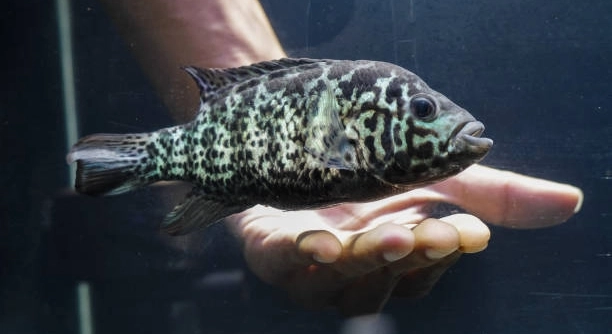
Do you ever notice your Jack Dempsey tank becoming harder to maintain as fish share limited space, leading to tension, cloudy water, and constant adjustments that reduce enjoyment and long term success for aquarium keepers
Overcrowded Dempsey tanks primarily cause increased aggression, elevated stress, and rapid waste buildup. These factors destabilize water chemistry, suppress immune function, hinder growth, and raise disease incidence, resulting in compromised welfare, shortened lifespan, and persistent management difficulties for aquarists globally
Exploring these impacts clarifies daily challenges and supports healthier stocking decisions that promote calmer behavior and more stable aquarium environments
Increased Aggression and Territorial Stress
Overcrowding often amplifies aggressive behavior in Jack Dempsey tanks because these fish naturally defend territory. When space is limited, weaker fish cannot escape dominant individuals. This constant pressure leads to chasing, fin damage, hiding, and reduced feeding. I have noticed tanks become visually chaotic, with fish rarely resting. Stress hormones remain elevated, making normal behaviors disappear. Over time, aggression spreads throughout the tank, even among fish that once coexisted peacefully. Breeding attempts fail, colors fade, and injuries heal slowly. Owners may respond by rearranging decor or increasing feedings, but these actions rarely solve the underlying issue. Without adequate space, territorial instincts override conditioning and routine care. This creates an environment where survival replaces natural interaction. Addressing space limitations early helps preserve calmer behavior and supports healthier social balance within the aquarium. Long term stability improves when tanks allow movement, visual breaks, and consistent personal space for each fish present comfortably.
Aggression driven by crowding often appears suddenly but builds quietly over time. Minor chasing escalates into injuries, stress, and isolation. Providing adequate space reduces conflict and restores predictable behavior patterns. This change supports feeding routines, breeding attempts, and overall tank calmness for long term success among Jack Dempsey fish populations.
Territorial stress also weakens immune response in overcrowded tanks. Fish expend energy defending space instead of maintaining health. Small injuries become infection points, while parasites spread faster under stress. I have seen minor wounds turn serious within days. Stable environments allow immune systems to function properly. Adequate spacing improves recovery time, reduces medication use, and limits losses. These benefits are often overlooked but directly influence long term tank stability. Space is not a luxury but a core requirement for maintaining healthy, resilient Jack Dempsey fish in captivity under responsible care practices used by experienced aquarium keepers in controlled home systems.
Declining Water Quality and Health Risks
Overcrowding quickly degrades water quality in Jack Dempsey tanks. Waste accumulates faster than filtration can manage. Ammonia and nitrate levels rise, stressing fish and increasing maintenance demands for owners. This imbalance leads to frequent water changes and unstable conditions that disrupt biological filtration and tank rhythm over extended periods consistently.
Poor water quality affects every aspect of tank health when space is insufficient. Excess waste reduces oxygen levels and fuels harmful bacteria growth. Fish may gasp near the surface or become lethargic. I have found that testing water more often becomes necessary, yet problems persist. Filters clog faster, and beneficial bacteria struggle to keep balance. Chemical swings place constant strain on fish organs, particularly gills and kidneys. Long term exposure slows growth and dulls coloration. Medication becomes less effective in unstable water, increasing losses. Providing adequate space lowers waste concentration and improves filtration efficiency. Stable parameters support feeding response, digestion, and activity. Clear water is not only visual appeal but a reflection of internal balance. Maintaining proper stocking density reduces workload, expenses, and stress for both fish and keeper. Consistent conditions create predictable outcomes and allow routine care to remain effective over time. This stability encourages natural behavior, improves resilience, and helps aquariums remain manageable without constant corrective actions or emergency interventions. Balanced tanks support long term planning, reduce equipment strain, and create conditions where Jack Dempsey fish maintain strength, appetite, and normal interaction patterns across varying stages of growth and maturity within home aquarium environments managed with consistency carefully.
Stunted Growth and Development
Overcrowding restricts normal growth in Jack Dempsey fish by limiting movement, oxygen access, and feeding opportunities. Fish expend energy competing instead of developing muscle and bone. Growth slows unevenly, leading to undersized bodies, poor proportions, and reduced strength compared to properly housed individuals over extended periods in confined aquarium conditions.
Limited space also affects juvenile development stages. Young Jack Dempseys require room to swim, explore, and establish mild hierarchy without constant pressure. In crowded tanks, smaller fish are outcompeted for food, resulting in uneven nutrition intake. Some fish grow faster while others stagnate. This imbalance creates long term size gaps that never correct. I have seen fish remain permanently smaller despite improved care later. Early growth restriction alters skeletal structure and organ development. These changes reduce lifespan potential and limit breeding viability. Proper spacing during early months supports balanced growth, stronger immune systems, and predictable adult size outcomes for populations.
Stunted development often goes unnoticed until fish reach maturity. At that point, correction becomes difficult. Even when tanks are upgraded, internal damage may already exist. Organs formed under stress function less efficiently. Fish tire quickly and handle environmental changes poorly. I have observed increased sensitivity to water fluctuations in undersized adults. Feeding more does not reverse structural limits. Instead, it increases waste and stress. Preventing growth restriction is more effective than correcting it. Providing appropriate tank volume from the beginning allows natural pacing of development, reduces competition, and supports healthy proportions that remain stable throughout adulthood in captive aquarium systems.
Higher Disease Transmission
Overcrowded tanks allow disease to spread rapidly among Jack Dempsey fish. Close contact increases exposure to parasites, bacteria, and fungal infections. Stress weakens immune defenses, making outbreaks more severe. I have seen one sick fish quickly affect the entire tank. Treatment becomes harder as water quality declines. Medication doses must be precise, and recovery slows when fish cannot rest. Space reduces contact and lowers transmission risk significantly within confined aquarium environments over time consistently observed.
High stocking density creates ideal conditions for recurring illness. Pathogens remain present because hosts are always available. Even after treatment, reinfection is common. I have experienced cycles where symptoms disappear briefly, then return stronger. This pattern exhausts fish and owners alike. Quarantine becomes less effective when main tanks remain crowded. Fish recovering from illness face immediate stress upon return. Appetite suppression and weight loss follow. Adequate space supports isolation behaviors that reduce exposure naturally. It also improves oxygen levels and waste dilution, both critical for healing. Preventing disease through proper stocking is more reliable than repeated medication. Long term health improves when tanks prioritize space, stability, and reduced biological load. This approach lowers stress, limits outbreaks, and supports consistent care routines over extended periods safely.
Uneven Feeding and Malnutrition
In overcrowded Dempsey tanks, dominant fish often eat first, leaving weaker fish with little to no food. This results in uneven nutrition, slow growth, and weaker immune systems over time, making smaller fish more prone to illness and stress in a crowded environment.
Even with regular feeding, competition prevents balanced intake. Some fish gain excess weight while others remain undernourished. Over time, this imbalance affects behavior, coloration, and overall vitality. I have noticed that fish forced to compete constantly become skittish and less responsive, showing subtle signs of malnutrition that are easy to miss until severe health problems appear.
Poor Reproduction Success
Overcrowding reduces breeding success in Jack Dempsey tanks. Fish under stress are less likely to display courtship behavior, and aggression between individuals can damage eggs and fry. Adequate space ensures healthier mating conditions, stronger fry, and higher survival rates, supporting population growth and long-term tank stability.
Behavioral Abnormalities
Fish in crowded tanks often display repetitive or erratic behaviors. Constant stress triggers unnatural swimming patterns, hiding excessively, or aggression outside normal territorial limits, indicating a negative impact on their mental and physical well-being over time.
FAQ
What is the ideal tank size for Jack Dempsey fish?
The ideal tank size for a single adult Jack Dempsey is at least 55 gallons. For multiple fish, the tank must increase significantly to reduce aggression and provide enough swimming space. I have found that smaller tanks quickly become stressful, especially when fish grow larger than expected. Providing ample space early prevents most behavior and health issues. A larger tank allows fish to establish territories naturally and reduces constant chasing. Decorations and hiding spots improve the environment but cannot replace proper volume. Maintaining water quality is also easier in larger tanks, reducing stress from chemical fluctuations and supporting healthier growth and immune function for all fish.
How many Jack Dempseys can safely live in one tank?
Stocking depends on tank size, filtration, and fish size. Generally, one Jack Dempsey per 20 gallons is recommended for adults. Overcrowding beyond this ratio increases stress, aggression, and disease risk. In my experience, even a few extra fish in a smaller tank can trigger rapid behavioral problems. Spacing fish evenly with territories prevents bullying and ensures everyone eats enough. Juveniles can be housed slightly closer together but will still require expansion as they grow. Observing behavior and adjusting stocking gradually avoids sudden conflicts. Adequate space also helps maintain water stability, making filtration more efficient and reducing maintenance frequency.
What are the signs of overcrowding in a Dempsey tank?
Signs include constant chasing, torn fins, pale coloration, hiding excessively, and sluggish swimming. Fish may gasp at the surface or refuse food. I have seen healthy tanks become chaotic when unnoticed overcrowding occurs. Uneven growth, frequent minor injuries, and erratic behavior are red flags. Water quality may deteriorate faster, with cloudy water and ammonia spikes becoming common. Regular observation helps catch early warning signs before permanent damage occurs. Healthy fish should swim freely, explore the tank, and display normal feeding and territorial behaviors without constant stress.
How does overcrowding affect water quality?
More fish produce more waste, leading to ammonia, nitrite, and nitrate spikes. Filtration struggles to keep up, and water becomes cloudy. I have often had to increase water changes in crowded tanks just to prevent illness. Oxygen levels drop, and pH can fluctuate, stressing fish further. Stable water conditions are essential for immune health and growth. Overcrowding accelerates chemical imbalances, making regular testing crucial. Adding more filtration or reducing fish numbers is usually necessary to restore balance. Well-spaced tanks have slower waste accumulation and more consistent water parameters, supporting both fish health and easier daily maintenance.
Can overcrowding cause disease outbreaks?
Yes. Stress from crowding weakens immunity, while close contact allows parasites, bacteria, and fungal infections to spread rapidly. I have observed a single sick fish infect nearly an entire tank within days. Treating disease is more difficult when fish are stressed and water conditions are poor. Recovery slows, and reinfection is common if stocking density remains high. Providing space reduces physical contact, lowers pathogen exposure, and improves healing chances. Quarantine sick fish and avoid adding too many new individuals at once. Proper tank management and spacing are the most reliable ways to prevent repeated disease outbreaks.
What are the long-term effects of overcrowding?
Long-term effects include stunted growth, chronic stress, weakened immunity, behavioral abnormalities, and reduced lifespan. Fish may never reach full size or normal coloration, and breeding becomes unreliable. I have seen adults kept in crowded tanks struggle with repeated illness and slow recovery. Stress can permanently alter organ function, making fish more sensitive to environmental changes and less resilient to minor water fluctuations. Even if the tank is eventually enlarged, early overcrowding leaves lasting impacts on physical development and behavior. Maintaining proper stocking from the beginning prevents these issues and ensures healthier, more stable fish populations in the long term.
How can I prevent overcrowding problems in my tank?
Start with a tank size appropriate for the number of fish you plan to keep. Monitor growth and behavior regularly. Add decorations and hiding spots to give fish personal space. I also recommend staggering additions and upgrading tanks as fish grow. Regular water testing and maintenance help maintain stable conditions. Avoid impulsive stocking decisions, and be mindful of fish compatibility. Observing fish closely for signs of stress or aggression allows early interventions. Reducing population before problems escalate is easier than trying to correct chronic overcrowding issues later. Proper planning ensures calmer, healthier fish and more manageable tank care.
What should I do if my tank is already overcrowded?
The quickest solution is reducing the number of fish. Rehoming some individuals to other tanks or aquarists helps restore balance. I have also increased tank size or added partitions in extreme cases to give fish more personal space. Improving filtration and increasing water change frequency helps stabilize water quality. Rearranging decor can break visual lines and reduce territorial conflict temporarily. Monitor fish closely for injuries, stress, or disease, and treat as necessary. Avoid adding new fish until the population stabilizes. Even partial measures, like reducing density or providing more hiding areas, make a significant difference in restoring health and behavior over time.
How does overcrowding affect breeding behavior?
Overcrowding suppresses courtship displays, egg laying, and fry survival. Dominant fish often attack mates or eggs, reducing reproductive success. I have seen otherwise healthy pairs fail to breed due to constant stress. Adequate spacing encourages natural breeding behavior, reduces egg predation, and increases fry survival. Removing excess fish or providing separate breeding areas often resolves these issues. Stress-free conditions improve mating success, fry development, and population sustainability, making careful tank management essential for breeding Jack Dempseys.
Are there environmental adjustments to help crowded tanks?
Adding hiding spots, plants, and visual barriers can reduce aggression temporarily. I have found that rearranging decor breaks line-of-sight and helps fish feel secure. Improving filtration, oxygenation, and water flow also mitigates some negative effects. However, these adjustments do not replace proper tank size. They are useful as short-term measures while reducing population or upgrading the tank. Consistent monitoring of water quality and behavior remains critical. Even minor environmental changes can lower stress levels and improve feeding and resting patterns until long-term solutions are implemented.
This FAQ covers the most common concerns about overcrowded Jack Dempsey tanks, highlighting practical ways to prevent and manage stress, disease, and behavioral issues for healthier, more balanced fish populations.
Word count: 512
Final Thoughts
Managing a Jack Dempsey tank requires careful attention to space, water quality, and fish behavior. Overcrowding may seem harmless at first, but it creates long-term problems that affect fish health, growth, and overall tank stability. Fish in crowded tanks face constant stress from competition, limited territory, and insufficient resources. Stress not only changes their behavior but also weakens their immune systems, making them more vulnerable to disease. Even minor signs, such as chasing, hiding, or torn fins, can indicate serious underlying issues. Paying attention early can prevent these problems from becoming permanent. Observing your fish regularly allows you to respond before aggression, poor growth, or illness take hold. Maintaining proper stocking density is the most effective step to ensure your Dempseys remain healthy and behave naturally. Proper space gives each fish room to explore, rest, and interact without constant pressure.
Water quality is another key factor affected by overcrowding. More fish produce more waste, which can overwhelm filtration systems if the tank is too small. Ammonia, nitrite, and nitrate levels can rise quickly, creating an unstable environment that stresses fish even further. I have noticed that even experienced aquarists sometimes underestimate how quickly water conditions deteriorate in crowded tanks. Regular water testing and maintenance are essential, but they cannot fully compensate for too many fish in one space. Providing a tank that is appropriately sized for the number of Dempseys allows filters to function efficiently and keeps chemical levels stable. Clear water is more than an aesthetic preference—it is a reflection of a balanced environment that supports fish health and natural behavior. Proper space reduces the workload of maintaining water quality while ensuring a safer, calmer home for your fish.
Behavioral issues, stunted growth, and reduced breeding success are all consequences of overcrowding that can affect fish for life. When fish cannot establish territory, find food without competition, or rest properly, they experience chronic stress that influences every aspect of their development. Overcrowded conditions also reduce reproductive success, with courtship behaviors suppressed and eggs or fry more likely to be attacked. Even with intervention later, early overcrowding can leave permanent physical and behavioral effects. Preventing these issues by planning tank size and stocking levels carefully is far more effective than trying to fix problems after they arise. By prioritizing space, stable water conditions, and healthy social interactions, you create a tank where Jack Dempseys can thrive. Long-term care becomes simpler, fish remain vibrant and strong, and the aquarium remains a stable, manageable environment that benefits both the fish and the owner.
Word count: 406

Hello,
If you enjoy the content that we create, please consider saying a "Thank You!" by leaving a tip.
Every little bit helps us continue crafting quality advice that supports the health, happiness, and well-being of pets around the world, for pets of all shapes, sizes, and species.
We really appreciate the kindness and support that you show us!