
Write in a simplistic style, 3 paragraphs for the intro of the article: “Why Jack Dempsey Fish May Constantly Rearrange Gravel”. Make it sound partially friendly. Follow the format mentioned. Do not say: “Picture this” or “Stay tuned” or “Dive” or “Delve”; Use the Format:; Paragraph: 35 words that will be a short intro to the article. (use a simplistic style and a neutral tone, avoid using questions) Examples:; “Do you love baking pies but find yourself wondering how long your pie dough will stay fresh in the fridge?”; “Have you ever wondered how …”; “Do you ever find yourself …“; “Have you ever …” ; “Are your…”; “Is your…”; “Do your brownies sometimes end up too oily, leaving you with a less-than-perfect treat?”; Paragraph: A straight to the point response to the question in the title that is 40 words long (bold this paragraph, use a formal tone, like you are writing a research paper).; Examples: ; “The simplest way to get your pie to brown on the bottom is by baking it on the lowest oven rack. Placing your pie closer to the heat source allows the bottom crust to crisp up and brown evenly and quicker.”; “The main reason your no-knead bread is too wet is due to overproofing. Allowing the dough to rise for too long can cause it to become excessively hydrated and lose its structure”; “Ferrets stare at their owners as a sign of affection and curiosity. This gaze is a way of bonding and showing trust. Additionally, ferrets are naturally curious creatures, and they may be observing you to learn more about their environment.”; “The most common reason why your bundt cake is not cooking in the middle stems from incorrect oven temperature. Ovens can be finicky and inconsistent, leading to uneven baking. A simple way to avoid this problem is to use an oven thermometer.”; Paragraph: 20 words that will make the reader want to keep reading the rest of the article. (use a simplistic style and a neutral tone) (Do not say ”Curious to“, avoid using questions, avoid saying “Delve”); Examples:; “While the tiny trimmings may seem harmless, there is a deeper story behind your guinea pigs barbering adventures.” ; “Leaving pizza dough refrigerated is a common practice for many, however, it is beneficial to know how leaving it out may impact the cooking process.”; “From the art of toppings and the battle of sauces to the influence of ovens, we will uncover the secrets that make each slice unique.”.; “Understanding these factors will not only help you address current issues but also ensure your axolotls long-term health and happiness in its aquatic habitat. Dive in to explore more!”; “So, what can you do to get your axolotl back on track?“; “Your guinea pigs deserve a well-balanced diet, and we are here to guide you through the ins and outs of incorporating eggplant into their munch-worthy repertoire.”; Note: do not exceed the given word count.; Note: pretend you are a woman.
Understanding Jack Dempsey Fish Behavior
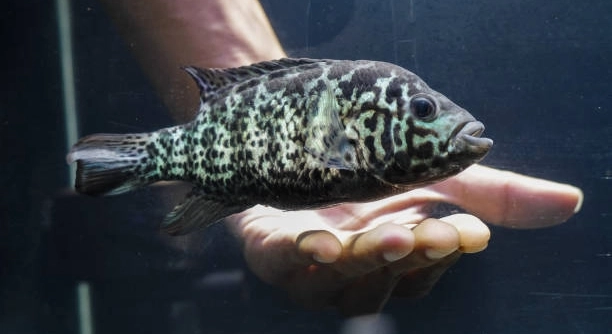
Jack Dempsey fish are naturally active and territorial, which often explains why they constantly move gravel around their tank. They dig and rearrange to mark their space and feel secure. This behavior is stronger in males, especially during breeding periods. Even without other fish present, they will adjust substrate to create preferred hiding spots and territories. The movement also provides mental stimulation, keeping them engaged and reducing stress. Watching them can be surprisingly interesting because each fish has its own style. Some may make small adjustments, while others dramatically shift decorations or piles of gravel. The fish are not being destructive; they are simply interacting with their environment in ways that are instinctual and necessary for their wellbeing. By providing adequate space, stable water conditions, and decorations that can withstand digging, you can support their natural behavior without constant frustration or damage to the tank.
This behavior is normal and indicates the fish is healthy and active, not bored or unhappy.
Regular observation of gravel rearranging can help you understand their preferences. Noticing patterns may guide placement of plants, rocks, and hiding spots, ensuring the tank suits their needs while minimizing stress. It also helps identify signs of aggression, nesting, or social interaction among other fish. By responding to these behaviors thoughtfully, you maintain a balanced environment and encourage natural activity, keeping the fish engaged and healthy. Understanding the reasons behind substrate movement reduces unnecessary concern and supports better care routines.
Tips to Manage Gravel Movement
Using heavier decorations and larger substrate pieces can limit excessive digging.
Providing a tank environment that balances activity with stability can reduce constant rearranging. Ensure there is enough space for the fish to explore without overcrowding, and include hiding spots like rocks or caves where the fish can dig safely. Using sand or rounded gravel reduces the risk of sharp edges and makes movement less damaging. Planting sturdy live or artificial plants can also offer areas for digging without creating mess. Regular tank maintenance and observation help you notice when rearranging becomes extreme, which may indicate stress or breeding behavior. Offering a varied diet and keeping water conditions consistent supports overall health, reducing restlessness. These small adjustments allow Jack Dempsey fish to express natural behaviors while keeping the tank organized and safe, creating a healthier, more stable environment for both fish and caretaker.
Creating a Safe Tank Environment
Providing a safe tank environment is key to managing gravel movement. Avoid sharp or fragile decorations, and ensure the tank is large enough for the fish to move freely. Stable water conditions also reduce stress-related digging.
Using heavier rocks and secure plants helps keep the tank orderly while allowing natural behaviors. Jack Dempsey fish will still dig and shift substrate, but they are less likely to overturn decorations or injure themselves. Including caves or tunnels offers safe spaces for hiding and nesting, giving them control over their territory. Observing which areas they prefer can guide future tank layout decisions.
Keeping gravel rounded or using sand makes digging safer and easier to clean. Fish can push around substrate without sharp edges causing harm. This setup also reduces sudden water cloudiness and makes spotting waste simpler, maintaining better hygiene. By arranging decorations thoughtfully, you can balance the fish’s natural behavior with a neat, healthy tank.
Supporting Healthy Behavior
Providing enrichment supports mental and physical health in Jack Dempsey fish. Rotate decorations or rearrange items periodically to maintain interest.
Variety in the tank encourages exploration and reduces boredom. Changing the layout or introducing new hiding spots can stimulate natural instincts and keep the fish active. Regular feeding schedules and varied diets also contribute to healthy behavior, preventing restlessness or aggression. Monitoring interactions with other fish ensures harmony and reduces stress. Structured enrichment allows them to express instincts safely while keeping the tank environment stable.
Consistent care and observation help you understand the fish’s preferences and triggers. Noting which areas they dig most or where they build nests informs adjustments to decorations, substrate, and plants. Enrichment should encourage movement without causing chaos or damage to the tank. Balancing activity with stability creates a healthier environment, promoting long-term wellbeing and reducing the likelihood of stress-induced problems. By paying attention to these behaviors, you foster a tank where the fish thrive naturally.
Tank Substrate Choices
Choosing the right substrate affects how much Jack Dempsey fish move gravel. Rounded gravel or sand is safer for digging and easier to clean.
Heavier or larger substrate pieces limit constant shifting while still allowing natural behaviors. Lighter gravel can be pushed around excessively, creating mess and cloudiness.
Planting and Decoration Strategies
Using sturdy plants and secure decorations reduces disruption in the tank. Rocks, caves, and anchored plants give the fish areas to dig and hide safely. Avoid fragile decorations that can break when moved. Arranging items to create natural territories helps the fish feel secure and minimizes stress, while still allowing them to express instinctual behaviors.
Monitoring Fish Behavior
Keep an eye on how your fish interacts with the substrate. Frequent digging may indicate breeding or stress.
FAQ
Why does my Jack Dempsey constantly dig in the gravel?
Jack Dempsey fish dig naturally to mark their territory, create hiding spots, or prepare a nesting area. Digging is a form of environmental interaction that keeps them active and mentally engaged. Even in a peaceful tank, this behavior helps them feel secure and comfortable in their space.
Is it normal for them to rearrange decorations often?
Yes, frequent rearranging is normal. Jack Dempsey fish explore their environment and adjust objects to suit their preferences. They may move rocks, plants, or gravel to create areas for hiding, feeding, or nesting. This behavior is a sign of curiosity and territorial instincts, not misbehavior.
Can constant digging damage the tank?
It can, if decorations are fragile or poorly secured. Using heavier rocks, anchored plants, and rounded gravel reduces potential damage. Avoid sharp or breakable items that could harm the fish or crack the tank when shifted. Maintaining a sturdy setup supports safe behavior.
Should I be concerned if my fish digs a lot at night?
Nighttime digging is normal since Jack Dempsey fish remain active during low light. Many fish adjust gravel and decorations while resting or preparing nesting areas. Observing their behavior ensures there are no signs of stress or illness, but occasional nighttime activity is typical.
Does digging mean my fish is stressed?
Not always. While stress can increase digging, natural instincts like territory marking and nesting are the main reasons. Look for other stress signs such as loss of appetite, discoloration, or hiding excessively. Healthy digging is part of normal Jack Dempsey behavior.
How can I reduce excessive gravel movement?
Use heavier or larger substrate and anchor decorations and plants. Providing caves or hiding spots gives the fish designated areas to interact with. Sand or rounded gravel is safer and easier to maintain. Strategic tank layout can limit excessive shifting without restricting natural activity.
Can Jack Dempsey fish rearranging gravel affect other fish?
Yes, it can influence tank mates. Constant substrate movement may disturb smaller or less aggressive fish, especially if territories overlap. Observing interactions and providing sufficient space and hiding areas reduces conflict and helps maintain harmony in the tank.
Does the size of the tank impact gravel digging?
Absolutely. Smaller tanks limit territory and increase digging frequency as the fish tries to control its environment. Larger tanks allow natural exploration and reduce stress-driven digging. A spacious setup gives Jack Dempsey fish room to express instincts safely.
Are there signs of nesting behavior I should watch for?
Yes, nesting often involves digging circular depressions in the substrate. Males may prepare multiple spots and guard them aggressively. Providing flat areas or soft substrate supports natural breeding behavior without damaging the tank excessively. Monitoring nests helps manage aggression and maintain tank balance.
Will my fish stop digging if I rearrange the tank for them?
Not completely. Jack Dempsey fish will continue digging and adjusting as they assert control over their territory. Strategic rearrangement can guide their behavior, but expect ongoing activity. Allowing controlled interaction with substrate is part of maintaining a healthy, stimulating environment for them.
How often should I clean the substrate if my fish digs constantly?
Frequent digging can uncover debris and waste, so regular cleaning is necessary. Spot-cleaning a few times a week and full substrate maintenance every month keeps water quality high. Rounded gravel or sand is easier to clean and less likely to trap waste compared to fine or irregular gravel.
Can diet influence digging behavior?
Indirectly, yes. A well-balanced diet keeps fish healthy and active. Overfeeding or inconsistent feeding may increase restlessness, while proper nutrition supports normal energy levels. Providing sinking or bottom-targeted foods can also encourage controlled foraging without excessive substrate disruption.
Do Jack Dempsey fish ever stop digging as they age?
They may dig less with age, but natural instincts usually persist. Older fish often adjust to their tank and may settle on favorite spots for resting or nesting. However, occasional digging continues to be a healthy, normal behavior, reflecting territorial and environmental engagement.
What types of plants survive Jack Dempsey digging?
Sturdy, well-rooted plants like java fern, anubias, or artificial anchored plants withstand frequent digging. Avoid delicate or shallow-rooted plants, as they are easily uprooted. Using heavy pots or anchoring techniques ensures greenery remains in place while supporting natural behaviors.
Can rearranging gravel improve water quality?
Indirectly, yes. Digging exposes hidden debris, making it easier to spot and clean. However, excessive substrate disturbance can temporarily cloud water. Regular observation and cleaning balance natural behavior with water clarity, maintaining a healthy tank environment.
Is gravel movement more intense during breeding season?
Yes. Males, in particular, increase digging to prepare nesting sites and protect eggs. Females may also engage in substrate exploration while selecting or inspecting nests. Providing adequate space, substrate, and hiding areas reduces stress and allows natural breeding behavior without tank damage.
How do I tell if digging is excessive or problematic?
Excessive digging becomes problematic when it leads to injury, constant stress for tank mates, or damage to equipment and decorations. Watch for patterns that interfere with feeding, resting, or interaction. Adjust tank layout, provide enrichment, and maintain a sturdy substrate to minimize risks while respecting natural behavior.
Does tank lighting affect digging?
Lighting can influence activity, but Jack Dempsey fish are naturally active in both day and low-light conditions. Dim lighting may encourage nocturnal exploration, while bright light may make them more cautious. Balanced lighting supports normal behavior without restricting digging instincts.
Can gravel rearranging indicate illness?
Usually, digging alone is not a sign of illness. However, if it is paired with lethargy, loss of appetite, unusual swimming, or discoloration, it could indicate health issues. Observing overall behavior and water quality ensures timely intervention if problems arise.
Will introducing other fish reduce gravel digging?
Adding tank mates does not eliminate digging but may influence its frequency or intensity. Territorial behavior can increase or decrease depending on species and tank layout. Providing sufficient space and hiding areas helps balance interactions while maintaining natural substrate activity.
Are artificial decorations better than live plants for managing digging?
Artificial decorations are often more durable and less affected by digging, making them practical for high-activity tanks. Live plants can survive if sturdy and well-anchored, but frequent rearrangement may uproot delicate species. A mix of both can support natural behavior while maintaining tank stability.
How can I monitor and adjust digging behavior effectively?
Observe daily, noting preferred digging spots, times of activity, and interaction with decorations or other fish. Adjust tank layout, substrate, and enrichment based on patterns. Maintaining clean, stable water and offering secure hiding areas reduces stress-related digging while allowing healthy expression of instincts.
Does water flow impact gravel movement?
Moderate water flow can influence substrate movement, but Jack Dempsey fish are strong swimmers and usually compensate. Too strong a current may stress them, increasing digging attempts elsewhere. Balancing flow ensures oxygenation without provoking unnecessary substrate disturbance.
Can digging behavior be fun to watch?
Yes, it can be entertaining and informative. Observing how your fish interacts with the environment reveals personality, territorial instincts, and nesting habits. Understanding these behaviors enhances care, allowing you to support healthy activity while maintaining a stable, engaging tank.
Are there tank materials that minimize mess from digging?
Rounded gravel, sand, and heavier decorations minimize mess while allowing natural behaviors. Avoid small, lightweight gravel that clouds water easily. Anchoring plants and securing rocks reduces movement, keeping the tank cleaner without restricting healthy digging activity.
How do I balance digging with tank cleanliness?
Regular spot-cleaning, stable substrate, and secure decorations allow Jack Dempsey fish to dig safely while maintaining hygiene. Rounded gravel or sand simplifies waste removal. Observing preferred digging areas guides targeted cleaning, ensuring the tank remains healthy without discouraging natural behavior.
Does tank size or shape affect gravel rearranging?
Larger tanks allow more room for territory establishment and exploration, reducing stress-driven digging. Narrow or small tanks can increase substrate disturbance as fish try to assert control. Shape and layout influence digging patterns, so designing space with hiding spots and open areas supports healthy behavior.
Can digging harm the fish physically?
If substrate is safe and decorations are secure, digging rarely causes harm. Sharp gravel or fragile items increase risk of injury. Rounded gravel, soft sand, and anchored plants allow Jack Dempsey fish to express natural behaviors without physical danger.
Does feeding method affect digging behavior?
Bottom-feeding or sinking foods may encourage controlled substrate interaction, while frequent scattered feeding can increase random digging. Consistent feeding schedules with appropriate diet reduce restlessness, promoting healthier and more predictable behavior around the gravel.
Will fish stop digging if I provide enough hiding spots?
Providing multiple hiding areas may reduce the intensity of digging but will not eliminate it. Jack Dempsey fish naturally interact with substrate for territory and nesting. Secure hiding spots simply guide behavior to safer, less disruptive areas within the tank.
Are there behavioral differences between male and female Jack Dempsey fish in digging?
Males generally dig more, especially during breeding, to prepare nesting areas. Females dig less but may inspect nests or adjust substrate near males. Observing these differences helps manage tank layout and breeding setups effectively while accommodating natural instincts.
Can digging behavior indicate compatibility with other fish?
Yes. Aggressive digging may affect smaller or less dominant fish. Understanding which species coexist well with Jack Dempsey fish ensures a balanced community tank. Providing space, hiding spots, and territorial boundaries reduces conflict while allowing natural substrate interaction.
How can I tell if substrate type is suitable?
Safe substrate should be rounded, non-toxic, and easy to clean. Fish should be able to move it without injury or excessive clouding. Observing digging patterns and substrate integrity over time confirms whether the chosen material supports natural behaviors effectively.
Does water temperature influence digging?
Temperature affects activity levels. Jack Dempsey fish are more active in optimal ranges (around 74–80°F), which may increase digging frequency. Water outside this range can reduce movement or increase stress, indirectly influencing substrate interaction. Maintaining stable temperature supports healthy natural behavior.
Are there signs of boredom that relate to digging?
Excessive, repetitive digging without clear purpose can indicate boredom or lack of enrichment. Adding hiding spots, decorations, or environmental variation helps stimulate mental engagement, keeping substrate movement purposeful and healthy rather than destructive.
How long does digging behavior last during breeding?
Males may dig persistently for several days to weeks to prepare and defend nests. Activity decreases once eggs are laid and guarded. Observing this cycle allows you to manage tank layout and minimize disruption to other fish while supporting natural reproduction.
Can I safely discourage digging?
Discouraging digging entirely is not recommended because it is instinctual. Instead, focus on guiding behavior with substrate choice, anchored decorations, and enrichment. Controlled redirection allows natural activity without excessive mess or damage, maintaining both fish wellbeing and tank stability.
What should I do if my fish uproots live plants frequently?
Use sturdier species or anchor pots to resist digging. Artificial plants can supplement areas where frequent disturbance occurs. Accepting some movement as normal while reinforcing stability in key areas reduces stress and maintains a balanced tank environment.
Does gravel color or texture affect digging?
Yes. Jack Dempsey fish may prefer certain textures for digging and nesting. Smooth or rounded substrates reduce injury risk, while natural colors may make the tank feel more secure. Texture and weight influence ease of movement and overall behavior patterns.
How can I balance multiple fish with substrate movement?
Provide ample space, multiple hiding spots, and distinct territories. Observing interactions helps prevent conflicts. Rounded gravel or sand and secure decorations reduce accidental damage, allowing all fish to express natural behaviors safely within a shared environment.
Is digging more intense in newly introduced fish?
Yes, new fish often explore and assert territory by rearranging substrate. This usually stabilizes as they become familiar with their environment. Ensuring enough space, hiding spots, and secure decorations helps manage this adjustment period effectively.
Can gravel rearranging indicate nesting preference?
Yes. Males often dig circular depressions and adjust substrate near chosen areas. Observing these patterns helps predict nesting sites and manage tank layout to support breeding while minimizing disruption to other areas.
Are there ways to redirect digging to safe areas?
Creating designated digging zones with softer substrate, anchored plants, or sand patches encourages safe activity. This reduces random disturbance elsewhere in the tank and satisfies natural instincts without creating mess or damage.
Does tank maintenance affect digging behavior?
Frequent water changes, substrate cleaning, and decoration adjustments can influence digging. Maintaining stability while providing enrichment balances the fish’s natural instincts with tank upkeep, reducing stress and encouraging purposeful substrate interaction.
How do I handle aggressive digging between fish?
Observe territorial disputes and provide additional hiding spots. Separating aggressive individuals or increasing tank space can reduce conflict. Ensuring each fish has secure areas minimizes stress while allowing natural substrate behavior to continue safely.
Can digging behavior signal happiness?
Yes, consistent and purposeful digging reflects natural instincts being expressed. Healthy movement, territorial marking, and environmental interaction indicate an engaged and active fish, suggesting proper care and a supportive tank setup.
Will Jack Dempsey stop moving gravel in a planted tank?
Not entirely. They will still dig and adjust substrate around plants but may focus activity near preferred territories. Sturdy, well-anchored plants reduce disruption while allowing normal digging behavior, balancing aesthetics with natural instincts.
Does tank age influence gravel rearranging?
Older, established tanks may see less extreme substrate movement as fish settle into defined territories. However, occasional digging continues as fish maintain and adjust preferred areas or nesting spots. Observing long-term patterns helps guide tank layout decisions.
How can I enjoy watching this behavior without stress?
Providing a stable, well-arranged tank with safe substrate allows you to observe natural activity without constant worry. Noting patterns and preferred spots can be interesting while supporting healthy, instinctual behaviors in a controlled environment.
Are there signs that digging is harming other fish?
Signs include increased hiding, aggression, loss of appetite, or injury. Monitoring interactions and adjusting layout, tank mates, or enrichment ensures a balanced community where natural behaviors can occur safely.
Can I combine gravel types to reduce movement?
Yes, using a mix of heavier gravel with sand or rounded pieces can limit excessive movement while still supporting digging and nesting. Strategic placement guides behavior while maintaining a safe and stable environment.
Do Jack Dempsey fish ever rearrange gravel for fun?
It’s hard to separate instinct from play, but casual, non-purposeful digging likely reflects exploration and engagement with their environment. Allowing controlled expression of this behavior promotes mental stimulation and a healthier fish overall.
Is constant gravel movement stressful for tank owners?
It can be, especially if decorations shift or water becomes cloudy. Understanding this as natural behavior and arranging the tank for stability reduces frustration while keeping the fish healthy and active.
Are there specific tank designs that minimize substrate disturbance?
Yes. Layouts with heavier decorations, multiple hiding areas, and distinct territories limit unnecessary substrate shifting. Providing soft zones for digging and secure areas for plants balances natural behavior with tank maintenance.
Does fish size affect digging behavior?
Larger fish move more gravel and shift decorations more easily. Smaller fish may dig less dramatically but still interact with substrate. Tank setup should account for size to maintain stability and safe digging areas.
Can behavioral enrichment reduce stress-related digging?
Yes, adding caves, tunnels, and varying decoration layouts encourages purposeful activity. Enrichment provides mental stimulation, reduces boredom, and limits excessive random substrate disturbance, supporting healthier fish behavior.
How often should I check the tank for digging damage?
Regular observation during weekly maintenance is sufficient. Spot-checking areas prone to digging ensures decorations remain secure, substrate is safe, and water quality is maintained without disrupting the fish’s natural behavior.
Is digging linked to aggression in Jack Dempsey fish?
Yes, territorial and nesting instincts often involve aggressive digging. Males may defend nests and shift substrate to assert dominance. Monitoring interactions and providing sufficient space reduces conflicts while allowing natural behaviors.
Does gravel size matter for young fish?
Smaller or rounded gravel is safer for juveniles, preventing injury while allowing exploration. Large or sharp pieces can harm delicate fins or gills. Gradually increasing substrate size as fish grow balances safety with natural digging behavior.
Can rearranging gravel affect plant growth?
Yes, uprooted plants or disturbed roots may struggle. Using anchored pots, heavy substrate, or sturdy plants reduces disruption. Observing which areas are frequently dug helps plan planting zones for healthy growth and minimal interference.
Do Jack Dempsey fish prefer certain textures for digging?
Rounded and smooth gravel or soft sand is preferred. Rough or sharp textures can cause injury and reduce activity. Texture influences digging efficiency and safety, allowing natural behavior without risk.
Can frequent water changes affect digging patterns?
Yes, sudden changes can trigger stress or curiosity, increasing substrate movement temporarily. Gradual water changes maintain stability, reducing stress-driven digging while still supporting normal activity.
Is digging behavior more pronounced in single-species tanks?
Yes, without competition, Jack Dempsey fish may explore and adjust substrate more freely. Adding compatible tank mates can influence behavior but does not stop natural digging instincts.
Are there seasonal patterns in digging behavior?
Breeding periods often increase digging as males prepare nests. Outside breeding, behavior may fluctuate slightly with environmental conditions, light, and feeding routines. Understanding these patterns helps manage tank layout and enrichment.
Does tank cover affect digging frequency?
Covers reduce disturbances and make fish feel secure, which can influence how they interact with substrate. While digging persists, a stable, covered environment supports calmer, more controlled behavior.
Can digging behavior indicate dominance?
Yes, males often dig to establish territory and assert dominance over others. Observing patterns helps identify social hierarchy and informs tank management strategies.
Is substrate rearrangement common in all cichlids?
Many cichlid species display similar behavior, but intensity varies. Jack Dempsey fish are particularly active due to territorial and nesting instincts. Tank setup should accommodate natural digging tendencies.
Do artificial caves reduce gravel movement?
Yes, providing designated structures for hiding and nesting encourages interaction in safe areas, limiting random substrate shifts while supporting instinctual behavior.
Can digging be harmful to decorations?
If items are lightweight or fragile, yes. Heavier, anchored decorations withstand movement and reduce damage, allowing natural behavior without compromising tank aesthetics or safety.
Does tank depth influence digging?
Deeper tanks give more room for exploration and territory establishment, reducing excessive substrate disturbance. Shallow tanks may see increased digging as fish attempt to assert control.
How long does it take for fish to settle into a tank and reduce excessive digging?
New fish may dig more intensely for days to weeks while establishing territory. Gradual adjustment occurs as they become familiar with their environment, reducing extreme movement but not eliminating natural behavior.
Can lighting intensity affect substrate behavior?
Bright light may make fish more cautious, slightly reducing digging, while dim or moderate lighting encourages exploration. Balanced lighting
Final Thoughts
Jack Dempsey fish are naturally active and curious creatures. Their instinct to move gravel and rearrange decorations is part of how they interact with their environment. This behavior is not a sign of misbehavior or illness. It is a normal expression of their territorial and nesting instincts. By understanding this, tank owners can better appreciate the fish’s personality and natural tendencies. Observing how they adjust substrate can also be interesting, as each fish develops its own pattern of digging and arranging. These small movements are a way for the fish to feel secure and control their surroundings, which is essential for their wellbeing.
Creating a safe and supportive tank environment is key to managing this behavior. Using rounded gravel or sand reduces the risk of injury while still allowing the fish to dig. Anchored decorations and sturdy plants provide stable areas where the fish can explore safely. Heavier rocks and secure hiding spots limit accidental damage and keep the tank looking neat. A thoughtful layout gives Jack Dempsey fish places to assert their territory, explore, and rest. Regular observation helps identify areas where digging is most frequent, allowing for small adjustments to maintain both safety and natural activity. Providing enrichment, such as caves and hiding spots, supports mental stimulation and helps prevent stress-related behavior.
Understanding Jack Dempsey fish behavior also helps maintain a healthy and balanced tank for all inhabitants. Substrate movement can influence other fish, so providing enough space, hiding areas, and proper feeding routines reduces conflict. Consistent water maintenance and monitoring the fish’s health ensures that digging does not create problems. Recognizing that gravel rearranging is an instinctive and ongoing behavior allows owners to plan the tank accordingly. Accepting and supporting this activity while maintaining structure and safety creates a positive environment for the fish. Overall, allowing natural digging while providing proper care promotes healthier, happier fish and a stable, well-maintained tank.

Hello,
If you enjoy the content that we create, please consider saying a "Thank You!" by leaving a tip.
Every little bit helps us continue crafting quality advice that supports the health, happiness, and well-being of pets around the world, for pets of all shapes, sizes, and species.
We really appreciate the kindness and support that you show us!