
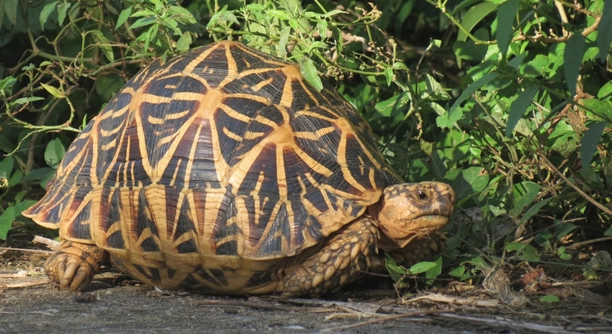
Indian star tortoises are fascinating creatures that require proper care, including attention to their diet. As a pet owner, you might be wondering whether these tortoises can overeat and how to manage their food intake.
Yes, Indian star tortoises can overeat, leading to health issues such as obesity and digestive problems. Overfeeding can cause an imbalance in their diet, which affects their overall well-being and lifespan. Careful portion control is essential.
Understanding the signs of overeating and the right feeding practices can help you maintain a healthy tortoise. These guidelines will help ensure that your pet stays happy and healthy for years to come.
Can Overeating Affect Their Health?
Overeating can harm the health of Indian star tortoises in several ways. When they eat too much, they are at risk of becoming overweight, which can lead to a variety of health problems, such as difficulty moving or breathing. In addition, excess food can cause stress on their internal organs, especially their digestive system. While tortoises may seem like they can handle large amounts of food, they have a relatively slow metabolism that requires careful food portioning. Without proper management, overfeeding can significantly shorten their lifespan.
Managing portion sizes and feeding schedules is crucial in keeping your tortoise healthy. If you notice signs of obesity or lethargy, it may be time to reassess how much food you’re offering.
An important part of maintaining a healthy weight is offering a balanced diet, such as leafy greens, vegetables, and the occasional fruit. You should also keep track of their overall activity levels. Too much food, along with lack of movement, can quickly lead to weight gain. Keep their habitat large enough to encourage movement, and make sure the food they get is just enough to keep them active and healthy.
What Are the Signs of Overeating?
Recognizing when your tortoise has overeaten is key to preventing health issues. A sudden change in behavior or appearance, such as a noticeable increase in weight, is the first sign to watch for.
When a tortoise overeats, you may notice slower movement, puffier limbs, and a lack of interest in their usual activities. These are signs that they may be overweight or struggling with digestion. It’s important to address this quickly by adjusting their food intake and providing more opportunities for exercise. A decrease in food portions, alongside a well-structured routine, can help your tortoise shed the extra weight and avoid long-term health complications.
How to Prevent Overeating
To prevent overeating, it’s essential to follow a strict feeding schedule and control portion sizes. Offer food once or twice a day in appropriate amounts. Overfeeding can be avoided by sticking to the recommended diet for Indian star tortoises, focusing on leafy greens and avoiding high-calorie foods.
Use a shallow dish to offer food, as it encourages your tortoise to eat more slowly and prevents overeating. If you are unsure about portion sizes, consult a reptile vet or check reliable resources for guidelines. Regularly monitor their weight and adjust the food as needed.
It’s also a good idea to avoid feeding your tortoise the same food every day. A varied diet will keep them interested and encourage them to eat smaller amounts at a time. This can reduce the risk of overeating while ensuring they get all the essential nutrients they need. Regular exercise and ample space are also key to keeping your tortoise active and healthy.
The Right Diet for Indian Star Tortoises
Providing the right diet is key to preventing overeating and keeping your tortoise healthy. A balanced diet includes leafy greens, grass, and flowers, which are low in calories and high in fiber. Avoid feeding them fruits or vegetables with high sugar content, like carrots or apples, too often.
Offer a variety of foods to ensure they get all the nutrients they need. You can include dandelion greens, clover, and hibiscus flowers, but keep the portions moderate. It’s important to focus on food that promotes healthy digestion and maintains a good weight. Additionally, make sure the food is free from pesticides and chemicals, as they can harm your tortoise.
Always clean the food before offering it to remove any contaminants. Supplements, such as calcium and vitamin D3, can also help, but they should be used in moderation. Providing the right balance of food ensures your tortoise stays active, avoids obesity, and enjoys a long, healthy life.
Signs Your Tortoise Is Overweight
An overweight Indian star tortoise may have a rounder or puffier appearance, especially around the limbs and body. They may also move slower than usual and show less interest in exploring their environment. Over time, their shell may appear to be less defined.
If you notice any of these signs, it’s important to reassess their diet. Slow movement and a lack of interest in physical activity are clear indicators that your tortoise may need to lose weight. Monitoring these signs early can prevent more serious health complications.
How to Help Your Tortoise Lose Weight
To help your tortoise lose weight, start by reducing the amount of food offered and focus on providing more fiber-rich, low-calorie foods. This will encourage them to eat in moderation while staying healthy.
Ensure that your tortoise has enough space to move around and remain active. A larger enclosure can promote physical activity, which is essential for weight loss. Additionally, offering variety in their food choices will keep them engaged and less likely to overeat. Patience is key, as it may take time for them to shed the extra weight.
Exercise for Tortoises
Allowing your tortoise to roam outside of their enclosure for supervised exercise can be beneficial. A safe, enclosed outdoor space can encourage movement and exploration.
Creating opportunities for your tortoise to move freely in a larger space will help them stay active and burn calories. Regular outdoor time, combined with a healthy diet, can significantly reduce the risk of obesity and its related health issues.
FAQ
Can Indian star tortoises eat fruit?
Yes, Indian star tortoises can eat fruit, but only in moderation. Fruits should be considered an occasional treat rather than a daily part of their diet. High-sugar fruits like apples, melons, and bananas should be offered sparingly to prevent weight gain and digestive problems. A more suitable diet includes leafy greens, grasses, and other low-calorie vegetables that provide better nutritional balance.
How much should I feed my Indian star tortoise?
The amount to feed your tortoise depends on its age and size. As a general guideline, adult tortoises should be fed a small portion of leafy greens and vegetables every day, roughly the size of their shell. Younger tortoises may need slightly more food to support growth, but always make sure portions are reasonable. Overfeeding can lead to obesity and health complications.
How often should I feed my Indian star tortoise?
Adult Indian star tortoises are typically fed once a day. Young tortoises may require feeding twice a day. It’s important to establish a regular feeding schedule so your tortoise becomes accustomed to eating at set times. Offering food at the same time each day helps regulate their digestion and encourages healthy eating habits.
Can Indian star tortoises drink water?
Yes, Indian star tortoises need access to fresh water every day. They may not drink large amounts at once but will take small sips throughout the day. It’s essential to provide clean water in a shallow dish that they can easily access. Be sure to change the water regularly to keep it fresh.
Should I feed my Indian star tortoise pellets?
While there are commercial pellets available for tortoises, they should not be the primary food source. Pellets can be used occasionally but should not replace fresh greens and vegetables. They may lack the full spectrum of nutrients that tortoises need for optimal health, so it’s best to rely on fresh, natural food.
How can I prevent my Indian star tortoise from becoming overweight?
To prevent overeating and obesity, provide a balanced diet with proper portion control. Focus on offering mostly leafy greens and low-calorie vegetables, while avoiding sugary foods. Regular exercise is also crucial, so make sure your tortoise has enough space to move around. Monitor its weight regularly to ensure they’re maintaining a healthy size.
What are the signs of an unhealthy Indian star tortoise?
An unhealthy tortoise may show signs such as lethargy, poor appetite, weight loss or gain, shell deformities, or difficulty moving. If your tortoise isn’t eating well, seems sluggish, or has visible signs of illness, it’s important to consult a reptile vet. Regular health check-ups can help catch any issues early.
How can I make sure my tortoise is getting enough calcium?
Calcium is vital for your tortoise’s bone health and shell development. To ensure they’re getting enough, you can offer calcium supplements once or twice a week. Additionally, you can dust their food with calcium powder or provide a cuttlebone, which will allow them to nibble on it when they need extra calcium.
Can I feed my Indian star tortoise commercial foods?
Commercial foods like pellets can be used occasionally but should not be relied upon as a primary food source. These foods often lack the variety and natural nutrients found in fresh vegetables and grasses. It’s important to provide your tortoise with a diet based on natural foods like leafy greens, flowers, and grasses.
What temperature should I keep my Indian star tortoise’s habitat?
Indian star tortoises prefer temperatures between 75°F to 85°F during the day, with a slight drop at night. It’s important to provide a basking spot that reaches around 95°F, as they need warmth to regulate their body temperature and aid digestion. A heat source, like a basking lamp, will help maintain the correct temperature in their habitat.
Can I house my Indian star tortoise with other tortoises?
Indian star tortoises are generally solitary creatures, so housing them with other tortoises can sometimes lead to stress or territorial behavior. If you choose to house them with others, make sure they have enough space and hiding spots to retreat when needed. Also, monitor for any aggressive behavior that could cause injury.
How can I tell if my tortoise is dehydrated?
Dehydration in tortoises can lead to lethargy, sunken eyes, and dry, flaky skin. If your tortoise seems lethargic, isn’t eating, or has dry skin, dehydration could be the cause. Providing fresh water daily and soaking your tortoise in shallow, lukewarm water for about 20 minutes can help rehydrate it.
Final Thoughts
Indian star tortoises are wonderful pets, but their care requires attention to detail, especially when it comes to their diet. Overeating can lead to health issues like obesity and digestive problems, which can significantly impact their quality of life. As with any pet, it’s essential to maintain a balanced diet that meets their nutritional needs without overfeeding. Offering the right foods in proper portions and at the correct times can help prevent overeating and ensure that your tortoise remains healthy for years to come.
It’s also important to recognize the signs of overeating early. If your tortoise becomes sluggish, gains weight quickly, or shows less interest in moving around, these could be warning signs of overeating or obesity. Regularly monitor their behavior, weight, and activity levels, and make adjustments to their diet as necessary. Remember, keeping them active by providing enough space and opportunities for exercise is just as crucial as feeding them the right foods. A healthy tortoise will be more engaged, move around more, and display a better overall quality of life.
Finally, always make sure you’re following a feeding schedule that works best for your tortoise’s age and size. Too much food or too little can both cause problems. Whether you’re feeding your tortoise daily or a couple of times a day, consistency is key. If you’re ever unsure about how much to feed or what foods to include, consulting a reptile veterinarian is a good way to get personalized advice. Taking these steps can help ensure that your Indian star tortoise leads a long, healthy life.

Hello,
If you enjoy the content that we create, please consider saying a "Thank You!" by leaving a tip.
Every little bit helps us continue crafting quality advice that supports the health, happiness, and well-being of pets around the world, for pets of all shapes, sizes, and species.
We really appreciate the kindness and support that you show us!