
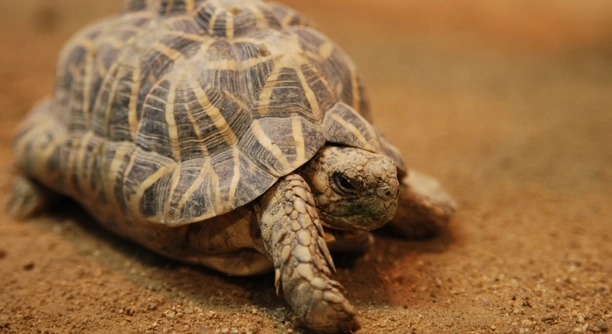
Indian Star Tortoises are beautiful, low-maintenance pets. However, they do require special attention to stay healthy. If something seems off with your tortoise, it’s important to know the signs that suggest a visit to the vet.
The main indicators that your Indian Star Tortoise may need veterinary care include changes in behavior, appetite, or physical appearance, such as weight loss, abnormal shell condition, or signs of respiratory distress. Early intervention is critical for their health.
Recognizing these warning signs early can help you take action before things worsen. Keeping an eye on your tortoise’s health is the first step toward ensuring they live a long and healthy life.
1. Changes in Behavior and Activity Levels
If your Indian Star Tortoise is acting unusually, it’s important to pay close attention. A sudden decrease in activity, such as hiding more often or being less active than usual, could indicate that something is wrong. It’s also important to note any signs of aggression or irritability, which can be linked to stress or illness. Tortoises are typically calm creatures, so if their behavior seems out of the ordinary, it could be a signal that something is affecting their health.
Sometimes, these behavioral changes can happen due to environmental factors, like changes in temperature or humidity. If your tortoise’s enclosure isn’t at the proper temperature, it may become lethargic or more withdrawn.
Being aware of any change in your tortoise’s usual behavior will help you recognize early signs of distress. It’s always best to be proactive and check for any health issues if these changes are persistent. Addressing problems early on can prevent them from becoming more serious.
2. Appetite and Eating Habits
A decrease in appetite is one of the most common signs that your tortoise may need a vet. Tortoises are usually motivated by food, so if yours stops eating, it’s a clear sign something may be wrong.
Lack of appetite can be caused by a number of things, such as stress, parasites, or even a nutritional imbalance. If you notice that your Indian Star Tortoise is eating less or refusing food entirely, it’s a good idea to assess their environment and diet. Ensure they’re getting enough variety in their food, and check that their habitat conditions are appropriate.
If the problem persists for more than a couple of days, it’s essential to consult a vet. The issue may be something simple, like a mild illness, but it could also indicate a more serious underlying condition. Getting a professional opinion can make all the difference in their recovery.
3. Shell Condition and Abnormalities
The condition of your Indian Star Tortoise’s shell is an important indicator of health. A healthy shell should be smooth, firm, and free of any cracks or soft spots. If you notice any damage, deformities, or changes in texture, it’s time to visit the vet.
Cracks or soft areas could suggest an injury or a nutritional imbalance, such as calcium deficiency. The shell may also change color if your tortoise is sick or stressed. Fungal infections or improper humidity levels can also lead to shell issues. Inspect your tortoise regularly to catch any problems early.
Keeping your tortoise’s shell in good condition requires proper care and attention. Regularly clean the shell and ensure the tortoise gets a balanced diet with enough calcium to support shell growth. If the shell shows signs of infection or damage, seek professional care as soon as possible. Early intervention can prevent more serious complications.
4. Breathing Issues and Respiratory Distress
If you notice signs of respiratory distress, such as wheezing, open-mouth breathing, or nasal discharge, it’s crucial to seek immediate veterinary care. Respiratory infections in tortoises can be serious and often need professional treatment.
These symptoms can be caused by cold, dry conditions or poor ventilation in the tortoise’s habitat. Respiratory infections are common in tortoises that are kept in environments that don’t provide enough warmth or humidity. If your tortoise is having trouble breathing, you’ll want to address the environment and temperature right away.
If the symptoms don’t improve after adjusting the environment, it’s essential to take your tortoise to the vet. Left untreated, respiratory infections can lead to more severe issues, such as pneumonia. Your vet will help determine the best treatment plan to get your tortoise back to full health.
5. Unexplained Weight Loss
Weight loss is another clear sign that your tortoise might be unwell. If your tortoise is losing weight despite eating well, it’s time to investigate further. Sudden or gradual weight loss can be linked to a number of health issues, including parasites or infections.
A consistent drop in weight can also be caused by digestive problems or an underlying illness that’s affecting absorption of nutrients. Keep track of your tortoise’s weight and overall appearance to spot any changes early on. A sudden loss in weight, especially without a change in diet, should be addressed with a vet’s visit.
6. Swollen or Puffy Eyes
Swollen or puffy eyes can indicate an infection or irritation. If you see your tortoise squinting, rubbing its eyes, or showing any signs of discharge, it could be suffering from a problem that requires attention.
Swelling or puffiness in the eyes may be a sign of a respiratory infection, dehydration, or vitamin deficiency. It’s important to monitor the eyes closely and make sure they stay clear of any debris. If the symptoms persist or worsen, it’s best to have a vet examine your tortoise to ensure its health.
7. Trouble Moving or Limping
If your tortoise is struggling to walk or shows signs of limping, it could be dealing with a leg injury or joint problem. Mobility issues can arise from a variety of causes, including injury, infection, or metabolic bone disease.
FAQ
1. How often should I take my Indian Star Tortoise to the vet?
Taking your Indian Star Tortoise to the vet should not be necessary on a regular basis, as long as they appear healthy. However, a vet visit every 1-2 years is recommended for a general health check. If any of the signs mentioned earlier, such as changes in appetite, shell damage, or breathing problems, appear, it’s important to seek veterinary care sooner.
Regular health checks are beneficial, especially if your tortoise is showing any symptoms of distress. Keep an eye on their behavior and overall condition so you can catch potential issues early. An annual visit can also help keep your tortoise up to date with any vaccinations or necessary treatments.
2. Can I treat my tortoise at home if it shows signs of illness?
While minor issues like slight shell discoloration or mild stress can sometimes be addressed at home by adjusting their environment, more serious symptoms like respiratory distress, severe weight loss, or injury should always be handled by a vet. A professional will provide the right diagnosis and treatment plan.
If you’re unsure about the severity of your tortoise’s condition, it’s always safer to contact a vet. Self-treatment can often make things worse, especially if you don’t have the experience to identify the exact issue. In the case of serious illnesses or infections, early intervention can save your tortoise’s life.
3. How can I prevent health problems for my tortoise?
Proper care and a well-maintained habitat are the best ways to prevent health issues. Ensure your Indian Star Tortoise’s enclosure has the correct temperature, humidity, and lighting. A balanced diet with a mix of leafy greens, grasses, and occasional fruit is essential.
Also, avoid overcrowding in the enclosure and provide space for your tortoise to roam and exercise. Keeping their habitat clean and monitoring their behavior regularly can also help catch potential health problems early. By maintaining these conditions, you can reduce the likelihood of common health issues that tortoises face.
4. What should I feed my Indian Star Tortoise to keep it healthy?
A healthy diet for your tortoise should mainly consist of high-fiber plants. Leafy greens such as dandelion greens, collard greens, and turnip greens are ideal. You can also offer grasses, flowers, and some fruits in moderation. Avoid feeding them too much fruit, as it can lead to diarrhea.
Calcium is crucial for your tortoise’s shell and bone health, so consider offering calcium supplements if necessary. If you are unsure about the proper proportions, consulting a vet or reptile specialist can help ensure your tortoise gets the nutrients it needs without the risk of deficiency or obesity.
5. How can I tell if my tortoise is dehydrated?
Dehydration in tortoises can lead to serious health issues. Some signs of dehydration include sunken eyes, dry or wrinkled skin, and a lack of urination. Your tortoise may also seem lethargic or refuse to eat or drink.
If you suspect dehydration, provide a shallow water dish for your tortoise to drink from and consider soaking it in lukewarm water for 10-15 minutes. This will help them hydrate and encourage them to drink. If dehydration persists, it’s important to seek veterinary care immediately to prevent further complications.
6. What is the best temperature for my tortoise’s habitat?
The ideal temperature for your Indian Star Tortoise’s habitat should range between 75-85°F (24-29°C) during the day, with a basking area reaching around 90°F (32°C). At night, the temperature can drop to around 70°F (21°C).
It’s important to provide a temperature gradient in their enclosure, so your tortoise can regulate its body temperature. A proper heat source, such as a ceramic heat emitter or UVB light, will help maintain these temperatures. Always monitor the temperature with a reliable thermometer to ensure it stays within the recommended range.
7. Can I let my tortoise roam outside?
Yes, you can let your Indian Star Tortoise roam outside, but only if the environment is safe and controlled. Ensure the area is free of predators, harmful plants, and places where your tortoise can escape. The outdoor temperature should also match their indoor requirements.
It’s important to supervise your tortoise while outside and provide shade or shelter in case it gets too hot. Never leave your tortoise outside unattended, especially if the weather changes quickly or becomes too cold. When the weather is safe, outdoor time can offer your tortoise extra space to roam and explore.
8. How can I tell if my tortoise has parasites?
If your tortoise is showing symptoms such as weight loss, lack of appetite, diarrhea, or lethargy, it may have internal parasites. Parasitic infections are common in reptiles and can severely affect their health.
To determine if your tortoise has parasites, it’s best to have a stool sample examined by a vet. They can perform a fecal test and diagnose any parasitic infection. If parasites are found, your vet will recommend the proper medication or treatment plan to rid your tortoise of the infection. Regular check-ups can help prevent and catch these issues early.
Taking care of an Indian Star Tortoise requires attention to their specific needs and regular monitoring of their health. While they are relatively low-maintenance pets, certain signs and changes in their behavior or physical condition can indicate underlying issues that require professional care. Being observant and proactive when it comes to their well-being is key to ensuring they live a long, healthy life.
When you notice symptoms such as changes in eating habits, unusual behavior, or physical signs like shell abnormalities, it’s essential to act quickly. These could be early warnings of health problems that, if left untreated, can lead to more serious issues. Regular check-ups with a vet, even when there are no visible symptoms, are a good practice to catch any potential health problems early. Preventative care can save you a lot of stress and expense in the long run.
In addition to paying attention to signs of illness, creating a suitable living environment is equally important. A properly maintained enclosure, with the right temperature, humidity, and lighting, will help prevent many common health issues. With proper care, attention, and timely vet visits when necessary, your Indian Star Tortoise can enjoy a fulfilling and healthy life in your care. Keeping them well-fed with a balanced diet, providing ample space to move around, and offering the right conditions will keep them active and happy for years to come.

Hello,
If you enjoy the content that we create, please consider saying a "Thank You!" by leaving a tip.
Every little bit helps us continue crafting quality advice that supports the health, happiness, and well-being of pets around the world, for pets of all shapes, sizes, and species.
We really appreciate the kindness and support that you show us!