
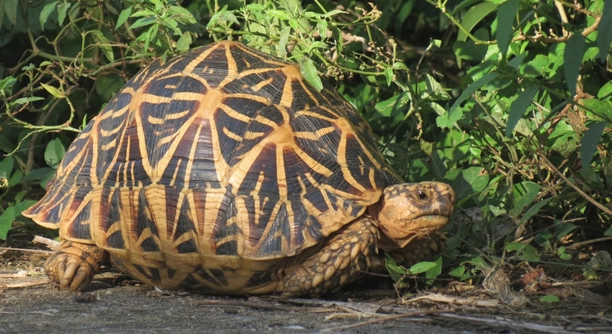
Traveling with Indian Star Tortoises requires careful planning and consideration. These charming reptiles make wonderful pets, but ensuring their comfort and safety on trips is essential. Here are seven tips to help you along the way.
When traveling with Indian Star Tortoises, it’s crucial to maintain a safe, controlled environment, ensure hydration, and minimize stress. Plan ahead for proper transport containers and avoid extreme temperatures to keep them comfortable during the journey.
Understanding these basic principles will help you make your tortoise’s travel experience smoother and safer.
Choose the Right Transport Container
Selecting the right transport container is one of the most important steps when traveling with your Indian Star Tortoise. Make sure the container is spacious enough for them to move comfortably but not too large that they might get tossed around. A secure lid is essential to prevent escapes. It’s also a good idea to add some soft bedding, like straw or a towel, to make them feel more secure. Look for containers designed specifically for reptiles, as they are usually more suitable for maintaining temperature and ventilation.
The container should be sturdy and easy to handle. Look for one with good ventilation to allow for proper airflow. This helps avoid overheating and gives your tortoise the air it needs to breathe easily.
You want your tortoise to feel safe, so avoid using too many items inside the container. A small water dish and maybe a piece of hide for comfort should be sufficient. Too much clutter could stress them out. Keeping things simple will ensure their well-being during transport.
Keep the Temperature in Check
Maintaining the right temperature is crucial for your tortoise’s comfort. Make sure the transport container stays within a comfortable temperature range, ideally between 75°F to 85°F. Too hot or cold temperatures can cause stress or health issues.
A portable heat pack can help maintain warmth, but don’t place it directly on the tortoise. Instead, position it at one end of the container to create a gradient of temperature. This way, your tortoise can choose a spot that feels comfortable. On the other hand, if it’s too hot, provide cooling by opening a small ventilation hole in the container.
Long exposure to extreme temperatures, especially when traveling in a car or on a plane, can lead to serious issues. If possible, check the temperature regularly and adjust accordingly. Pay close attention when traveling during summer or winter months, as external temperatures may fluctuate significantly. With careful planning, your tortoise will remain comfortable, healthy, and stress-free.
Hydrate Before and During Travel
It’s important to ensure your Indian Star Tortoise stays hydrated before and during the trip. Provide fresh water the night before travel so your tortoise can drink. Dehydration can stress them out and affect their health.
Pack a small, shallow water dish in the transport container to allow your tortoise to drink while on the move. You can also lightly mist the container with water to help maintain humidity. Be sure to check the water every few hours to make sure it’s not spilled or contaminated. If traveling for a long time, stop periodically to offer more water.
Dehydration can lead to a number of health issues, including skin shedding problems and digestive issues. Keeping water available at all times is crucial. If you’re flying, bring a bottle of water with you to offer them whenever possible. Always ensure the water stays clean to avoid contamination, which can quickly make your tortoise sick.
Minimize Stress
Stress can affect the health of your tortoise. Keep the environment as calm as possible, especially if traveling by car or plane. The noise, vibration, and sudden movements can be overwhelming for them.
Try to limit the number of times the container is moved or opened, as this can be distressing. Keep the transport container in a quiet, stable place where they won’t be disturbed too much. If traveling by car, avoid sudden stops or loud noises that might startle them. Keep the vehicle temperature at a comfortable level, and avoid traveling during busy times, which could lead to a chaotic and stressful experience for both you and your tortoise.
Consider using a soft, calming cover over the container, which can help reduce outside noise and give your tortoise a sense of security. While it’s important to keep things stable, occasional checks are fine, but don’t open the container too often. Just a few moments of peace will go a long way in reducing your tortoise’s stress during travel.
Avoid Long Trips
Long trips can be exhausting for your Indian Star Tortoise. It’s important to plan your travel time carefully. Shorter trips are generally better to avoid stress and physical strain.
If you must travel long distances, try to break up the trip into smaller segments. Stopping every few hours allows you to check on your tortoise, offer water, and make sure everything is still comfortable. This will also help reduce anxiety and prevent long periods of stillness. Make sure your tortoise has enough space to move around in its container, especially on extended trips.
Plan for a Safe Arrival
Upon arrival, immediately set up a safe and comfortable environment for your tortoise. This helps them adjust more quickly and avoid added stress. Make sure the area is quiet and free from sudden movements or loud noises.
Check the temperature and humidity levels, as these will play a big role in how your tortoise adjusts to the new location. Set up a place where they can rest comfortably and ensure that they have access to clean water right away. Offering food soon after arrival might not be necessary but should be available once they have settled.
Choose the Right Food for Travel
Travel can affect your tortoise’s appetite, but having familiar food on hand can help keep their diet consistent. Pack dry food or their usual greens so they can eat if they feel like it. Avoid fresh, wet food during travel, as it could spoil.
FAQ
How can I make sure my Indian Star Tortoise is comfortable during the trip?
Making sure your tortoise is comfortable starts with proper preparation. Use a well-ventilated, secure container that’s just the right size. It should be big enough for them to move slightly but not too large, which can cause them to feel insecure. Add soft bedding to reduce any discomfort and to help them feel safe. Keep the environment stable by avoiding sudden temperature changes and loud noises. A quiet, calm space during travel is key to reducing stress. Don’t forget to offer water before and during the trip to keep them hydrated.
Should I feed my tortoise during travel?
Feeding your tortoise during travel isn’t always necessary. Most Indian Star Tortoises can go without food for a short period. It’s best to offer food after you’ve arrived and they’ve had time to adjust to their new surroundings. You can pack familiar dry food or greens, but avoid wet foods, as they might spoil during travel. Make sure water is available at all times to keep them hydrated, as this is more important than food while traveling.
What’s the best temperature to keep my tortoise during travel?
The ideal temperature for your Indian Star Tortoise is between 75°F and 85°F. Temperatures outside of this range can cause stress or health issues. If you’re traveling in colder weather, you can use a portable heat pack to maintain warmth. Keep the heat source away from the tortoise, and place it at one end of the container to create a temperature gradient. This allows your tortoise to choose a spot that suits them best. For hot weather, be sure the container is well-ventilated and consider keeping it in a shaded area to prevent overheating.
How often should I check on my tortoise during travel?
While it’s important to check on your tortoise, you don’t want to disturb them too much. If traveling by car, checking every few hours is a good idea. When you stop, make sure the temperature is stable and they have access to clean water. Avoid opening the container too often, as this can stress them out. If flying, the checks will be less frequent but make sure the flight attendants know your tortoise needs hydration.
Can I travel with my Indian Star Tortoise on a plane?
Yes, you can fly with your tortoise, but there are a few things to consider. First, you’ll need to check the airline’s policy on traveling with reptiles, as some might have specific guidelines. A well-ventilated, secure travel container is essential, and it should fit under the seat in front of you for ease of access. Make sure your tortoise is hydrated before and during the flight. Also, keep in mind that temperature control may be difficult, so choose your flight times carefully and avoid traveling during peak summer or winter months.
What should I do if my tortoise seems stressed during travel?
If your tortoise seems stressed, check for any obvious issues, such as temperature imbalances or lack of hydration. Stress can be caused by loud noises, sudden movements, or unfamiliar environments. Keep the travel area as calm as possible and avoid opening the container unnecessarily. If you’re traveling by car, ensure that the container is secured and placed in a stable position to reduce vibrations and sudden shifts. If traveling by plane, try to speak with flight attendants about keeping the tortoise in a quiet, stable area of the cabin.
How do I prevent my tortoise from escaping during travel?
To prevent escapes, make sure the transport container has a secure, tightly fitting lid. Indian Star Tortoises are known to be quite determined, so ensure the container is designed specifically for reptiles. The last thing you want is for your tortoise to escape in an unfamiliar location. Before sealing the lid, check that all ventilation holes are small enough to prevent them from squeezing out. If you’re unsure, double-check the container’s security before departure.
Is it okay to travel long distances with my tortoise?
While short trips are ideal, it’s possible to travel long distances with your tortoise with proper planning. For long trips, break the journey into manageable segments. Stop every few hours to check on your tortoise, offer water, and ensure the temperature is regulated. Avoid traveling long distances if your tortoise is elderly or in poor health, as it can cause unnecessary stress and discomfort. Planning frequent breaks and ensuring a calm, comfortable environment will help your tortoise handle long-distance travel better.
What should I do if my tortoise refuses to eat after traveling?
After a long trip, it’s not uncommon for your tortoise to refuse food. Travel can be stressful, and they may need some time to adjust to their new environment. Make sure they have access to fresh water and are in a quiet, comfortable space. Allow them time to settle in. If your tortoise still refuses food after a couple of days, consult with a vet to make sure there are no underlying health concerns. It’s always best to err on the side of caution when it comes to your pet’s health.
Can I use a heat lamp during travel to keep my tortoise warm?
Using a heat lamp while traveling is not ideal due to safety concerns and limited space. Instead, use a portable heat pack, which is safer and more convenient for transport. Heat packs provide a steady source of warmth without the risk of burning or overheating. Place the heat pack at one end of the container to create a gradient, allowing your tortoise to move to a cooler or warmer area as needed. Heat lamps are better suited for stationary environments, such as a home setup, rather than during transit.
Traveling with your Indian Star Tortoise requires careful attention to their comfort and safety. By planning ahead and understanding their needs, you can ensure that your tortoise stays relaxed and healthy throughout the trip. Whether you’re traveling by car, plane, or train, providing the right environment, hydration, and temperature control is essential. A secure container, adequate space, and ventilation are also important for reducing stress and keeping your tortoise safe during the journey.
It’s important to remember that each tortoise is unique and may react differently to travel. While some may handle the stress of being in a new environment better than others, it’s essential to pay close attention to signs of stress or discomfort. This could include lack of appetite, lethargy, or excessive movement in the container. If you notice any of these signs, take a moment to reassess the conditions and try to create a calmer environment. Traveling with a pet can be stressful for both you and them, so keeping calm and staying prepared can make the experience smoother.
Ultimately, the goal is to minimize stress and make the experience as comfortable as possible for your Indian Star Tortoise. Ensuring their hydration, maintaining proper temperatures, and offering familiar food can go a long way. A little preparation can make the difference between a smooth trip and one filled with difficulties. If you ever have concerns or uncertainties during the trip, it’s always a good idea to consult with a vet or expert to ensure that everything is in order. With the right care, your tortoise will be able to travel safely and comfortably.

Hello,
If you enjoy the content that we create, please consider saying a "Thank You!" by leaving a tip.
Every little bit helps us continue crafting quality advice that supports the health, happiness, and well-being of pets around the world, for pets of all shapes, sizes, and species.
We really appreciate the kindness and support that you show us!