
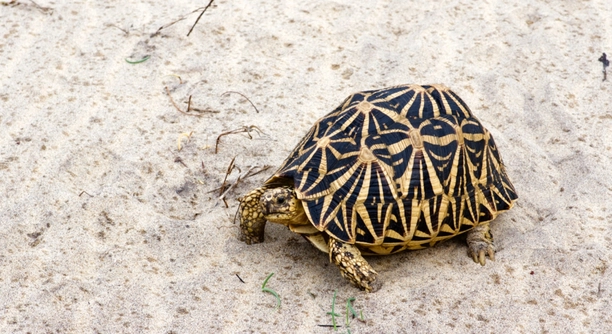
Do you ever find yourself wondering if rosemary is safe for your Indian star tortoise? Understanding which herbs are beneficial and which ones to avoid is essential for maintaining a healthy diet for your pet.
Indian star tortoises can eat rosemary in moderation, but it should not be a staple in their diet. While rosemary is non-toxic, it contains strong aromatic compounds that may cause digestive discomfort. Providing a variety of safe, leafy greens is the best approach.
Some herbs can be harmful to your tortoise and should be avoided. Learning which ones to exclude will help you create a well-balanced and nutritious diet for your pet.
Can Indian Star Tortoises Eat Rosemary?
Rosemary is safe for Indian star tortoises when given in small amounts. This herb is non-toxic, but its strong aroma and essential oils can be overwhelming. Tortoises thrive on a diet rich in leafy greens, so rosemary should be an occasional addition rather than a staple. Offering a variety of safe plants ensures proper nutrition and digestive health. When feeding rosemary, ensure it is fresh and pesticide-free. Dried rosemary can be too strong and may be harder to digest. While it is not harmful, there are better herb choices for daily consumption.
Indian star tortoises have specific dietary needs, and herbs should be given in moderation. While rosemary is not dangerous, it does not offer significant nutritional benefits. A diet based on high-fiber plants like dandelion greens, hibiscus, and mulberry leaves is ideal for their long-term health.
Some herbs can negatively affect your tortoise’s health. Avoiding unsafe options is just as important as providing nutritious foods. Understanding which herbs to exclude will help prevent digestive issues and maintain a balanced diet.
Herbs to Avoid
Certain herbs contain compounds that may cause digestive problems or toxicity in Indian star tortoises. It is essential to recognize these plants and keep them out of your pet’s diet.
Toxic herbs like chives, garlic, and onion should never be fed to a tortoise. These plants contain compounds that can lead to digestive distress and long-term health complications. Mint, while not toxic, has strong aromatic oils that can irritate the digestive system. Basil and oregano are also best avoided, as they contain essential oils that may be too strong for regular consumption. Instead of these herbs, offer safe options like clover, mulberry leaves, and hibiscus flowers.
Providing a well-balanced diet is the key to keeping your tortoise healthy. Focusing on nutrient-rich plants while avoiding potentially harmful herbs will help support digestion and overall well-being. Safe feeding habits will ensure your tortoise thrives.
Safe Herbs for Indian Star Tortoises
Tortoises can enjoy several safe herbs that provide added variety to their diet. Hibiscus, mulberry leaves, and dandelion greens are excellent choices. These plants offer essential nutrients and fiber, promoting healthy digestion. Fresh, pesticide-free herbs should always be chosen to ensure safety and proper nutrition.
Hibiscus flowers and leaves are rich in fiber and antioxidants, making them a great dietary addition. Mulberry leaves provide essential nutrients and are easily digestible. Dandelion greens contain calcium and vitamin A, supporting shell and overall health. These herbs can be fed regularly but should be part of a balanced diet. Mixing them with other safe greens like plantain leaves and clover ensures variety. Fresh herbs are best, but dried versions can be used occasionally if they are free from additives. Offering a diverse selection helps maintain interest in food and prevents dietary imbalances.
Parsley and cilantro can be given in moderation, but they should not replace staple greens. While they contain beneficial vitamins, excess parsley can interfere with calcium absorption due to its oxalate content. Cilantro has a strong taste, and some tortoises may not prefer it. Providing small amounts alongside staple greens allows variety without affecting overall nutrition. Always monitor your tortoise’s reaction to new herbs.
Feeding Tips for a Balanced Diet
A balanced diet should consist primarily of high-fiber plants with occasional herb additions. Leafy greens should make up the majority of meals, while fruits and other treats should be rare. Tortoises thrive on a diet that mimics their natural grazing habits, ensuring proper digestion and shell health.
Feeding a variety of safe plants prevents nutrient deficiencies and maintains interest in food. Rotate herbs and greens regularly to provide different nutrients. Wash all plants thoroughly to remove pesticides or contaminants. If using store-bought herbs, choose organic options whenever possible. Introduce new foods slowly to observe any reactions, and remove anything that causes digestive discomfort. Feeding schedules should be consistent, providing fresh food daily.
Supplementing with calcium is essential for maintaining a strong shell. Sprinkle calcium powder on food a few times a week, especially if your tortoise does not receive enough natural sunlight. Proper hydration is also crucial, so always provide fresh water. A well-planned diet ensures long-term health and well-being.
How Often to Feed Herbs
Herbs should be offered in small amounts a few times a week. They should not replace staple foods like leafy greens but can add variety. Rotating different herbs helps provide a range of nutrients while preventing dietary imbalances. Always observe your tortoise’s response to new foods.
Overfeeding herbs can lead to digestive issues or an unbalanced diet. Some herbs, like parsley, contain compounds that can interfere with calcium absorption if given in excess. Stick to feeding small portions alongside nutrient-rich greens. Ensuring variety in the diet supports overall health and prevents nutritional deficiencies.
Signs of Dietary Imbalance
A poor diet can lead to lethargy, shell deformities, or digestive problems. Soft shells, lack of appetite, or abnormal stool indicate nutritional deficiencies. Monitoring food intake and adjusting portions helps maintain long-term health. Providing a balanced diet ensures proper growth and overall well-being.
Final Thoughts
A well-balanced diet with occasional herbs supports a tortoise’s health. Choosing safe options and feeding them in moderation prevents digestive issues. Providing a variety of nutrient-rich greens alongside herbs helps maintain a healthy, active tortoise.
FAQ
Can Indian star tortoises eat rosemary every day?
Rosemary should not be a daily part of a tortoise’s diet. While it is not toxic, it has strong essential oils that can be difficult to digest in large amounts. Feeding small portions occasionally is safe, but it should not replace staple greens. A balanced diet with fiber-rich plants is best.
Is dried rosemary safe for Indian star tortoises?
Dried rosemary is not ideal due to its concentrated oils. Fresh herbs are always a better option since they retain more nutrients and have a higher water content. If offering dried rosemary, ensure it is free from additives and only provide a very small amount infrequently.
What herbs are best for Indian star tortoises?
Safe herbs include hibiscus, dandelion greens, mulberry leaves, and plantain. These provide essential vitamins, fiber, and hydration. Herbs like cilantro and parsley can be given in moderation, but they should not replace staple foods. A variety of greens ensures proper nutrition and prevents deficiencies.
Can Indian star tortoises eat basil?
Basil is safe in small amounts. It has a strong flavor and essential oils that may not be well tolerated in large portions. While not harmful, it should be an occasional treat rather than a regular part of the diet. Mixing it with other greens helps maintain balance.
Which herbs should be avoided?
Avoid feeding chives, onion greens, and garlic, as they contain compounds that can be harmful to tortoises. Herbs with high oxalate content, like sorrel and spinach, should also be limited since they can interfere with calcium absorption. Sticking to safe, nutrient-rich plants is the best approach.
Can Indian star tortoises eat mint?
Mint is non-toxic but should be fed sparingly. Its strong aroma and essential oils can cause digestive discomfort in some tortoises. If introducing mint, offer a small piece and observe how your tortoise reacts before making it a semi-regular addition to the diet.
How can I introduce new herbs to my tortoise’s diet?
New herbs should be introduced gradually to prevent digestive issues. Start with small amounts mixed into their regular greens. Monitor their response and adjust portions accordingly. If they refuse a new herb, try offering it in different ways or mixing it with familiar foods.
Can I grow safe herbs for my tortoise at home?
Growing herbs at home is a great way to ensure they are fresh and pesticide-free. Safe options like hibiscus, dandelion, and plantain can be grown in pots or gardens. Avoid using chemical fertilizers or pesticides, as these can be harmful when ingested by tortoises.
Do herbs provide enough nutrition for tortoises?
While herbs can add variety and some nutrients, they should not be the main food source. Leafy greens and high-fiber plants should make up the bulk of their diet. Herbs serve as a supplement, offering additional vitamins and minerals in moderation.
How do I know if my tortoise dislikes a certain herb?
Tortoises will often ignore or push away food they dislike. If they consistently avoid a certain herb, they may not enjoy the taste or texture. Try offering it in different forms or mixing it with their favorite greens, but never force them to eat something they reject.
Final Thoughts
Indian star tortoises can eat rosemary in small amounts, but it should not be a major part of their diet. While rosemary is not toxic, its strong essential oils and tough texture make it less than ideal for regular feeding. A diet rich in fiber, hydration, and essential nutrients is necessary for their health. Safe greens, such as dandelion, hibiscus leaves, and mulberry, should be the foundation of their meals. Herbs like rosemary, basil, and mint can be offered occasionally, but always in moderation. Feeding a variety of plants ensures a balanced diet and helps prevent nutritional deficiencies.
Understanding which herbs to avoid is just as important. Chives, onion greens, and garlic contain harmful compounds that can negatively affect a tortoise’s health. High-oxalate herbs, like sorrel and spinach, can interfere with calcium absorption, increasing the risk of metabolic bone disease. It is always best to research before introducing new foods and to prioritize natural, nutrient-dense options. If unsure about a particular herb, consulting a reptile veterinarian can provide additional guidance. Providing fresh, pesticide-free plants is essential for keeping tortoises healthy, especially when growing herbs at home.
A well-balanced diet supports a tortoise’s growth, digestion, and overall well-being. While small amounts of rosemary may not cause harm, it is not necessary for their diet. Focusing on nutrient-rich greens, occasional fruits, and calcium sources will help maintain long-term health. Paying attention to dietary variety, portion sizes, and safe food choices ensures your tortoise thrives in captivity.

Hello,
If you enjoy the content that we create, please consider saying a "Thank You!" by leaving a tip.
Every little bit helps us continue crafting quality advice that supports the health, happiness, and well-being of pets around the world, for pets of all shapes, sizes, and species.
We really appreciate the kindness and support that you show us!