
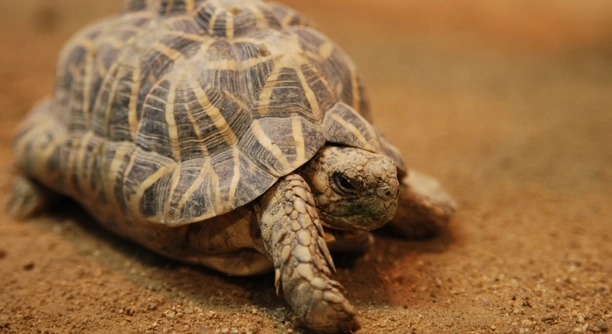
Is your Indian star tortoise acting differently than usual? Changes in behavior, appetite, or movement could indicate an underlying health issue. Recognizing early signs of illness is essential to ensure your tortoise receives the care it needs.
Common signs of illness in Indian star tortoises include lethargy, loss of appetite, respiratory issues, shell abnormalities, and unusual stool. Identifying these symptoms early allows for prompt intervention, preventing complications that could impact your tortoise’s health and well-being.
Understanding these warning signs can help you take the right steps to support your tortoise’s long-term health. Knowing when to act ensures your pet receives timely care and remains in the best condition possible.
Lethargy and Weakness
A healthy Indian star tortoise is active and responsive to its environment. If your tortoise is spending excessive time hiding, showing little interest in movement, or struggling to support its body weight, it could indicate an underlying health issue. Lethargy can be linked to dehydration, infections, nutritional deficiencies, or improper temperatures. Ensuring proper husbandry is essential for maintaining energy levels.
In some cases, lethargy may be accompanied by a lack of appetite or difficulty moving. These signs should not be ignored, as they can worsen without intervention. Addressing the issue early can prevent further health complications.
Providing a warm, stable environment, access to fresh water, and a balanced diet can support recovery. If your tortoise remains weak despite proper care, a veterinarian can assess for infections or metabolic disorders. Identifying the cause of lethargy is crucial for maintaining long-term well-being.
Loss of Appetite
A sudden decrease in appetite is often a sign of illness. If your tortoise refuses food for several days, it could indicate digestive problems, stress, or an infection. Identifying changes in eating habits early can prevent weight loss and malnutrition.
Environmental factors, such as low temperatures or improper humidity levels, can affect digestion and appetite. Stress from habitat changes or the presence of other animals may also contribute. Parasites and respiratory infections can make eating difficult, leading to further complications. Ensuring a proper diet with fresh greens, calcium supplementation, and adequate hydration supports digestive health.
If your tortoise continues to refuse food despite correcting environmental factors, a veterinarian can perform tests to rule out underlying illnesses. Tube feeding may be necessary in severe cases to prevent weight loss and organ damage. Regular monitoring of eating habits helps detect potential health concerns early, ensuring a healthy and active tortoise.
Respiratory Issues
Labored breathing, wheezing, or nasal discharge may indicate a respiratory infection. These infections often result from improper humidity levels or exposure to cold temperatures. Left untreated, they can progress into serious complications affecting the lungs and overall health.
Respiratory infections can cause lethargy, mouth breathing, and excessive mucus. A tortoise may stretch its neck frequently to breathe or produce a clicking sound. These symptoms can worsen if not addressed quickly. Keeping the enclosure at the appropriate temperature and humidity levels reduces the risk of respiratory distress. Stress and poor nutrition can weaken the immune system, making infections more likely.
Veterinary care is necessary for persistent respiratory symptoms. A veterinarian may prescribe antibiotics or supportive care, such as fluid therapy, to aid recovery. Isolating the affected tortoise from others can prevent the spread of infection. Prompt action ensures a better chance of recovery and prevents long-term complications.
Shell Abnormalities
A healthy shell should be firm, smooth, and free of soft spots or cracks. Discoloration, pyramiding, or deformities may indicate metabolic bone disease or a nutritional imbalance. Proper calcium intake and UVB lighting are essential for maintaining strong shell growth.
Soft shells can result from calcium deficiency or inadequate UVB exposure. Pyramiding, characterized by raised scutes, often develops from excess protein in the diet or insufficient humidity. Shell rot, a bacterial or fungal infection, can cause lesions and foul odors. Regular cleaning and maintaining proper humidity levels help prevent infections. Checking the shell for irregularities can help catch issues early.
If shell abnormalities persist, veterinary intervention is necessary. Treatment may include dietary adjustments, calcium supplementation, or topical medication for infections. Severe cases of metabolic bone disease may require long-term care. Addressing shell health early ensures proper development and prevents irreversible damage.
Unusual Stool
Changes in stool consistency, color, or frequency can indicate digestive issues or infections. Diarrhea may result from parasites, bacterial infections, or an improper diet. Hard, dry stools could signal dehydration or low fiber intake. Monitoring stool regularly helps detect early signs of health problems.
Bloody or mucus-filled stool requires immediate veterinary attention. Parasites and infections can lead to severe gastrointestinal distress if untreated. A balanced diet with proper hydration supports digestive health. If stool irregularities persist despite dietary adjustments, a veterinarian can conduct tests to identify underlying causes and provide appropriate treatment.
Swollen Eyes
Swollen or puffy eyes can result from vitamin A deficiency, bacterial infections, or poor enclosure conditions. Lack of vitamin A affects eye health and immune function. Dusty bedding, debris, or incorrect humidity levels can irritate the eyes, leading to inflammation and discomfort. Identifying the cause helps prevent worsening symptoms.
Erratic Behavior
Unusual aggression, excessive hiding, or frequent pacing may indicate stress or discomfort. Environmental factors, improper temperatures, or illness can contribute to behavioral changes. Observing behavior patterns helps identify potential issues early. Ensuring a stable habitat with appropriate lighting, temperature, and enrichment can help regulate behavior and maintain overall well-being.
FAQ
What should I do if my Indian star tortoise isn’t eating?
If your tortoise isn’t eating, it could be due to stress, improper temperature, or illness. Start by checking the enclosure’s temperature and humidity levels. Ensure there is proper lighting, including UVB light, which is crucial for appetite and overall health. If environmental factors are correct and the tortoise still refuses food, it could indicate a health issue, such as a respiratory infection or digestive problems. In this case, a veterinarian visit is essential. It’s important not to wait too long, as prolonged lack of appetite can lead to malnutrition and dehydration.
How can I tell if my tortoise is dehydrated?
Dehydration in tortoises can be difficult to detect, but there are signs to watch for. If your tortoise’s skin appears dry, wrinkled, or loose, it may be dehydrated. Another indicator is if the eyes look sunken or there’s a lack of urination. Ensuring access to fresh water is crucial, and soaking your tortoise in warm water for 15-20 minutes a few times a week can help with hydration. If signs of dehydration persist, consult a veterinarian.
Why is my tortoise’s shell soft?
A soft shell is typically a sign of calcium deficiency or poor UVB lighting. Calcium is essential for maintaining a strong, healthy shell, and a lack of it can lead to metabolic bone disease. Ensure your tortoise is getting enough calcium through its diet (such as dark leafy greens) and that it has access to UVB light for proper calcium absorption. If you notice your tortoise’s shell remains soft despite these measures, seek advice from a veterinarian.
What temperature should my tortoise’s enclosure be?
Indian star tortoises thrive in a temperature range between 80-90°F during the day. The basking spot should be warmer, around 95°F. At night, the temperature can drop to 70-75°F. Consistency is key; fluctuations can stress your tortoise and lead to health problems. Ensure that you have both a cooler and warmer side in the enclosure, allowing your tortoise to regulate its body temperature by moving between them.
How can I prevent shell rot in my tortoise?
Shell rot is often caused by a bacterial or fungal infection that occurs when the shell is damaged or the environment is too moist. To prevent shell rot, maintain a dry and clean environment with proper humidity levels. Avoid overly wet bedding and regularly clean the enclosure. If your tortoise develops any cracks, cuts, or soft spots on its shell, they should be treated immediately to prevent infection. If symptoms of shell rot appear, such as foul-smelling lesions, seek veterinary care.
What should I feed my Indian star tortoise?
Indian star tortoises are herbivores and require a varied diet of leafy greens, grasses, and occasional vegetables. Safe foods include dandelion greens, collard greens, and clover. Avoid feeding them high-protein foods like meat or excessive fruit. A proper diet is vital for their health and shell development. You can supplement their diet with calcium powder, especially if they’re not getting enough from natural sources. Always provide fresh water for drinking.
Is it normal for my tortoise to sleep a lot?
Tortoises can be quite active during the day but may sleep a lot during cooler months. If your tortoise is in a period of hibernation, this is natural behavior. However, if a tortoise is sleeping more than usual during warmer months, it may be a sign of illness. Check if your tortoise is eating, drinking, and moving around. If it continues to sleep excessively without signs of normal activity, consult a veterinarian.
How can I ensure my tortoise has a proper environment?
A proper environment is crucial for the health of your Indian star tortoise. You’ll need a large enclosure with both a warm basking area (95°F) and a cooler side (70-75°F). Ensure that the enclosure has adequate UVB lighting to help with calcium absorption. Use a humidity level of around 50-70%. Substrate should be dry and easy to clean. Regular cleaning of the enclosure and monitoring of temperature and humidity is essential to keep your tortoise comfortable and healthy.
Why is my tortoise acting aggressively?
Aggressive behavior in tortoises can be caused by stress, improper living conditions, or environmental changes. Tortoises may act aggressively if they feel threatened or if there is not enough space in the enclosure. It can also occur during breeding season or if they are kept with incompatible animals. Ensure that your tortoise has a proper-sized enclosure and that environmental conditions are ideal. If aggression persists, it’s worth consulting a veterinarian or animal behavior specialist.
What are the signs of a respiratory infection in my tortoise?
Signs of a respiratory infection in tortoises include nasal discharge, wheezing, labored breathing, and mouth breathing. Tortoises may also exhibit lethargy or reduced appetite. Respiratory infections are commonly caused by improper temperature or humidity in the enclosure. If you notice these symptoms, it’s important to seek veterinary care immediately, as untreated respiratory infections can worsen quickly and affect your tortoise’s overall health.
When should I take my tortoise to the vet?
If your tortoise shows signs of illness, such as loss of appetite, lethargy, swelling, or abnormal stool, it’s time to visit a vet. Even subtle changes in behavior or health can indicate a deeper issue. Regular check-ups with an experienced exotic pet vet are also important to ensure your tortoise’s overall well-being.
Final Thoughts
Taking care of an Indian star tortoise requires attention to detail, consistency, and a focus on their environment. Their health can easily be impacted by small changes in their habitat, diet, or overall care routine. From monitoring the temperature and humidity to ensuring they are getting the right nutrients, every aspect of their care matters. Being proactive and observing your tortoise regularly can help catch potential health problems early, making it easier to address issues before they become serious.
Understanding the signs of illness is key to keeping your tortoise healthy. If you notice anything unusual, whether it’s a change in eating habits, behavior, or physical appearance, don’t hesitate to seek professional help. Tortoises are hardy creatures, but they can also hide symptoms of illness until it becomes more severe. Regular vet check-ups are essential to ensure they are thriving. A well-maintained environment with proper lighting, clean water, and a balanced diet will go a long way in supporting your tortoise’s long-term health and happiness.
Owning an Indian star tortoise can be a rewarding experience, but it requires responsibility and dedication. These tortoises can live for decades, so you’ll need to plan for their long-term care. Make sure you are prepared to provide them with the proper care throughout their lives. With the right environment, diet, and attention, your tortoise will have the best chance at living a healthy and fulfilling life.

Hello,
If you enjoy the content that we create, please consider saying a "Thank You!" by leaving a tip.
Every little bit helps us continue crafting quality advice that supports the health, happiness, and well-being of pets around the world, for pets of all shapes, sizes, and species.
We really appreciate the kindness and support that you show us!