
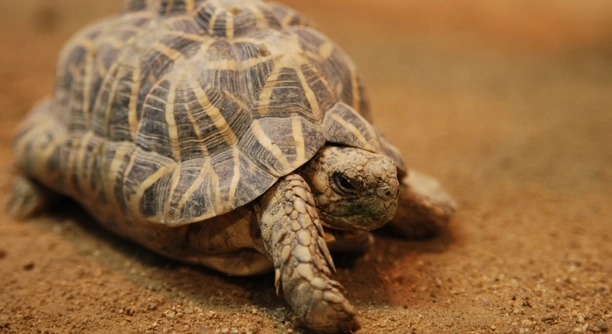
Do you ever find yourself wondering if Indian star tortoises can safely eat radishes as part of their diet? Understanding their nutritional needs is important to ensure they stay healthy and thrive in captivity. Some vegetables may be suitable, while others can cause harm.
Indian star tortoises can eat radishes, but only in moderation. Radishes contain compounds that may cause digestive discomfort if consumed in large amounts. It is best to offer them occasionally, alongside a well-balanced diet of leafy greens, grasses, and other safe vegetables.
While radishes may seem like a harmless treat, there are important factors to consider before feeding them to your tortoise. Learning about their effects and the best feeding practices will help you make informed choices for your pet’s well-being.
Nutritional Value of Radishes for Indian Star Tortoises
Radishes contain fiber, vitamin C, and some essential minerals, but they are not the most beneficial food for Indian star tortoises. Their high water content and slightly spicy taste can cause mild digestive issues if given in excess. While small amounts are generally safe, they should not replace staple foods like leafy greens and grasses. Tortoises require a diet that mimics their natural habitat, focusing on high-fiber, low-protein foods. Feeding too many radishes may lead to an imbalance in their diet, potentially affecting their health. It is best to mix them with other vegetables to ensure proper nutrition.
Feeding radishes occasionally can add variety, but moderation is key. A diet that is too rich in certain vegetables may lead to long-term health problems. Always consider your tortoise’s overall diet before introducing new foods.
Offering a well-balanced mix of greens, grasses, and occasional vegetables will keep your tortoise healthy. While radishes can be included in small amounts, they should not become a regular part of their diet. Proper meal planning ensures your tortoise gets all the nutrients it needs without unnecessary risks.
Safe Ways to Feed Radishes to Your Tortoise
Radishes should always be given in small portions. Feeding too much at once can cause digestive discomfort, making your tortoise feel unwell.
To safely introduce radishes, start by offering a small, thinly sliced piece mixed with other greens. This allows your tortoise to adjust without overwhelming its system. Always wash radishes thoroughly to remove any pesticides or chemicals. Avoid feeding the leaves too often, as they contain higher levels of certain compounds that may not be ideal for regular consumption. Mixing radishes with fiber-rich foods like dandelion greens or hibiscus leaves can help balance their effects. Variety is essential for a tortoise’s diet, so rotate different vegetables rather than relying on one type too often.
Observing how your tortoise reacts after eating radishes is important. If you notice any signs of digestive discomfort, such as reduced activity or changes in stool consistency, it’s best to remove radishes from their diet. Always provide fresh water and a mix of safe, nutritious foods to maintain their health.
Potential Risks of Feeding Radishes to Indian Star Tortoises
Feeding too many radishes can cause digestive discomfort due to their slightly spicy nature. Tortoises have sensitive digestive systems, and sudden dietary changes may lead to bloating or loose stools. It is best to offer radishes in small amounts to avoid any health issues.
Radishes contain compounds that can interfere with calcium absorption if consumed too often. Calcium is essential for shell and bone health, so an imbalanced diet can lead to long-term problems like metabolic bone disease. While an occasional radish won’t harm your tortoise, frequent feeding may contribute to deficiencies. Pairing radishes with calcium-rich foods can help balance their impact. Always monitor your tortoise’s behavior and digestion after introducing new foods.
Some tortoises may not enjoy radishes due to their strong taste. If your tortoise refuses to eat them, it’s best to offer other vegetables instead. Forcing new foods can cause stress, leading to decreased appetite or selective eating habits. Stick to vegetables that your tortoise enjoys while ensuring they receive proper nutrition. A varied diet with safe greens, grasses, and occasional vegetables will support their long-term health.
Best Vegetables to Include in Their Diet
Indian star tortoises thrive on a diet rich in leafy greens, grasses, and fibrous plants. Dark, leafy greens like collard greens, mustard greens, and dandelion greens provide essential nutrients. These vegetables support digestion and help maintain strong bones and a healthy shell.
A good diet should also include safe vegetables like squash, bell peppers, and hibiscus leaves. These add variety and provide additional vitamins without disrupting digestion. Avoid vegetables that are too watery or high in oxalates, as they may interfere with nutrient absorption. It is best to rotate different vegetables rather than feeding the same ones every day. A diverse diet helps prevent nutritional deficiencies and ensures balanced growth.
Providing the right foods will help your tortoise stay healthy and active. Always wash vegetables thoroughly, and offer them in appropriate portions. By following a well-planned diet, you can support your tortoise’s overall well-being while avoiding unnecessary risks.
How Often to Feed Radishes to Your Tortoise
Radishes should only be fed occasionally, not as a regular part of their diet. Offering a small portion once every few weeks is enough to prevent any digestive discomfort. Always mix them with other greens to balance their nutritional intake.
Feeding radishes too often may lead to digestive issues or imbalances in calcium absorption. Indian star tortoises require a diet that focuses on fibrous plants and grasses. Stick to foods that align with their natural diet to ensure they remain healthy and active.
Signs That Radishes May Not Agree With Your Tortoise
If your tortoise experiences loose stools, reduced appetite, or unusual lethargy after eating radishes, it may be best to remove them from their diet. Some tortoises have more sensitive stomachs than others and may not tolerate certain foods well. Always observe their behavior after introducing new vegetables.
Final Thoughts on Feeding Radishes
Radishes can be a part of your tortoise’s diet, but they should be given sparingly. A well-balanced diet with safe greens and grasses is the best way to keep your tortoise healthy. By offering a variety of foods in moderation, you can ensure proper nutrition without unnecessary risks.
FAQ
Can Indian Star Tortoises eat radish greens?
While radish greens are not toxic to tortoises, they should be fed in moderation. These greens contain higher levels of oxalates, which can interfere with calcium absorption if consumed frequently. It’s best to offer them occasionally, along with a variety of other greens that are lower in oxalates. A diet rich in calcium is essential for a tortoise’s health, so balancing radish greens with other leafy greens is important.
Are radishes safe for baby Indian Star Tortoises?
Radishes should be avoided for baby Indian star tortoises. Their digestive systems are more sensitive, and introducing spicy or fibrous foods like radishes can lead to digestive upset. It’s better to focus on softer, more easily digestible foods such as dandelion greens, kale, and hibiscus leaves. These provide the nutrients that are essential for growth without the risk of upsetting their delicate digestion.
How do I prepare radishes for my tortoise?
Radishes should always be washed thoroughly to remove any dirt or pesticides. Cut them into small, manageable pieces to make it easier for your tortoise to consume. You can serve them raw or lightly grated to avoid choking hazards. If your tortoise is not familiar with radishes, try mixing small pieces with their usual diet to encourage them to try it. Always serve them in moderation.
Can radishes cause kidney problems in Indian Star Tortoises?
Radishes themselves do not directly cause kidney problems. However, the high water content and potential digestive issues associated with overfeeding radishes can lead to problems in some tortoises. It’s important to feed them a balanced diet, as excessive consumption of any food that causes digestive upset can indirectly affect the kidneys or other organs over time. Stick to a varied diet of leafy greens, grasses, and occasional vegetables.
What other vegetables are good for Indian Star Tortoises?
Indian star tortoises benefit from a wide range of vegetables that are high in fiber and low in protein. Good options include dark leafy greens like collard greens, mustard greens, and dandelion greens. Squash, bell peppers, and carrots can also be offered occasionally. These vegetables provide essential vitamins and minerals without upsetting your tortoise’s digestive system. Avoid high-protein or high-water content vegetables, as they can disrupt their health.
Can Indian Star Tortoises eat radishes every day?
No, radishes should not be fed daily. They should be an occasional treat in a well-rounded diet. Offering them too often can lead to digestive issues due to their high fiber content and compounds that may interfere with nutrient absorption. Stick to a routine that includes a variety of safe vegetables, greens, and grasses to ensure your tortoise receives a balanced and healthy diet.
Are there any vegetables I should avoid feeding my Indian Star Tortoise?
Yes, there are several vegetables that should be avoided for Indian star tortoises. These include high-water content vegetables like cucumber and iceberg lettuce, as they offer little nutritional value and can lead to diarrhea. Also, avoid spinach, chard, and beet greens in excess, as they contain high levels of oxalates, which can interfere with calcium absorption and potentially lead to kidney or bladder issues. Always stick to vegetables that are low in oxalates and high in fiber.
How can I tell if my tortoise’s diet is balanced?
A balanced diet for your tortoise should consist of a variety of fiber-rich vegetables, grasses, and occasional fruits. Your tortoise should have regular bowel movements, and their shell should be smooth and free of deformities. If your tortoise shows signs of lethargy, has soft or irregular shells, or seems to be having digestive issues, their diet may need adjusting. Regular vet checkups are also a good idea to ensure your tortoise’s health is on track.
Can I feed my tortoise radishes from my garden?
If you’re feeding your tortoise radishes from your garden, make sure they are free from pesticides, chemicals, or any other harmful substances. Always wash the radishes thoroughly before serving them. Additionally, be mindful of the soil they were grown in, as contaminants could affect your tortoise’s health. It’s best to feed them organic, pesticide-free radishes from a trusted source to ensure they are safe for your pet.
What are the signs of radish-related digestive problems in tortoises?
If your tortoise experiences bloating, loose stools, or changes in behavior after eating radishes, they may be having difficulty digesting them. These symptoms may indicate that your tortoise’s digestive system is reacting to the radish, especially if it was fed in excess. In severe cases, your tortoise may become lethargic or refuse to eat. If these symptoms occur, remove radishes from their diet and consult a vet for further advice.
Can radishes cause an upset stomach in tortoises?
Yes, radishes can cause an upset stomach in tortoises if they’re not fed properly or if consumed too frequently. Their spicy and fibrous nature can irritate the digestive tract, leading to discomfort or loose stools. Offering radishes in small amounts and mixing them with other greens can help reduce the risk of digestive issues. If your tortoise shows signs of discomfort, discontinue feeding radishes and offer other more suitable vegetables.
When it comes to feeding Indian star tortoises, it’s important to be mindful of the types of food you offer. While radishes are not toxic to tortoises, they should only be given in moderation. They contain certain compounds that can cause digestive discomfort if fed too frequently. Offering a balanced diet of leafy greens, grasses, and safe vegetables is the best way to ensure your tortoise stays healthy and happy.
Radishes, especially the roots, can provide some nutrients like fiber and vitamin C. However, they also have a high water content and can be slightly spicy, which might upset your tortoise’s stomach if eaten in large quantities. The best approach is to offer them occasionally, mixed with other vegetables, to prevent any potential issues. Always keep an eye on your tortoise’s behavior and digestion after introducing new foods. If you notice signs of discomfort, it’s best to remove radishes from their diet.
Ultimately, the key to keeping your Indian star tortoise in good health lies in variety and moderation. Providing a range of safe foods, including dark leafy greens, grasses, and low-oxalate vegetables, will give your tortoise the nutrients it needs without putting its health at risk. By following these guidelines, you can ensure your pet enjoys a long and healthy life.

Hello,
If you enjoy the content that we create, please consider saying a "Thank You!" by leaving a tip.
Every little bit helps us continue crafting quality advice that supports the health, happiness, and well-being of pets around the world, for pets of all shapes, sizes, and species.
We really appreciate the kindness and support that you show us!