
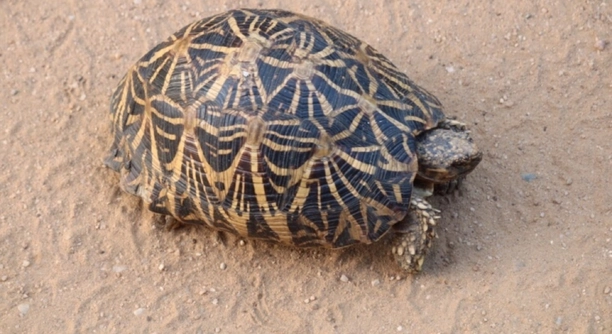
Do you ever find yourself watching your Indian Star Tortoise retreat into its shell more often than usual? This behavior can be puzzling, especially if your pet seems otherwise healthy. Understanding the reasons behind it can help ensure its well-being.
The most common reason your Indian Star Tortoise retreats into its shell is stress. Factors like loud noises, sudden movements, improper temperatures, or unfamiliar environments can cause them to seek shelter. Ensuring a calm and stable habitat can help reduce this behavior.
Creating a suitable environment for your tortoise is key to keeping it comfortable and stress-free. From habitat setup to handling techniques, there are many ways to encourage your pet to feel safe and secure.
Common Reasons for Shell Retreating
Your Indian Star Tortoise may retreat into its shell due to stress, fear, or discomfort. Loud noises, sudden movements, and unfamiliar surroundings can make it feel unsafe. Changes in temperature or improper humidity levels may also cause this behavior. Ensuring a stable and calm environment helps your tortoise feel more secure.
Another common reason is illness or injury. If your tortoise is frequently hiding, check for signs of respiratory issues, shell damage, or lethargy. Dehydration and malnutrition can also lead to withdrawal. If the behavior persists, a visit to the vet is a good idea.
Providing a proper diet, clean water, and a well-maintained habitat can prevent unnecessary stress. Avoid excessive handling and give your tortoise space when needed. A comfortable environment with plenty of hiding spots allows it to feel safe while still being active.
How to Make Your Tortoise Feel Safe
Creating a stress-free environment starts with proper habitat setup. Ensure the enclosure has enough space, hiding spots, and the right temperature. A consistent routine with minimal disturbances helps your tortoise feel secure.
A well-balanced diet and fresh water are also important. Lack of proper nutrition can affect its mood and behavior. Providing a variety of leafy greens and occasional treats ensures it stays healthy.
Monitoring your tortoise’s behavior can help you detect any problems early. If you notice excessive hiding, check for possible stressors. Adjusting lighting, humidity, or enclosure placement may improve its comfort. If the issue continues, consulting a vet ensures there are no underlying health concerns. Keeping a close eye on its well-being will help it feel safe and happy.
Signs of Stress in Your Tortoise
A stressed Indian Star Tortoise may hide frequently, refuse food, or become less active. It might also breathe heavily or show signs of aggression when handled. Observing these behaviors can help you determine if something in its environment is causing discomfort.
Changes in habitat conditions, such as improper temperature or humidity, can lead to stress. Loud noises and sudden movements can also make your tortoise feel unsafe. If your pet is avoiding interaction or showing irregular behavior, assess its surroundings. Small adjustments, like repositioning the enclosure or reducing disturbances, can make a big difference.
Another sign of stress is irregular basking behavior. If your tortoise is avoiding the heat source or spending too much time under it, the temperature setup may be incorrect. Ensuring a proper basking spot with a temperature gradient allows your tortoise to regulate its body heat comfortably.
Creating the Perfect Habitat
A spacious enclosure with proper heating and humidity is essential for your tortoise’s comfort. Include multiple hiding spots to provide a sense of security. A varied terrain with a mix of soft substrate and solid surfaces allows for natural movement and burrowing. Keeping the habitat clean helps prevent illness and stress.
Temperature and humidity levels should mimic the tortoise’s natural environment. A basking area between 85-95°F and a cooler zone around 75°F allow for proper thermoregulation. Humidity should be kept at 50-70% to maintain shell health. Using a thermometer and hygrometer helps monitor these conditions accurately.
Proper lighting is also important. A UVB light source is necessary for calcium absorption and shell growth. Without it, your tortoise may develop health issues that lead to increased hiding and inactivity. Replacing UVB bulbs regularly ensures they provide the necessary benefits for your tortoise’s well-being.
Handling Your Tortoise Properly
Frequent handling can cause stress, especially if your tortoise is not used to it. Move slowly and gently when picking it up, supporting its body from underneath. Avoid sudden movements or loud noises, as these can make it retreat into its shell.
Limit handling sessions to short periods and observe how your tortoise reacts. If it tucks into its shell or struggles, give it time to adjust. Regular, gentle interactions help build trust over time, making your tortoise more comfortable with handling.
Providing Mental Stimulation
Enriching your tortoise’s environment helps prevent boredom and stress. Adding rocks, logs, and tunnels encourages natural behaviors like climbing and exploring. Changing the enclosure layout occasionally keeps things interesting. A varied diet with different textures and flavors also provides mental stimulation, ensuring your tortoise remains active and engaged.
When to Seek Veterinary Help
If your tortoise remains withdrawn despite changes to its habitat and care, an underlying health issue may be the cause. Lethargy, weight loss, or abnormal breathing are signs that require veterinary attention. A professional can assess for infections, nutritional deficiencies, or other medical concerns affecting your tortoise’s behavior.
FAQ
Why does my Indian Star Tortoise hide all day?
Your tortoise may be hiding due to stress, incorrect temperatures, or a lack of security. If the enclosure is too cold, too hot, or lacks proper hiding spots, it will seek shelter for comfort. Make sure its habitat meets temperature and humidity needs. Reducing noise and disturbances can also help.
Is it normal for my tortoise to stop eating when it hides?
Yes, but only for a short time. Stress, illness, or environmental changes can make your tortoise temporarily lose its appetite. If it continues refusing food for more than a few days, check its habitat conditions and look for signs of illness. A vet visit may be necessary if the issue persists.
Does handling my tortoise too much cause it to retreat into its shell?
Yes, frequent or rough handling can make your tortoise feel unsafe. If it retreats into its shell every time you pick it up, give it more time to adjust. Handle it gently and for short periods. Letting it explore your hand at its own pace can build trust over time.
Can improper lighting make my tortoise hide more?
Yes, a lack of proper UVB lighting can affect your tortoise’s behavior and health. UVB is essential for calcium absorption and shell development. Without it, your tortoise may become weak, inactive, and withdrawn. Replace UVB bulbs regularly and ensure your tortoise has access to both light and shade.
How can I tell if my tortoise is stressed or sick?
A stressed tortoise may hide more, refuse food, or become less active. A sick tortoise may show additional signs like wheezing, nasal discharge, swollen eyes, or shell abnormalities. If hiding behavior is paired with these symptoms, a vet visit is recommended to rule out any medical issues.
Why does my tortoise hide even when temperatures are correct?
Other factors like loud noises, sudden movements, or a lack of hiding spots could be the cause. Tortoises need a sense of security, so provide multiple shelters. If it still hides excessively, monitor for signs of illness, dehydration, or stress from changes in its environment.
Should I wake my tortoise if it hides for too long?
No, it’s best to let your tortoise come out on its own. Forcing it out can cause more stress. Instead, check habitat conditions and ensure everything is set up properly. If it stays hidden for days without eating or drinking, gently encourage movement and assess its health.
Can a new environment make my tortoise retreat into its shell?
Yes, tortoises need time to adjust to new surroundings. A change in enclosure, relocation, or even rearranging their habitat can cause stress. Give your tortoise a few days to settle in. Keeping its routine consistent and minimizing disturbances can help ease the transition.
What should I do if my tortoise won’t come out of its shell at all?
If your tortoise refuses to come out for long periods, check for signs of illness, injury, or extreme stress. Ensure the temperature, humidity, and lighting are correct. If your tortoise remains unresponsive or shows signs of weakness, consult a veterinarian for further evaluation.
Final Thoughts
Understanding why your Indian Star Tortoise retreats into its shell can help you create a more comfortable and stress-free environment. Stress, improper temperatures, and lack of security are the most common reasons for this behavior. Making small adjustments to the habitat, such as adding more hiding spots, ensuring correct temperature and humidity levels, and reducing loud noises, can make a big difference. Observing your tortoise’s behavior closely will help you determine what changes are needed to improve its comfort and well-being.
Proper care and handling also play an important role in keeping your tortoise happy. Avoid excessive handling, as this can make it feel unsafe. Instead, let your tortoise get used to your presence at its own pace. Providing a well-balanced diet, fresh water, and access to UVB lighting will keep it healthy and active. If your tortoise continues to hide excessively despite ideal conditions, a vet visit may be necessary to rule out any health concerns.
A healthy tortoise should feel secure in its environment while still engaging in normal activities like basking, exploring, and eating. Paying attention to its needs and making adjustments when necessary will help it feel safe and comfortable. With proper care, your Indian Star Tortoise can thrive and enjoy a peaceful, stress-free life in its enclosure.

Hello,
If you enjoy the content that we create, please consider saying a "Thank You!" by leaving a tip.
Every little bit helps us continue crafting quality advice that supports the health, happiness, and well-being of pets around the world, for pets of all shapes, sizes, and species.
We really appreciate the kindness and support that you show us!