
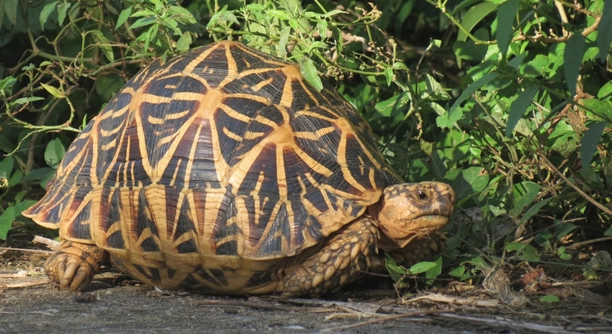
Indian Star Tortoises are gentle creatures that can experience stress in new environments. It’s essential to understand how to help them adapt and stay calm when introduced to unfamiliar spaces.
To keep Indian Star Tortoises calm in new environments, it is crucial to minimize stressors. Proper enclosure setup, temperature control, and a quiet, safe space will provide them with the stability needed to feel secure and comfortable.
In the following steps, we will guide you on creating the best environment for your tortoise’s well-being. Keeping them calm is easier than you think!
Step 1: Set Up a Comfortable Enclosure
A comfortable and secure enclosure is the first step in keeping your Indian Star Tortoise calm in a new environment. The enclosure should be spacious enough for them to move around freely, with ample hiding spots to help them feel safe. It should mimic their natural habitat, providing a mix of warmth and cool areas. Choose a substrate like coconut fiber or soft soil that retains moisture to keep the environment humid. Tortoises appreciate a safe, quiet spot where they can retreat if they feel threatened. Avoid loud noises or heavy foot traffic near their enclosure, as these can stress them out.
Setting up a proper enclosure can make a significant difference in their adjustment. They need consistency and security to feel settled in a new space. A suitable environment allows them to move at their own pace without the feeling of being exposed or vulnerable.
In addition, ensure the temperature is stable within the range that suits their species. Too much heat or cold can be distressing and may affect their health. A temperature-controlled space also helps to keep them calm and regulated. With everything set, your tortoise can start feeling at home sooner.
Step 2: Keep Things Quiet
Noise is often overlooked when it comes to calming your Indian Star Tortoise. They are sensitive to loud sounds, which can make them anxious.
Create a quiet area where they can retreat without being disturbed. A peaceful environment reduces stress and helps them adjust faster to new surroundings.
Step 3: Provide Hiding Spots
Indian Star Tortoises feel more secure with hiding spots in their enclosures. These spaces give them a chance to retreat when they feel stressed or need privacy.
Use rocks, logs, or ceramic hide boxes to create small, secluded areas. These hiding spots should be placed in corners of the enclosure to ensure they feel safe. Tortoises naturally enjoy privacy, especially in unfamiliar settings, and hiding spaces will help them adjust quicker. It’s important to make sure the spots are large enough for them to fit comfortably but not too big that they lose a sense of security.
Providing hiding spots is key to their mental well-being. It’s essential that these spots remain dry and clean to maintain a healthy environment. Adding a few hiding spaces encourages your tortoise to explore while still feeling safe. Over time, they’ll start using them more, feeling more at ease in their new surroundings.
Step 4: Maintain a Stable Temperature
Temperature plays a big role in keeping your tortoise calm. Maintaining a stable temperature helps to prevent stress and supports overall health.
Tortoises require both heat and cool areas in their habitat. Use a heat lamp to create a warm basking spot while also allowing for cooler corners for them to move to if they get too warm. The temperature should range between 75°F (24°C) to 85°F (29°C) during the day. At night, it should drop to around 65°F (18°C). Make sure your heat source is not too close to the ground or any hiding spots. This way, your tortoise can adjust its body temperature as needed.
Step 5: Offer a Balanced Diet
A proper diet helps keep your Indian Star Tortoise healthy and calm. Providing a variety of nutritious foods will help prevent any stress related to hunger or improper nutrition.
Feed them leafy greens like dandelion, clover, and collard greens. You can also add small amounts of vegetables like bell peppers or carrots. Avoid offering too many fruits, as they can upset their digestion. Consistent feeding times and a balanced diet make your tortoise feel more settled in their environment.
A healthy diet helps them stay active and vibrant, which plays a role in reducing anxiety. Offering fresh, varied food also mimics what they would eat in the wild, keeping them mentally stimulated and engaged.
Step 6: Provide Sunlight or UVB Light
UVB light is crucial for your tortoise’s health and well-being. If you can’t provide natural sunlight, using a UVB light bulb is a good alternative.
UVB light helps them produce vitamin D3, which is essential for absorbing calcium. This is particularly important for their shell and bone health. Keep the UVB light within 12 inches of the basking spot to make sure they get enough exposure. Proper lighting can reduce stress and help them stay physically active. A steady cycle of day and night with proper UVB lighting also helps regulate their natural sleep patterns.
Step 7: Minimize Handling and Disturbances
Handling your tortoise too often can cause unnecessary stress. It’s important to let them adjust to their environment at their own pace.
Try not to pick them up too frequently, especially when they are settling in. Allow them time to explore and get comfortable with their new space without feeling overwhelmed. If you need to handle them, do so gently and only for short periods.
FAQ
How long does it take for an Indian Star Tortoise to adjust to a new environment?
The time it takes for an Indian Star Tortoise to adjust can vary depending on the individual and the environment. Typically, it may take anywhere from a few days to a few weeks for them to feel fully comfortable. Younger tortoises may take less time to adjust, while older or more sensitive tortoises may need more time. Ensuring the environment is stable and stress-free will help them adapt faster. Avoid making frequent changes to their setup, as this can prolong their adjustment period. Allow them time to explore and settle at their own pace.
What should I do if my tortoise seems stressed in its new environment?
If your tortoise is showing signs of stress, such as hiding excessively, pacing, or not eating, it’s important to first check that the temperature, lighting, and humidity levels are correct. Stress can often be triggered by environmental factors, so ensuring the habitat is comfortable is key. If all environmental factors are in place and the stress persists, give your tortoise space and minimize handling. It may also help to keep noise levels down and reduce disturbances. If signs of stress continue, consult a veterinarian to rule out any underlying health issues.
Can I place my Indian Star Tortoise outside in a garden or yard?
Yes, you can place your Indian Star Tortoise outside in a garden or yard, but only if the area is safe and secure. The enclosure should be free from predators and other animals that could harm your tortoise. Ensure that there are plenty of shaded areas for your tortoise to retreat to if it gets too hot, and avoid direct exposure to extreme weather conditions like heavy rain or cold temperatures. The outdoor space should also be escape-proof to prevent your tortoise from wandering off. Always supervise them when outside to ensure they remain safe.
Is it necessary to provide a water dish for my Indian Star Tortoise?
Yes, a water dish is necessary for your Indian Star Tortoise. While they may not swim, tortoises still need access to clean water for drinking and soaking. It’s important to have a shallow water dish large enough for them to comfortably soak in if they choose to. This helps with hydration and can aid in shell health. The water dish should be cleaned regularly to prevent bacteria buildup. Soaking also helps with digestion, especially after meals, so it’s important that your tortoise has access to fresh water at all times.
How often should I feed my Indian Star Tortoise?
Indian Star Tortoises should be fed every day, though the amount of food varies depending on their age and size. Hatchlings and juveniles typically need more frequent feedings, while adults can be fed every other day. Their diet should consist mainly of leafy greens, grasses, and some vegetables. It’s important to feed them at the same time each day to create a routine, and avoid overfeeding. Make sure any uneaten food is removed to maintain a clean habitat. Fresh water should also be available at all times, so they stay hydrated and healthy.
Do Indian Star Tortoises need special lighting?
Yes, Indian Star Tortoises need special lighting to stay healthy. A UVB light is essential for them to produce vitamin D3, which helps with calcium absorption for strong bones and a healthy shell. If they cannot get enough natural sunlight, a UVB light bulb should be used in their enclosure. The light should be placed within 12 inches of the basking area to ensure proper exposure. Additionally, providing a heat source will allow them to regulate their body temperature, ensuring they are comfortable and their metabolism works properly. A regular day-night cycle is also important to maintain their natural rhythm.
How can I tell if my Indian Star Tortoise is healthy?
A healthy Indian Star Tortoise will have a smooth, hard shell without any cracks or soft spots. Their eyes should be clear, bright, and free of discharge. Healthy tortoises are active, moving around their enclosure and eating regularly. If your tortoise is not eating, hiding excessively, or showing signs of lethargy, it may indicate a health issue. Their stool should also be firm and well-formed, and they should not have any signs of nasal discharge or abnormal breathing. Regular vet check-ups can help ensure your tortoise’s health is on track.
Can I house multiple tortoises together?
Housing multiple Indian Star Tortoises together can work, but it requires careful management. Tortoises are territorial creatures, and introducing more than one into the same space can lead to aggression, especially if there is not enough room for each tortoise to establish its own space. It’s important to have a large enough enclosure with separate hiding spots and basking areas to reduce conflict. Monitoring them closely during introductions and ensuring that they are compatible is key. If aggression or stress becomes an issue, it may be best to house them separately to prevent harm.
What should I do if my tortoise is not eating?
If your tortoise isn’t eating, the first step is to check the environmental conditions. Incorrect temperature, lighting, or humidity can cause them to stop eating. Make sure their enclosure is set up correctly and that they have access to fresh food and clean water. Stress can also cause a lack of appetite, so ensure that they have a quiet, calm environment. If the tortoise still refuses food for an extended period, it may be a sign of a health issue. In this case, consulting with a veterinarian is recommended.
Final Thoughts
Taking care of an Indian Star Tortoise can be a rewarding experience, but it does require attention and care. The key to ensuring that they remain calm in new environments is creating a stable, safe, and comfortable space for them to thrive. Providing the right environment, proper diet, and minimizing stressors are essential steps to help them feel secure and happy. By setting up a well-balanced habitat with the correct temperature, lighting, and hiding spots, you can create a space where your tortoise can adjust smoothly to its new home.
It’s important to remember that every tortoise is different, and some may take more time to adjust than others. While some may settle into their new environment quickly, others may need extra time and patience. Consistency is key, as tortoises are creatures of habit. Keeping their daily routine predictable, including feeding times and maintenance of their habitat, will help reduce any stress they may feel. Over time, you’ll notice your tortoise becoming more comfortable and relaxed in their new space, and this will benefit their overall well-being.
Lastly, being mindful of their needs and providing them with a stress-free environment will not only help them adjust to new spaces but also contribute to their long-term health. Monitoring your tortoise’s behavior and maintaining a calm atmosphere will go a long way in ensuring they stay happy and healthy. If problems arise or if you’re ever unsure about something, don’t hesitate to consult with a veterinarian to ensure your tortoise’s needs are fully met. With patience, care, and attention, you can provide a peaceful home for your Indian Star Tortoise.

Hello,
If you enjoy the content that we create, please consider saying a "Thank You!" by leaving a tip.
Every little bit helps us continue crafting quality advice that supports the health, happiness, and well-being of pets around the world, for pets of all shapes, sizes, and species.
We really appreciate the kindness and support that you show us!