
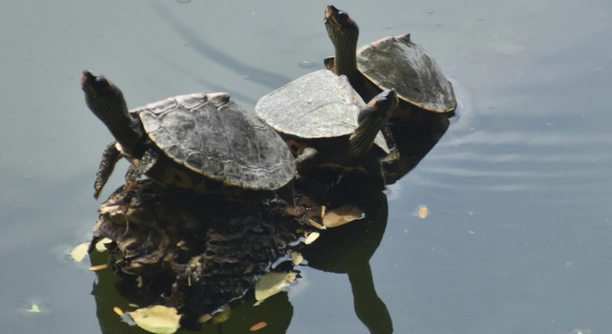
Indian Roofed Tortoises are unique creatures, but like many animals, they can face risks that affect their well-being. One of the concerns is how they handle falls. Understanding their resilience is important for their care.
Indian Roofed Tortoises are relatively resilient, but they can suffer from falls, particularly from heights. A fall may lead to shell damage, injury, or stress, which could compromise their health and overall well-being.
Knowing how to protect them from such risks is crucial. With proper precautions and care, you can significantly reduce the chances of an injury.
How Falls Affect Indian Roofed Tortoises
Falls can lead to various injuries in Indian Roofed Tortoises, with the most significant risk being shell damage. Their shells are essential for protection, and even a minor crack or fracture can affect their health. When a tortoise falls from a height, it may also experience internal injuries or stress, impacting its immune system and making it more susceptible to illness. If the tortoise is not properly supported after a fall, its condition can worsen. It’s essential to assess any fall quickly and ensure the tortoise is comfortable.
In some cases, if the tortoise falls from a significant height, you might notice changes in its behavior, such as lethargy, decreased appetite, or hiding. These signs can indicate that the tortoise is in pain or feeling stressed. Immediate action and attention are crucial in preventing long-term health issues.
Monitoring their habitat carefully and removing potential hazards is vital for their safety. Keeping them in a controlled, low-risk environment can prevent falls and help maintain their health.
How to Prevent Falls and Injuries
Prevention is the most effective approach. Ensure your tortoise’s living area is safe and free from sharp edges, high platforms, or uneven surfaces.
Adding soft bedding material and non-slip mats can help your tortoise feel secure while moving. Be mindful of how you handle them, especially when taking them out of their enclosures. Also, avoid placing them on high surfaces without proper supervision. If the tortoise is free-roaming, set up barriers to limit access to dangerous areas.
Creating a low-risk environment can make a significant difference in reducing the chance of falls. It also promotes better mental and physical health for your tortoise.
Signs Your Tortoise May Be Injured After a Fall
If your tortoise has fallen, be sure to observe any signs of injury. They may act differently than usual, showing signs of stress or discomfort.
Look for visible damage, like cracks in the shell, swelling, or cuts. If your tortoise isn’t moving normally, it could indicate internal injuries or pain. Decreased appetite, hiding more than usual, or a lack of interest in exploring their environment are all signs of distress. These symptoms should be taken seriously, and immediate action is necessary to prevent further complications.
A vet checkup is recommended if you notice any unusual behavior. It can help determine if your tortoise is experiencing internal issues or needs specific treatments. Early intervention is key to ensuring your tortoise recovers without lasting damage.
The Importance of Immediate Care
Immediate care is crucial when a tortoise falls. The faster you assess the situation, the better chance your pet has for a full recovery.
Keep the tortoise in a safe, quiet place after the fall, away from other pets or distractions. Check for any visible injuries such as cracks or bruises on the shell. Apply gentle pressure to any cuts to stop bleeding, and ensure the tortoise is not in distress. Keep the tortoise hydrated and avoid handling it excessively, as this can cause additional stress. Taking these first steps can help stabilize your pet while awaiting professional care.
If you are unsure about the severity of the injury, contacting a vet is always the best option. They can guide you on the proper steps to take for your tortoise’s recovery.
Common Mistakes in Tortoise Care
Many people unknowingly put their tortoises at risk by not considering their environment. High surfaces or slippery floors can easily lead to accidents.
Another mistake is improper handling. Tortoises need support, and picking them up too abruptly can cause falls. Regularly check their enclosure for hazards like sharp edges or unstable structures. Creating a stable, safe environment is essential for keeping them healthy.
The Role of a Veterinarian
A veterinarian plays a vital role in ensuring the health of your tortoise, especially after a fall.
If your tortoise suffers from a fall, consulting a vet can help detect any internal issues or fractures that might not be immediately visible. Vets can offer treatments to reduce pain and support recovery. If needed, they can also advise on proper rehabilitation. Regular checkups help monitor your tortoise’s health and prevent further complications.
Preparing Your Tortoise’s Enclosure
Making sure your tortoise’s home is safe is key to preventing falls.
Place mats or soft bedding to help cushion any potential falls.
FAQ
Can Indian Roofed Tortoises survive a fall?
Yes, Indian Roofed Tortoises can survive a fall, but it depends on the height and the surface they land on. If the fall is from a significant height or onto a hard surface, they are at risk of shell fractures or internal injuries. While they are tough, falls should not be underestimated, as injuries can cause long-term health issues.
What should I do if my tortoise falls?
If your tortoise falls, the first step is to stay calm and assess the situation. Check for any visible injuries such as cracks or swelling on the shell. If there’s bleeding, apply gentle pressure to stop it. Place your tortoise in a safe, quiet area, and avoid further handling unless necessary. If there are signs of injury, contact a veterinarian immediately for a proper examination. It’s important not to assume the tortoise is fine without a thorough check.
How can I prevent falls in my tortoise’s enclosure?
Preventing falls starts with setting up a secure and stable environment. Avoid placing your tortoise on high platforms or surfaces that can be easily climbed. Use non-slip mats or soft bedding in their enclosure to provide a safe ground. Regularly inspect the enclosure for hazards like sharp edges, unstable structures, or slippery surfaces. If you let your tortoise roam outside its enclosure, ensure the area is free from obstacles or heights that could lead to accidents.
Are there specific signs that my tortoise may be injured after a fall?
Yes, there are several signs that indicate your tortoise may be injured. Look for changes in behavior, such as lethargy, lack of appetite, or hiding more than usual. Physical signs like swelling, bruising, or cracks in the shell are clear indications of injury. If your tortoise seems unusually slow or struggles to move, this can signal pain or internal injury. It’s important to closely observe your tortoise after a fall and seek veterinary care if any unusual signs appear.
How do I know if my tortoise needs a veterinarian after a fall?
If your tortoise shows signs of physical injury, such as shell cracks or swelling, or behaves abnormally, it’s best to consult a vet. Additionally, if there’s any difficulty in movement, abnormal breathing, or if your tortoise becomes unusually passive, a vet visit is crucial. Even if no injuries are visible, it’s wise to have a professional assess the tortoise. Early detection of internal injuries or stress can make a big difference in recovery.
Can I treat my tortoise’s injuries at home?
Minor injuries, such as small cuts or abrasions, can sometimes be treated at home. Clean the area gently with a mild antiseptic and apply a soft, sterile bandage. For shell damage, avoid attempting any DIY repairs, as improper handling can make the situation worse. More serious injuries, including fractures or internal trauma, should always be addressed by a veterinarian. Home treatment should never replace professional care if the injury appears serious.
What are some ways to make my tortoise’s enclosure more secure?
To make your tortoise’s enclosure more secure, start by ensuring all surfaces are stable and free from hazards. Use soft bedding like hay or towels to cushion any falls. Avoid placing your tortoise in high places where it can easily fall, and keep the area clear of objects that might cause injury. If you use a climbing structure, ensure it’s sturdy and low enough to avoid falls. Regularly check the enclosure for signs of wear and tear, as even small cracks in the structure can become a safety risk.
How can I help my tortoise recover from a fall?
Recovery from a fall requires a calm, supportive environment. Immediately after a fall, provide your tortoise with a quiet space, ensuring it’s free from stress and other distractions. Keep it hydrated and offer food that it normally eats. Depending on the severity of the injury, a vet might suggest pain management or physical therapy. Follow the vet’s instructions carefully, as overhandling or moving your tortoise too much during recovery can delay healing. Regular checkups may be necessary to ensure proper recovery.
What are the common injuries tortoises sustain from falls?
The most common injuries tortoises sustain from falls are shell fractures and bruises. If a tortoise lands on its back, the shell may crack, leaving it vulnerable to infection. Internal injuries can occur, especially if the fall is from a high place. Stress from the fall can also lead to loss of appetite, lethargy, or behavior changes. In severe cases, tortoises can suffer from respiratory distress due to trauma.
How can I tell if my tortoise is in pain?
Tortoises can be quite stoic, but there are signs to look for. If your tortoise is in pain, it may move less, become withdrawn, or refuse food. Difficulty in walking or favoring one side of the body can indicate injury. Behavioral changes, like hiding more often, can also be a sign of discomfort. Watch for subtle changes, as pain can affect their overall health and behavior. If in doubt, seek advice from a veterinarian to properly assess any discomfort.
Can falls cause long-term damage to my tortoise?
Yes, falls can cause long-term damage, especially if there is internal injury or severe shell fractures. Shell fractures, if not properly treated, can lead to infections or long-term vulnerability. Internal injuries, like damage to organs, can affect your tortoise’s health long-term if not addressed immediately. Even psychological stress from falls can have a lasting impact, affecting your tortoise’s eating habits or social behavior. Early intervention from a vet can reduce the risk of long-term complications.
Are there ways to train my tortoise to avoid falls?
Training a tortoise to avoid falls is challenging, as they follow instinct rather than instructions. However, you can encourage safe movement by providing a secure environment and limiting access to risky areas. Encouraging your tortoise to explore on flat surfaces or low platforms can help build confidence without the risk of falls. Consistently reinforcing a safe space through habitat design is the most effective way to prevent accidents.
Final Thoughts
In conclusion, while Indian Roofed Tortoises are generally sturdy animals, falls can still pose significant risks to their health. Their hard shells might protect them in some cases, but a fall from a height or onto a hard surface can lead to severe injuries, such as fractures or internal trauma. It is essential to be proactive in creating a safe environment for your tortoise to prevent accidents. By making a few simple adjustments to their living space, such as using non-slip mats, avoiding high surfaces, and regularly checking for hazards, you can significantly reduce the likelihood of falls and ensure your tortoise remains safe.
When a fall does occur, it’s crucial to act quickly and carefully. Assessing the situation and checking for visible injuries should be your first step. Even if no immediate injuries are apparent, it’s always a good idea to monitor your tortoise for changes in behavior, as internal injuries may not be easily noticed. If in doubt, reaching out to a veterinarian can help provide peace of mind and guidance on whether further action is needed. Regular vet checkups can also help detect any underlying health issues that might make your tortoise more prone to falls or injuries.
Overall, keeping your tortoise safe involves a combination of environment management, careful handling, and being prepared in case an accident does occur. By staying informed and vigilant, you can help your tortoise live a long, healthy life free from injury. While it’s impossible to completely eliminate the risk of falls, the steps you take to prevent them can go a long way in protecting your tortoise’s well-being.

Hello,
If you enjoy the content that we create, please consider saying a "Thank You!" by leaving a tip.
Every little bit helps us continue crafting quality advice that supports the health, happiness, and well-being of pets around the world, for pets of all shapes, sizes, and species.
We really appreciate the kindness and support that you show us!