
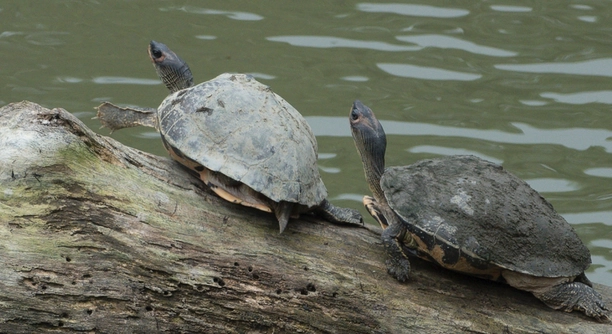
When setting up an enclosure for an Indian Roofed Tortoise, selecting the right materials is crucial for their safety and comfort. Understanding which types of wood are safe or harmful for their environment is important for their well-being.
Certain woods can be harmful to your Indian Roofed Tortoise due to chemicals or toxins present in their bark or leaves. It is essential to know which types of wood are safe for tortoises, like untreated, non-toxic varieties, and avoid potentially dangerous ones.
Choosing safe wood for your tortoise’s enclosure will ensure their habitat is comfortable and secure. This knowledge will help in creating a proper, safe environment for your pet to thrive.
Safe Woods for Your Tortoise’s Enclosure
When creating an ideal enclosure for your Indian Roofed Tortoise, choosing the right wood is essential. Some woods offer natural benefits like promoting healthy humidity and offering a suitable hiding spot. Safe options include untreated pine, willow, and aspen. These woods are gentle and do not release toxins that could harm your pet. Additionally, they provide natural features that tortoises enjoy, such as texture for climbing or chewing.
Incorporating these woods into the enclosure can help keep your tortoise active and engaged. They enjoy the variety in their environment, from hiding in a pile of willow branches to scratching against a smooth, untreated pine surface.
These woods are also easy to find in pet stores or online. However, ensure they are untreated and free from harmful chemicals like pesticides or preservatives. By using the proper wood, you can create a safe and natural environment for your tortoise to explore and enjoy.
Unsafe Woods to Avoid
Certain woods, like oak, cherry, and cedar, can be harmful to your tortoise. These woods contain oils and chemicals that are toxic to reptiles.
The oils in cedar and cherry wood can irritate your tortoise’s respiratory system and skin. Exposure over time may lead to health problems, including breathing difficulties and skin infections. Furthermore, some types of wood, like oak, can be too hard for tortoises to enjoy safely. The best approach is to stick with softer, untreated woods to avoid any risks.
Ensure your tortoise is safe and comfortable by avoiding these potentially harmful woods. When in doubt, it’s always better to choose wood specifically labeled as safe for reptiles. By being careful with your wood choices, you can prevent any unnecessary harm to your pet.
Why Wood Type Matters
The type of wood used in your tortoise’s enclosure can significantly impact its overall health. Some woods are soft, offering a safe chewing experience, while others can cause damage to your tortoise’s health due to their chemicals. Choosing the right type ensures a safe and natural environment.
For instance, softwoods like pine and willow are great for tortoises. They provide natural opportunities for climbing, hiding, and chewing. On the other hand, hardwoods, while durable, can sometimes cause issues. The high density and toughness of hardwood can be uncomfortable and even dangerous for your tortoise to interact with over time.
Beyond comfort, certain woods also help maintain the proper humidity and temperature balance in your tortoise’s habitat. Choosing the right wood can make a significant difference in keeping your pet healthy. It’s important to evaluate both the safety and practicality of the wood before adding it to the enclosure.
Wood Treatments and Toxins
Many types of wood come with treatments that could harm your tortoise. Pesticides, preservatives, and varnishes are often applied to wood, making it unsafe for your pet. Even some untreated woods can have a higher chance of containing natural toxins.
Chemicals on wood can affect your tortoise’s breathing and digestion, especially if they chew on the wood. Toxins may lead to long-term health issues, including respiratory infections or digestive distress. To avoid this, it’s essential to use only untreated wood or wood labeled as safe for reptiles.
Always be sure that any wood added to your tortoise’s habitat is free from chemicals. Not only does it protect their health, but it also ensures that they can enjoy their enclosure in a natural, safe way.
How to Prepare Wood for Use
Before adding wood to your tortoise’s enclosure, preparation is key. Ensure all wood is thoroughly cleaned and dried. Removing any dirt or chemicals will make it safer for your pet. Sometimes, soaking or baking wood helps eliminate harmful substances.
After cleaning, check the wood for sharp edges or splinters. Sanding down any rough spots will make the wood safer and more comfortable for your tortoise to interact with. This extra step can help prevent injuries. Properly prepared wood will create a safer, more comfortable environment for your pet to enjoy.
The Importance of Variety
Offering different types of wood can enhance your tortoise’s environment. By including a variety of safe woods, you allow your pet to explore different textures and smells. This diversity adds enrichment to their habitat. It’s important to ensure that each piece of wood is safe and easy to interact with.
Variety also helps maintain the enclosure’s humidity and provides your tortoise with opportunities to hide or climb. It’s essential to use wood types that are safe and non-toxic, giving your tortoise a stimulating and secure environment. Different textures can help mimic natural surroundings, promoting mental and physical health.
Monitoring Wood Condition
Regularly check the condition of the wood in the enclosure. Over time, the wood can break down, splinter, or become saturated with moisture, which can lead to mold or bacteria growth. Keep an eye on these changes to ensure your tortoise’s habitat remains safe.
It’s also important to replace any wood that shows signs of wear or damage. Rotting wood can pose health risks to your tortoise, especially if it begins to release harmful spores. By monitoring the condition of the wood, you can prevent potential issues and maintain a healthy habitat.
FAQ
What types of wood are safe for an Indian Roofed Tortoise’s enclosure?
Safe wood types include untreated pine, willow, aspen, and poplar. These woods do not contain harmful chemicals and are soft enough for tortoises to interact with comfortably. They also help maintain a natural and safe environment for your tortoise. Always ensure the wood is untreated to avoid harmful chemicals.
Can I use cedar wood for my tortoise’s enclosure?
Cedar wood should be avoided for tortoises, including the Indian Roofed Tortoise. Cedar contains oils that can irritate your tortoise’s skin and respiratory system. These oils can lead to long-term health problems, such as breathing difficulties. Stick to safer options like pine or willow.
How do I prepare wood for my tortoise’s enclosure?
Before using wood in your tortoise’s enclosure, it should be cleaned thoroughly to remove any dirt, dust, or chemicals. Dry it completely to prevent moisture build-up, which can lead to mold growth. Sand any rough or sharp areas to make the wood safer for your tortoise. Proper preparation ensures a healthier environment for your pet.
Are hardwoods safe for a tortoise’s enclosure?
Hardwoods, such as oak and hickory, are not ideal for a tortoise’s enclosure. They are too dense and tough, which can make them uncomfortable for your tortoise to chew or interact with. They may also cause damage to your tortoise’s shell or teeth over time. It’s best to choose softer woods like pine or willow.
Can I use driftwood in my tortoise’s enclosure?
Driftwood can be used, but it must be thoroughly cleaned and inspected for any harmful chemicals, salt residues, or sharp edges. Salt can be harmful to your tortoise, so ensure that the driftwood is properly treated to remove any remaining salt. Driftwood can provide a nice natural texture if prepared properly.
How often should I replace the wood in the enclosure?
Wood should be replaced or inspected regularly, about every six months. Over time, wood can degrade, develop mold, or become saturated with moisture. Replace any wood that shows signs of wear, rotting, or mold growth to ensure your tortoise’s health is not compromised.
Can wood affect the humidity in my tortoise’s enclosure?
Yes, wood plays a role in maintaining the humidity levels in your tortoise’s enclosure. Softwoods like pine and willow help regulate moisture by absorbing excess humidity. This can be beneficial in keeping the enclosure at the right humidity levels, promoting your tortoise’s well-being. Regularly monitor humidity to ensure it remains optimal.
Is it safe to use scented woods, like lavender or cinnamon, for my tortoise’s enclosure?
Scented woods, like lavender and cinnamon, should be avoided. While they may smell nice to us, the oils and fragrances can be overwhelming or harmful to your tortoise. These scents can irritate your tortoise’s respiratory system and may cause allergic reactions. Stick with natural, unscented woods for a safer environment.
Should I use wood with bark still attached?
Wood with bark still attached can be used as long as the bark is free from pesticides or chemicals. However, it’s important to inspect the bark for mold or sharp edges that could harm your tortoise. Some tortoises enjoy chewing on bark, so it’s a natural addition to their environment, but always ensure it’s safe.
Can I use plywood or other treated wood types in the enclosure?
Plywood and other treated woods are not safe for your tortoise’s enclosure. These types of wood often contain harmful chemicals, such as formaldehyde or other preservatives, which can be toxic to reptiles. It’s always safer to opt for untreated, natural wood to ensure the health and safety of your pet.
What should I do if my tortoise chews on wood that isn’t safe?
If your tortoise chews on unsafe wood, it’s important to remove the wood immediately. Monitor your tortoise closely for any signs of distress, such as breathing issues, loss of appetite, or changes in behavior. If any symptoms arise, contact a veterinarian experienced with reptiles for guidance. Replace the unsafe wood with safe options promptly.
Can I use wood chips or shavings for bedding in my tortoise’s enclosure?
Wood chips or shavings can be used, but they should be from safe wood types like aspen. Avoid cedar or pine shavings, as the oils in these woods can harm your tortoise. Wood chips should be used as a supplement to other bedding, ensuring that they don’t cause discomfort or respiratory issues.
How do I know if the wood is untreated?
Ensure the wood is labeled as untreated when purchasing it. If buying from a pet store, check for products that are specifically labeled for reptiles. If you find wood in the wild or at a local supplier, ask about its treatment. Always avoid wood with visible chemical stains or odors.
What’s the best way to prevent mold growth on wood?
To prevent mold growth, ensure your tortoise’s enclosure is well-ventilated and not too humid. If using wood, avoid excessive moisture around it. Regularly check the wood for any signs of mold or dampness. If you spot mold, remove the affected wood immediately and replace it with dry, clean wood.
Is it okay to use wood from my backyard?
You can use wood from your backyard, but you must ensure it is safe. Avoid wood from trees that are known to be toxic to animals, such as walnut or cherry. Also, make sure the wood is free from pesticides, chemicals, and mold. Always clean and dry the wood thoroughly before adding it to the enclosure.
How do I prevent my tortoise from ingesting harmful wood?
To prevent your tortoise from ingesting harmful wood, remove any wood pieces that are too small or easily chewed into dangerous fragments. Provide larger pieces of wood that are difficult to ingest and ensure that any wood in the enclosure is safe and free of chemicals. Monitor your tortoise’s interactions with the wood to ensure they’re safe.
Can I use wood with leaves still attached?
Wood with leaves attached can be used but only if the leaves are safe for your tortoise to consume. Certain leaves can be toxic, so it’s important to know what type of wood and leaves you’re using. If unsure, it’s better to remove the leaves before using the wood in the enclosure.
Is it safe to use wood that has been painted or stained?
Painted or stained wood should never be used in your tortoise’s enclosure. Paint and stain often contain toxic chemicals that can be harmful to reptiles, especially when ingested or inhaled. Always opt for raw, untreated wood that has not been altered with paint or other finishes.
Final Thoughts
Choosing the right wood for your Indian Roofed Tortoise’s enclosure is essential for their well-being. While some woods are safe and beneficial, others can pose significant health risks. It is important to stick to natural, untreated woods like pine, willow, and aspen, as these are safe and promote a natural habitat. Woods like cedar, oak, and hickory should be avoided, as they contain oils or chemicals that can harm your tortoise’s respiratory system and skin. Ensuring the wood is free from pesticides and other harmful treatments is crucial for their safety.
Proper care and maintenance of the wood in your tortoise’s enclosure also cannot be overlooked. Over time, wood can degrade, collect moisture, or even grow mold, all of which can negatively impact your tortoise’s health. Regular inspection of the wood is necessary to prevent any issues, and it should be replaced if signs of mold, rot, or excessive wear appear. Additionally, the wood should be cleaned and dried properly before use to ensure it remains safe. These preventive measures will help maintain a healthy and comfortable living environment for your tortoise.
In conclusion, providing your tortoise with the proper wood in their enclosure is just one step in creating a safe and comfortable habitat. By choosing safe wood types, keeping it clean, and ensuring it is in good condition, you contribute to your tortoise’s overall well-being. With the right care, your Indian Roofed Tortoise can thrive in a safe and enriching environment, enjoying both the physical benefits of their enclosure and the natural interaction with their habitat.

Hello,
If you enjoy the content that we create, please consider saying a "Thank You!" by leaving a tip.
Every little bit helps us continue crafting quality advice that supports the health, happiness, and well-being of pets around the world, for pets of all shapes, sizes, and species.
We really appreciate the kindness and support that you show us!