
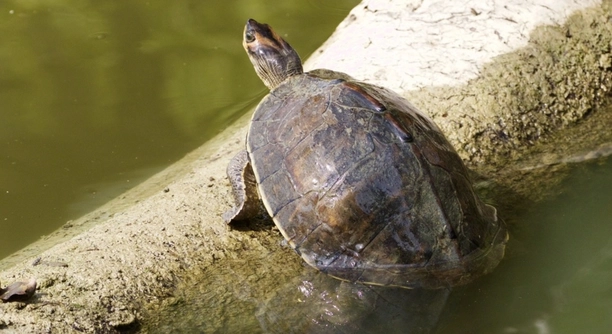
Indian Roofed Tortoises are unique creatures with distinct dietary habits. Understanding what they can and cannot eat is essential to ensure their health. Many pet owners may wonder if these tortoises can consume meat.
Indian Roofed Tortoises are primarily herbivores, but they can occasionally eat small amounts of meat in the wild. However, feeding them meat regularly can cause digestive problems and long-term health issues. Their diet should mainly consist of plants.
Feeding your tortoise the right food is crucial for their well-being. Maintaining a balanced diet ensures they stay healthy and thrive in your care.
Why Indian Roofed Tortoises Should Avoid Meat
While Indian Roofed Tortoises can occasionally eat small amounts of meat, it should not be a regular part of their diet. These tortoises are naturally herbivores, and their digestive system is built to process plant matter. Feeding them meat can lead to digestive issues, as their bodies are not designed to break down animal proteins efficiently. In the wild, they might consume insects or small animals, but only infrequently. This kind of diet provides an unnatural food source for them in captivity. A diet high in meat can also cause other health problems, such as kidney stress and imbalanced nutrition.
Offering meat may seem harmless, but it can significantly affect your tortoise’s long-term health. Stick to a diet rich in leafy greens, fruits, and other plant matter to ensure they stay healthy.
When you keep Indian Roofed Tortoises, it’s important to remember that their bodies require plant-based nutrients. Regularly feeding them the wrong foods can lead to significant health concerns. Maintaining a natural, plant-focused diet is the best way to care for them.
What Happens When They Eat Meat Regularly
If you regularly feed your tortoise meat, it could face digestive issues and nutritional imbalances. These problems may take time to appear, but they can negatively affect your pet’s health over the years. A diet high in protein and fat from meat can lead to kidney damage and obesity. Tortoises that eat too much animal protein might also develop shell problems, like pyramiding or other growth abnormalities. To prevent these issues, it’s essential to limit animal products and stick to a more natural, plant-based diet.
Meat is high in phosphorus, which, when consumed in large amounts, can disrupt the calcium-to-phosphorus ratio in their bodies. This imbalance can cause bone problems, as calcium is necessary for strong shell growth and overall bone health. Keeping a careful eye on their diet and offering only the appropriate food can avoid such complications.
By focusing on the right foods for your tortoise, you ensure they stay healthy and continue to grow as they should. The wrong diet leads to serious health problems, and it’s your responsibility to help avoid those issues.
Signs of Health Issues from Eating Meat
If your tortoise starts showing signs of lethargy, weight gain, or difficulty moving, it could be linked to a poor diet. These are early signs that something isn’t right with their nutrition. It’s crucial to monitor their eating habits closely.
A tortoise’s shell might also show visible signs of health issues. If they’ve been eating too much meat, their shell could start to grow abnormally, often in a pyramidal shape. Over time, this can lead to further deformities and discomfort. These issues are usually a result of an imbalance in their diet. A diet focused on plant matter will help avoid such problems.
In addition to physical changes, digestive problems can occur. A tortoise with digestive distress may experience bloating, vomiting, or diarrhea. These signs suggest that the meat consumption is interfering with their digestion. Reducing meat intake and focusing on plant-based foods can improve their overall health and digestion.
What to Feed Your Indian Roofed Tortoise
Indian Roofed Tortoises thrive on a plant-based diet, consisting mainly of leafy greens, grasses, flowers, and some fruits. A varied selection ensures they get all the essential nutrients. It’s important to offer them food that reflects their natural diet.
Leafy greens like dandelion greens, collard greens, and kale are excellent staples. These are high in fiber and calcium, helping support healthy bone and shell development. Adding grasses such as Bermuda or Timothy hay is also crucial. These grasses promote natural foraging behaviors. Fruits like strawberries, apples, and melon can be offered occasionally for variety but shouldn’t be a primary food source.
Maintaining the correct balance of foods is vital for your tortoise’s health. By sticking to plant-based options, you provide the necessary nutrients without the risks associated with feeding them meat. Ensuring a well-rounded diet will help your tortoise grow strong and healthy while avoiding digestive or other health issues.
The Importance of a Balanced Diet
A balanced diet is essential for your tortoise’s health. It helps ensure proper growth, digestion, and shell development. Offering a variety of plants ensures they get all the necessary nutrients. Consistency is key to maintaining good health.
Stick to foods that provide a natural balance of fiber, calcium, and vitamins. Avoid high-protein or fatty foods like meat, as they can disrupt this balance. Regularly offering fresh, nutritious plants will keep your tortoise happy and healthy.
How to Prevent Overfeeding
Overfeeding is another common issue for tortoises. Too much food, even plant-based, can lead to obesity. Monitor portion sizes and the frequency of meals to avoid this problem.
A good rule of thumb is to offer food in an amount that your tortoise can consume in about 30 minutes. Be cautious about giving too much fruit, as it’s high in sugar. Stick to leafy greens and grasses for the majority of their diet to prevent overeating.
Hydration and Its Role in Health
Water plays a significant role in digestion and overall well-being. Make sure your tortoise always has access to fresh water. Dehydration can lead to kidney issues and other health complications.
Providing a shallow water dish that they can easily access is important. Additionally, offering water-rich foods like cucumbers can help support hydration. Keeping your tortoise hydrated will help their digestive system run smoothly and prevent dehydration-related issues.
FAQ
Can Indian Roofed Tortoises eat meat occasionally?
While Indian Roofed Tortoises are primarily herbivores, they may consume small amounts of meat in the wild. However, it’s not recommended to feed them meat regularly. Their digestive systems aren’t built for animal proteins, and doing so could lead to health problems like kidney damage, obesity, and shell deformities. A mainly plant-based diet is essential for their well-being.
What happens if I feed my tortoise meat?
Feeding your tortoise meat can cause a range of health issues. A diet rich in animal proteins can strain their kidneys and digestive system, leading to digestive problems like diarrhea or bloating. Additionally, overfeeding meat can result in an imbalance in the calcium-to-phosphorus ratio, which is crucial for shell and bone health. It’s better to avoid feeding them meat and stick to plants that reflect their natural diet.
Can I feed my Indian Roofed Tortoise fruits?
Yes, fruits can be fed to Indian Roofed Tortoises, but only in moderation. They are high in sugar, so offering small amounts of fruits like strawberries, apples, and melons is fine. However, fruits should not be the main part of their diet. Leafy greens and grasses should make up most of their meals. Overfeeding fruits can lead to digestive upset and weight gain.
What leafy greens are good for my tortoise?
Indian Roofed Tortoises thrive on a variety of leafy greens. Some of the best options include dandelion greens, collard greens, mustard greens, and kale. These are rich in fiber and calcium, which help with digestion and shell development. Avoid feeding them spinach and iceberg lettuce, as they provide little nutritional value and can even be harmful in excess.
How often should I feed my Indian Roofed Tortoise?
Tortoises should be fed once a day, offering a portion of food that they can consume in about 30 minutes. It’s important not to overfeed them, as this can lead to obesity and digestive issues. Be mindful of portion sizes and stick to a variety of leafy greens and grasses, with occasional fruits as treats.
Is it okay to feed my tortoise pellets or pre-packaged food?
While commercial pellets or pre-packaged food can be offered occasionally, they should not be the main source of nutrition for your tortoise. These foods often lack the variety and nutrients found in fresh plant matter. If you use pellets, make sure they are high-quality and specifically made for tortoises. Fresh, organic plants should be the staple of their diet.
How do I know if my tortoise is overweight?
An overweight tortoise may have a round or puffed-up appearance and will move slowly due to excess weight. If you notice that your tortoise’s shell is becoming misshapen, this could be a sign of obesity. You should also feel the body to see if it’s soft or fat rather than firm. Consult a vet to determine the best course of action if you suspect your tortoise is overweight.
Can Indian Roofed Tortoises eat flowers?
Yes, Indian Roofed Tortoises can eat some flowers, and they enjoy them. Safe flowers include dandelions, hibiscus, and pansies. These flowers are not only safe but also provide additional nutrients that benefit your tortoise. However, avoid flowers that may have been treated with pesticides, as they can be toxic to your pet.
What should I avoid feeding my Indian Roofed Tortoise?
There are several foods you should avoid feeding your Indian Roofed Tortoise. These include high-oxalate foods like spinach, which can cause kidney problems, and iceberg lettuce, which has minimal nutritional value. Avoid feeding them processed or sugary foods, like human snacks or meats. Stick to a variety of leafy greens and occasional fruits for a well-balanced diet.
Can Indian Roofed Tortoises eat vegetables?
Yes, Indian Roofed Tortoises can eat a variety of vegetables, such as bell peppers, squash, and carrots. Vegetables can be a healthy part of their diet, but they should not make up the majority of their meals. Always make sure the vegetables are fresh and free of pesticides. Avoid feeding them starchy vegetables like potatoes, as they are not ideal for their digestion.
How can I make sure my tortoise gets enough calcium?
To ensure your tortoise gets enough calcium, offer calcium-rich foods like dandelion greens and collard greens. You can also supplement their diet with a calcium powder specifically made for reptiles. Dusting their food with this powder once or twice a week will help maintain healthy bones and shell growth. Additionally, make sure your tortoise has access to proper UVB lighting, as it helps them process calcium efficiently.
What should I do if my tortoise isn’t eating?
If your tortoise isn’t eating, first check their environment. Ensure they have proper temperature and lighting, as tortoises need both to stay active and eat. If the environment is correct and your tortoise still isn’t eating, it might be sick or stressed. Consult a vet if the problem persists for more than a few days.
How can I tell if my tortoise is dehydrated?
Signs of dehydration in a tortoise include lethargy, dry eyes, and a sunken shell. Dehydrated tortoises may also have difficulty moving or eating. Make sure your tortoise has access to fresh water at all times, and offer water-rich foods like cucumbers. If dehydration continues, consult a vet for advice and treatment.
Final Thoughts
Indian Roofed Tortoises are herbivores, and their diet should mainly consist of plant-based foods. While it may be tempting to feed them meat or other animal products, it’s important to stick to their natural diet of leafy greens, grasses, and occasional fruits. Feeding them an improper diet can lead to a variety of health issues, including kidney problems, digestive issues, and weight gain. Therefore, maintaining a balanced and appropriate diet is key to keeping your tortoise healthy.
Providing fresh water is just as important as offering the right food. Dehydration can quickly become a serious issue, and tortoises rely on water to help with digestion and overall well-being. Make sure your tortoise has easy access to fresh water at all times, and consider including water-rich foods like cucumbers in their meals. These small steps can make a big difference in ensuring your tortoise thrives in your care.
Overall, being mindful of what you feed your tortoise and how often you feed them will help promote their long-term health. A balanced diet of fresh plants and occasional fruits, along with proper hydration, will keep your tortoise strong and active. By avoiding harmful foods like meat and processed foods, and paying attention to their hydration and diet, you’ll be able to provide your Indian Roofed Tortoise with the best possible care.

Hello,
If you enjoy the content that we create, please consider saying a "Thank You!" by leaving a tip.
Every little bit helps us continue crafting quality advice that supports the health, happiness, and well-being of pets around the world, for pets of all shapes, sizes, and species.
We really appreciate the kindness and support that you show us!