
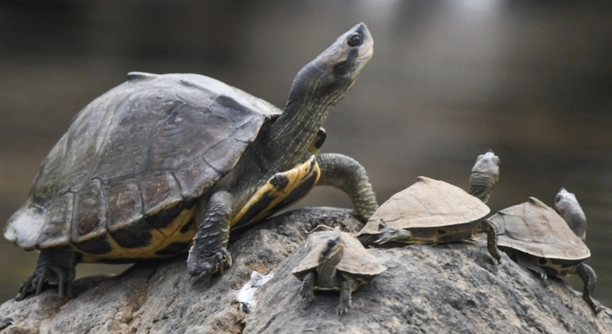
An Indian Roofed Tortoise is a popular pet due to its docile nature and low-maintenance care. As with any pet, it’s essential to observe their behaviors to understand how they feel in their environment.
Signs that your Indian Roofed Tortoise is feeling safe and comfortable include relaxed body posture, regular feeding, active movement, and consistent basking behavior. These indicate that the tortoise is adapting well to its surroundings.
Being aware of these signs ensures that you provide the right environment for your tortoise. Understanding your pet’s body language and habits will help you maintain their well-being.
Relaxed and Active Movements
When your Indian Roofed Tortoise feels safe, it will move around more freely. You’ll notice it becoming more active during the day, roaming its enclosure with ease. A comfortable tortoise is not shy about exploring, using its legs and head confidently. If your tortoise is hiding in its shell or staying still for long periods, it might be feeling stressed or uncomfortable.
Your tortoise should regularly walk around its habitat, stretching its legs and occasionally basking in a warm spot.
Making sure your tortoise has space to move around and feels safe in its surroundings will encourage this behavior. Tortoises, in their relaxed state, engage with their environment, and this is a clear sign they are comfortable.
Healthy Appetite and Regular Feeding
When your Indian Roofed Tortoise is feeling at ease, it will eat regularly and actively seek out food. A healthy appetite is often one of the first signs that your tortoise is content in its space.
Regular feeding is crucial to a tortoise’s well-being. If your tortoise seems disinterested in food, it may signal stress or health issues.
When you provide a comfortable, stable environment, your tortoise will show interest in eating its meals. Over time, it will have a routine when it comes to feeding, and you will notice a steady, healthy appetite. Ensure their diet consists of the right food, with a balanced mix of fresh greens, fruits, and occasional protein. This helps keep their metabolism and energy levels in check.
Consistent Basking Behavior
If your Indian Roofed Tortoise feels safe, it will spend time basking regularly under a heat source. Basking is essential for regulating its body temperature.
Basking behavior also indicates that the tortoise feels comfortable with its habitat. A tortoise that avoids basking or does so infrequently might not feel secure in its environment. Providing a consistent and proper light source encourages healthy behavior.
Make sure the basking area is warm enough, typically around 90°F (32°C), and the tortoise should seek it out during the day. A calm and steady environment will give your tortoise the confidence to bask for longer periods without feeling threatened.
Relaxed Body Posture
A comfortable tortoise will have a relaxed, open body posture. When it feels secure, it won’t retreat into its shell or show signs of stress.
If your tortoise feels threatened or unsafe, it may pull its head and legs into its shell, signaling discomfort. On the other hand, when it is comfortable, the tortoise will appear more relaxed and unafraid.
It’s important to allow your tortoise to roam freely in a stress-free space. A relaxed body posture is often accompanied by a slow and calm walking pace. As long as it doesn’t appear stiff or hesitant, it’s an indication your tortoise is feeling safe.
Regular Shell Cleaning
A healthy and comfortable tortoise will keep its shell relatively clean. If your tortoise is living in a stress-free environment, it will naturally maintain its shell, without signs of dirt buildup or parasites.
A clean shell shows that your tortoise is well-cared for and isn’t stressed by its surroundings. Regular baths and a clean habitat will help maintain this.
Healthy, Smooth Skin
If your tortoise’s skin looks smooth and free from peeling or dryness, it is likely feeling safe and comfortable. Stress can cause shedding or other skin problems.
It’s essential to provide proper humidity levels in the habitat, as dry air can lead to skin issues. Ensuring the right environment will keep your tortoise’s skin smooth and healthy.
Balanced Temperature and Humidity
Your Indian Roofed Tortoise thrives in specific temperature and humidity conditions. A consistent temperature between 75°F and 85°F (24°C to 29°C) and proper humidity are key to its comfort.
Maintaining these conditions helps your tortoise regulate its body functions and prevents stress. Without a proper environment, your tortoise might become inactive or uncomfortable. This will affect both its behavior and overall health.
FAQ
How can I tell if my tortoise is stressed?
If your tortoise seems inactive, refuses food, or hides in its shell for extended periods, it may be stressed. Stress can also cause unusual behavior, such as excessive scratching or pacing. If these signs are present, it’s important to check the environment and ensure it meets your tortoise’s needs. Lack of proper temperature, humidity, or insufficient space can contribute to stress.
How can I help my tortoise feel more comfortable?
Ensure your tortoise has a clean, spacious environment with the right temperature and humidity levels. Regular feeding and the availability of a basking area will help it feel safe. Providing hiding spots, areas to explore, and safe outdoor time can also make a big difference. Make sure to minimize loud noises or sudden changes in the environment that could cause stress.
Is it normal for my tortoise to hide in its shell?
Yes, it’s normal for tortoises to hide in their shells when they feel threatened, scared, or unsure. However, if it hides frequently for long periods without moving, it may indicate discomfort or stress. It’s essential to monitor how often your tortoise hides and consider adjusting the living conditions if necessary.
How often should I feed my Indian Roofed Tortoise?
A healthy tortoise should be fed regularly, typically once every 2-3 days. The frequency may vary depending on age, size, and diet. Young tortoises tend to eat more frequently, while adults may require fewer meals. Always offer fresh vegetables and greens, with occasional fruits as treats. Avoid overfeeding to prevent obesity.
Why isn’t my tortoise eating?
A lack of appetite can be due to various factors, including environmental stress, temperature issues, or illness. If your tortoise refuses food for more than a few days, it could be a sign that something is wrong. Check the temperature and humidity levels in its enclosure, and ensure it has access to clean, fresh food. If the problem persists, consult a veterinarian.
Can I let my tortoise roam freely outside?
Yes, but only in a safe, enclosed area where it can’t escape or be exposed to predators. Outdoor time allows your tortoise to explore natural terrain, which helps with mental and physical stimulation. Make sure the area is free from chemicals, pesticides, and other dangers. Always supervise your tortoise while outside.
How long does an Indian Roofed Tortoise live?
Indian Roofed Tortoises can live for 30 to 50 years or more if well cared for. The key to longevity is providing the right diet, proper care, and maintaining a stress-free environment. Regular check-ups with a veterinarian can also help keep your tortoise healthy throughout its life.
What size enclosure does my tortoise need?
Indian Roofed Tortoises need a spacious enclosure to move around freely. The minimum size should be 4-6 feet in length for an adult, with plenty of space for basking, hiding, and exploring. A larger enclosure allows your tortoise to exercise and reduce stress. You can also provide outdoor time in a secure, enclosed area.
Why does my tortoise spend a lot of time in its water dish?
Tortoises, especially in warm environments, may spend time in their water dish to stay hydrated and regulate body temperature. While this is normal, make sure the water is clean and the dish is not too deep for your tortoise to escape easily. If your tortoise is excessively soaking or not drinking, check the humidity levels in its habitat.
Is it okay to handle my tortoise often?
Indian Roofed Tortoises generally don’t enjoy being handled frequently. While it’s fine to interact with your tortoise occasionally, excessive handling can cause stress. Let your tortoise approach you at its own pace, and avoid picking it up unnecessarily. Handling should be gentle and brief to prevent discomfort.
What should I do if my tortoise is not moving much?
If your tortoise isn’t moving as much as usual, check its habitat first. Ensure it has proper temperature, humidity, and enough space to roam. If these factors are correct and your tortoise remains inactive, it could be a sign of illness. A veterinarian visit is advisable in such cases.
How can I tell if my tortoise is sick?
Signs of illness in tortoises include lack of appetite, excessive sleeping, discharge from the eyes or nose, and abnormal behavior. If your tortoise isn’t moving or basking, it could also indicate a health issue. If you notice these signs, take your tortoise to a reptile veterinarian for a proper diagnosis.
How do I provide proper lighting for my tortoise?
Indian Roofed Tortoises need both UVB and UVA light to maintain healthy bones and shell growth. A UVB light should be provided for 10-12 hours a day. Make sure the light is placed within an appropriate distance from the tortoise to ensure it receives enough exposure.
Can I keep multiple tortoises together?
It’s possible to keep more than one tortoise together, but it depends on their temperament and the size of the enclosure. Some tortoises can be territorial and may show aggression. Always observe their interactions closely, and provide plenty of space to reduce the likelihood of stress or fights.
How do I clean my tortoise’s enclosure?
Cleaning your tortoise’s enclosure should be done regularly to prevent the buildup of waste and bacteria. Remove soiled bedding, change the water, and clean the food dish daily. Perform a thorough cleaning of the entire enclosure once a week, using non-toxic cleaners. Always dry the habitat completely before returning your tortoise.
Final Thoughts
Understanding your Indian Roofed Tortoise’s behavior and needs is key to ensuring its well-being. By paying attention to its signs of comfort, such as active movements, regular basking, and healthy feeding, you can help create an environment where your tortoise feels safe and happy. Regular observation is essential, as it helps you spot any changes in behavior that may indicate stress or health problems. When you provide the right habitat, your tortoise will feel at ease, allowing it to thrive in its new home.
A healthy tortoise is a sign of a balanced environment. The right temperature, humidity, and space are critical factors in making sure your tortoise stays comfortable. It’s important to offer a well-rounded diet and ensure its enclosure is clean and free from potential dangers. By keeping your tortoise’s living space quiet, calm, and safe from any threats, you make it easier for your pet to feel secure. Every change you make, whether it’s adjusting the lighting or adding more space, can positively impact your tortoise’s health and happiness.
Caring for an Indian Roofed Tortoise is a rewarding experience. When you focus on their comfort, you help them live a long and happy life. Your tortoise will reward you with its trust and affection, showing that it feels safe and content. Keep monitoring its behavior and environment, and continue to make adjustments as needed. With proper care and attention, your tortoise will live a fulfilling life, and you’ll enjoy many years together.

Hello,
If you enjoy the content that we create, please consider saying a "Thank You!" by leaving a tip.
Every little bit helps us continue crafting quality advice that supports the health, happiness, and well-being of pets around the world, for pets of all shapes, sizes, and species.
We really appreciate the kindness and support that you show us!