
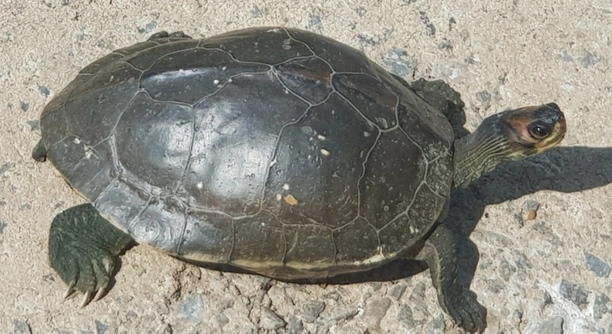
An Indian Roofed Tortoise may have a specific appetite, but several factors can affect its feeding habits. Understanding its behavior and needs is key to improving its eating habits. Here are some practical tips for better nutrition.
To improve an Indian Roofed Tortoise’s appetite, offer a varied diet that includes fresh vegetables, fruits, and calcium-rich foods. Ensure a clean and quiet eating environment, along with proper hydration, as stress and improper conditions may cause reduced food intake.
Adjusting their diet and environment can encourage healthy eating. Making small changes can lead to noticeable improvements in their appetite.
Providing a Balanced Diet
Indian Roofed Tortoises thrive on a diet that mimics their natural environment. Offering a combination of leafy greens, vegetables, and fruits is essential. Greens like dandelion leaves, kale, and mustard greens are great choices. Vegetables such as carrots and squash should be included, along with small amounts of fruit, like strawberries or mangoes. These foods provide vital nutrients and ensure a balanced diet. Additionally, include calcium-rich foods, like cuttlebone or calcium powder, to maintain strong bones and shells. It is crucial to avoid high-oxalate foods like spinach, as they can hinder calcium absorption.
Ensure the portions are appropriate for their size and avoid overfeeding. A healthy mix of food helps maintain their weight and overall health. Feeding them at consistent times each day can help establish a routine and stimulate appetite. With variety and balance, their diet will become more appealing, and they will be more inclined to eat.
Creating a Calm Feeding Space
The environment where your tortoise eats can greatly impact its appetite. A quiet, calm space away from loud noises or other distractions will help your tortoise feel secure. Place the food in an area that encourages natural foraging behavior, which stimulates the appetite.
If your tortoise is exposed to stress or feeling threatened, it may lose interest in eating. Stress factors can include loud sounds, other animals in the vicinity, or even an overcrowded enclosure. By providing a peaceful and safe environment, you can help encourage healthy eating habits.
Proper Hydration
Water is just as important as food. Make sure your tortoise has constant access to fresh water. Dehydration can lead to a loss of appetite and other health issues. You can offer water in a shallow dish, which allows the tortoise to drink and bathe.
Occasionally, soaking your tortoise in warm water for 15-20 minutes helps with hydration and encourages appetite. If it is not drinking enough, try misting the enclosure or providing water in various containers. Keep an eye on the water’s cleanliness and change it regularly to prevent contamination.
Regular hydration supports digestion, improves the tortoise’s overall well-being, and boosts its interest in food. Dehydration can cause lethargy and a lack of energy, which may further discourage eating. Keep a close check on their water intake and make necessary adjustments to avoid dehydration.
Temperature and Lighting
The temperature and lighting in your tortoise’s habitat play a significant role in its appetite. Make sure the enclosure has both a warm area and a cooler zone. This allows the tortoise to regulate its body temperature effectively.
Providing UVB lighting is essential for the tortoise’s digestion and overall health. Without proper lighting, it may experience low energy and a poor appetite. Proper heat also helps the tortoise maintain its metabolism. During the day, a temperature gradient between 80-85°F on the warm side is ideal, while the cooler side should be around 70-75°F. By maintaining the right environment, you can encourage your tortoise to eat more consistently.
Reduce Stress
Stress can directly impact your tortoise’s appetite. Minimize stress by limiting handling and sudden changes in its environment. Constant disruptions or unfamiliar surroundings can make your tortoise feel threatened and decrease its desire to eat.
A calm and stable routine will help your tortoise feel secure, improving its eating habits. Avoid moving its enclosure frequently, and try to keep the same routine for feeding and cleaning. By maintaining consistency, you can reduce stress and encourage your tortoise to eat regularly.
Monitor Health
If your tortoise’s appetite doesn’t improve despite changes in its diet and environment, health issues may be the cause. Look for signs of illness, like lethargy or swelling, and consult a vet if necessary.
Regular check-ups can help catch underlying problems early. Tortoises may have digestive issues, parasites, or respiratory infections that affect their appetite. A vet will be able to diagnose and treat these conditions. Keeping your tortoise healthy is essential for maintaining a good feeding routine.
Add Food Variety
A varied diet can stimulate your tortoise’s appetite. Offering different types of foods, such as leafy greens, fruits, and flowers, will keep meals interesting. Over time, your tortoise may develop preferences, so be mindful of what it enjoys eating.
Introducing new foods will encourage your tortoise to eat more frequently. Foods like hibiscus flowers, squash, and berries can offer essential vitamins and nutrients. This variety also helps in preventing nutritional deficiencies, keeping your tortoise healthy and happy.
FAQ
What should I do if my Indian Roofed Tortoise isn’t eating?
If your tortoise isn’t eating, first check its environment. Ensure that its habitat has the correct temperature, humidity, and lighting. Stress can also lead to loss of appetite, so keep the environment calm and consistent. Try offering a variety of fresh foods and ensuring clean water is always available. If the problem persists, consult a vet to rule out any health concerns.
How often should I feed my tortoise?
Tortoises generally eat once a day, but the frequency can depend on their age and activity level. Younger tortoises, still growing, may need to eat daily, while adults can be fed every other day. It’s important to adjust the feeding schedule based on the individual needs of your tortoise.
Can I feed my tortoise the same food every day?
While it is possible, it’s best to offer a variety of foods. This prevents nutritional deficiencies and helps keep feeding time interesting for your tortoise. Offer a mix of leafy greens, vegetables, and fruits, changing them regularly to give your tortoise a balanced diet.
What are the best foods for my Indian Roofed Tortoise?
The best foods for your Indian Roofed Tortoise include leafy greens like dandelion leaves, kale, and collard greens. You can also offer vegetables such as carrots, zucchini, and squash. Small amounts of fruits like strawberries, mango, and bananas are good treats. Be sure to add calcium-rich foods, such as cuttlebone, to support shell health.
How can I ensure my tortoise gets enough calcium?
To ensure adequate calcium intake, offer cuttlebone or calcium powder with their food. You can sprinkle the powder on their meals or leave a piece of cuttlebone in their habitat for them to chew on. Calcium is essential for maintaining strong bones and shells, so it’s important not to skip this step.
Should I feed my tortoise any fruit?
Fruits can be offered in moderation. While fruits provide vitamins and hydration, they also contain sugar. Too much sugar can be harmful, so offer fruits like strawberries, apples, or melons as occasional treats. The main diet should be focused on leafy greens and vegetables.
How can I tell if my tortoise is dehydrated?
Signs of dehydration in a tortoise can include a lack of appetite, sunken eyes, and lethargy. Dehydration may also cause the skin to appear dry or wrinkled. Ensure your tortoise has constant access to fresh water and occasionally soak it in warm water to help with hydration.
What temperature should my tortoise’s enclosure be?
The enclosure should have a warm side and a cooler side. The warm side should range from 80-85°F, while the cooler side should be around 70-75°F. This temperature gradient allows your tortoise to regulate its body temperature. Proper heating and UVB lighting are also crucial for their digestion and health.
Is it okay to feed my tortoise lettuce?
Not all types of lettuce are suitable for tortoises. Iceberg lettuce, for example, has little nutritional value and can cause diarrhea. Romaine lettuce or other dark, leafy varieties can be fed in moderation, but it shouldn’t be the main part of their diet. Always prioritize nutrient-dense greens.
Can stress cause my tortoise to lose its appetite?
Yes, stress can affect a tortoise’s appetite. Common stress factors include loud noises, sudden changes in the environment, or the presence of other animals. Ensure your tortoise has a quiet, safe, and stable environment to eat in. Reducing stress can help improve its eating habits.
What should I do if my tortoise is losing weight?
If your tortoise is losing weight, it may be a sign of an underlying health issue or improper diet. Ensure its food intake is adequate and well-balanced. If weight loss continues, take your tortoise to a vet for an examination to check for parasites, infections, or other health problems.
Is it necessary to provide UVB light for my tortoise?
Yes, UVB light is crucial for the health of your tortoise. UVB helps them synthesize vitamin D3, which is necessary for calcium absorption. Without UVB lighting, tortoises can develop metabolic bone disease and other health issues. Ensure your tortoise has access to UVB light for at least 10-12 hours a day.
What type of substrate should I use for my tortoise’s enclosure?
For an Indian Roofed Tortoise, use a substrate that allows for easy cleaning and provides natural behavior opportunities. Options include coconut coir, orchid bark, or a mix of sand and soil. Avoid using cedar or pine wood shavings, as they can be harmful to tortoises.
Can I take my tortoise outside?
Taking your tortoise outside can be beneficial, as it allows them to bask in natural sunlight. However, make sure the area is secure, free from predators, and has appropriate temperature and humidity. Always supervise your tortoise when outside, and bring them back inside before the weather gets too hot or cold.
Why is my tortoise eating less during the winter months?
It is common for tortoises to eat less during the colder months as their metabolism slows down. They may also become less active. You can continue to offer food, but keep the feeding routine consistent. Ensure the temperature in their enclosure remains stable and within the appropriate range.
How can I prevent my tortoise from becoming obese?
Obesity can be prevented by offering the right amount of food and monitoring their weight. Avoid overfeeding and ensure a balanced diet with a variety of vegetables and greens. Limit high-fat foods like fruits and ensure your tortoise has plenty of space for exercise and movement.
Should I worry if my tortoise eats plants from the yard?
If your tortoise eats plants from the yard, you should be cautious. Many plants can be toxic to tortoises. Ensure the plants are safe and non-toxic before allowing your tortoise access to them. Research the plants in your yard or opt for safe, tortoise-friendly plants.
Can I feed my tortoise dry food?
It’s not recommended to rely solely on dry food for your tortoise. Fresh vegetables and greens should make up the majority of their diet. Dry food, if used, should be given as a supplement rather than the main food source. Always prioritize fresh and natural foods for optimal health.
Final Thoughts
Maintaining a healthy appetite in your Indian Roofed Tortoise requires attention to its environment, diet, and overall health. It’s important to ensure your tortoise has access to the right temperature, humidity, and lighting. A stable and stress-free environment can greatly improve its eating habits. Regularly offering a variety of nutritious foods will also encourage your tortoise to eat more consistently. Ensuring that your tortoise has a balanced diet with plenty of leafy greens, vegetables, and occasional fruits is essential for its well-being.
Along with proper nutrition, hydration is key. Always ensure your tortoise has access to fresh water and consider soaking it occasionally to help with hydration. Dehydration can be a common issue, especially if the tortoise is not eating as much. In such cases, providing a consistent and comfortable environment can encourage the tortoise to drink more water. If you notice signs of dehydration or a loss of appetite that doesn’t improve, it is advisable to consult a veterinarian for a thorough checkup.
By following these simple steps, you can help your Indian Roofed Tortoise maintain a healthy appetite and overall good health. Regular checks of their environment and diet, along with proper hydration, will contribute to their well-being. If you remain consistent with these habits and monitor their health closely, your tortoise will thrive. Always remember that any drastic changes in behavior, such as a sudden loss of appetite, should not be ignored, as they may signal underlying health problems that require veterinary attention.

Hello,
If you enjoy the content that we create, please consider saying a "Thank You!" by leaving a tip.
Every little bit helps us continue crafting quality advice that supports the health, happiness, and well-being of pets around the world, for pets of all shapes, sizes, and species.
We really appreciate the kindness and support that you show us!