
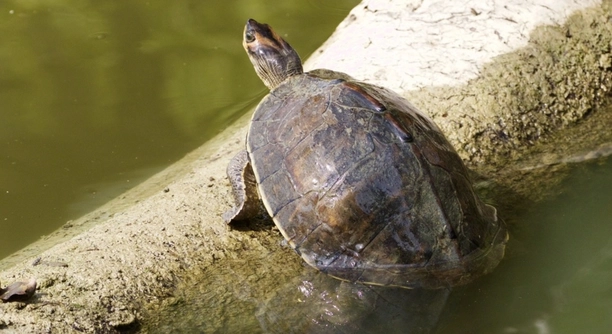
Training pets can be an enjoyable experience, and some animals respond well to different training techniques. One technique to consider for your pet tortoise is clicker training.
Indian Roofed Tortoises can be clicker trained with patience and consistency. While not all tortoises may respond the same way, it is possible to train them to associate sounds with rewards, improving their behavior and interactions.
Understanding the steps involved in training your tortoise can lead to a better bond and a more responsive pet. The right approach, rewards, and timing are key in creating a successful clicker training experience.
What is Clicker Training?
Clicker training is a method that uses a distinct sound to mark desired behavior, followed by a reward, usually food. This technique helps animals, including tortoises, associate the sound with something positive. Over time, they begin to recognize the sound as an indicator of a reward. By repeating this process consistently, you can teach your tortoise certain behaviors, such as coming to a specific spot, standing still, or even touching an object. It’s a useful tool for creating clear communication between you and your pet, making training less stressful.
Clicker training is based on positive reinforcement, which encourages your pet to repeat behaviors that lead to rewards. This method does not rely on punishment or negative reinforcement, making it a more humane and stress-free approach to training animals.
With patience and persistence, you can train your Indian Roofed Tortoise to follow simple commands. The process involves understanding your tortoise’s behavior and adjusting your approach as needed. It’s important to remember that every tortoise learns at a different pace, so progress may vary.
How to Begin Clicker Training with Your Indian Roofed Tortoise
Start by choosing a quiet area where your tortoise feels comfortable. Have small, tasty treats ready to use as rewards. You’ll need a clicker, which can be purchased or made from a simple pen or toy. The goal is to pair the click sound with something your tortoise enjoys.
Begin by clicking the device and immediately offering the treat. Repeat this a few times so your tortoise can associate the click sound with food. It’s important to be consistent with timing—click when your tortoise shows interest, even if it’s just looking at you. Once they start associating the click sound with a treat, you can start using it to mark desired behavior.
At first, the tortoise may not understand what the click means, but with repeated practice, they will begin to respond. Try to observe any small actions that can be marked by the click sound. This could be as simple as moving closer to the treat or turning toward you. Gradually, you can increase the difficulty by rewarding specific actions, like walking towards you or touching a target.
What to Expect During the Training Process
It may take some time for your tortoise to fully understand clicker training. Tortoises are naturally slow and methodical, so be patient. Some may take longer to respond to the clicker sound than others. It’s essential to stay consistent with your training routine and rewards.
As the training progresses, you’ll likely start to see small improvements. Your tortoise may begin to associate the sound with the reward more quickly. Over time, you can work on expanding the behaviors you want to reinforce, such as moving to a specific spot or engaging with a target.
Challenges You Might Face
One of the main challenges when training tortoises is their slower pace. They may not always respond quickly or consistently. Some tortoises may also be less food-motivated, making it harder to use treats as effective rewards. If this happens, try switching up the treats or adjusting your approach.
Keep in mind that training sessions should be short and not overly repetitive. If you push your tortoise too much, they might lose interest. It’s best to keep sessions brief but consistent, and always end on a positive note with a reward.
FAQ
Can all tortoises be clicker trained?
While clicker training can work with many tortoises, some may be more responsive than others. Indian Roofed Tortoises, in particular, are generally good candidates for this type of training. They tend to be curious and food-motivated, which are key factors in clicker training success. However, every tortoise has its own personality, and some may require more patience than others.
How long does it take to clicker train a tortoise?
The time it takes to clicker train a tortoise varies. Some tortoises may start responding within a few sessions, while others might take a few weeks or longer. Consistency and patience are essential. You may notice small improvements over time, like your tortoise showing interest when they hear the clicker sound. It’s important to keep the sessions short and positive to avoid overwhelming them.
What kind of treats should I use for clicker training?
Treats should be something your tortoise finds highly motivating. Most tortoises enjoy leafy greens, fruits, and vegetables. Small pieces of fruits like strawberries, apples, or even dandelion greens can work well. Make sure the treats are healthy and not too sugary. Avoid processed or high-fat foods, as they can be harmful in the long run.
Can I train my tortoise to do tricks?
Yes, with patience and the right approach, you can teach your tortoise simple tricks like walking to a specific spot, following a target, or even touching an object. Keep the tricks simple to start with, and as your tortoise gets the hang of training, you can slowly introduce more complex behaviors. Just remember that tortoises aren’t as fast or agile as some other animals, so keep your expectations realistic.
How often should I train my tortoise?
Training sessions should be kept brief, around 5-10 minutes each. You can train your tortoise a few times a week, but it’s important not to overdo it. Consistency is more important than frequency, so focus on short, positive sessions. Always end the session with a reward, and give your tortoise time to relax and process what they’ve learned.
What if my tortoise isn’t responding to the clicker?
If your tortoise isn’t responding to the clicker, try adjusting your approach. Make sure you’re using a high-value treat that motivates them. Sometimes, it takes a little longer for some tortoises to associate the click with the reward. You can also try different clicker sounds or a different location for training to see if that sparks their interest.
Is clicker training stressful for my tortoise?
Clicker training should not be stressful if done correctly. It’s a positive reinforcement method, meaning your tortoise is rewarded for the right behavior. However, it’s important to avoid overwhelming them. Keep training sessions short, and make sure your tortoise is comfortable in their environment. If they seem stressed or disinterested, take a break and try again later.
Can I use clicker training for other pets?
Clicker training is a versatile technique that can be used with many animals, including dogs, cats, rabbits, and birds. It works best with animals that are food-motivated and can associate sounds with rewards. While tortoises may not be as fast learners as other pets, they are still capable of being trained using clicker techniques. Keep in mind that each species has its own learning pace.
Do I need any special equipment for clicker training?
At its core, clicker training only requires a clicker and a treat. The clicker is a small device that makes a distinct sound when pressed. You can purchase a commercial clicker or even use an object that creates a similar sound, like a pen or a toy. The treats should be small, easy to manage, and something your tortoise loves.
How do I know if my tortoise is ready for clicker training?
Most tortoises, especially the Indian Roofed Tortoise, are naturally curious, which can make them receptive to clicker training. If your tortoise is healthy and enjoys food, they’re likely ready to start. Just be sure to observe their behavior first; if they seem scared or stressed, it’s best to wait until they’re more comfortable with you and their environment.
What should I do if my tortoise loses interest during training?
If your tortoise loses interest, it’s important to stop and not push them too hard. Tortoises have short attention spans, so it’s best to keep the sessions short and positive. You can also try changing the environment, the treats, or even the time of day to see if your tortoise responds better. Always end training on a good note, even if it’s just a small step forward.
Can clicker training help with bad behavior?
Yes, clicker training can help with unwanted behaviors, such as refusing to move or being aggressive. By using positive reinforcement, you can encourage the tortoise to exhibit more desirable actions. For example, if your tortoise is reluctant to come out of their shell, you can click and reward them for small movements. Over time, they will associate moving with a reward, and you can reduce undesirable behaviors.
How do I transition from clicker training to everyday behavior?
Once your tortoise starts responding consistently to the clicker, you can begin to fade out the use of the clicker. Gradually, you’ll use the clicker less often and rely more on verbal praise or a visual cue. Eventually, your tortoise may respond to certain behaviors without needing the clicker, as long as you maintain a positive reinforcement method with treats.
Can I train my tortoise to walk to me?
Yes, you can train your tortoise to walk to you by using the clicker and treats. Start by clicking whenever your tortoise shows interest in moving toward you. Slowly, encourage them to take steps in your direction, rewarding them with a treat each time they make progress. Keep the sessions short and be patient, as tortoises are slow movers.
Final Thoughts
Clicker training can be a rewarding experience for both you and your Indian Roofed Tortoise. While tortoises may not be as quick to respond as other pets, they can still learn new behaviors with the right approach. Patience and consistency are key when training any animal, but especially for tortoises. They have their own unique pace, so it’s important to be mindful of their needs and not rush the process. Small steps over time will lead to more noticeable results, and in the end, you’ll have a better understanding of your tortoise and its capabilities.
One of the most important aspects of training is to ensure that your tortoise feels comfortable. Avoid overwhelming them, and remember that their attention span is not as long as other pets. Short training sessions, positive reinforcement, and a calm environment will help your tortoise feel more at ease. Be sure to use treats that motivate them, and always make the training experience enjoyable rather than stressful. As your tortoise starts to associate the clicker sound with a reward, they will begin to respond more consistently to your cues, and you can gradually introduce new commands or tricks.
In conclusion, clicker training is a simple and effective way to bond with your Indian Roofed Tortoise and teach them new behaviors. While not all tortoises will react in the same way, most will learn through repetition and positive reinforcement. It’s a technique that requires time and patience, but the results are rewarding. Remember that the key is to stay patient, keep training sessions brief, and celebrate the small victories along the way. With time, you will see progress, and your tortoise will likely become more responsive to your interactions.

Hello,
If you enjoy the content that we create, please consider saying a "Thank You!" by leaving a tip.
Every little bit helps us continue crafting quality advice that supports the health, happiness, and well-being of pets around the world, for pets of all shapes, sizes, and species.
We really appreciate the kindness and support that you show us!