
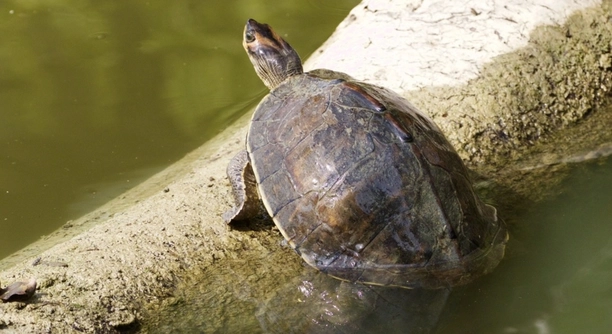
When your Indian Roofed Tortoise stops eating suddenly, it can be concerning. It’s important to understand why this may happen and how to respond effectively to ensure your tortoise’s well-being.
If your Indian Roofed Tortoise refuses to eat, it could be due to stress, illness, or environmental factors. Ensure that their habitat is properly maintained, monitor their health, and check for signs of any underlying health issues.
The following steps can help identify the cause and restore your tortoise’s appetite, allowing for better care and management.
Check the Temperature and Humidity Levels
Your Indian Roofed Tortoise needs the right temperature and humidity to stay healthy. If either of these is off, it can cause them to stop eating. These tortoises are sensitive to changes in their environment. They require a warm, dry habitat during the day, with a cooler, slightly more humid area for the night. If the temperature is too low or the humidity too high, your tortoise may become stressed and refuse food. It’s essential to maintain the proper range of 80-85°F (27-29°C) during the day, with a night drop of around 70°F (21°C).
Making sure their enclosure has a heat source, such as a basking light, and a humidity level between 50-60% can help your tortoise feel more comfortable. Check the thermometer and hygrometer regularly to monitor these conditions. If they aren’t within the ideal range, adjust accordingly to create a more welcoming space for your tortoise to eat and thrive.
Keeping their environment stable and comfortable is one of the first steps in restoring their appetite.
Look for Signs of Stress
Stress can be a major reason why your tortoise isn’t eating. Loud noises, sudden changes in their environment, or the presence of other animals can trigger stress. This often leads to your tortoise refusing food or hiding more often than usual. When you notice a decline in eating habits, look around their enclosure and surroundings to ensure there aren’t stress-inducing factors.
Stress may also result from overhandling. Tortoises are naturally shy creatures and prefer to stay in their space undisturbed. Too much attention or movement around them can cause anxiety. It’s a good idea to minimize handling and allow them to rest in a quiet environment.
Ensure that the habitat is peaceful and secure, and be mindful of external factors that could cause stress. Reducing these triggers can help your tortoise regain its appetite and feel comfortable again.
Check for Illness or Injury
If your tortoise is not eating, it’s important to rule out illness or injury. Look for any signs of lethargy, swelling, discharge, or difficulty moving. These could be signs that something is wrong, requiring immediate attention from a vet.
Common issues that affect appetite include respiratory infections, shell problems, or digestive issues. If you notice abnormal behavior, such as lethargy or labored breathing, it’s best to get your tortoise checked by a vet. Early detection of illness will help ensure proper treatment. Infections or injuries can also cause a loss of appetite, so don’t delay if you notice something unusual.
Veterinary care is essential if your tortoise’s symptoms persist. Without proper treatment, your tortoise’s condition could worsen, making recovery harder. Prompt attention helps prevent further complications and restores their health.
Review Their Diet
Sometimes, your tortoise’s refusal to eat comes down to their food. If their diet lacks variety or they’re offered the wrong foods, they may not want to eat. Check to ensure their diet is balanced and includes a mix of fresh vegetables, leafy greens, and appropriate fruits.
Offering the same food every day can lead to boredom or a lack of nutrients. Make sure to offer different types of greens, such as dandelion greens, collard greens, and mustard greens. Avoid feeding them high-protein foods, as this can upset their digestion. Also, ensure that the food you’re offering is fresh and free from pesticides or chemicals.
By diversifying their meals and offering healthier options, your tortoise might become more interested in eating. Proper diet plays a big role in their health, and a varied menu could help encourage a better appetite.
Provide a Quiet, Safe Space
If your tortoise is in a noisy or high-traffic area, it may not feel comfortable enough to eat. Relocate its habitat to a quieter spot with minimal disturbances. A calm environment helps reduce stress and encourages feeding.
Consider placing your tortoise’s enclosure in a corner or low-traffic area. Ensure that the space remains peaceful and secure. Reducing distractions can help your tortoise feel more at ease and likely to eat.
Keep a Consistent Feeding Schedule
A consistent feeding routine helps your tortoise feel more secure. Stick to a regular schedule for offering food so that your tortoise knows when to expect it. Routine can also encourage your tortoise to eat.
Try feeding your tortoise at the same time each day, ensuring that the food is fresh and available for a set period. Removing uneaten food after a few hours helps prevent spoilage. Consistency helps establish healthy habits and may encourage your tortoise to eat.
Monitor for Parasites
Parasites are another common reason for loss of appetite. They can disrupt digestion and make your tortoise feel unwell. Look for signs like diarrhea, abnormal droppings, or lethargy. If you spot any unusual symptoms, a vet visit is necessary.
Parasites can often be treated with medication from a veterinarian. If left untreated, they can lead to more serious issues. Regular health checks and preventive care are key to keeping your tortoise healthy. Addressing parasite issues early helps restore appetite and overall well-being.
FAQ
Why has my Indian Roofed Tortoise stopped eating?
There are several reasons why your tortoise may stop eating. It could be due to stress, illness, injury, or an improper environment. Check the temperature, humidity, and overall setup of the enclosure. If the conditions are not ideal, your tortoise may feel uncomfortable or stressed, which can cause them to stop eating. Illnesses such as respiratory infections, digestive problems, or parasites can also lead to a loss of appetite. It’s important to monitor any changes in behavior and consult a vet if necessary.
How can I tell if my tortoise is sick?
Signs of sickness in your tortoise may include lethargy, labored breathing, swelling, discharge from the eyes or nose, or a change in shell appearance. If your tortoise isn’t eating and is also showing any of these signs, it’s important to get them checked by a vet. In some cases, a tortoise might stop eating because of internal parasites, digestive issues, or infections that require medical attention. Quick diagnosis and treatment can prevent further complications.
What should I feed my Indian Roofed Tortoise?
Your tortoise’s diet should primarily consist of leafy greens such as collard greens, dandelion greens, and mustard greens. You can also offer occasional fruits like strawberries, apples, or melons, but they should only be fed in moderation. Avoid feeding your tortoise high-protein foods, as this can lead to health issues. Fresh, chemical-free vegetables and greens are the best food for your tortoise. It’s important to provide variety and avoid overfeeding the same type of food.
Can temperature changes cause my tortoise to stop eating?
Yes, temperature fluctuations can cause your tortoise to stop eating. They require a specific temperature range to remain active and healthy. If the enclosure is too cold, your tortoise may become sluggish and lose interest in food. Ensure the daytime temperature stays between 80-85°F (27-29°C) and drops to around 70°F (21°C) at night. Having a heat source, such as a basking light, can help regulate these temperatures. If your tortoise is in an environment that is too cold or too hot, it will affect their appetite.
How often should I feed my tortoise?
An adult Indian Roofed Tortoise should be fed daily, while younger tortoises may require more frequent meals. Offer fresh greens and vegetables each day, ensuring they have access to clean water at all times. You should avoid feeding them every day the same foods to maintain variety and prevent nutritional imbalance. Overfeeding should be avoided, as tortoises have slow metabolisms, and excess food can lead to health problems. Monitor your tortoise’s weight and appetite to adjust feeding schedules if necessary.
Should I be concerned if my tortoise isn’t eating for a day or two?
A tortoise not eating for a day or two may not be an immediate concern, especially if they are otherwise healthy. However, if this behavior persists for longer than a few days, it could be a sign of stress, illness, or improper environmental conditions. You should investigate if there are any changes in temperature, humidity, or any other environmental factors that could be affecting your tortoise. If the loss of appetite continues or is accompanied by other unusual behaviors, consulting a vet is recommended.
Can stress affect my tortoise’s eating habits?
Yes, stress can significantly impact your tortoise’s eating habits. Stressors such as loud noises, overhandling, or the presence of other animals can make your tortoise feel unsafe or uncomfortable. It’s crucial to place your tortoise in a quiet, secure environment to minimize stress. A stable habitat with proper temperature, humidity, and minimal disturbances is essential to help your tortoise feel comfortable enough to eat. If your tortoise is stressed, it’s a good idea to reduce handling and allow them time to adjust.
How do I know if my tortoise is dehydrated?
Dehydration can cause a tortoise to become lethargic and may lead to a loss of appetite. Signs of dehydration include dry, wrinkled skin, sunken eyes, and infrequent urination. If you suspect dehydration, offer your tortoise fresh water and consider soaking them in shallow, lukewarm water for 15-20 minutes to help them rehydrate. Ensure they have access to fresh, clean water at all times. If dehydration continues, a visit to the vet is necessary to prevent further complications.
Is it normal for my tortoise to stop eating in the winter?
Indian Roofed Tortoises, like many other reptiles, can experience a decrease in appetite during colder months. They may go through a period of reduced activity and eat less when temperatures drop. However, it’s essential to monitor their health closely during this time. If your tortoise isn’t eating for extended periods or shows other concerning signs, it’s important to check that their environment is properly regulated and to consult a vet if needed. If they are in hibernation or brumation, they may eat very little, but this is usually temporary.
How can I encourage my tortoise to eat again?
If your tortoise stops eating, start by checking their habitat conditions, including temperature, humidity, and cleanliness. Make sure they are in a quiet, secure environment. Offer a variety of fresh greens and vegetables to entice them, and remove uneaten food after a few hours to prevent it from spoiling. If the loss of appetite continues, consider reducing handling to minimize stress. If your tortoise still refuses food or shows signs of illness, a visit to the vet may be necessary for further evaluation.
Final Thoughts
If your Indian Roofed Tortoise stops eating suddenly, it’s important to stay calm and assess the situation. Many factors can cause a decrease in appetite, and it’s not always something to be immediately alarmed about. However, it’s crucial to address any potential issues quickly to ensure your tortoise stays healthy. Start by checking the environment—temperature, humidity, and lighting—all play a significant role in your tortoise’s behavior. A stable habitat can help reduce stress and encourage your tortoise to eat. By taking the right steps, you can quickly pinpoint the problem and take action.
If the environmental factors seem fine, the next step is to check for any signs of illness or injury. Pay attention to any behavioral changes like lethargy, labored breathing, or unusual shell appearances. These symptoms could indicate a health problem, and seeing a vet will help rule out infections or other issues. Sometimes, the problem may be something as simple as stress or a change in diet. Offering a variety of fresh food and ensuring the tortoise is comfortable can sometimes be all that’s needed to restore its appetite.
Remember that a sudden loss of appetite doesn’t always mean something is seriously wrong, but it’s always better to be cautious. Regularly monitoring your tortoise’s behavior and environment can help prevent issues before they become major problems. Providing a balanced diet, maintaining proper enclosure conditions, and minimizing stress are key elements in caring for your tortoise. If the situation persists, seeking professional advice from a veterinarian ensures your pet gets the attention it needs. With patience and proper care, your tortoise should regain its appetite and return to its healthy, active self.

Hello,
If you enjoy the content that we create, please consider saying a "Thank You!" by leaving a tip.
Every little bit helps us continue crafting quality advice that supports the health, happiness, and well-being of pets around the world, for pets of all shapes, sizes, and species.
We really appreciate the kindness and support that you show us!