
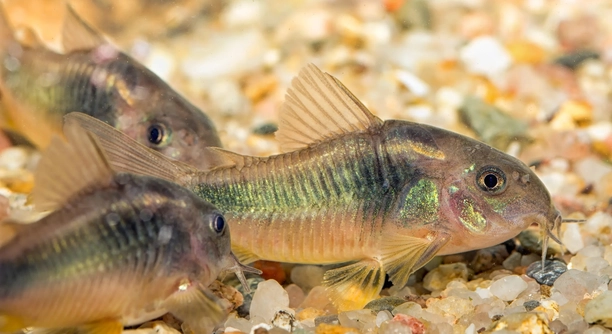
Corydoras catfish are peaceful and social creatures, but they can be shy and easily stressed. Providing a secure environment is crucial to keeping them healthy and happy. Creating a comfortable habitat can also help them thrive in your tank.
To make your Corydoras feel more secure, you should focus on providing a stable environment. This includes adding plenty of hiding spots, maintaining water quality, and ensuring they feel safe from other aggressive fish.
By understanding the needs of your Corydoras, you can create a tank where they feel safe. Let’s take a look at ways to improve their comfort and security.
1. Provide Hiding Spots
Corydoras catfish are naturally shy and need places to hide to feel safe. Adding plenty of hiding spots is essential for helping them thrive. Small caves, plants, or driftwood can work well. Corydoras feel more secure when they have places to retreat to, especially when they feel threatened. This helps reduce stress and encourages natural behaviors like foraging and resting.
A tank with multiple hiding spots will keep your Corydoras from feeling exposed. These spots give them a sense of security and help them interact with their environment more freely. Keep these hiding places away from strong currents or noisy areas in the tank.
Try to create a few hiding places throughout the tank, so your Corydoras can choose where they feel most comfortable. The more options they have, the more relaxed they’ll be. Plus, providing enough hiding spots helps keep aggression levels low, allowing your fish to live more peacefully.
2. Maintain Stable Water Conditions
Consistency in water quality is key to making your Corydoras feel secure. A stable environment prevents stress and helps them adjust better to tank life. Regularly check the pH, temperature, and hardness of the water. A well-maintained tank gives your Corydoras a more comfortable and predictable habitat.
Corydoras are sensitive to fluctuations in water parameters. By keeping water stable, you reduce the chance of stressing them out. Regular water changes, proper filtration, and monitoring water levels will help your catfish feel more at ease.
Maintaining clean and stable water helps create a comfortable environment for your Corydoras. Water temperature should be kept between 72-78°F, and pH should range from 6.0 to 7.5. A good filtration system will prevent harmful toxins from building up, ensuring that your fish can live in a healthy environment. Testing the water regularly and performing partial water changes will keep conditions optimal.
3. Choose Compatible Tank Mates
Corydoras are peaceful fish that can easily become stressed when housed with aggressive or overly active tank mates. Make sure the other fish in the tank are non-threatening and won’t chase or nip at your Corydoras.
Tank mates like guppies, tetras, or peaceful bettas are good companions for Corydoras. Avoid fish that are too large or territorial. Aggressive fish can make your Corydoras feel constantly threatened, which will lead to stress and possible health problems. The right tank mates allow your catfish to thrive and feel secure in their environment.
It’s important to keep in mind that the behavior of your other fish can impact the overall well-being of your Corydoras. Overly active or aggressive fish can make your catfish feel constantly on edge, limiting their natural behaviors. Having calm and compatible tank mates ensures that your Corydoras won’t feel stressed or vulnerable.
4. Provide Soft Substrate
Corydoras spend a lot of time on the bottom of the tank, searching for food in the substrate. A soft, fine-gravel or sand substrate is ideal for them. Rough surfaces can cause injury to their delicate barbels.
Choosing the right substrate is more than just aesthetics. Corydoras rely on their barbels to search for food, and they can easily get scratched on harder materials like sharp gravel. By opting for fine sand, you ensure their barbels remain undamaged, allowing them to feed and explore freely.
Soft substrate also mimics their natural habitat, where they typically live in muddy or sandy riverbeds. This makes them feel more at home and helps reduce stress. Moreover, sand allows for better water flow, preventing debris buildup that could negatively affect water quality. Proper substrate not only supports their natural behaviors but also ensures a more secure and comfortable environment for your Corydoras.
5. Limit Tank Lighting
Bright lights can be intimidating for Corydoras, especially since they are naturally more active during low light hours. Keeping the lighting dim or using gentle, adjustable lighting will help them feel more secure in their environment.
Overly bright lighting can cause your Corydoras to hide more often, leading to stress. Dim lighting mimics the low-light conditions found in their natural habitat, where they are usually more active during dusk or dawn. Consider using LED lights that are adjustable, so you can control the brightness and create a calm atmosphere.
By adjusting the light intensity, you create an environment that encourages natural behaviors like foraging and swimming. A consistent day/night cycle also helps your Corydoras feel more at ease, as they can establish a regular rhythm. This small change can make a significant difference in how secure they feel.
6. Avoid Overcrowding
Overcrowding a tank can cause stress for Corydoras, as they require space to move and feel comfortable. Too many fish can increase competition for food, hiding spots, and make the environment feel unsafe.
Corydoras need plenty of swimming space and a low-stress environment to stay healthy. When you overcrowd the tank, you not only stress the Corydoras but also increase the likelihood of aggression and territorial behavior. Keeping a moderate number of fish ensures a peaceful atmosphere and gives your Corydoras room to roam freely without feeling confined.
Ensure your tank is appropriately sized for the number of fish you plan to keep. It’s essential to research the space requirements for all the species in your tank to prevent overcrowding and give your Corydoras enough room to thrive.
7. Keep the Tank Clean
Maintaining a clean tank is essential for reducing stress and promoting a secure environment for Corydoras. Regular cleaning helps keep water quality in check and ensures your catfish have a healthy space to live in.
Dirty water can lead to poor water quality, which stresses out Corydoras and makes them more susceptible to diseases. Perform regular water changes, clean the filter, and remove any uneaten food or debris. Keeping the tank clean helps maintain a stable environment where your Corydoras will feel safe and healthy.
A clean tank also reduces the chances of harmful bacteria or toxins building up, which can make your Corydoras feel insecure and cause them to hide more often. A well-maintained tank is a key part of ensuring your Corydoras live happily and securely in your aquarium.
FAQ
What do Corydoras catfish need to feel secure?
Corydoras feel most secure when they have plenty of hiding spots, stable water conditions, and compatible tank mates. They also benefit from soft substrate to protect their barbels. Consistent water quality, dim lighting, and enough space are key factors in making them feel safe.
How often should I clean my Corydoras tank?
You should clean your Corydoras tank at least once a week. Perform a partial water change of about 25-30% to remove waste and maintain good water quality. Clean the filter regularly to avoid debris buildup and check for any uneaten food that may have settled on the substrate.
Can Corydoras live with other types of fish?
Yes, Corydoras can live with many other peaceful fish. It’s best to pair them with non-aggressive, non-territorial fish such as tetras or guppies. Avoid larger, aggressive species that may intimidate or harass them, as this can cause stress. Always ensure your tank mates are compatible.
What should I feed my Corydoras to keep them happy?
Corydoras are bottom feeders and prefer sinking pellets, which they can forage on the tank floor. They also enjoy a variety of foods such as algae wafers, live or frozen foods like bloodworms, and occasional vegetables like blanched spinach. Make sure to feed them small amounts, as uneaten food can pollute the tank.
Are Corydoras sensitive to water conditions?
Yes, Corydoras are sensitive to water conditions. They require stable water temperature (72-78°F), pH between 6.0 and 7.5, and soft to medium-hard water. Sudden changes in water quality or temperature can cause stress and health issues. Regular water testing is important to maintain a healthy environment.
How many Corydoras should I keep in a tank?
Corydoras are social fish and prefer to live in groups. A minimum of three to five Corydoras is recommended to make them feel comfortable and secure. However, the number you keep should be based on the size of your tank. More space will allow for a larger group, which makes them feel more secure.
Can Corydoras live with snails?
Yes, Corydoras can live with snails. They generally get along well, as snails are not aggressive and don’t compete for food with Corydoras. Snails can help keep the tank clean by eating algae and uneaten food, which can also benefit the overall tank environment for your Corydoras.
Why do my Corydoras stay at the bottom of the tank?
Corydoras are bottom-dwelling fish, so it’s normal for them to spend most of their time at the bottom of the tank. They use their barbels to search for food and prefer resting on the substrate. If they appear overly lethargic, it could indicate water quality issues or stress.
What should I do if my Corydoras are hiding all the time?
If your Corydoras are hiding all the time, it may be a sign of stress. Check the water parameters to ensure they are within the ideal range, and ensure there are no aggressive tank mates. Also, make sure they have enough hiding places and that the lighting is not too bright.
Do Corydoras need a filter?
Yes, Corydoras need a filter. They produce waste that can quickly deteriorate water quality, so a good filtration system helps maintain clean and healthy water. A gentle filter is best, as strong currents can stress your Corydoras. Regular maintenance of the filter is also essential to keep the tank environment stable.
Can Corydoras live with shrimp?
Corydoras can generally live with shrimp, as they are peaceful and do not pose a threat. However, be cautious with very small or baby shrimp, as there is a possibility that your Corydoras might accidentally disturb them while foraging for food. Larger, more mature shrimp are usually safe to live alongside Corydoras.
How can I tell if my Corydoras are stressed?
Signs of stress in Corydoras include hiding more than usual, reduced appetite, erratic swimming, or swimming at the water’s surface. Stress can be caused by poor water quality, unsuitable tank mates, or extreme tank conditions. Addressing these factors promptly will help reduce their stress levels.
What temperature should I keep my Corydoras tank?
Corydoras thrive in water temperatures between 72-78°F. Keeping the temperature within this range helps mimic their natural environment and reduces the risk of illness. Sudden temperature fluctuations can stress them out and lead to health problems. A stable, warm environment is key to their well-being.
Can I breed Corydoras in my tank?
Yes, Corydoras can breed in your tank, but you need to create the right conditions. Breeding is most successful when the water temperature is slightly raised (around 76°F), and you offer plenty of food. A separate breeding tank is recommended, but some Corydoras may spawn in the main tank if conditions are right.
How can I make sure my Corydoras are getting enough food?
Corydoras are bottom feeders and need sinking food to access it. You can provide sinking pellets, wafers, or live/frozen foods such as bloodworms and brine shrimp. Be sure to feed small amounts regularly to avoid overfeeding, and monitor if they are able to reach the food without competition from other fish.
Why are my Corydoras swimming erratically?
Erratic swimming can be a sign of stress or health problems. Water quality issues, temperature fluctuations, or incompatible tank mates can all cause this behavior. It may also indicate the presence of parasites or disease. Check the water parameters, ensure your Corydoras are not stressed, and consult an aquarium professional if the behavior persists.
Are Corydoras easy to take care of?
Yes, Corydoras are generally easy to care for, as long as you maintain stable water conditions and provide them with appropriate tank mates and food. They are hardy fish that adapt well to various environments, making them a great choice for beginner aquarists. Just be mindful of their needs for a secure, calm environment.
Final Thoughts
Creating a secure environment for your Corydoras catfish is essential for their well-being and happiness. These peaceful fish are sensitive to changes in their surroundings, so maintaining a stable and calm tank environment is key. By focusing on things like hiding spots, water quality, and appropriate tank mates, you can make sure they feel safe and secure. Small adjustments, like using soft substrate and dimming the lighting, can go a long way in reducing stress and encouraging natural behavior.
It’s important to remember that Corydoras are bottom-dwellers, so providing them with enough space and suitable conditions is essential. They rely on their barbels to search for food, and their comfort largely depends on the quality of their environment. Keeping the tank clean and ensuring the water parameters are within the right range helps them feel safe and thrive. By regularly monitoring their health and adjusting as needed, you can ensure they remain happy and healthy in the long run.
Overall, Corydoras catfish are hardy fish that, when cared for properly, can live long, happy lives in your aquarium. With the right environment, food, and care, these fish can thrive in your tank, adding beauty and charm to your aquarium. Their peaceful nature makes them great companions for other calm fish, and they can easily adapt to a variety of setups. By following these tips, you’ll help create the perfect environment for your Corydoras to feel secure and comfortable.

Hello,
If you enjoy the content that we create, please consider saying a "Thank You!" by leaving a tip.
Every little bit helps us continue crafting quality advice that supports the health, happiness, and well-being of pets around the world, for pets of all shapes, sizes, and species.
We really appreciate the kindness and support that you show us!