
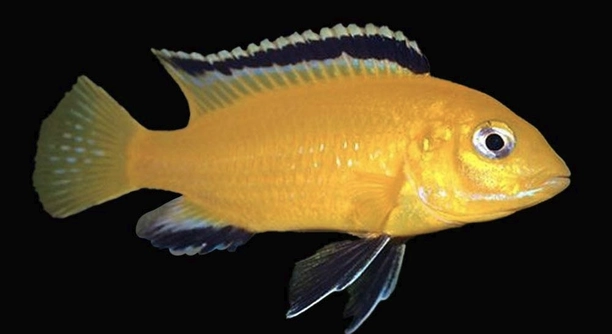
Cichlids are colorful and lively fish that many enjoy keeping at home. They bring energy and charm to any aquarium, making a room feel more vibrant. Proper care ensures they thrive in a safe environment.
Cichlids can be kept in a room with sunlight, but direct sunlight should be limited. Excessive exposure can lead to algae growth, temperature fluctuations, and stress. Indirect natural light combined with controlled aquarium conditions supports their health and wellbeing.
Managing sunlight and tank conditions is essential for maintaining a healthy cichlid environment and ensuring long-term enjoyment of these vibrant fish.
Understanding Sunlight and Aquarium Conditions
Sunlight affects aquariums in ways that many overlook. When sunlight enters a tank, it warms the water and can promote algae growth. Algae can cover decorations and glass, making the tank less visually appealing and affecting water quality. Cichlids are sensitive to sudden temperature changes. Direct sunlight can create hotspots in the water, stressing the fish and weakening their immune systems. Natural light is beneficial in moderation, helping fish maintain normal activity patterns. Using blinds or placing the tank away from windows can control exposure. Some owners add floating plants or use aquarium covers to diffuse light. Observing how the tank responds to sunlight is key. Small adjustments, like moving the tank slightly or adjusting room lighting, make a significant difference. Regular water checks help ensure algae growth and temperature remain under control. A balanced environment keeps cichlids active, colorful, and healthy over time, supporting their natural behavior.
Sunlight should be controlled, ideally indirect. Excessive exposure may harm fish and encourage algae growth.
Balancing sunlight with proper tank maintenance requires attention to placement, plant coverage, and routine monitoring. Observing fish behavior and water quality helps maintain a stable environment. Consistent care reduces stress and prevents long-term health issues, ensuring cichlids remain vibrant and lively.
Tips for Placing a Cichlid Tank
Avoid direct sunlight on the aquarium. Positioning the tank near filtered or indirect light helps maintain temperature and reduces algae growth.
To create an optimal setup, consider the room’s lighting schedule and how sunlight moves during the day. Direct morning or afternoon light can heat the water too quickly, creating unstable conditions. Use blinds or curtains if the tank is near a window, or select a spot with steady ambient light. Incorporating floating plants can help diffuse sunlight while offering shade for the fish. Regular water testing ensures temperature remains stable, and algae levels are manageable. Adjusting lighting and placement gradually allows cichlids to adapt without stress. Monitoring their behavior, such as hiding or unusual swimming, signals whether the environment suits them. By combining natural light with controlled aquarium conditions, you create a stable habitat that supports growth, activity, and long-term health. Consistency in these steps ensures a beautiful, lively tank that showcases the cichlids’ colors and behavior effectively.
Managing Algae Growth
Algae can appear quickly when sunlight hits the tank. Controlling light exposure and maintaining clean water prevents excessive growth. Regular water changes and scraping glass surfaces help keep the aquarium clear.
Limiting sunlight and using an appropriate filtration system are effective ways to manage algae. Floating or tall plants can block light and compete with algae for nutrients, reducing its spread. Avoid overfeeding, as leftover food accelerates algae growth. Monitoring water chemistry, including nitrates and phosphates, ensures the tank environment remains stable. These steps reduce maintenance stress and protect cichlid health.
If algae persists despite precautions, consider adjusting the tank’s location or using an algae scrubber. Introducing certain algae-eating fish or snails can help, but compatibility with cichlids must be checked. Maintaining consistent routines, including weekly water changes and regular filter cleaning, supports a balanced environment. Observing fish behavior alongside water clarity signals whether adjustments are necessary. Controlled light and careful feeding prevent future outbreaks, keeping the tank visually appealing and healthy for all inhabitants.
Temperature Control in Sunlit Rooms
Sunlight can heat the aquarium unevenly, stressing cichlids. Maintaining stable temperatures is essential for their wellbeing.
Use a reliable heater and thermometer to monitor water temperature closely. Avoid placing the tank where sunlight hits directly for long periods, as it can cause spikes that stress fish. Shaded areas or diffused light help maintain a steady environment. Sudden temperature changes weaken fish immunity and can trigger disease. A stable temperature range, typically between 24°C and 28°C, supports normal metabolism, feeding behavior, and overall activity. Regular checks of both water and room temperature help prevent overheating or cooling during seasonal changes, keeping cichlids healthy and active.
Temperature fluctuations are subtle but impactful. Sunlight may warm one side of the tank more than the other, creating hotspots. Circulation pumps or filters help distribute heat evenly, preventing uneven conditions. Positioning thermometers at multiple points ensures accuracy. Consistent monitoring of sunlight exposure, combined with routine heater adjustments, reduces stress and supports a stable aquatic environment. Proper temperature control contributes to optimal cichlid growth, coloration, and breeding readiness. Balancing light, heat, and water flow ensures a safe and comfortable habitat, allowing fish to display natural behaviors without risk of illness or lethargy.
Choosing the Right Location
Positioning the tank away from direct sunlight helps prevent overheating and algae growth. A stable environment supports cichlids’ health and activity.
Indirect light or a shaded area ensures consistent water temperature. Avoid placing the tank near windows with intense morning or afternoon sun.
Using Aquarium Covers and Shades
Covers and shades diffuse sunlight and reduce temperature fluctuations. They also prevent debris from entering the tank. Choosing a lightweight, transparent cover allows natural light without creating hotspots. Shades can be adjustable, giving control over sunlight exposure throughout the day. This setup keeps the environment stable while maintaining visibility and aesthetic appeal. Regular adjustments ensure cichlids are neither stressed by sudden light changes nor deprived of beneficial natural light. Consistent use of covers supports tank cleanliness and reduces algae growth, promoting long-term health and vibrant coloration in the fish.
Monitoring Fish Behavior
Changes in swimming patterns or hiding more often may indicate stress from sunlight. Observing these signs helps maintain a healthy tank.
FAQ
Can cichlids survive in a room with windows that get a lot of sunlight?
Yes, they can survive if sunlight is controlled. Direct sunlight can heat the tank and encourage algae, but indirect light or filtered sunlight creates a stable environment. Using blinds or placing the tank in a shaded corner prevents temperature spikes and stress. Observing the fish daily helps ensure they remain active and healthy.
How much sunlight is safe for a cichlid tank?
Indirect sunlight for a few hours a day is safe. Continuous direct sunlight can cause overheating and promote algae growth. Positioning the tank away from strong light and using floating plants or aquarium covers helps diffuse sunlight. Regular temperature checks maintain stability and protect the fish.
What are the signs that sunlight is affecting cichlids?
Cichlids may hide more often, swim erratically, or appear less colorful if stressed by sunlight. Algae buildup and warmer water temperatures also indicate excessive exposure. Monitoring fish behavior and water conditions allows for quick adjustments to prevent long-term health problems.
Does sunlight affect algae growth in the aquarium?
Yes, sunlight accelerates algae growth by providing energy for photosynthesis. Excessive algae can reduce water quality, cover decorations, and block light from reaching plants. Controlling sunlight, maintaining a proper filtration system, and performing regular water changes keep algae manageable.
Can I use plants to control sunlight effects?
Yes, live or floating plants help block excessive sunlight and reduce algae growth. Plants provide shade and compete for nutrients, supporting water quality. They also create hiding spaces, reducing stress for cichlids. Regular trimming and maintenance ensure plants do not overcrowd the tank.
Is it necessary to move the tank if sunlight is too strong?
Sometimes, relocating the tank is the simplest solution. Moving it to a spot with indirect light or using blinds can stabilize temperature and reduce algae growth. Gradual adjustments prevent stress and allow cichlids to adapt without sudden changes in their environment.
Do I need special equipment for sunlight-exposed tanks?
Basic equipment like a reliable heater, thermometer, and filter is sufficient. Aquarium covers or shades help control light, and circulation pumps maintain even water temperature. Monitoring and small adjustments are more important than specialized gadgets.
Will cichlids lose color if exposed to too much sunlight?
Yes, stress from direct sunlight or unstable conditions can dull their colors. Maintaining consistent light levels and stable water parameters ensures cichlids remain vibrant. Providing shaded areas or plants also allows them to retreat and feel secure.
Can sunlight affect breeding behavior?
Excessive sunlight may disrupt breeding by stressing fish or causing temperature fluctuations. Stable indirect light encourages normal behavior and supports reproductive activity. Monitoring water conditions and tank environment ensures optimal health during breeding periods.
How often should I check water conditions in a sunlit room?
Daily observation of fish behavior is important, and weekly checks of temperature, nitrate, and phosphate levels are recommended. Frequent water changes and filter maintenance reduce risks caused by sunlight exposure, keeping the tank clean and safe for cichlids.
Are there specific cichlid species more tolerant of sunlight?
Some African cichlids, like those from Lake Malawi, tolerate higher temperatures but still need controlled light. Most species benefit from indirect sunlight and stable conditions. Researching the specific needs of your cichlid species helps prevent stress and health problems.
Can sunlight alone replace aquarium lighting?
Sunlight cannot fully replace artificial lighting, which provides consistent intensity and duration. Using sunlight as a supplement is fine, but a proper aquarium light ensures balanced growth for plants and maintains normal fish behavior.
What is the best way to balance sunlight and artificial lighting?
Combine a controlled amount of indirect sunlight with standard aquarium lighting. Timers can maintain consistent day-night cycles, while shades or covers manage natural light. This approach ensures cichlids remain active and colorful without algae problems.
Does room temperature affect cichlids in sunlight?
Yes, room temperature combined with sunlight can increase tank heat. Monitoring water temperature and using heaters or coolers when necessary prevents fluctuations. Stable conditions protect fish from stress and support normal metabolic and feeding patterns.
Can I leave cichlids in a sunlit room all day?
Continuous direct sunlight is not recommended. Indirect sunlight for short periods is safe, but long exposure can cause stress, algae growth, and overheating. Using adjustable shades or moving the tank slightly during peak sunlight hours helps maintain a safe environment.
How do I prevent sudden temperature spikes from sunlight?
Position the tank in shaded areas or away from windows, use covers, and monitor temperature with reliable thermometers. Circulation pumps and proper filtration help distribute heat evenly. Gradual adjustments avoid shocking the fish and maintain consistent water conditions.
What routine maintenance helps cichlids in sunlit rooms?
Regular water changes, filter cleaning, and monitoring temperature are essential. Scraping algae, trimming plants, and observing fish behavior ensure a healthy tank. Small, consistent actions prevent problems caused by sunlight, supporting long-term health and vibrancy of cichlids.
Can cichlids adapt to rooms with varying sunlight?
They can adapt slowly if changes are gradual. Sudden exposure to intense light causes stress, while controlled adjustments and proper tank placement help cichlids acclimate. Observing behavior and maintaining stable water conditions are key to successful adaptation.
Does sunlight influence feeding habits?
Indirect sunlight generally has minimal effect on feeding. However, stress from overheating or algae overgrowth can reduce appetite. Maintaining stable light, temperature, and water quality ensures cichlids feed normally and remain active.
Are there long-term risks of keeping cichlids in a sunlit room?
Long-term exposure to uncontrolled sunlight can cause chronic stress, weakened immunity, algae issues, and temperature fluctuations. Preventing these risks requires monitoring light, temperature, water quality, and fish behavior. Controlled sunlight ensures cichlids thrive without long-term health consequences.
How do I know if my adjustments are working?
Healthy, active fish with bright colors and normal behavior indicate successful adjustments. Reduced algae, stable water temperature, and balanced plant growth confirm the tank environment is well-managed. Regular observation and minor changes keep the habitat safe and enjoyable.
Can accessories like rocks or driftwood help with sunlight exposure?
Yes, decorations can provide shaded areas for cichlids to retreat when light is strong. Arranging them strategically helps create hiding spots, reduces stress, and supports natural behavior. Regular cleaning ensures these accessories do not contribute to algae buildup or water quality issues.
How important is consistency in light exposure?
Consistency is crucial. Sudden changes in sunlight can stress cichlids and affect health. Maintaining a stable schedule with indirect sunlight, covers, or shades supports normal activity, feeding, and overall wellbeing. Predictable lighting ensures a calm and vibrant tank environment.
Should I consider artificial lighting over sunlight entirely?
Artificial lighting provides control, consistency, and safety from temperature spikes or algae problems. Sunlight can supplement, but relying solely on natural light risks instability. Combining both ensures optimal conditions for cichlids, plants, and the overall tank ecosystem.
Can sunlight affect water pH or chemistry?
Indirectly, yes. Sunlight can promote algae growth, which consumes nutrients and slightly shifts pH. Regular testing and partial water changes maintain balance. Keeping sunlight controlled reduces chemical fluctuations and supports a stable environment for cichlids.
How do I keep sunlight from overheating the tank in summer?
Use blinds, move the tank, or add floating plants. Circulation pumps and heaters with thermostats help maintain even temperatures. Gradual adjustments during peak sunlight hours prevent sudden spikes, protecting fish from stress and supporting healthy tank conditions.
Is there a seasonal difference in managing sunlight?
Yes, summer months increase the risk of overheating, while winter sunlight may be weaker. Adjusting tank placement, using shades, and monitoring temperature ensures consistent conditions year-round. Seasonal awareness helps maintain a stable environment for cichlids.
Can cichlids get used to bright sunlight over time?
They may adapt slowly if changes are gradual. Providing shaded areas, consistent monitoring, and stable water conditions supports acclimation. Sudden exposure remains harmful, but careful management allows fish to tolerate moderate indirect sunlight safely.
Does tank size influence sunlight impact?
Larger tanks have more stable water temperature, reducing fluctuations from sunlight. Smaller tanks heat faster and require stricter control. Observing water temperature, light exposure, and fish behavior ensures all tank sizes remain safe for cichlids.
How does sunlight interact with aquarium filtration?
Filtration helps circulate water, distributing heat and nutrients evenly. Combined with controlled sunlight, filters prevent hotspots and reduce algae buildup. Proper maintenance ensures filtration complements light management, maintaining a healthy and stable environment.
Can sunlight affect fish health indirectly?
Yes, it can promote algae and temperature changes, stressing cichlids. Chronic stress may weaken immunity and increase disease susceptibility. Controlling light, temperature, and water quality supports long-term health.
Are there natural ways to reduce sunlight effects?
Yes, using floating plants, driftwood, or rocks provides shade. Adjusting tank placement and using blinds or curtains also helps. These methods reduce stress, control algae, and maintain a balanced environment without extra equipment.
How do I balance aesthetics and sunlight control?
Floating plants, carefully placed decorations, and adjustable covers preserve the tank’s appearance while managing sunlight. Maintaining water clarity and observing fish behavior ensures the aquarium remains both attractive and healthy.
Can sunlight improve cichlid health in any way?
Moderate indirect sunlight supports normal activity and day-night cycles. It may enhance natural behaviors and slightly improve coloration, but it must be carefully controlled to avoid stress and environmental issues.
What are the most common mistakes with sunlight in cichlid tanks?
Placing tanks in direct sunlight, ignoring temperature changes, and neglecting algae growth are common mistakes. Overfeeding and lack of plant coverage also exacerbate problems. Regular observation and gradual adjustments prevent these errors, keeping cichlids healthy.
How often should adjustments be reviewed?
Weekly checks of temperature, light exposure, and fish behavior are recommended. Minor adjustments may be necessary as sunlight changes with seasons or room conditions. Consistency ensures long-term tank stability and cichlid wellbeing.
Are there alternatives if natural sunlight is too strong?
Yes, full reliance on artificial lighting with timers ensures consistent conditions. Using indirect sunlight for short periods supplements the light but avoids overheating, algae growth, and stress. This approach supports a stable and safe environment.
Do all cichlids react the same to sunlight?
No, species vary in tolerance. African cichlids may tolerate slightly higher temperatures, while others prefer cooler, stable conditions. Understanding species-specific needs is essential to prevent stress and maintain vibrant coloration.
Can sunlight affect water evaporation rates?
Yes, direct sunlight increases evaporation, potentially altering water chemistry. Regular topping off or water changes maintain stability. Controlled sunlight reduces evaporation and helps maintain a consistent aquatic environment.
What is the safest way to introduce sunlight to a new tank?
Gradually expose the tank to indirect sunlight while monitoring water temperature, fish behavior, and algae growth. Adjust covers or shades as needed. Slow introduction prevents stress and allows cichlids to adapt safely.
How do I monitor algae caused by sunlight?
Check glass surfaces, plants, and decorations regularly. Green films or growth indicate excess light or nutrients. Controlling sunlight, cleaning surfaces, and maintaining water quality keep algae manageable and prevent health issues for cichlids.
Are there warning signs of long-term sunlight stress?
Persistent hiding, loss of color, reduced appetite, and frequent illness indicate chronic stress. Correcting light exposure, temperature, and water quality is necessary to restore a healthy environment and prevent irreversible damage.
How do I combine indirect sunlight with artificial lighting effectively?
Use timers for artificial lights to maintain consistent day-night cycles, while allowing limited indirect sunlight. Monitor temperature and fish behavior to prevent stress. Combining both ensures natural activity patterns and healthy tank conditions for cichlids.
Can sunlight improve plant growth in the aquarium?
Indirect sunlight can support plant growth by supplementing artificial light. Too much sunlight, however, accelerates algae growth. Balancing light exposure ensures plants thrive without harming water quality or stressing fish.
What adjustments help during peak sunlight hours?
Move the tank slightly, add floating plants, or lower adjustable shades. Monitoring water temperature and observing fish behavior prevents stress. Small, consistent changes protect cichlids and maintain a stable, healthy environment.
Does the type of window glass matter?
Yes, tinted or frosted glass diffuses sunlight, reducing heat and light intensity. Clear glass may transmit more heat, requiring additional measures like blinds or plant coverage to maintain stable conditions.
How can I reduce sunlight impact without moving the tank?
Use blinds, curtains, shades, or floating plants. Adding covers or strategically placed decorations provides shade. These adjustments help maintain temperature stability and reduce algae growth while keeping the tank in its current location.
What is the most important factor for sunlight management?
Consistency in light exposure, combined with stable temperature, clean water, and observation of fish behavior, ensures cichlids remain healthy and vibrant. Gradual adjustments and routine maintenance prevent stress and long-term issues.
Can cichlids recover from sunlight-induced stress?
Yes, if light exposure is corrected and water conditions are stabilized. Providing shaded areas, maintaining temperature, and monitoring behavior supports recovery and restores normal activity, coloration, and appetite.
Are there tools to help monitor sunlight effects?
Thermometers, light meters, and timers for artificial lighting are useful. Observing fish behavior and water clarity complements these tools, helping maintain a balanced and safe environment.
How important is observation in sunlight management?
Daily observation is critical. Fish behavior, water clarity, and temperature changes indicate whether adjustments are necessary. Prompt action prevents stress and long-term damage, keeping cichlids healthy.
Does indirect sunlight improve cichlid activity?
Moderate indirect sunlight supports natural activity patterns and feeding. Too much light, however, causes stress. Combining careful placement with controlled artificial lighting maintains consistent, healthy behavior.
What common mistakes should I avoid with sunlight?
Placing tanks in direct sun, ignoring temperature fluctuations, neglecting algae, and overfeeding. Regular checks, plant coverage, and controlled exposure prevent these errors and support vibrant, healthy cichlids.
How do I ensure long-term success with sunlight in the tank?
Monitor light, temperature, water quality, and fish behavior consistently. Use shades, plants, and covers, and perform routine maintenance. Gradual adjustments and attention to details maintain a stable, safe environment.
Are there benefits to some sunlight exposure?
Yes, controlled indirect sunlight supports normal activity, mild plant growth, and natural behavior without causing stress. It enhances the tank environment when carefully managed.
How does sunlight interact with other environmental factors?
Sunlight affects temperature, algae growth, and water chemistry. It interacts with filtration, plant presence, and tank location. Managing these factors together ensures cichlids remain healthy and active.
Can I combine multiple solutions for sunlight control?
Yes, using shades, floating plants, aquarium covers, and proper placement together creates a balanced environment. Combining methods ensures temperature stability, reduced algae, and lower stress for cichlids.
Does water depth affect sunlight impact?
Deeper tanks have more stable temperatures and diffuse sunlight better, while shallow tanks heat faster. Adjusting placement, light exposure, and circulation ensures safety for all tank sizes.
What is the final advice for managing sunlight with cichlids?
Controlled indirect sunlight, stable water conditions, regular observation, and consistent maintenance are key. Combining these measures supports health, coloration, and natural behavior in cichlids while minimizing stress.
How often should I adjust sunlight exposure?
Adjust based on seasonal changes, fish behavior, and water conditions. Weekly checks and small tweaks maintain consistency and prevent stress, algae overgrowth, or temperature fluctuations.
Can cichlids thrive entirely without natural sunlight?
Yes, with proper artificial lighting, stable temperature, and clean water, cichlids remain healthy, active, and colorful without natural sunlight. Artificial light ensures predictable day-night cycles and supports plant growth.
Are there signs that sunlight management is successful?
Healthy, active fish with vibrant colors, minimal algae, stable water temperature, and normal feeding behavior indicate proper sunlight management and a balanced tank environment.
Can sunlight cause long-term behavioral changes?
Chronic stress from excessive sunlight may cause hiding, aggression, or reduced activity. Correcting light exposure and stabilizing the tank environment allows behavior to normalize over time.
Is it better to prioritize light control or temperature control?
Both are equally important. Sunlight affects temperature directly, so controlling light while monitoring water temperature ensures a stable and safe environment for cichlids.
Do decorations influence sunlight impact?
Yes, rocks, driftwood, and plants provide shade and reduce hotspots. Strategic placement creates hiding areas, supporting natural behavior and reducing stress while managing light exposure.
How do I maintain a healthy balance of sunlight in a room with large windows?
Use adjustable blinds, floating plants, covers, and monitor temperature. Gradual exposure and consistent observation prevent overheating, algae growth, and stress. Multiple measures together create a safe, stable environment for cichlids.
Can overcast days affect sunlight management?
Yes, sudden reductions in natural light may slightly change tank conditions. Artificial lighting should maintain consistent light cycles to prevent disruption of fish activity patterns and feeding schedules.
How important is water circulation with sunlight exposure?
Circulation helps distribute heat evenly, preventing hotspots caused by sunlight. Proper flow reduces temperature fluctuations, supports oxygenation, and complements filtration, ensuring a stable and healthy environment.
Should I consider room layout for sunlight management?
Yes, positioning tanks away from windows, near walls, or in shaded corners helps control light exposure. Room layout combined with covers and plants creates consistent conditions for cichlids.
Can adjusting feeding times help with sunlight stress?
Feeding during cooler, shaded parts of the day reduces stress. Stable feeding routines support metabolism, activity, and digestion, helping fish cope with any mild sunlight exposure.
Is it necessary to monitor water chemistry more closely in sunlit rooms?
Yes, sunlight can influence algae and nutrient levels, slightly altering pH and nitrates. Frequent checks ensure stability and prevent conditions that may stress cichlids or encourage excessive algae growth.
Do all aquariums respond the same to sunlight?
No, tank size, depth, location, plant coverage, and species affect the impact. Adjusting light exposure based on these factors ensures safety and a healthy environment for cichlids.
How can I tell if artificial lighting is sufficient compared to sunlight?
If plants grow well, fish remain active, and algae is minimal, artificial lighting is adequate. Consistent light cycles mimic natural day-night patterns, supporting cichlid behavior and health.
Can sunlight improve coloration in any way?
Moderate indirect sunlight may enhance natural colors by supporting normal activity and mild plant growth. Excessive light or
Final Thoughts
Keeping cichlids in a room with sunlight is possible, but it requires careful attention and management. Sunlight affects both the water and the fish in subtle ways, and ignoring its impact can lead to stress, temperature fluctuations, and excessive algae growth. Positioning the tank away from direct sunlight or using blinds and curtains is a simple and effective approach. Indirect natural light is beneficial for the fish’s activity patterns and for any live plants in the aquarium, but it must be balanced with controlled artificial lighting to maintain stability. Over time, small adjustments to light exposure and tank placement make a big difference in the overall health of cichlids. Observing their behavior regularly helps determine if the environment is suitable or if further adjustments are necessary.
Temperature stability is one of the most important factors to consider when managing sunlight in a room with cichlids. Sunlight can warm certain areas of the tank unevenly, creating hotspots that stress fish and affect their metabolism. Using reliable heaters, circulation pumps, and thermometers helps distribute heat evenly throughout the water. Additionally, floating plants, rocks, or driftwood can provide shaded areas, allowing fish to retreat from direct light when needed. Regular monitoring of water temperature, along with routine maintenance such as water changes and filter cleaning, ensures that both the chemical and physical environment remain consistent. Consistency in these practices helps prevent health issues, reduces stress, and supports natural behaviors like feeding, swimming, and breeding. Cichlids thrive best in an environment where conditions are predictable and stable, and careful management of sunlight is a key part of this.
Algae control is another important consideration when keeping cichlids in a sunlit room. While some algae is natural and even beneficial, excessive growth can reduce water quality, block light from plants, and create an unhealthy environment for the fish. Limiting direct sunlight, maintaining proper filtration, and performing regular water changes help keep algae levels manageable. Floating or tall plants can also absorb nutrients that algae would otherwise use, helping to reduce its growth naturally. Observing fish behavior alongside water clarity provides insight into how sunlight and algae are affecting the tank. By taking these steps, it is possible to enjoy the benefits of natural light, such as enhanced fish activity and plant growth, without the negative effects that uncontrolled sunlight can bring. A balanced approach, combining indirect sunlight, careful placement, proper equipment, and routine observation, ensures a healthy, vibrant, and stable environment for cichlids. Over time, these practices allow the fish to thrive while making the aquarium a visually appealing and enjoyable part of the room.

Hello,
If you enjoy the content that we create, please consider saying a "Thank You!" by leaving a tip.
Every little bit helps us continue crafting quality advice that supports the health, happiness, and well-being of pets around the world, for pets of all shapes, sizes, and species.
We really appreciate the kindness and support that you show us!