
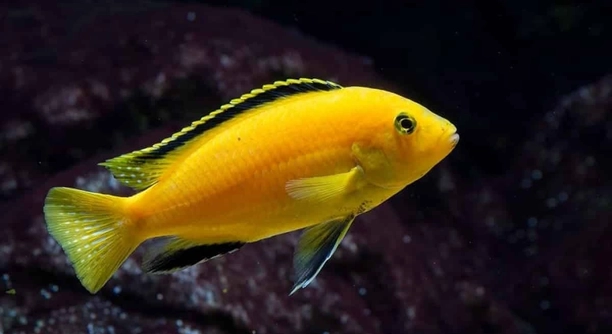
Hand-feeding Electric Yellow Cichlids can be a rewarding way to interact with your fish while ensuring they receive proper nutrition. These vibrant fish often respond positively to gentle feeding, strengthening the bond between owner and pet.
Hand-feeding Electric Yellow Cichlids requires patience and consistency. Slowly introducing food directly to their mouths helps reduce stress, encourages regular eating habits, and allows careful monitoring of their health. Maintaining a calm environment is essential for successful hand-feeding.
Learning the right approach will make feeding more enjoyable for both you and your fish. Proper techniques improve their diet and foster a trusting relationship in your aquarium.
Choosing the Right Food
Selecting appropriate food is essential for hand-feeding Electric Yellow Cichlids. High-quality pellets or flakes designed for cichlids provide balanced nutrition. Occasional frozen or live foods, like brine shrimp or bloodworms, can be added to enhance protein intake. Avoid overfeeding, as it can lead to water quality issues and health problems. Introduce new foods gradually to allow the fish to adapt. Observation is key: monitor which foods they readily accept and adjust accordingly. Some cichlids prefer sinking pellets, while others may take floating options. A varied diet ensures they get essential vitamins and minerals while keeping them interested during feeding. Consistency in feeding time helps reinforce recognition and encourages active participation during hand-feeding sessions.
Hand-feeding with the right food improves their health and strengthens trust, making the process smoother and more enjoyable for both you and the fish.
Maintaining a varied diet supports vibrant coloration and overall vitality. Combining pellets, flakes, and occasional live food prevents nutritional gaps. Gradually introducing new options ensures the cichlids remain curious and engaged. Proper portion sizes reduce waste and maintain water quality. By observing their preferences and adapting meals, you create a routine that promotes healthy growth, natural behaviors, and reliable hand-feeding responses.
Creating a Calm Environment
A calm environment is essential for successful hand-feeding. Loud noises, sudden movements, or bright lights can stress Electric Yellow Cichlids, making them reluctant to eat from your hand.
Remove distractions around the aquarium and maintain steady lighting. Play gentle background noise if needed to mask sudden sounds. Adjusting room activity during feeding times allows fish to focus and recognize your presence without feeling threatened.
Consistent water parameters also support calm behavior. Keep temperature, pH, and filtration stable. Clear water improves visibility, helping fish approach confidently. Introducing feeding at the same time daily builds routine. Using a quiet voice and slow hand movements signals safety. By maintaining a peaceful environment, hand-feeding becomes an enjoyable and low-stress interaction. This approach encourages cichlids to eat directly from your hand, reinforcing trust while promoting healthier eating habits. A calm tank fosters a stronger bond and more responsive behavior over time.
Gradual Approach
Start hand-feeding by offering food near the fish rather than directly in your hand. Allow them to become comfortable with your presence before attempting closer interactions. Patience is key, as rushing can cause stress and refusal to eat.
Once the cichlids show curiosity, slowly bring food closer each session. Hold it just above the substrate and let them approach naturally. Avoid sudden movements and maintain a steady hand. This process may take several days or weeks, depending on the individual fish’s temperament. By moving slowly, you establish trust and reduce anxiety, which is essential for consistent hand-feeding.
Consistency builds familiarity and confidence. Feeding at the same time and location strengthens routine recognition. Gradually, the fish will associate your hand with food, increasing willingness to eat directly from you. Observe their reactions carefully, and adjust speed based on comfort. Combining patience, repetition, and careful timing ensures that the cichlids remain calm and responsive, making hand-feeding a more successful and stress-free experience for both the fish and yourself.
Hand Positioning
Proper hand positioning is crucial for safe and effective feeding. Keep your hand flat and steady near the water surface or slightly submerged, depending on the fish’s comfort level.
Avoid sudden gestures or moving your fingers quickly. Cichlids respond better to slow, deliberate movements that signal safety. Adjust your hand angle to match the fish’s natural approach and allow them to take the food directly from your palm. Keep the hand relaxed to prevent tension, which may scare the fish.
Hand placement affects feeding behavior and trust. Experiment with depth and orientation to find what works best for your cichlids. Use the same hand consistently to help them recognize it as a food source. Slowly lowering the hand each session encourages the fish to approach without stress. Maintain a calm and steady posture to reinforce safety. Observing body language and adjusting accordingly ensures that hand-feeding remains positive, reducing the chance of nipping or hesitation, and promoting confident, regular interactions.
Timing Your Feedings
Feed your Electric Yellow Cichlids at consistent times each day. Regular schedules help them anticipate food and build trust in hand-feeding sessions. Avoid feeding too close together, as this can reduce appetite and interest in hand-fed meals.
Observe natural activity patterns. Feeding when the fish are most active encourages participation. Morning or early evening often works best, depending on your aquarium’s lighting and the fish’s behavior.
Using Feeding Tools
Using feeding tools like tweezers or small spoons can help guide food to your hand initially. This method reduces stress and makes the fish more comfortable approaching your hand directly. Gradually transition to feeding without tools once they show confidence.
Monitoring Health
Pay attention to eating behavior and physical condition during hand-feeding. Healthy cichlids are alert, active, and show strong coloration. Any changes in appetite, swimming patterns, or appearance may indicate stress or illness and should be addressed promptly to ensure proper care.
Cleaning After Feeding
Remove leftover food and check water quality after each hand-feeding session. Uneaten food can pollute the tank, affecting fish health. Regular maintenance keeps the environment safe and supports consistent, stress-free hand-feeding experiences.
FAQ
How often should I hand-feed my Electric Yellow Cichlids?
Hand-feeding can be done once or twice daily, depending on their overall diet. The goal is to supplement regular feeding rather than replace it entirely. Consistency in timing helps the fish recognize your hand as a safe source of food, reinforcing trust and reducing stress during feeding sessions. Overfeeding can harm water quality and fish health, so monitor portions carefully. Adjust the frequency if you notice reduced appetite or excess uneaten food in the tank.
What type of food is best for hand-feeding?
High-quality cichlid pellets or flakes work best for daily hand-feeding. Small pieces of frozen or live foods like brine shrimp or bloodworms can be offered occasionally to increase protein intake. Avoid foods that are too large or prone to disintegrating quickly, as this can make hand-feeding messy and stressful for the fish. A varied diet keeps cichlids healthy and encourages them to interact with your hand. Always ensure foods are fresh and appropriate for their size and nutritional needs.
How do I know if my cichlids are ready for hand-feeding?
Signs include curiosity toward your hand, approaching the glass when you move nearby, and actively taking food from the water surface. If they seem skittish, wait longer before attempting direct hand-feeding. Gradual exposure to your hand, combined with calm movements and consistent feeding schedules, helps them build confidence over time. Patience is key, as some cichlids may take days or weeks to respond reliably. Monitoring their body language allows you to adjust your approach for the best results.
What should I do if the fish refuse to eat from my hand?
Stop forcing interactions and return to feeding nearby in the tank. Reduce stressors like loud noises, sudden movements, or overcrowding. Gradually bring the food closer to your hand over several sessions. Ensuring water parameters are stable, maintaining a calm environment, and providing consistent feeding routines helps fish become comfortable enough to accept food directly from your hand eventually. Avoid frustration; slow, repeated exposure is far more effective than pushing too quickly.
Can hand-feeding affect fish behavior?
Yes, it can positively impact behavior by building trust and encouraging active participation during feeding. Fish that recognize your hand as a safe source of food are often more confident and less stressed. However, excessive hand-feeding can lead to dependency, making them less willing to forage naturally. Balance hand-feeding with regular tank feeding to maintain natural behaviors. Monitoring interactions ensures the process remains safe and beneficial without encouraging over-aggression or territorial disputes.
How do I prevent accidental nipping?
Keep your hand flat and move slowly. Avoid sudden jerks or finger movements that can trigger nipping. If a fish does nip, withdraw calmly and try again later. Using a consistent hand and slow approach signals safety. Positioning food properly in your palm encourages gentle nibbling rather than aggressive bites. Over time, cichlids learn that your hand provides food, reducing the likelihood of accidental nipping.
Is it safe for the fish to eat directly from my hand every day?
Yes, as long as feeding is done in moderation and with clean hands. Avoid using lotions or soaps before feeding, as residues can harm the fish. Hand-feeding daily can be safe if balanced with a complete diet and proper water maintenance. Monitoring fish health regularly ensures the practice does not negatively impact their nutrition or well-being.
What are common mistakes when hand-feeding Electric Yellow Cichlids?
Rushing the process, overfeeding, or making sudden movements are common issues. Using inappropriate food or feeding at inconsistent times can also reduce success. Ignoring water quality and stress levels may affect both health and behavior. Avoid forcing the fish and focus on slow, steady progression. Observing reactions and adapting techniques helps prevent mistakes.
How can I encourage shy fish to take food from my hand?
Start by feeding near them rather than directly in your hand. Gradually reduce the distance over several sessions. Maintain a calm presence, minimize distractions, and offer familiar foods. Patience and consistency are key, allowing timid cichlids to gain confidence at their own pace. Positive reinforcement through gentle, predictable actions encourages shy fish to engage more readily over time.
What should I do if water quality declines after hand-feeding?
Remove uneaten food promptly and monitor water parameters. Reduce portion sizes during hand-feeding and ensure filtration is adequate. Regular water changes help maintain safe conditions. Overfeeding is the main factor affecting water quality, so adjust techniques and observe fish responses to maintain a clean, healthy aquarium environment. Proper tank maintenance keeps hand-feeding enjoyable and safe for the fish.
Final Thoughts
Hand-feeding Electric Yellow Cichlids can be a rewarding and enjoyable way to interact with your fish, but it requires patience and consistency. These fish are naturally curious, and when introduced to hand-feeding gradually, they often respond positively. Starting slowly, observing their behavior, and adjusting your approach based on their comfort level are key elements in creating a successful hand-feeding routine. Rushing the process or forcing interactions can stress the fish and make them reluctant to eat from your hand. Maintaining a calm and consistent environment supports their confidence and encourages regular participation during feeding sessions.
The right diet is essential for hand-feeding to be effective. High-quality cichlid pellets or flakes form the base of their nutrition, while occasional live or frozen foods like brine shrimp and bloodworms provide variety and additional protein. Overfeeding can harm both the fish and the tank environment, so it is important to monitor portion sizes and remove any uneaten food promptly. Consistent feeding schedules help the fish recognize your hand as a safe source of food, reinforcing trust. Watching their reactions and adjusting techniques based on individual temperament ensures that hand-feeding remains a positive experience for both the fish and yourself. Over time, you will notice increased comfort, more active behavior, and improved engagement during hand-feeding.
Hand-feeding is not only about nutrition; it also strengthens the bond between you and your cichlids. By practicing patience, proper hand positioning, and a calm approach, you help your fish feel secure and more willing to interact. Observing their body language and responding thoughtfully enhances their confidence and encourages natural feeding behavior. Maintaining water quality, monitoring health, and avoiding sudden changes in the tank environment are all important for long-term success. With careful attention and consistent effort, hand-feeding Electric Yellow Cichlids can become a routine that promotes trust, healthy eating habits, and a more active, vibrant aquarium. This method allows you to connect with your fish while supporting their overall well-being.

Hello,
If you enjoy the content that we create, please consider saying a "Thank You!" by leaving a tip.
Every little bit helps us continue crafting quality advice that supports the health, happiness, and well-being of pets around the world, for pets of all shapes, sizes, and species.
We really appreciate the kindness and support that you show us!