
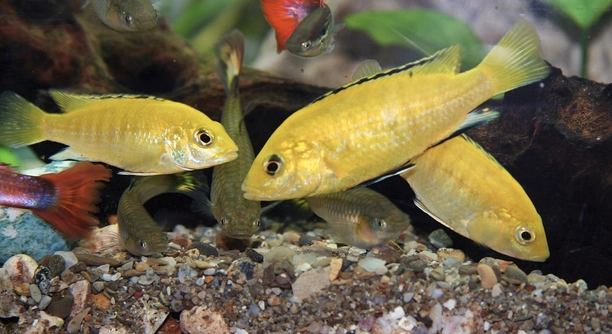
Keeping a tank of fish or other aquatic pets can be rewarding, especially when your tankmates form bonds and coexist peacefully. Observing their interactions can be both relaxing and satisfying for any hobbyist.
Bonding actions between tankmates often include swimming together, sharing hiding spots, gentle nipping, synchronized feeding, following each other, resting nearby, and cleaning each other. These behaviors indicate social connection, trust, and a healthy environment among the aquatic inhabitants.
Recognizing these small signs can improve your understanding of their relationships and help maintain a harmonious tank environment. Observing these behaviors provides insight into your pets’ daily lives.
Swimming Side by Side
Watching tankmates swim together is one of the clearest signs of bonding. When fish or other aquatic animals move in unison, it shows comfort and familiarity. Swimming together can reduce stress, increase confidence, and even help timid species feel safer. This behavior is often seen in pairs or small groups, especially in species that naturally school. Over time, consistent swimming patterns with the same companions indicate trust. Fish may follow each other around the tank, explore corners together, or rest near one another. Their movements are synchronized, yet gentle, allowing space while still maintaining closeness. Even small gestures, like circling the same area or mirroring each other’s pace, reinforce connections. Observing these actions can be calming and informative, letting you understand which tankmates feel secure with each other. It also reflects a stable environment where aggression is low, and social bonds can flourish naturally without interference.
Swimming together shows clear trust and companionship, making the tank more peaceful for all inhabitants.
In addition to trust, swimming side by side strengthens social skills. It helps less confident tankmates gain courage and interact without fear. Over time, these patterns may influence feeding, resting, and exploring behaviors. Watching these movements can reveal hidden preferences, alliances, or tension points within the group.
Sharing Hiding Spots
Tankmates often share hiding places when they feel safe together. This behavior demonstrates trust and reduces stress, allowing shy species to feel protected in a common space.
Sharing spaces allows multiple animals to coexist without conflict. Fish may tuck into the same cave or under the same plant, taking turns or resting together. This behavior indicates a non-aggressive, tolerant environment where boundaries are respected.
When tankmates share hiding spots, it shows they have accepted each other’s presence and understand their own space within the tank. Some species are territorial by nature, so observing peaceful cohabitation is significant. It can also encourage shy fish to explore more actively, knowing they have companions nearby. Over time, these shared spaces may become regular gathering spots, reinforcing bonds. Not all tankmates will use the same spots immediately; patience and observation help identify compatible pairings. Providing multiple hiding areas ensures comfort for all and supports positive interactions. Watching how animals rotate, rest, or even clean these spaces together can offer insight into their hierarchy and relationships, helping maintain a calm and balanced tank.
Gentle Nipping
Gentle nipping is a subtle way tankmates interact. Light, non-aggressive nips can show curiosity, play, or even help keep scales and fins clean without causing harm.
This behavior often confuses new tank owners because it can look aggressive. Observing closely is key. When nipping is soft and does not leave marks, it is usually social rather than hostile. Fish may nip fins, tails, or bodies lightly, testing reactions or initiating interaction. Over time, this behavior can strengthen bonds as tankmates learn boundaries and communicate more effectively. It also allows dominant and submissive individuals to coexist without conflict.
Gentle nipping can also serve a practical purpose. In some species, it encourages movement or signals attention during feeding. It’s important to differentiate playful nips from true aggression. Consistent observation helps you notice patterns and identify which tankmates prefer interacting this way. Ensuring the tank is spacious and providing hiding areas reduces stress, letting this behavior remain positive.
Resting Nearby
Resting near each other is common among bonded tankmates. It shows comfort and trust in the environment and companions.
Fish and other aquatic species often rest side by side or in close proximity, especially after feeding or during calm periods. This closeness indicates they feel secure and unthreatened. Tankmates may choose favorite spots near one another, reinforcing familiarity and social bonds. Over time, these resting patterns help maintain peaceful interactions.
Proximity during rest also reduces stress. When animals know companions are nearby, they feel safer exploring the tank. This behavior can be influenced by tank layout, hiding spots, and species compatibility. Observing where and how your tankmates rest together provides insight into their preferences and relationships. It can also reveal social hierarchies, as some species naturally allow others to rest closer to preferred companions while maintaining personal boundaries. Regularly noticing these resting spots and behaviors helps you ensure the tank environment supports ongoing comfort and stability for all inhabitants.
Following Each Other
Following each other is a clear sign of trust and curiosity. Tankmates often trail companions to explore or feel safe while moving around the tank.
This behavior strengthens bonds and shows comfort. Fish that follow each other regularly often develop routines and a sense of security together.
Synchronized Feeding
During feeding, bonded tankmates often eat together in a coordinated manner. They may approach food at the same time, maintain similar speed, or respect each other’s space. Watching this behavior indicates a peaceful, well-adjusted group where competition is minimal and interactions remain calm.
Cleaning Each Other
Some species engage in mutual cleaning. One tankmate may nibble gently at the fins or body of another, helping remove debris or algae while reinforcing social connection. This action benefits hygiene and strengthens trust between companions.
FAQ
How can I tell if my tankmates are truly bonding?
You can observe their daily interactions for consistent patterns. Bonded tankmates often swim together, rest nearby, and share hiding spots. Gentle nipping, following each other, and synchronized feeding are also clear signs. Over time, these behaviors indicate trust, comfort, and a stable social structure in your tank.
Is it normal for some tankmates to prefer solitude?
Yes, not all aquatic species are social. Some fish or invertebrates naturally seek solitude or smaller groups. Even bonded tanks can have individuals who spend time alone occasionally. Providing ample hiding spots and space ensures these preferences do not lead to stress or conflict.
Can aggressive behavior coexist with bonding actions?
Occasionally, mild displays of dominance or chasing occur even in bonded groups. The key difference is intensity and frequency. Bonded tankmates show tolerance, do not injure each other, and quickly return to calm behavior. True aggression that leaves marks or causes prolonged hiding signals a compatibility issue.
Do tank size and layout affect bonding?
Absolutely. A cramped tank or poorly arranged environment can increase stress and competition, reducing opportunities for positive interactions. Providing enough space, hiding spots, and visual barriers allows tankmates to interact safely and develop trust at their own pace.
How long does it take for tankmates to bond?
Bonding depends on species, personality, and environment. Some may form connections within days, while others take weeks. Observing repeated positive behaviors and respecting their pace ensures stronger, more lasting bonds. Patience is crucial to fostering a peaceful tank dynamic.
Should I intervene if bonding behaviors are minimal?
Only if signs of stress or aggression appear. Otherwise, let the animals interact naturally. Adjusting tank layout, adding hiding areas, or ensuring sufficient food can encourage positive interactions without forcing them. Interference can sometimes disrupt budding social connections.
Can different species bond together?
Yes, compatible species with similar temperaments and environmental needs can form bonds. Observe carefully for signs of stress or territorial disputes. Gradual introductions and monitoring help ensure they interact safely while respecting each species’ natural behaviors.
Does feeding method affect bonding?
Yes, synchronized feeding can strengthen bonds, while competition or scarcity may increase stress. Providing enough food, spreading it throughout the tank, or feeding multiple areas allows companions to eat together without conflict. Over time, this promotes trust and cooperation.
What are signs that bonding is successful?
Consistent peaceful interactions, shared spaces, coordinated swimming, resting nearby, gentle nipping, and cleaning each other indicate healthy bonds. Tankmates will tolerate each other’s presence, display minimal stress, and engage in mutual activities regularly. Observing these patterns confirms a harmonious tank environment.
Can stress disrupt bonding?
Yes, sudden changes in water quality, temperature, or tankmates can create stress, causing previously bonded animals to hide, chase, or separate. Maintaining stable conditions, monitoring parameters, and minimizing disturbances helps preserve positive social behaviors and keeps the tank peaceful.
How can I encourage bonding in a new tank setup?
Provide a well-structured environment with ample hiding spots, sufficient space, and proper water conditions. Introduce tankmates gradually, allow them to explore independently, and observe interactions. Avoid overcrowding and ensure feeding is balanced. Positive, repeated experiences foster comfort, trust, and lasting bonds among tankmates.
Can I separate tankmates temporarily without affecting bonds?
Yes, temporary separation for cleaning, illness, or maintenance usually does not break bonds, as long as it is brief and stress is minimized. When reunited in a familiar environment, bonded companions typically resume previous interactions naturally.
Do tankmates ever bond with humans?
Some species recognize and respond to humans, often through feeding or interaction routines. While this is different from interspecies bonding, it demonstrates comfort, trust, and recognition. Gentle, consistent interaction can reinforce positive connections with your pets.
How important is observation for maintaining bonds?
Observation is critical. Regularly monitoring behavior helps identify stress, aggression, or changes in social dynamics early. This allows timely adjustments to the tank, ensuring tankmates remain comfortable, bonded, and healthy over time.
Tankmates can form remarkable bonds when given the right environment and care. Observing their interactions over time reveals many small, meaningful behaviors that show trust and comfort. Swimming together, following each other, resting nearby, sharing hiding spots, gentle nipping, and even cleaning each other are all ways aquatic pets connect. These actions may seem subtle at first, but they are important indicators of a harmonious and well-adjusted group. Recognizing these patterns helps you understand your pets better and ensures their environment supports their social needs.
Creating a tank that encourages bonding requires attention to space, layout, and species compatibility. Overcrowding or poorly arranged hiding spots can increase stress and reduce positive interactions. Providing multiple areas to explore, rest, and feed ensures that each tankmate feels safe and confident. Gradual introductions and patience are key, especially when adding new animals. Even in compatible groups, some tankmates may prefer solitude at times, and that is normal. Respecting these individual preferences while maintaining a stable, clean, and well-structured tank allows bonds to develop naturally. Regular observation also helps identify any early signs of stress or aggression, so adjustments can be made before problems arise.
Fostering positive interactions among tankmates not only benefits the pets but also makes caring for them more rewarding. Seeing animals swim side by side, rest close together, or gently interact provides insight into their personalities and social dynamics. Understanding these behaviors helps create a peaceful environment where all tankmates can thrive. While not every interaction will be perfect, consistent attention to their needs and behaviors encourages trust and companionship over time. Bonding is an ongoing process, and small gestures matter. Providing a stable, enriched, and comfortable tank allows tankmates to feel secure, develop connections, and enjoy a healthier, happier life together.

Hello,
If you enjoy the content that we create, please consider saying a "Thank You!" by leaving a tip.
Every little bit helps us continue crafting quality advice that supports the health, happiness, and well-being of pets around the world, for pets of all shapes, sizes, and species.
We really appreciate the kindness and support that you show us!