
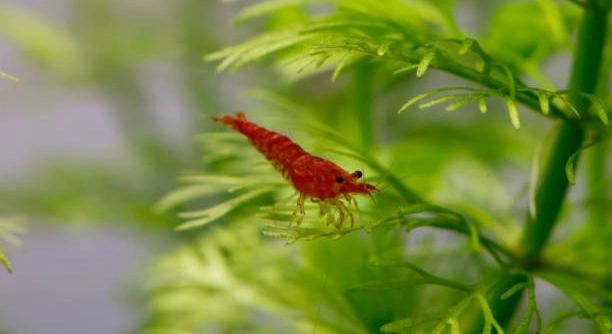
Have you ever noticed your cherry shrimp moving differently when the light changes in their tank? Many shrimp keepers watch their tiny pets and wonder if these shifts actually affect their behavior over time.
Cherry shrimp exhibit behavioral responses to light changes, showing predictable activity patterns. They adjust feeding, hiding, and swimming routines based on light intensity and duration, indicating a form of internal timing influenced by environmental light cues.
Observing these small adjustments can reveal surprising details about their daily rhythm and how light impacts their overall wellbeing.
How Light Affects Cherry Shrimp Behavior
Cherry shrimp are sensitive to changes in light. When the tank lights switch on or off, they respond almost immediately. During bright periods, shrimp often hide among plants or decorations. When the light dims, they come out to explore and feed. These behaviors suggest that light acts as a cue for their daily activities. Observing them over time shows a pattern: most shrimp are more active during moderate light, less active in intense light, and mostly hidden in darkness. Tank setup, plant density, and water clarity can also influence how strongly shrimp react. Consistency in lighting schedules helps maintain predictable behavior, which benefits both the shrimp and the keeper. Noticing subtle shifts in movement or feeding times can indicate that shrimp are adjusting to the tank environment rather than showing stress. By paying attention to these light-driven behaviors, keepers can create a more comfortable habitat.
Shrimp activity levels directly align with the timing and intensity of light changes. These patterns repeat daily.
Watching how cherry shrimp respond over several days can help plan feeding times, placement of decorations, and even tank lighting schedules. It is fascinating to see how predictable their behavior becomes when lighting is consistent. Shrimp gradually learn when it is safe to come out and feed, which reduces stress and encourages healthy growth. Light timing can even influence molting and reproduction. Keepers who monitor these behaviors gain insight into shrimp health and comfort. Observing these tiny creatures shows that even small environmental adjustments can make a big difference in their wellbeing. The responses are subtle, but over time they form a clear rhythm that reflects the shrimp’s adaptation to their tank’s light cycles.
Signs of Timing Awareness in Shrimp
Cherry shrimp often follow a regular activity rhythm tied to light. These patterns can be observed over days.
Shrimp adjust their movement, feeding, and hiding based on predictable light schedules. Some may even anticipate changes, coming out just before lights turn on or hiding before lights go off. This shows they are aware of the timing in their environment. By keeping a consistent lighting routine, shrimp develop a reliable schedule, which helps maintain their health. Observing these behaviors over weeks reveals how sensitive shrimp are to subtle shifts in light. Timing awareness also indicates that shrimp use light cues to organize their daily activities efficiently.
Understanding shrimp responses to light provides valuable insight for creating a stable tank environment. A consistent lighting schedule encourages predictable feeding and activity times, which improves shrimp health and reduces stress. Shrimp also show anticipatory behaviors, such as moving toward feeding areas before lights change or adjusting their hiding spots in advance. Tank keepers who maintain a steady light routine notice that shrimp grow more steadily and molt regularly. Additionally, lighting consistency helps prevent sudden behavioral changes that may signal stress or illness. By paying attention to these timing cues, keepers can plan feeding, cleaning, and tank maintenance without disturbing the shrimp’s natural rhythm. Over time, shrimp display patterns that align with light cycles, demonstrating that these tiny creatures use environmental cues to organize daily life effectively. Observing these behaviors makes it clear that light is more than just illumination—it’s a guide for shrimp behavior and wellbeing.
Adjusting Tank Lighting for Better Shrimp Activity
Consistent lighting helps cherry shrimp follow predictable daily routines. Sudden changes can stress them, causing hiding or reduced feeding. Using a timer ensures lights turn on and off at the same time each day, supporting their natural rhythm and overall wellbeing.
Proper light placement encourages natural behaviors. Too much direct light can make shrimp hide constantly, while low light may reduce activity and feeding. Plants and decorations help diffuse light, creating comfortable shaded areas. Observing shrimp response to different intensities allows adjustments that promote healthy movement and feeding. Gradually changing light schedules helps shrimp adapt without causing stress. Light cycles mimic natural day and night periods, making shrimp more active during feeding and resting periods predictable.
Timing light changes also supports shrimp molting and breeding. Gradual dawn and dusk simulations help shrimp prepare for activity and resting periods. By maintaining consistent light cycles, keepers can prevent irregular behaviors like constant hiding or skipped feeding. Healthy shrimp show regular movement, predictable feeding times, and proper interaction with tank structures. Understanding their light sensitivity allows adjustments that improve comfort, encourage growth, and support reproduction. Regular observation ensures the tank environment remains suitable and light schedules are effective.
Recognizing Shrimp Patterns Over Time
Cherry shrimp follow repeated activity patterns daily, influenced by light cycles. Observing them over days shows consistent feeding and hiding habits tied to light changes.
Tracking shrimp activity helps predict their needs and responses. Feeding times become more efficient when aligned with their active periods, reducing waste and stress. Gradual adjustments in light intensity reveal their preferences and highlight areas where hiding spots or plant coverage may need modification. Shrimp often anticipate light changes, showing readiness to feed or seek shelter, which indicates their internal timing awareness. Keeping a log of observations helps maintain a stable tank environment and promotes shrimp health.
Understanding these patterns allows keepers to optimize tank conditions. Shrimp that follow light cues demonstrate predictable behaviors that improve overall care. Observing daily rhythms helps identify signs of stress or irregularities early, such as sudden inactivity or unusual hiding. Adjusting tank setup, like adding plants for shade or repositioning lights, supports their comfort and activity levels. Feeding schedules aligned with active periods maximize nutrient intake and minimize food waste. Over weeks, shrimp behavior becomes more predictable, helping maintain a balanced environment. Recognizing these patterns ensures better health, encourages molting and breeding, and fosters a stable, low-stress tank habitat.
Light Sensitivity and Hiding
Cherry shrimp are very sensitive to sudden bright light. They instinctively hide under plants, rocks, or decorations when illumination is too strong. This behavior is natural and helps them feel secure in their environment.
Gradual changes in light intensity are less stressful. Slowly increasing or decreasing light allows shrimp to adjust and maintain normal activity patterns. Too much sudden light can disrupt feeding and movement.
Feeding Schedules and Light
Shrimp tend to feed during specific light periods. Observing their activity helps determine the best feeding times. Aligning feeding with moderate light periods ensures they are active and can access food efficiently, reducing waste and supporting their health.
Light and Molting
Proper light schedules support regular molting. Shrimp exposed to consistent light cycles molt more predictably, which is essential for growth. Sudden changes or inconsistent light can delay or stress the molting process, affecting overall health and development.
Anticipatory Behavior
Shrimp often show signs of anticipating light changes. They may gather near feeding areas or adjust hiding spots just before lights turn on or off. This behavior reflects their adaptation to the tank’s routine and awareness of environmental cues.
FAQ
How do cherry shrimp react to sudden changes in light?
Cherry shrimp usually respond to sudden bright light by hiding. They retreat under plants, rocks, or decorations until the light intensity decreases. This is a natural defensive behavior. Gradual changes in light are less stressful and allow shrimp to remain active, feeding or exploring, without disruption.
Can cherry shrimp really anticipate light changes?
Yes, cherry shrimp often show anticipatory behavior. They may move toward feeding areas or adjust hiding spots just before lights turn on or off. This indicates an internal timing mechanism influenced by the regular light schedule, helping them organize activity, feeding, and resting periods efficiently.
How should I set up lighting for my shrimp tank?
Use a consistent schedule with a timer to ensure predictable on and off periods. Avoid sudden bright lights. Moderate light levels with shaded areas created by plants or decorations provide safe spaces and encourage natural movement. Gradual dawn and dusk simulations can further reduce stress.
Does light affect shrimp molting and growth?
Consistent light cycles support regular molting. Shrimp exposed to predictable light schedules tend to molt more reliably, which is essential for growth and overall health. Inconsistent lighting or sudden changes can delay molting, stress shrimp, and impact their development and survival.
How do I know when shrimp are stressed by light?
Signs include prolonged hiding, reduced feeding, or erratic swimming. Shrimp may avoid open areas and cluster in shaded spots. Monitoring activity patterns over several days helps distinguish normal light-driven behaviors from stress responses, allowing adjustments to lighting intensity or duration.
Is it necessary to mimic natural day and night cycles?
Yes, mimicking natural cycles helps shrimp maintain predictable activity patterns. A consistent day-night rhythm encourages normal feeding, movement, and resting behaviors, which supports health and growth. Natural cycles also help shrimp adapt to their tank environment more comfortably.
Can changing light schedules improve feeding efficiency?
Aligning feeding times with active light periods improves food access. Shrimp are more likely to find and consume food when lights are at moderate levels. Sudden feeding during bright or dark periods may result in uneaten food and stress, reducing overall tank efficiency.
Do all shrimp respond the same way to light?
Responses can vary slightly depending on age, health, and tank environment. Younger or newly introduced shrimp may hide more frequently. Over time, most shrimp adapt to consistent light schedules and exhibit predictable activity and feeding behaviors.
How long does it take for shrimp to adjust to a new light schedule?
Adjustment usually occurs over several days to a week. Gradually introducing changes in light intensity or timing helps shrimp adapt without stress. Observing activity patterns during this period can guide further adjustments to ensure a smooth transition.
Can light intensity impact shrimp breeding?
Yes, stable and appropriate light levels contribute to regular molting and mating behaviors. Stress from inconsistent lighting can reduce breeding activity or delay egg development. Maintaining a balanced schedule with shaded areas supports a healthy breeding environment.
Are there specific lights better suited for shrimp tanks?
Low to moderate LED lights are commonly recommended. They provide consistent illumination without producing excess heat. Using adjustable lights allows gradual changes to mimic natural dawn and dusk, creating a comfortable and predictable environment for shrimp.
Should I use a timer for all tanks?
Yes, timers ensure consistency, which is crucial for shrimp wellbeing. Regular lighting schedules promote predictable behaviors, support molting and feeding routines, and reduce stress. Timers also help keep maintenance simple and prevent accidental overexposure to bright light.
Can observation replace strict lighting schedules?
Observation is helpful but not a substitute for consistency. Regular monitoring allows fine-tuning of intensity, placement, and timing, but shrimp thrive on predictable cycles. Combining observation with timers ensures optimal conditions for activity, growth, and reproduction.
How do plants affect light distribution?
Plants create shaded areas and diffuse light, giving shrimp safe spaces while maintaining moderate illumination. Dense planting reduces stress during bright periods and encourages natural behaviors like grazing, hiding, and exploring, enhancing overall tank balance and shrimp comfort.
What if my shrimp never come out during the day?
This often indicates excessive light or insufficient shaded areas. Adjusting light intensity, adding plants or decorations for cover, and ensuring a gradual light transition can help shrimp feel secure enough to explore and feed during active periods.
How do I know if my light schedule is working?
Predictable shrimp activity, regular feeding, normal molting, and occasional anticipatory movements before light changes indicate a well-functioning schedule. Inconsistent hiding, reduced feeding, or erratic swimming suggests adjustments are needed to optimize their environment.
Does color of light matter?
Shrimp respond best to natural or white light. Harsh blue or overly bright lights can stress them. Warm or soft lighting helps maintain comfort and natural behaviors while supporting plant growth and tank aesthetics.
Can light alone influence shrimp lifespan?
While light isn’t the only factor, consistent schedules reduce stress, support feeding, molting, and breeding, indirectly contributing to longer, healthier lives. Combined with proper water conditions, nutrition, and tank setup, lighting plays a key role in overall shrimp health.
How often should I review shrimp behavior in relation to light?
Regular observation, ideally daily or several times a week, helps track activity patterns and responses to light. Small behavioral changes can indicate stress, molting issues, or the need for light adjustments, allowing timely interventions to maintain a stable environment.
Is it okay to change light settings seasonally?
Minor seasonal adjustments can be fine, but changes should be gradual. Sudden shifts in duration or intensity can confuse shrimp and disrupt activity, feeding, and molting. Mimicking natural seasonal transitions slowly maintains comfort and predictable behaviors over time.
What are the key signs that lighting is optimized?
Shrimp show regular movement, feed during expected periods, hide during high light, molt predictably, and may anticipate light changes. Consistent, stress-free behavior across days and weeks indicates a well-adjusted light schedule and a healthy tank environment.
This FAQ provides detailed insight into how cherry shrimp respond to light, offering practical guidance for maintaining predictable routines, minimizing stress, and supporting growth and reproduction. Observing shrimp behavior closely ensures lighting adjustments meet their needs.
Cherry shrimp are small creatures, but their behavior can be surprisingly complex. Observing how they respond to light gives insight into their natural rhythms and needs. Light isn’t just for visibility in the tank—it plays a role in shaping activity, feeding, hiding, and even breeding patterns. Consistent light cycles help shrimp establish a predictable routine, which reduces stress and encourages healthier behavior. Sudden changes in lighting can cause shrimp to retreat, eat less, or act unusually, so a steady schedule is important. By paying attention to how they react to different light levels, keepers can create a tank environment that supports their daily habits and overall wellbeing.
Maintaining a reliable light schedule is also closely connected to molting and growth. Cherry shrimp need regular molting to grow, and inconsistent lighting can interfere with this process. Gradual changes, such as simulating dawn and dusk, can help shrimp adapt naturally to the light in their environment. Adding plants and decorations not only gives them places to hide but also helps diffuse light, preventing stress from overly bright illumination. Monitoring shrimp over time allows keepers to notice patterns, such as increased activity during certain light periods or anticipatory behaviors before lights change. These observations provide valuable feedback on whether the lighting setup is appropriate and allow for small adjustments that can improve the shrimp’s comfort and health.
Finally, understanding how light affects cherry shrimp highlights the importance of observation and routine in aquarium care. Keeping a consistent schedule benefits both the shrimp and the keeper by creating a predictable environment where shrimp can thrive. Proper light management encourages natural behaviors, supports feeding and breeding, and reduces stress, all of which contribute to a healthier, more active tank. By carefully monitoring activity patterns, adjusting intensity, and providing shaded areas, shrimp can establish reliable daily routines. Light is a simple factor, but it has a significant influence on their life in the tank. Consistency, observation, and small adjustments make a noticeable difference, ensuring that cherry shrimp live comfortably and display natural behaviors that reflect their wellbeing.

Hello,
If you enjoy the content that we create, please consider saying a "Thank You!" by leaving a tip.
Every little bit helps us continue crafting quality advice that supports the health, happiness, and well-being of pets around the world, for pets of all shapes, sizes, and species.
We really appreciate the kindness and support that you show us!