
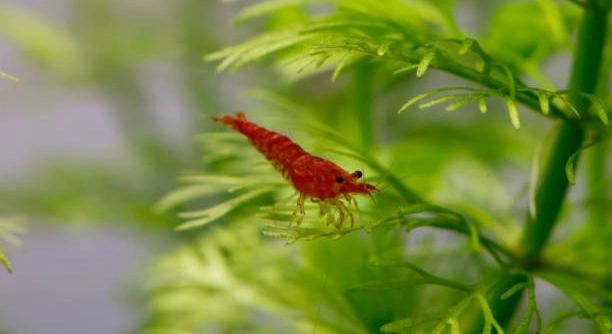
Can cherry shrimp make a comfortable home alone, or do they need company in their tank? Many hobbyists wonder if keeping a single shrimp is enough for its well-being and daily activity levels.
Cherry shrimp can survive alone, but they thrive better in groups. Solitary shrimp may experience stress, reduced activity, and slower growth. Maintaining at least three to five individuals encourages natural behaviors, improves health, and supports a stable tank environment.
Learning the needs of cherry shrimp will help you make informed choices about your tank setup and care routines. Proper knowledge ensures a happier, healthier shrimp in your aquarium.
Can Cherry Shrimp Be Happy Alone?
Cherry shrimp are naturally social creatures that enjoy interacting with others of their kind. When kept alone, they may survive, but their behavior often changes. A single shrimp might hide more, explore less, and display muted colors. In groups, they constantly forage, graze on algae, and engage in gentle interactions that stimulate activity. Keeping more than one shrimp creates a dynamic environment, allowing natural behaviors like grazing, mating, and occasional territorial displays. Even small tanks benefit from groups of three to five shrimp, which balance the ecosystem by eating algae and leftover food. Solo shrimp may be easier to monitor for health issues, but they can appear lethargic without companions. Observing multiple shrimp together offers a better understanding of normal behavior and tank needs. Overall, while one shrimp can survive, it misses out on behaviors that enrich its life.
Solo shrimp can live, but they are less active and less visually vibrant compared to a small group.
Even in a small tank, the presence of other shrimp encourages movement and natural behavior. Groups maintain a cleaner environment by grazing efficiently and dispersing food evenly. Watching shrimp interact reveals social cues and behaviors that are absent when alone. Group living also reduces stress, which can improve survival and color intensity. Care routines are easier when shrimp are active and visible, making it simpler to notice molting issues or illness. Small groups can reproduce more effectively, ensuring a sustainable population in the tank.
Factors Affecting Solitary Shrimp
Tank size, water quality, and diet all influence how a lone shrimp fares.
A single shrimp in an underpopulated tank may become stressed if water parameters fluctuate. Stable temperature, pH, and cleanliness are critical. Feeding must be regular, as solitary shrimp rely solely on the provided food instead of sharing algae or detritus from others. Tank decoration also plays a role: plants, hiding spots, and moss allow exploration and reduce stress. Even with perfect conditions, a solitary shrimp may lack stimulation and exhibit less vibrant coloration. Providing enrichment, such as live plants and varied food, can partially offset the absence of companions, but it is not a complete substitute. Understanding these factors ensures that the shrimp survives and remains reasonably active, though it may never reach the vitality seen in a small group. Careful observation is essential to adjust conditions as needed to support health and well-being over time.
Setting Up a Tank for One Shrimp
Even a single shrimp needs space to move freely. A small tank of at least five gallons works, but adding plants, moss, and hiding spots improves comfort. Proper filtration and regular water changes are essential to keep the environment stable and clean.
Providing enrichment is important for a solitary shrimp. Moss, plants, and small decorations create hiding spots and grazing areas. These additions reduce stress and encourage movement. Regular monitoring of water parameters helps prevent sudden changes that could harm the shrimp. Even without companions, a well-structured tank can keep a lone shrimp active and healthy over time.
Diet also plays a key role in solitary shrimp care. They need a balanced mix of algae, biofilm, and high-quality shrimp food. Feeding in small portions prevents overfeeding and water contamination. A varied diet supports growth, molting, and overall vitality. Observing eating habits helps detect health issues early and ensures the shrimp receives proper nutrition without relying on the natural foraging benefits of a group.
Social Needs and Behavior
Cherry shrimp display subtle social behaviors, even when alone. Grooming, exploring, and foraging are all influenced by the presence of others.
Without companions, a shrimp may show reduced activity and spend more time hiding. Grouped shrimp naturally stimulate each other, increasing movement and interaction. Solitary shrimp miss out on these social cues, which can affect their health and color vibrancy. Observing these behaviors highlights how essential social interaction is for well-being.
Even in a solitary setup, it is possible to encourage activity. Adding plants, moss, and objects for exploration gives the shrimp stimuli similar to what it would get in a group. Rotating decorations or introducing new textures can maintain curiosity. Regular feeding schedules and varied diets also provide engagement, partially offsetting the lack of companions. However, no amount of enrichment fully replicates natural social behaviors, so the shrimp may remain less active and less colorful compared to a small group.
Tank Maintenance for a Lone Shrimp
Regular water changes are crucial for a single shrimp. Even small fluctuations in ammonia, nitrites, or nitrates can quickly affect health. Cleaning the substrate and checking the filter ensures a stable environment.
Monitoring water parameters daily helps catch issues early. Consistent temperature and pH prevent stress. A clean, stable tank reduces the risk of disease and supports overall shrimp vitality.
Feeding Tips for Solo Shrimp
A solitary shrimp relies entirely on the food provided. Feeding small portions once a day prevents leftover waste from polluting the tank. A mix of high-quality pellets, algae wafers, and occasional blanched vegetables keeps the diet balanced. Observing eating habits ensures the shrimp is healthy and active.
Signs of Stress in a Single Shrimp
Lethargy, hiding for long periods, or faded coloration often indicate stress. Monitoring behavior closely helps catch these early signs.
Regular observation is essential to maintain health. Adjusting tank conditions, adding enrichment, or improving diet can reduce stress and improve activity levels.
FAQ
Can cherry shrimp live alone for their entire life?
Yes, cherry shrimp can live alone, but their quality of life may be lower than in a group. They can survive and even reproduce if conditions are ideal, but solitary shrimp tend to be less active, hide more, and may show duller colors over time.
How many shrimp should I ideally keep together?
Keeping at least three to five shrimp creates a small, active community. This number encourages natural behaviors, improves movement and grazing, and helps maintain a balanced ecosystem. Larger groups provide even more stimulation and social interaction, which benefits health and coloration.
Will a lone shrimp breed?
A single female cannot reproduce on her own. Breeding requires at least one male and one female. A lone shrimp may molt and appear healthy, but reproduction will not occur without companions.
Does a solitary shrimp need a larger tank?
Not necessarily. Even a small tank of five gallons can support a single shrimp. However, a larger tank with plants, moss, and hiding spots provides enrichment and reduces stress. The extra space allows more natural movement and exploration.
How often should I feed a single shrimp?
Feeding once a day is usually sufficient. Provide small portions to prevent leftover food from polluting the tank. A mix of pellets, algae wafers, and occasional vegetables ensures a balanced diet. Observing the shrimp’s eating habits helps adjust portion sizes.
Will a lone shrimp get stressed easily?
Yes, solitary shrimp may experience mild stress from the absence of companions. Stress can show as hiding, lethargy, or faded colors. Adding plants, moss, and objects for exploration can reduce stress and stimulate natural behaviors. Regular monitoring of water conditions is also crucial.
Can I keep a solitary shrimp with snails or fish?
Yes, compatible snails or small, peaceful fish can share the tank. Avoid aggressive fish that may harm or eat the shrimp. Snails can help maintain tank cleanliness, while other invertebrates provide some interaction without the social benefits of shrimp companionship.
How do I know if my lone shrimp is healthy?
A healthy shrimp will move regularly, forage, molt properly, and maintain bright coloration. Watching for abnormal hiding, reduced activity, or irregular molting can help detect stress or illness early. Water quality plays a key role in maintaining overall health.
Do solitary shrimp need special tank decorations?
Yes, enrichment is important for a single shrimp. Live plants, moss, rocks, and hiding spots mimic a natural environment, encouraging grazing, exploring, and activity. Rotating decorations or adding new textures over time keeps the shrimp engaged and reduces boredom.
Is water quality more important for a single shrimp?
Absolutely. Solitary shrimp are more vulnerable to fluctuations in ammonia, nitrites, or nitrates. Maintaining stable temperature, pH, and cleanliness is essential. Daily or frequent monitoring ensures the shrimp remains healthy and reduces stress, which is especially important without tankmates to provide natural stimulation.
Can a lonely shrimp regain color if I add companions later?
Yes, adding other shrimp can stimulate natural behaviors and improve coloration over time. Social interaction encourages activity, grazing, and normal behavior, which helps restore vibrancy and overall health in previously solitary shrimp.
How long can a lone shrimp live?
With proper care, a single cherry shrimp can live one to two years, similar to those in groups. However, the absence of companions may make their behavior less active and their life less enriched, even if survival is possible.
Are there signs that my shrimp prefers being alone?
Shrimp generally do not prefer isolation, but some may explore or hide more when stressed or in a small tank. Providing enrichment and observing behavior helps determine whether the tank setup meets their needs. Social stimulation is always beneficial.
Can I mix different shrimp species with a lone cherry shrimp?
It is possible, but compatibility must be carefully considered. Different species may compete for food or territory, or have different water requirements. Peaceful, similar-sized shrimp can sometimes cohabit, but social behavior may vary compared to a group of the same species.
Does lighting affect a solitary shrimp’s behavior?
Yes, lighting influences activity. Moderate, consistent lighting encourages grazing and exploration. Too bright or irregular lighting may stress the shrimp, while dim lighting helps them feel secure. Proper light cycles support normal behavior and molting.
Are solitary shrimp more prone to molting problems?
Not necessarily, but stress from isolation or poor water quality can interfere with molting. Providing hiding spots and maintaining stable water parameters reduces risk. Observing the shrimp during molting ensures it is safe and healthy throughout the process.
Can a solitary shrimp survive if I go on vacation?
Yes, as long as feeding and water conditions are managed. Automatic feeders or careful pre-vacation preparation help maintain stability. A single shrimp is easier to monitor, but consistent care is still essential to prevent stress or water deterioration.
Is it worth keeping only one shrimp?
It is possible, but a single shrimp will have a less enriched life than in a group. If adding companions is feasible, it usually improves activity, color, and overall health. Solitary shrimp can survive, but they miss out on natural social behaviors.
Do solitary shrimp interact with plants or decorations differently?
Yes, they often use plants and moss for hiding and grazing more actively than in a group. Adding varied textures and hiding places encourages exploration and reduces stress, partially compensating for the lack of social stimulation.
Will a lone shrimp clean the tank as effectively as a group?
No, a single shrimp cannot graze as thoroughly as a group. Algae and detritus may accumulate more, so occasional manual cleaning and careful feeding help maintain tank cleanliness. Solitary shrimp need extra care to ensure a healthy environment.
Can I reintroduce a solitary shrimp to a group later?
Yes, but acclimation is important. Introduce the shrimp gradually to prevent stress or aggression. A lone shrimp can adapt to group life, often becoming more active, colorful, and engaged once social interaction is available.
How do I make a single shrimp’s tank more interesting?
Add moss, plants, rocks, and decorations for hiding and exploration. Vary textures and rearrange occasionally. These changes simulate natural environments, encourage movement, and keep the shrimp engaged despite the lack of companions.
Does a solitary shrimp require more observation than a group?
Yes, because there are no companions to signal stress or illness. Daily checks of activity, color, and eating habits help detect issues early. Water quality monitoring is also critical to ensure stable conditions for a healthy, active shrimp.
What is the main takeaway for keeping a single cherry shrimp?
Solitary shrimp can survive with proper care, but enrichment, diet, and stable water parameters are essential. Observing behavior and providing stimulation ensures the shrimp stays active and healthy despite living alone.
Keeping cherry shrimp alone is possible, but it comes with specific considerations that differ from keeping them in a group. A single shrimp can survive in a well-maintained tank with proper care, but its behavior and overall well-being may not reach the same levels as in a social environment. Solitary shrimp often display reduced activity, spend more time hiding, and show less vibrant coloration. While they will still forage, molt, and eat normally, the lack of interaction with other shrimp means they miss out on behaviors that are natural and stimulating. Understanding these limitations helps in creating a comfortable and healthy environment for a lone shrimp.
Even though a single shrimp can survive, enrichment becomes more important. Plants, moss, rocks, and other decorations help provide hiding spots and areas for exploration, which reduces stress and encourages movement. Rotating or rearranging these elements periodically can maintain curiosity and engagement. A balanced diet is also essential. Feeding small portions of high-quality shrimp food, algae wafers, and occasional blanched vegetables ensures proper nutrition. Observing eating habits allows for early detection of health problems. Tank maintenance plays a critical role, too. Stable water parameters, consistent temperature, and regular cleaning are crucial to support a solitary shrimp’s health and prevent stress or illness.
While keeping a single shrimp may be convenient, it is important to recognize that companionship naturally enriches life. Adding even a few more shrimp can increase activity, encourage natural behaviors, and improve coloration and overall vitality. That said, a solitary shrimp can still thrive with attention to water quality, diet, and environmental enrichment. By understanding their needs and creating a stimulating and stable habitat, a single cherry shrimp can live a healthy, active life. Careful observation, proper maintenance, and thoughtful tank setup ensure that the shrimp remains comfortable and vibrant, even without the social benefits of a group.

Hello,
If you enjoy the content that we create, please consider saying a "Thank You!" by leaving a tip.
Every little bit helps us continue crafting quality advice that supports the health, happiness, and well-being of pets around the world, for pets of all shapes, sizes, and species.
We really appreciate the kindness and support that you show us!