
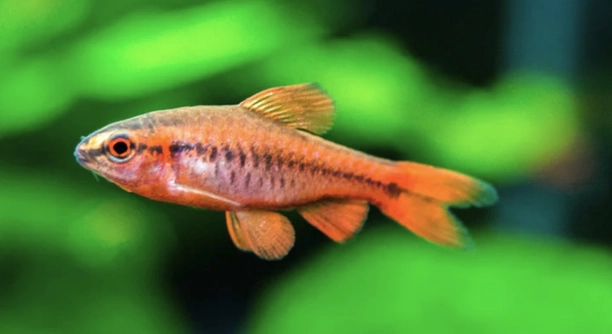
Have you ever watched your Cherry Barbs swim and wondered if they can handle stronger water currents in your aquarium setup?
Cherry Barbs are not naturally suited to strong currents. In the wild, they thrive in slow-moving streams and densely vegetated areas. Exposing them to fast flows may cause stress, disrupt their behavior, and affect their overall health.
Learning about their natural environment and behavior can help you create a space that supports both their comfort and well-being.
Understanding Cherry Barbs’ Natural Habitat
Cherry Barbs come from the calm, slow-flowing waters of Sri Lanka. These streams and ponds are filled with plants, providing cover and a sense of safety. The water in these areas tends to be soft and slightly acidic. This gentle environment supports their calm and peaceful nature. In captivity, they still show a preference for areas with light water movement and plenty of plant cover. Fast currents can make it hard for them to swim comfortably, especially for smaller or less active individuals. It can even lead to fatigue or stress over time. Forcing them into high-flow settings can take away the stability and peace they need. When designing a tank, it’s best to recreate those gentle conditions. This includes proper filtration that doesn’t create too much turbulence and a layout that mimics the quiet areas they are used to. These adjustments will help them feel more secure and display natural behaviors.
Cherry Barbs may swim in faster areas for short periods, but they will always return to calmer spots where they feel safer.
They also prefer staying close to plants or decorations when water flow increases. These safe zones allow them to rest, especially after moments of stronger swimming. Keeping this in mind helps in setting up their tank.
How Strong Currents Affect Their Behavior
Cherry Barbs tend to become more anxious in tanks with strong, constant currents. This stress can lead to hiding, changes in feeding, and even aggression among tank mates.
Increased flow can push them into unnatural behavior patterns. You might notice them darting around more or spending more time behind decorations and in corners. These are signs they are trying to escape the force of the current. Over time, this can impact their health and quality of life. Some may eat less or show faded colors, both of which are linked to prolonged stress. A stressed fish is also more likely to become sick. If the tank has limited resting areas or is too open, the problem gets worse. Tank mates that enjoy strong currents, like Danios or certain Barbs, may outcompete them for food and space. To avoid this, use adjustable flow filters and create still zones using plants or rocks. This way, Cherry Barbs can choose where they feel most comfortable.
Creating a Comfortable Tank Setup
Cherry Barbs feel most at ease in tanks with slow-moving water and lots of hiding spots. Using plants, driftwood, or smooth rocks can help break up flow and create calm zones for them to rest in.
A sponge filter or an adjustable flow filter works best for their needs. It helps maintain good water quality without creating strong currents. Place the filter outlet toward a wall or use plants to slow the flow. Floating plants can also reduce surface movement. When setting up the tank, try to create both open swimming areas and quiet corners. This gives them choices and reduces stress. A dark substrate and soft lighting help them feel more secure, too. These small touches encourage natural behavior like foraging and gentle schooling. It’s also helpful to use long, horizontal tanks so they have more swimming space along the length, instead of fighting vertical flow.
Keep an eye on their behavior after setup. If they constantly stay low or hide behind objects, the flow might still be too strong. You can adjust placement of decorations or reduce filter speed until they appear relaxed and swim more freely. Comfortable Cherry Barbs will explore their space, interact calmly with others, and show off their color.
Tank Mates and Flow Compatibility
Cherry Barbs do well with other peaceful fish that prefer similar flow levels. Avoid fast-swimming species that thrive in strong currents, as this can lead to stress and competition.
Tank mates like Harlequin Rasboras, Corydoras catfish, and small Gouramis match well with Cherry Barbs. These fish also enjoy calm waters and are unlikely to outcompete Cherry Barbs for food or space. Keeping fish with similar activity levels and environmental needs helps maintain a peaceful tank. Stronger swimmers may stir up the water too much, causing Cherry Barbs to become anxious or retreat often. It’s also important not to overcrowd the tank. Too many active fish in one space can create unwanted water movement, even without a strong filter. Watching how the fish interact can help you decide if the tank setup needs to be adjusted. Keeping a balanced community allows each species to thrive without disturbing others.
Monitoring for Stress and Discomfort
Cherry Barbs may show signs of stress if the current is too strong. Look for clamped fins, rapid breathing, hiding more than usual, or refusing food. These signs mean they aren’t fully comfortable in the tank.
Stress can weaken their immune system, making them more likely to get sick. It’s best to make small adjustments early, like lowering the filter output or rearranging plants, rather than waiting for bigger issues to show up later.
Adjusting Water Flow Safely
If the current is too strong, try using a filter with adjustable flow settings. You can also attach a sponge or pre-filter to the output to slow the water down. Another trick is to angle the flow toward a tank wall or use driftwood to block some of the force. This helps create a gentler environment without losing water quality. Watch how the Cherry Barbs respond to each change. If they start swimming around more freely and show brighter colors, the adjustment is working.
Final Thoughts on Current Control
Creating a calm, balanced flow is one of the best things you can do to keep Cherry Barbs healthy and active. It helps them feel safe and brings out their natural behavior.
FAQ
Can Cherry Barbs live in strong currents?
Cherry Barbs are not suited to strong water currents. They thrive in slower-moving waters with plenty of plant cover. Strong currents can cause stress and make it difficult for them to swim comfortably. It’s best to use a filter with adjustable flow and create sheltered areas in the tank to help them feel more secure.
How can I tell if the current is too strong for my Cherry Barbs?
If the current is too strong, Cherry Barbs may display signs of stress such as hiding, clamped fins, or swimming erratically. They may also avoid certain areas of the tank, choosing to stay near the bottom or behind plants. If they seem to struggle swimming or appear more lethargic than usual, the current might be too much for them.
What type of filter is best for Cherry Barbs?
A sponge filter or an adjustable flow filter works best for Cherry Barbs. Sponge filters provide gentle water movement and help maintain water quality without creating strong currents. Adjustable flow filters let you control the water speed, allowing you to create a comfortable environment for your fish.
How do I create calm zones in my tank?
To create calm zones, use plants, rocks, or driftwood to break up the water flow. These items act as barriers, creating pockets of still water where your Cherry Barbs can rest. Floating plants are especially useful for reducing surface movement. Make sure to place decorations in a way that allows your Cherry Barbs to swim freely in some areas while still having quiet spaces to retreat to.
Can Cherry Barbs tolerate other fish that like strong currents?
Cherry Barbs prefer calm waters and may not do well with fish that thrive in fast currents. Fish like Danios or certain species of Barbs, which prefer stronger water movement, might disturb the Cherry Barbs’ peace. It’s better to keep them with other peaceful, slow-moving fish that have similar environmental needs.
What temperature should the water be for Cherry Barbs?
Cherry Barbs thrive in warm water, typically between 74°F and 79°F (23°C – 26°C). Keeping the water temperature within this range promotes their overall health and encourages natural behaviors. Temperatures outside this range can cause stress and weaken their immune system.
Do Cherry Barbs need a lot of space to swim?
While Cherry Barbs aren’t the most active swimmers, they still benefit from having enough space to swim. A longer tank provides more horizontal swimming space, which is ideal for them. A tank size of at least 20 gallons is recommended for a small group, but larger tanks are always better for providing more room to move.
Can Cherry Barbs live with plants in the tank?
Yes, Cherry Barbs do very well with live plants in their tank. They enjoy having plants to swim through, hide behind, and explore. Plants also help maintain water quality by absorbing excess nutrients. Just make sure to avoid sharp-edged plants that could harm their fins.
How often should I clean my tank if I have Cherry Barbs?
Cleaning your tank regularly is essential for maintaining a healthy environment for your Cherry Barbs. Perform partial water changes (about 25-30%) every week to keep the water fresh. Remove any debris, such as uneaten food, and clean the filter regularly to prevent buildup. This helps maintain stable water conditions that will keep your fish healthy.
What are the best tank mates for Cherry Barbs?
Cherry Barbs do best with peaceful fish that also prefer calm waters. Good tank mates include other small, non-aggressive fish like Corydoras catfish, Harlequin Rasboras, and small Gouramis. Avoid aggressive or fast-swimming species, as they may create stress or outcompete your Cherry Barbs for food.
How do I feed Cherry Barbs properly?
Cherry Barbs are omnivores and enjoy a varied diet. Feed them a mix of high-quality flakes, pellets, and frozen or live foods like daphnia, brine shrimp, or bloodworms. Feed small amounts once or twice a day, making sure they eat everything in a few minutes. Avoid overfeeding, as it can lead to water quality issues and health problems for the fish.
Why are my Cherry Barbs not showing their colors?
Cherry Barbs may not show their full color if they are stressed or uncomfortable. This can happen if the water flow is too strong, the tank is overcrowded, or the water conditions are not ideal. Make sure to provide a calm environment with proper water parameters and avoid overcrowding to encourage them to display their natural colors.
Can Cherry Barbs breed in a community tank?
It is possible for Cherry Barbs to breed in a community tank, though it can be challenging. They are egg layers, and their eggs are often eaten by other fish unless they have a separate breeding space. Providing plenty of plants and hiding places can help increase the chances of successful breeding. If you want to raise fry, it’s best to move breeding pairs to a separate tank where the eggs will be safer.
What is the lifespan of a Cherry Barb?
Cherry Barbs typically live for around 3 to 5 years when kept in a well-maintained tank. Their lifespan can vary depending on the quality of care, water conditions, and overall health. Maintaining stable water parameters and providing a stress-free environment can help them live a longer, healthier life.
Are Cherry Barbs hardy fish?
Yes, Cherry Barbs are considered hardy fish, but they still require stable water conditions to thrive. They are sensitive to drastic changes in temperature, pH, and ammonia levels. Regular tank maintenance and monitoring water quality are key to keeping them healthy and preventing stress-related health issues.
Can I keep Cherry Barbs with shrimp?
Cherry Barbs can usually live peacefully with small shrimp species, such as Cherry Shrimp or Amano Shrimp. However, be cautious with very small shrimp fry, as adult Cherry Barbs may eat them. Keeping plants and hiding spots in the tank can help shrimp stay safe from the fish.
Final Thoughts
Cherry Barbs are peaceful, small fish that thrive in calm, low-flow environments. While they are relatively hardy and easy to care for, they are not suited for tanks with strong currents. This is because, in the wild, they are found in slow-moving streams and ponds, where water flow is minimal. Providing a stable, stress-free environment with gentle water movement is essential for their well-being. The right setup allows them to display their natural behaviors, such as swimming peacefully through plants or exploring their surroundings. A balanced flow and proper tank design are the key to ensuring they feel safe and healthy.
Creating a tank that mimics their natural habitat will help your Cherry Barbs thrive. This means choosing a filter that does not create strong currents and adding decorations such as plants, driftwood, or rocks to break up the flow. Cherry Barbs will appreciate having spaces where they can hide or rest away from the water movement. It’s important to observe their behavior regularly. If you notice signs of stress, such as hiding more than usual, clamped fins, or poor appetite, you may need to adjust the water flow or tank setup. These subtle signals will guide you in making the necessary changes.
Finally, Cherry Barbs do best when housed with compatible tank mates. They should be kept with other peaceful fish that prefer calm water. Overcrowding or introducing species that prefer faster currents can stress your Cherry Barbs and affect their health. By keeping their environment simple and quiet, with minimal water flow, you allow them to flourish in the tank. Keeping the tank clean and maintaining consistent water quality is also important for their long-term health. When cared for properly, Cherry Barbs can live for several years and continue to add beauty and calm to your aquarium.

Hello,
If you enjoy the content that we create, please consider saying a "Thank You!" by leaving a tip.
Every little bit helps us continue crafting quality advice that supports the health, happiness, and well-being of pets around the world, for pets of all shapes, sizes, and species.
We really appreciate the kindness and support that you show us!