
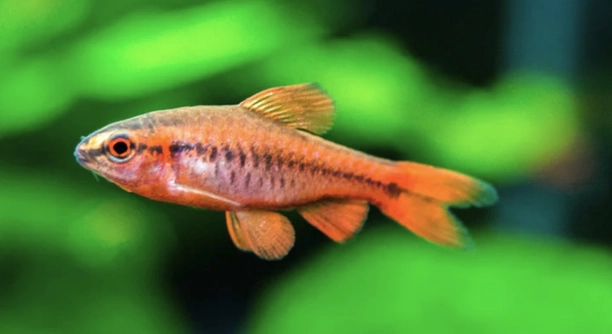
Cherry barbs are a popular species in home aquariums due to their vibrant colors and easy care requirements. These small fish have captured the attention of many fish enthusiasts, but what about their intelligence? Do they stand out from other small fish?
Research suggests that while cherry barbs are often regarded as intelligent compared to other small fish, their cognitive abilities are similar to those of other species within the same size range. Their behavior typically centers around feeding and mating.
Understanding how cherry barbs interact with their environment and how they compare to other small fish species can offer insight into their behavior.
What Makes Cherry Barbs Unique?
Cherry barbs are often praised for their active and engaging behavior in home aquariums. Unlike many other small fish, they tend to form small schools, which can make them more interesting to watch. Their bright red color and peaceful nature further distinguish them from other aquarium fish. While they aren’t known for complex problem-solving, cherry barbs do exhibit behaviors such as swimming in sync with their group and navigating the tank in search of food. This could suggest a level of awareness and social interaction that some other fish species might lack.
Compared to other small fish, cherry barbs are generally easier to care for, making them an appealing choice for beginners. Their peaceful nature allows them to live in harmony with other community fish, and their diet is simple, usually consisting of flakes, pellets, and occasional live food. However, they do enjoy having plants or hiding spots to explore, which keeps them active and mentally stimulated.
While they may not exhibit the same intelligence as some larger fish species, cherry barbs still show interesting behavior patterns when it comes to socializing and adapting to their environment. These traits might be more noticeable when they live in groups, as they seem to learn from each other and work together in ways other small fish do not.
Do Cherry Barbs Show Advanced Problem-Solving Skills?
Cherry barbs, like many small fish, show basic learning abilities but do not demonstrate advanced problem-solving skills. Their intelligence is more focused on navigating their environment for survival rather than complex tasks.
Their behavior mostly revolves around seeking food, avoiding predators, and interacting with other fish. Cherry barbs are able to recognize their tank mates and can even remember feeding schedules. However, their cognitive abilities do not extend much beyond simple patterns and routines. While they may show some adaptability, their primary focus is survival rather than exploring complex challenges or tasks.
Social Behavior of Cherry Barbs
Cherry barbs thrive in groups, which significantly influences their behavior. They are social fish that tend to feel safer and more confident when in the company of others. In a larger group, they often exhibit synchronized swimming patterns and explore the tank together. This social structure is key to their well-being and reduces stress.
In the wild, cherry barbs live in schools, and this behavior is carried over into the aquarium. Their social nature makes them less aggressive compared to other species. When kept alone or in pairs, they may become shy or withdrawn. A school of at least six fish encourages natural interactions and provides a sense of security.
Even in a home tank, their social dynamics remain important. Cherry barbs are rarely aggressive, but they do enjoy interacting with their tank mates. Their schooling behavior helps them bond and create a peaceful environment, where they feel comfortable and secure enough to explore.
How Cherry Barbs Interact with Other Species
Cherry barbs are generally peaceful and get along well with other species in community tanks. They’re not territorial and rarely cause trouble for other fish, making them ideal for peaceful aquarium setups.
They can be paired with other small, non-aggressive fish, such as tetras, guppies, or Corydoras. However, they should not be kept with more aggressive species, as they can become stressed or intimidated. It’s also essential to provide plenty of hiding spots and plants for cherry barbs to feel comfortable. Ensuring the right environment helps prevent any undue stress and encourages healthier, happier fish.
Feeding Habits of Cherry Barbs
Cherry barbs are opportunistic feeders and will eat a variety of foods. They enjoy both plant-based and protein-rich options, making them easy to feed. Their diet typically consists of flakes, pellets, and occasional live food like brine shrimp or daphnia.
They are not picky eaters, but feeding them a balanced diet is important for their overall health. A mix of dry and frozen foods ensures they get the necessary nutrients to thrive. Overfeeding, however, can lead to water quality issues, so portion control is key.
Cherry Barbs and Their Lifespan
Cherry barbs can live up to 3 to 4 years in a well-maintained tank. Proper care, including good water quality, a balanced diet, and appropriate tank mates, can help them live a long and healthy life.
Regular water changes and keeping the tank free from excess waste are vital for their lifespan. Stress and poor living conditions can shorten their life expectancy, so maintaining a stable environment is crucial for their health.
FAQ
Are cherry barbs hardy fish?
Yes, cherry barbs are relatively hardy. They adapt well to various water conditions, making them an excellent choice for beginners. They can tolerate slight variations in water temperature and pH but thrive best in stable, slightly acidic to neutral water (pH 6.5-7.5) and temperatures between 72°F and 78°F (22°C – 26°C). Despite their hardiness, they still need clean water and regular maintenance to stay healthy.
What is the ideal tank size for cherry barbs?
Cherry barbs do well in tanks that are at least 20 gallons. While they can live in smaller tanks, a larger tank allows them to swim freely and engage in natural behaviors. A tank of this size gives them enough space to form schools and reduces territorial disputes with other fish. It’s also easier to maintain stable water conditions in a larger tank.
Do cherry barbs need a filter?
Yes, cherry barbs need a filter. A filter is essential for maintaining water quality by removing waste and excess nutrients. While cherry barbs are adaptable, they still require clean water to thrive. A good filtration system helps prevent the buildup of harmful toxins, which can lead to stress and disease. Ensure the filter isn’t too strong, as cherry barbs prefer calm waters.
How many cherry barbs should be kept together?
It’s best to keep at least six cherry barbs in a group. These fish are social and feel more comfortable when they are in schools. Keeping them in groups helps reduce stress and encourages natural behaviors like schooling and foraging. A larger group can also prevent any one fish from becoming overly dominant or aggressive.
Can cherry barbs live with other fish?
Yes, cherry barbs are peaceful and get along well with other non-aggressive species. They are ideal for community tanks, where they can coexist with other small fish like tetras, guppies, and Corydoras. Avoid keeping them with aggressive species, as they may stress out or become injured. Cherry barbs also enjoy having plants and hiding spots in their tank, which helps them feel safe and secure.
What do cherry barbs eat?
Cherry barbs are omnivores and will eat a wide variety of foods. Their diet can include high-quality flakes or pellets, supplemented with live or frozen food such as brine shrimp, daphnia, or bloodworms. They also enjoy eating plant matter like spinach or algae. Feeding them a balanced diet ensures they get the necessary nutrients to stay healthy.
Are cherry barbs easy to breed?
Breeding cherry barbs can be fairly straightforward, but it requires proper conditions. To encourage breeding, provide a well-planted tank with a temperature around 75°F (24°C) and a pH level of 6.5-7.0. During the breeding process, female cherry barbs will lay eggs among plants or on tank surfaces. Once the eggs are laid, remove the adults to prevent them from eating the eggs. The fry will hatch within 24-48 hours and will need tiny foods like infusoria or newly hatched brine shrimp.
How do I know if my cherry barb is male or female?
Male cherry barbs are typically smaller and more colorful than females. They often have a brighter red coloration, especially during the breeding season. Female cherry barbs are usually larger, rounder, and more dull in color. During mating, males will display their vibrant colors and often chase females, showing off to attract their attention.
Can cherry barbs live in a tank with plants?
Yes, cherry barbs do well in planted tanks. They enjoy swimming through plants, which provide both shelter and a natural food source. Plants also help maintain water quality by absorbing excess nutrients and offering hiding spots. Cherry barbs are not destructive to plants, so you can have a beautiful, thriving tank with both plants and fish.
Do cherry barbs need special lighting?
No, cherry barbs do not need special lighting. They are not particularly sensitive to light, but providing a consistent light cycle can help regulate their natural rhythms. It’s important to avoid intense lighting, as this can stress the fish or encourage excessive algae growth. A standard aquarium light should suffice, with about 10-12 hours of light per day.
What diseases are cherry barbs prone to?
Like many fish, cherry barbs can be susceptible to common aquarium diseases such as ich (white spot disease), fin rot, and velvet disease. Keeping the water clean and maintaining stable water conditions is essential in preventing disease. If a fish shows signs of illness, such as faded colors or abnormal swimming, it’s important to address it quickly and isolate the sick fish to prevent it from spreading.
Can cherry barbs live in a tank with shrimp?
Yes, cherry barbs can live with shrimp in most cases. They are peaceful and tend to leave shrimp alone unless they are very small. However, be aware that cherry barbs may occasionally eat baby shrimp or smaller shrimp species, especially if they are hungry. Adult shrimp, especially species like Amano shrimp or ghost shrimp, are usually safe with cherry barbs.
How often should I feed my cherry barbs?
Feed your cherry barbs once or twice a day, offering only as much food as they can eat within a few minutes. Overfeeding can lead to poor water quality, which can stress the fish and lead to health issues. It’s better to feed small portions multiple times a day rather than large amounts all at once.
Do cherry barbs require high maintenance?
Cherry barbs are relatively low-maintenance fish. They don’t require specialized care, but regular water changes, proper filtration, and a balanced diet are necessary to keep them healthy. Maintaining a consistent tank temperature and avoiding extreme fluctuations in water conditions are also important. Regular tank maintenance will help prevent most common issues.
What is the best way to care for a cherry barb tank?
To care for a cherry barb tank, ensure that water quality is high by performing regular water changes (at least 25% every two weeks). Keep the water temperature stable between 72°F and 78°F, and maintain a pH between 6.5 and 7.5. Provide a mix of plants, rocks, and hiding spots to make the environment as natural as possible. Regularly check on their behavior to ensure they are happy and healthy.
Final Thoughts
Cherry barbs are a great choice for anyone looking to add small, peaceful fish to their aquarium. Their vibrant colors and social nature make them an enjoyable species to keep, especially for beginners. They do not require extensive care or complex setups, which makes them ideal for people new to fishkeeping. With a bit of attention to their water conditions, diet, and social needs, cherry barbs can thrive in a community tank for several years.
While they may not show the advanced cognitive abilities seen in some other species, cherry barbs exhibit interesting social behavior and a simple, straightforward way of interacting with their environment. They enjoy being part of a school and feel most comfortable when surrounded by their own kind. Keeping them in groups not only helps reduce stress but also encourages natural behaviors like synchronized swimming. Their peaceful nature means they are compatible with many other community fish, which further adds to their appeal as tank mates.
Overall, cherry barbs are an excellent choice for those looking for a low-maintenance, visually striking fish that adds activity and color to an aquarium. Their small size, calm temperament, and ease of care make them a perfect fit for many different types of tanks. Whether you’re a beginner or have more experience with fishkeeping, cherry barbs are sure to bring a touch of life and charm to your tank. With proper care and attention, they can live a long, healthy life and offer enjoyment for years to come.

Hello,
If you enjoy the content that we create, please consider saying a "Thank You!" by leaving a tip.
Every little bit helps us continue crafting quality advice that supports the health, happiness, and well-being of pets around the world, for pets of all shapes, sizes, and species.
We really appreciate the kindness and support that you show us!