
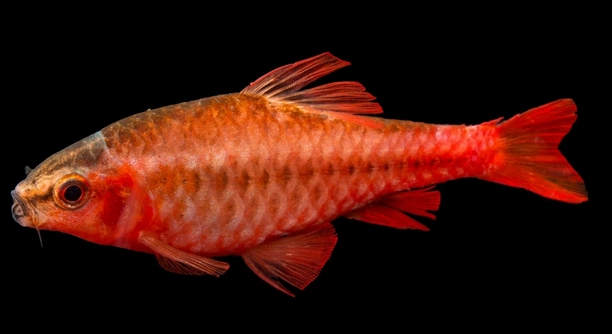
Cherry Barb tanks are a beautiful and peaceful addition to any aquarium. Keeping them healthy is essential for their well-being. Preventing illness is crucial in maintaining a happy and thriving environment for these small fish.
To prevent illness in Cherry Barb tanks, regular water changes, proper filtration, and maintaining a stable water temperature are key factors. Additionally, ensuring a balanced diet and preventing overcrowding can reduce the risk of stress and disease in your fish.
By understanding these preventative measures, you can create a safer environment for your Cherry Barbs. These practices will promote their health and longevity. Continue reading to learn more about how to maintain a disease-free tank.
Regular Water Changes
Changing the water regularly is one of the simplest ways to prevent illness in Cherry Barb tanks. Stagnant water can lead to the buildup of harmful toxins and bacteria. A good rule of thumb is to change about 25% of the water every week. This keeps the environment clean and healthy for your fish.
Ensuring the water is treated before being added back to the tank is equally important. Chlorine and other chemicals can harm your fish, so always use a water conditioner.
When performing water changes, remember to check the water parameters, such as pH, ammonia, and nitrate levels. These factors are critical in keeping the tank’s ecosystem balanced. Regular water changes will significantly reduce the chances of infections and other health problems in your Cherry Barbs.
Proper Filtration
A reliable filtration system is essential to maintaining water quality. It ensures that waste, uneaten food, and harmful chemicals are removed from the tank.
The right filter will improve water circulation, providing your fish with a clean environment. For a Cherry Barb tank, a gentle filter is ideal to avoid stressing the fish. Make sure to clean the filter regularly to maintain its effectiveness.
Good filtration reduces the chances of disease outbreaks. It also helps in creating a stable environment where your fish can thrive. A filter is not just for cleaning; it supports the natural bacteria that help break down waste.
Maintaining Stable Water Temperature
Maintaining a stable water temperature is crucial in preventing stress and disease in Cherry Barb tanks. Fluctuations in temperature can weaken your fish’s immune system, making them more susceptible to illness.
Invest in a reliable aquarium heater with a thermometer to monitor water temperature. Cherry Barbs thrive in temperatures between 74°F and 79°F. Sudden temperature changes can be stressful, so try to avoid placing the tank in areas with draft or direct sunlight. A steady environment helps your fish feel secure, reducing the chances of infections or diseases.
Maintaining a consistent temperature also benefits the growth and breeding of your Cherry Barbs. Warmer temperatures speed up metabolism, while cooler temperatures can slow it down, leading to potential health problems. When water temperature remains steady, it enhances the overall health of the tank and minimizes the risk of outbreaks.
Balanced Diet
Providing a balanced diet is key to keeping your Cherry Barbs healthy. Overfeeding can lead to water quality issues, while underfeeding can leave your fish malnourished and vulnerable to disease.
Offer a mix of high-quality flake foods, frozen, and live foods. Cherry Barbs enjoy variety, which helps maintain their health and color. Be sure to remove any uneaten food after a few minutes to prevent it from decaying and affecting water quality.
A well-fed fish is better equipped to resist illness. Nutritional deficiencies can make Cherry Barbs more susceptible to infections. Offer foods that contain the right balance of protein, fat, and vitamins. A proper diet strengthens your fish’s immune system, helping them remain healthy and vibrant.
Preventing Overcrowding
Overcrowding is a common problem in many aquariums, and it can lead to a host of issues, including increased waste and stress on your Cherry Barbs. It’s essential to maintain the right fish-to-water ratio.
Make sure the tank is large enough to comfortably house all your fish. A good rule of thumb is one inch of fish per gallon of water. Overcrowding can lead to poor water quality, which makes fish more prone to illness. Cherry Barbs are small, but they still require space to thrive.
The extra waste produced by overcrowding can quickly build up, affecting water quality and putting your fish at risk. Avoid adding too many fish at once and give the current inhabitants time to adjust to their environment before introducing more.
Quarantine New Fish
Introducing new fish without quarantine can bring in diseases or parasites, even if the new fish look healthy. Quarantining new arrivals helps prevent the spread of potential illnesses to your established Cherry Barbs.
Set up a separate quarantine tank for about 2-4 weeks before adding any new fish to your main tank. Monitor the new fish for signs of illness or parasites during this time. If any health issues arise, the new fish can be treated separately, ensuring the health of the entire tank is not compromised.
Maintaining Tank Cleanliness
Keeping the tank clean is essential to preventing illness. Regularly vacuum the substrate to remove waste and debris. Clean the walls of the tank to avoid algae buildup and ensure proper water circulation.
Cleanliness in the tank minimizes the risk of bacteria and fungal infections. It’s also important to keep decorations and plants free of decay, as rotting materials can release harmful substances into the water. A well-maintained tank keeps your Cherry Barbs happy and healthy.
FAQ
What is the ideal tank size for Cherry Barbs?
The ideal tank size for Cherry Barbs depends on the number of fish you plan to keep. A minimum of 20 gallons is recommended for a small group of Cherry Barbs. Larger tanks allow for better water quality and less stress. For each additional Cherry Barb, you should add 2-3 gallons of water. This ensures there is enough space for the fish to swim freely without overcrowding, which can lead to health problems. A larger tank also gives you more flexibility to create a more natural and comfortable environment for your fish.
How often should I perform water changes for Cherry Barbs?
Water changes should be performed at least once a week, ideally changing 25-30% of the water each time. This prevents the buildup of harmful toxins like ammonia, nitrites, and nitrates. Regular water changes keep the environment clean and help maintain a stable water chemistry, which is important for Cherry Barbs’ health. If you have a heavily stocked tank or the water appears cloudy, you may need to increase the frequency of water changes to ensure the water stays clean and healthy.
Can Cherry Barbs live with other fish?
Yes, Cherry Barbs are peaceful fish and can live with other community fish. They are social and enjoy being in schools, so they should ideally be kept in groups of at least six. They can live well with species like tetras, rasboras, or guppies. However, avoid keeping them with aggressive or very large fish, as these can stress the Cherry Barbs or harm them. It’s also important to consider the water temperature and conditions to ensure compatibility with other species.
What should I feed Cherry Barbs?
Cherry Barbs are omnivores and should be fed a balanced diet. Offer them a variety of foods such as high-quality flake food, live food (like daphnia or brine shrimp), and frozen foods. You can also supplement their diet with occasional vegetables, such as blanched spinach or peas. It’s important to feed them small amounts multiple times a day, ensuring that the food is consumed within a few minutes to prevent waste from affecting water quality.
How do I know if my Cherry Barbs are stressed?
Stressed Cherry Barbs may exhibit several behaviors, such as hiding, reduced activity, or loss of color. Stress can be caused by poor water quality, overcrowding, sudden temperature fluctuations, or incompatible tank mates. If you notice these signs, check the water parameters and ensure the tank conditions are appropriate. Reducing stress factors and providing a stable environment can help your Cherry Barbs recover. Stress can weaken their immune system, making them more susceptible to disease.
What is the best water temperature for Cherry Barbs?
Cherry Barbs thrive in water temperatures between 74°F and 79°F. Keeping the temperature within this range helps them stay healthy and active. Water that is too cold or too hot can cause stress and make the fish more prone to illness. Use a reliable heater and thermometer to maintain a consistent temperature, especially if you live in an area with fluctuating room temperatures. A stable environment is key to keeping your Cherry Barbs happy and healthy.
Are Cherry Barbs good for beginners?
Yes, Cherry Barbs are a good choice for beginner aquarium owners. They are relatively hardy and can adapt to a range of water conditions, making them easier to care for than some other species. However, like all fish, they require proper care, including maintaining water quality and feeding them a balanced diet. As long as you follow basic care guidelines and provide them with a stable environment, Cherry Barbs can be a rewarding species for novice fishkeepers.
How do I prevent diseases in my Cherry Barb tank?
To prevent diseases, maintain a stable water environment by regularly changing the water, keeping the tank clean, and ensuring good filtration. Quarantine any new fish for at least 2-4 weeks before adding them to the main tank to avoid introducing diseases. Providing a balanced diet and not overcrowding the tank also reduces stress, which can make fish more susceptible to illnesses. Keeping the tank’s temperature and water parameters within the ideal range is another key factor in preventing disease.
Why are my Cherry Barbs losing color?
There are several reasons why Cherry Barbs may lose their color. Stress is a common cause, often due to poor water quality, overcrowding, or aggressive tank mates. Another cause could be an unbalanced diet or a lack of sufficient nutrients. If your Cherry Barbs are losing their color, assess the tank conditions and make sure they are eating a varied diet. Improving water quality and reducing stress can help restore their vibrant colors.
How do I breed Cherry Barbs?
Breeding Cherry Barbs is relatively easy if you maintain good tank conditions. Provide a separate breeding tank with slightly acidic, soft water and a temperature between 75°F and 79°F. Place a few plants or spawning mops in the tank for the female to lay eggs. After spawning, remove the adults to prevent them from eating the eggs. The eggs will hatch in about 2-3 days, and the fry can be fed infusoria or newly hatched brine shrimp until they are large enough for normal fish food. Proper care of the fry will lead to successful breeding.
Can I keep male and female Cherry Barbs together?
Yes, male and female Cherry Barbs can be kept together. In fact, it is recommended to keep at least one male for every 2-3 females to encourage natural behaviors and breeding. The males are more colorful than the females and will often display their vibrant colors to attract females. However, avoid keeping too many males together, as this can lead to aggression. A good mix of males and females in a school will create a peaceful and visually appealing tank.
How long do Cherry Barbs live?
Cherry Barbs typically live for 3 to 5 years, depending on their care and tank conditions. Ensuring a stable and clean environment, providing a balanced diet, and preventing overcrowding can help them live a longer and healthier life. Some Cherry Barbs may live longer if they are kept in ideal conditions with proper care. Regular water changes, appropriate tank mates, and minimizing stress all contribute to their longevity.
Final Thoughts
Taking care of Cherry Barbs can be a rewarding experience when proper attention is given to their environment and health. These fish are hardy and adaptable, making them suitable for both beginner and experienced aquarists. They are social creatures, and keeping them in groups helps reduce stress and allows them to thrive. Providing a spacious tank, regular water changes, and a balanced diet is essential to maintaining their well-being.
By paying attention to key aspects such as water quality, tank size, and the types of fish kept alongside Cherry Barbs, many common issues can be prevented. Ensuring that the water parameters, including temperature and pH, are within their preferred range can minimize stress, making your Cherry Barbs more active and vibrant. Overcrowding and poor tank conditions are two main contributors to illness, so it is crucial to avoid these factors. A clean and well-maintained tank can go a long way in supporting the health of your fish.
Lastly, being patient and observing your Cherry Barbs closely will allow you to catch any potential issues early. Regularly monitoring their behavior, diet, and overall health can help you respond quickly if something goes wrong. With proper care, Cherry Barbs can bring joy and color to your aquarium for years.

Hello,
If you enjoy the content that we create, please consider saying a "Thank You!" by leaving a tip.
Every little bit helps us continue crafting quality advice that supports the health, happiness, and well-being of pets around the world, for pets of all shapes, sizes, and species.
We really appreciate the kindness and support that you show us!