
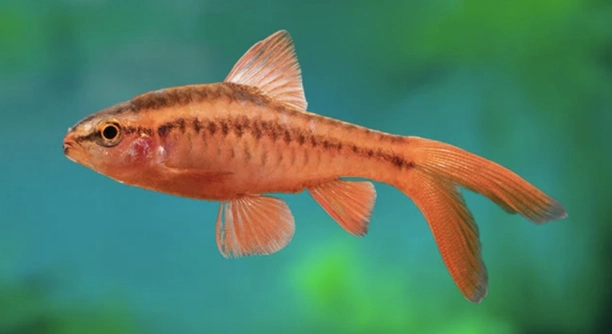
Cherry barbs are a popular choice among aquarium enthusiasts due to their vibrant colors and peaceful nature. However, some owners may be concerned about their behavior, particularly regarding the possibility of jumping out of the tank.
Cherry barbs are not known for jumping out of tanks, but it is possible if the tank setup is not ideal. A poorly maintained tank with a high water level, lack of a secure lid, or sudden stress can contribute to this behavior.
A few simple adjustments to the tank environment can reduce the likelihood of this happening. By making sure your setup is secure, you can ensure the safety of your fish and avoid any surprises.
Why Cherry Barbs Might Jump
Cherry barbs are generally calm and well-behaved fish, but they can jump if certain conditions are met. If a tank is too small or not properly maintained, cherry barbs may feel stressed. Stress can lead to erratic behaviors, including jumping out of the tank. Poor water quality, overcrowding, or even sudden changes in water temperature can make these fish feel uneasy. A high water level without a lid may also cause them to escape. These fish are not naturally inclined to jump, but their environment plays a significant role in their actions.
A well-maintained, spacious tank with a secure lid can prevent these incidents. Keeping the water clean and providing plenty of swimming space helps keep your cherry barbs calm.
Setting up a tank with these factors in mind is essential to avoiding unnecessary stress for your fish. They will be less likely to jump out if their needs are met. Additionally, monitoring their health regularly can also help you spot any signs of distress early. A good tank setup promotes the overall well-being of your cherry barbs.
Tank Conditions to Prevent Jumping
To keep your cherry barbs from jumping, ensure the tank is large enough for them to swim comfortably. A 20-gallon tank or larger is ideal for a small group.
Water conditions play a vital role in your fish’s behavior. If the water quality is poor, your cherry barbs will likely become stressed and possibly attempt to escape. Regular water changes are necessary, and water temperature should be stable. Cherry barbs thrive in temperatures between 72°F and 80°F. Installing a secure lid is also crucial to keep them from jumping. The lid should fit snugly and be able to handle any water splashes.
Proper filtration is essential to maintain water quality. Invest in a good filter that doesn’t create too much current, as cherry barbs prefer calm water. Overcrowding is another factor that can contribute to stress. Keep your fish group small to allow each one enough space. Regularly check the water’s pH, ammonia, and nitrite levels to ensure a safe environment. By addressing these factors, you can provide your cherry barbs with a comfortable and secure habitat, minimizing the risk of them jumping.
How to Prevent Cherry Barbs from Jumping
A secure tank environment is key to preventing cherry barbs from jumping. Ensuring the tank has a lid and the right conditions can make all the difference. It’s also important to minimize stress by keeping the water quality high and the tank large enough for them to thrive.
A tank with a lid or mesh cover is essential to prevent escapes. Fish may jump if the tank’s surface water is too high, or if there’s an opening for them to slip through. Make sure the lid fits securely, and check it regularly. Cherry barbs are small, but they’re surprisingly quick, and a loose lid can lead to unwanted surprises.
Another important step is maintaining water quality. Cherry barbs need clean water with stable parameters to feel safe. Regular water changes, along with proper filtration, will help keep the tank clean and the fish healthy. Poor water quality is one of the biggest stress factors for any aquarium fish, and it can make them more likely to jump.
The Right Tank Setup for Cherry Barbs
Providing the right tank setup helps create a safe space for your cherry barbs. The tank size should be sufficient for swimming, with a minimum of 20 gallons for a small group. A larger tank is ideal if you plan to keep more fish.
Overcrowding can increase stress, which may lead to erratic behavior like jumping. Make sure there is enough space for the fish to swim freely and comfortably. Overcrowded tanks can lead to poor water quality and increased competition for resources, which may result in stressed, agitated fish. If you want to add other fish to the tank, choose species that are compatible with cherry barbs and won’t make them feel threatened.
Adding plants and hiding spots can further reduce stress. Cherry barbs like to have a space to hide and feel safe. They also enjoy swimming through plants, which mimic their natural environment. Providing a tank setup that mirrors their natural habitat will help keep them happy and calm, reducing the likelihood of jumping.
Monitoring Stress in Cherry Barbs
Stress is a common cause of jumping in cherry barbs. Keeping an eye on their behavior is important. Signs of stress include erratic swimming or hiding too much. If you notice these behaviors, it may indicate that the tank environment needs adjustment.
Check the water parameters regularly to ensure they are within the ideal range. A stressful environment can make cherry barbs more prone to jumping. Make adjustments quickly, whether it’s lowering the water level, improving filtration, or adding more hiding spots. Small changes can help reduce stress and prevent unwanted escapes.
Water Quality and Temperature Control
Water quality directly impacts cherry barb behavior. Ensure your filter is working well and perform regular water changes. High ammonia or nitrite levels can cause significant stress. Keep the water parameters stable to avoid sudden shifts in conditions, which could trigger a jump.
The ideal water temperature range for cherry barbs is between 72°F and 80°F. Ensure the tank heater is working properly and avoid placing the tank in an area with fluctuating room temperatures. Keeping the water temperature stable will prevent any environmental stress that may cause your cherry barbs to jump.
Tank Mates and Cherry Barbs
When adding tank mates, choose species that won’t stress out your cherry barbs. Fish that are too aggressive or territorial can make your cherry barbs feel unsafe. This could lead to them seeking an escape by jumping out of the tank.
Make sure any new tank mates are peaceful and compatible with cherry barbs. Avoid large, fast-moving fish that could intimidate your smaller, calmer barbs. Keeping the community peaceful helps your fish feel comfortable and secure, reducing the risk of them jumping.
FAQ
Can cherry barbs jump out of a tank?
Yes, cherry barbs can jump out of the tank, but it’s not common. If the tank conditions are not ideal, such as overcrowding, high water levels, or a lack of a secure lid, they may attempt to jump. Stress from poor water quality or sudden changes can also trigger this behavior. Ensuring the tank has a lid and is large enough for your fish to swim comfortably will greatly reduce the chances of them jumping.
Why do cherry barbs jump?
Cherry barbs might jump due to stress or discomfort in their environment. Poor water quality, sudden temperature changes, or an overcrowded tank are common stressors. When cherry barbs feel unsafe or uncomfortable, they may attempt to escape the tank. Another reason could be the lack of hiding spots in the tank. Cherry barbs enjoy having places to hide and feel secure. Without these spaces, they may jump to seek out a more protected environment.
How do I stop my cherry barbs from jumping?
The best way to prevent cherry barbs from jumping is by maintaining a secure tank setup. Ensure your tank has a lid that fits tightly. Avoid overcrowding, and make sure the tank is large enough for your fish. Regularly test the water parameters and keep the water clean and stable. Adding plants and hiding spaces also helps reduce stress and gives your fish a sense of security. Lastly, avoid sudden temperature or water changes, which can cause stress and lead to jumping behavior.
What water conditions do cherry barbs need?
Cherry barbs thrive in stable water conditions. The ideal temperature range for them is between 72°F and 80°F. The pH level should be between 6.0 and 8.0, and the water hardness should be moderate. Regular water changes are essential to maintaining water quality. Keeping ammonia, nitrites, and nitrates at safe levels will help prevent stress. A good filtration system will also assist in keeping the water clean and safe for your cherry barbs.
Can cherry barbs live with other fish?
Yes, cherry barbs are peaceful and generally do well with other non-aggressive fish. They are small and enjoy the company of their kind. You can keep them with other calm species such as tetras, guppies, or rasboras. However, avoid keeping them with larger or more aggressive fish that may bully or intimidate them. Tank mates should not compete for resources, as this can increase stress and cause jumping behavior.
How many cherry barbs should I keep together?
Cherry barbs are social fish and prefer to be kept in groups of at least 5 to 6. A larger group helps them feel secure and reduces stress. In smaller groups, they may feel exposed and become more skittish. A group of 6 or more will allow for natural schooling behavior, making them more comfortable in their environment. The size of the tank also plays a role—make sure it’s large enough to comfortably accommodate the group.
What size tank do cherry barbs need?
For a small group of cherry barbs, a 20-gallon tank is a good starting point. This size provides enough swimming space and allows for the proper water conditions. If you plan to add more fish, you’ll need a larger tank to prevent overcrowding. Keep in mind that more space reduces stress, which can prevent jumping. The larger the tank, the more stable the water parameters will be, making it easier to maintain a healthy environment for your fish.
How can I tell if my cherry barbs are stressed?
Stress in cherry barbs can manifest in several ways. Look for behaviors like excessive hiding, erratic swimming, or a lack of interest in food. Stressed cherry barbs may also exhibit rapid breathing or stay near the surface of the water. If you notice these signs, it’s important to check the tank conditions immediately. Poor water quality, overcrowding, or aggressive tank mates are common stress factors that need to be addressed quickly to help your fish recover.
Are cherry barbs hardy fish?
Yes, cherry barbs are relatively hardy fish, making them a good choice for beginners. They can tolerate a range of water conditions, but they do best in stable environments. While they are resistant to many common aquarium problems, they still need regular care to thrive. Maintaining a clean tank with proper filtration, water changes, and stable temperature is essential for their well-being. They’re not as delicate as some other species, but they do best when kept in the right conditions.
Do cherry barbs need a filter?
Yes, a filter is essential for maintaining water quality in a tank with cherry barbs. While they can tolerate a variety of water conditions, a filter helps keep the water clean by removing waste and excess nutrients. A good filter also provides some water movement, which mimics their natural habitat. Make sure the filter isn’t too strong, as cherry barbs prefer calmer water. Choose a filter that suits the size of your tank and provides adequate filtration to keep the water clear and healthy.
Can cherry barbs live with shrimp?
Cherry barbs can generally live well with shrimp, as they are not known to be aggressive towards them. However, be mindful of the shrimp’s size. Smaller shrimp may be at risk of being eaten, especially if the cherry barbs are particularly hungry. Larger shrimp, like cherry shrimp, should be fine living alongside cherry barbs. To be safe, add plenty of hiding spots for the shrimp, such as plants or rocks, so they can escape if needed.
Why are my cherry barbs not eating?
If your cherry barbs are not eating, it could be due to stress, poor water quality, or illness. Check the water parameters to make sure they are within the ideal range. Stressful tank mates or environmental changes can also cause your fish to lose their appetite. If the water quality is poor or if there are sudden temperature fluctuations, your cherry barbs may stop eating. If the issue persists, consider consulting a veterinarian or aquarium expert to check for signs of illness.
How long do cherry barbs live?
Cherry barbs typically live for about 3 to 5 years with proper care. Factors such as water quality, tank conditions, and diet all play a role in their lifespan. Regular maintenance, like water changes and monitoring water parameters, can help extend their life. Keeping them in a peaceful and secure tank with compatible tank mates will also contribute to their well-being and longevity.
Final Thoughts
Cherry barbs are generally peaceful, vibrant fish that can thrive in well-maintained aquariums. While they aren’t typically prone to jumping, certain conditions can lead them to escape the tank. Stress is one of the main reasons for this behavior, so ensuring a calm and stable environment is key to their well-being. By providing the right tank setup, including a secure lid and proper water conditions, you can greatly reduce the risk of your cherry barbs jumping.
It’s important to monitor your cherry barbs’ behavior regularly. If they show signs of stress, such as erratic swimming or hiding, it’s a good idea to check the tank’s water quality, temperature, and overall setup. Maintaining a stable environment with proper filtration and regular water changes will help keep your fish healthy and content. Cherry barbs enjoy a peaceful atmosphere, so be mindful of their tank mates and avoid overcrowding.
By taking these simple steps, you can ensure your cherry barbs have a comfortable and secure home. With the right care, these fish can live for several years, brightening up your aquarium with their beautiful colors. Understanding their needs and creating the ideal environment will help prevent jumping and keep your fish happy and healthy.

Hello,
If you enjoy the content that we create, please consider saying a "Thank You!" by leaving a tip.
Every little bit helps us continue crafting quality advice that supports the health, happiness, and well-being of pets around the world, for pets of all shapes, sizes, and species.
We really appreciate the kindness and support that you show us!