
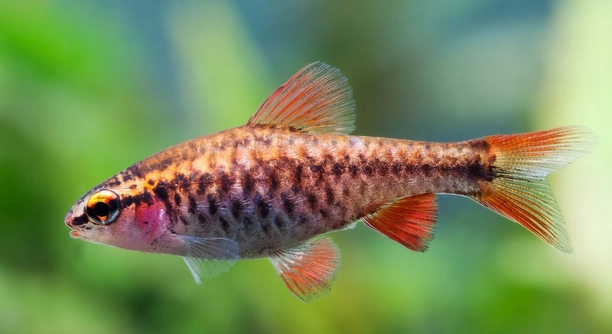
Cherry barbs are a popular freshwater fish among aquarium enthusiasts, known for their vibrant colors and active nature. However, as with many species, understanding their water requirements is key to ensuring they thrive in your tank.
Cherry barbs can tolerate soft water, but they thrive best in slightly acidic to neutral water with moderate hardness. While they can adapt to a range of water conditions, stability is crucial for their overall health.
Maintaining the right water conditions for cherry barbs can prevent stress and health issues, allowing them to flourish in your aquarium. Understanding how soft water impacts them will help you create a balanced environment for these lovely fish.
Understanding Soft Water and Its Effects on Cherry Barbs
Soft water has a low mineral content, typically found in areas with rain or snow runoff. This type of water lacks the minerals like calcium and magnesium that are found in hard water. For cherry barbs, the absence of these minerals can sometimes cause stress, as they prefer water that is slightly harder. However, they can adapt to soft water over time if it is stable and consistent. It’s important to maintain an appropriate pH and temperature to keep the fish healthy and active.
While soft water is not necessarily harmful to cherry barbs, it can present challenges. If the water becomes too acidic or imbalanced, the fish can become stressed. Stress can lead to weaker immune systems and make them more vulnerable to diseases. Ensuring a proper water filtration system is essential to maintaining the stability of the water.
Maintaining the right conditions in your aquarium is crucial for the health of your cherry barbs. Regular water testing can help monitor changes in pH and hardness levels, ensuring the water is suitable for them. With the right care and attention, soft water can be made comfortable for cherry barbs, promoting a healthy and happy environment.
How to Adjust Soft Water for Cherry Barbs
If you’re dealing with soft water in your aquarium, there are ways to make it more suitable for cherry barbs. Adding mineral supplements can help increase water hardness, creating a more balanced environment.
Adding crushed coral or specific aquarium minerals can raise the hardness level, mimicking natural conditions that cherry barbs are more accustomed to. Alternatively, you can use water conditioners designed to adjust pH and hardness. These methods will stabilize the water chemistry and ensure it remains within the optimal range for cherry barbs. Keeping track of the mineral levels in your tank can prevent sudden fluctuations that may cause stress to the fish.
Potential Problems in Soft Water Environments
Soft water can lead to a few problems for cherry barbs, primarily due to its lack of essential minerals. Low mineral content can cause stress, weakening the fish’s immune system. This makes them more vulnerable to diseases and less resilient to water temperature fluctuations.
To avoid these issues, you should regularly monitor water parameters like pH, hardness, and temperature. Cherry barbs thrive in a balanced environment, so any sudden changes can lead to stress or even death. Also, soft water can make it harder for cherry barbs to metabolize nutrients effectively, affecting their overall health. Keeping the water parameters stable will allow the fish to adapt more easily and thrive in your aquarium.
An aquarium with soft water often needs extra care when it comes to filtration. Since soft water tends to be more acidic, it can lead to unwanted chemical imbalances if left unchecked. Cherry barbs may struggle in environments that fluctuate in pH, making routine testing and adjustments necessary for maintaining a safe environment for them.
The Role of pH and Hardness in Soft Water
pH and hardness are closely tied in soft water environments, and understanding how they interact is crucial for cherry barbs. Soft water typically has a lower pH, which means it’s more acidic. While cherry barbs can tolerate slightly acidic conditions, drastic swings in pH levels can be harmful.
To help maintain an appropriate balance, you can use water stabilizers to prevent large fluctuations. Additionally, adding materials like driftwood or almond leaves can naturally lower the pH, keeping it at a level more suitable for cherry barbs. These methods not only maintain a stable environment but also replicate their natural habitat more closely. Regular water testing ensures that the fish are living in conditions that allow them to thrive without constant stress or adjustment.
Water Temperature and Soft Water
Water temperature is just as important as water hardness for cherry barbs. In soft water, temperature fluctuations can be more pronounced, which can lead to stress. Keeping the water at a steady 72–80°F (22–27°C) is essential for their well-being.
A reliable aquarium heater will help maintain the temperature and prevent rapid changes that could affect the fish. When combined with stable pH and hardness levels, maintaining the right temperature ensures cherry barbs feel comfortable and healthy in their environment. Regular monitoring can help prevent temperature-related stress and promote a thriving tank.
Filtration and Soft Water
Filtration plays an important role in soft water environments. Since soft water is more prone to changes in pH and hardness, a good filter helps keep the water clean and stable. It removes waste that could cause dangerous imbalances.
A proper filter should provide both mechanical and biological filtration to maintain the balance of beneficial bacteria in the tank. This will help ensure that the fish are in clean water, reducing the chance of harmful bacteria buildup. A filter also aids in preventing excess organic matter that can affect the water’s chemical makeup, contributing to a healthier tank overall.
Supplementing Soft Water for Cherry Barbs
To create a more balanced environment for cherry barbs, consider adding supplements to raise water hardness. Crushed coral, limestone, or specific mineral supplements can help. These will prevent water from becoming too acidic and provide the necessary minerals for better health.
FAQ
Can cherry barbs live in very soft water?
Yes, cherry barbs can live in soft water, but they generally prefer slightly harder water. Very soft water lacks essential minerals, which can cause stress and health issues in fish. It’s important to monitor the water’s pH and hardness to avoid significant fluctuations that could harm them. While they can adapt to soft water, it’s best to keep the environment stable and balanced for long-term health.
How do I raise the hardness of soft water for cherry barbs?
To raise the hardness of soft water, you can add crushed coral, limestone, or other aquarium minerals to the tank. These materials gradually release calcium and magnesium, which increase the hardness. Alternatively, commercial mineral supplements specifically designed for aquarium use can be added. Make sure to add these gradually and test the water regularly to prevent any sudden changes.
What is the ideal pH for cherry barbs in soft water?
Cherry barbs thrive in slightly acidic to neutral water, with a pH range of 6.5 to 7.5. In soft water, the pH tends to be lower, but it should not drop below 6.0, as this can cause stress. Regularly testing the pH will help maintain stable conditions. If the pH is too low, consider adding buffering agents or materials like coral or crushed shells to raise it gradually.
What are the signs that my cherry barbs are stressed due to soft water?
Signs of stress in cherry barbs include lethargy, faded colors, loss of appetite, and abnormal swimming behavior. They may also hide more than usual or show signs of disease, such as white spots or lesions. Stress can result from fluctuating water parameters, so it’s important to maintain stable conditions. If you notice these signs, check the water hardness, pH, and temperature to ensure they are within the appropriate range.
Do cherry barbs need a heater in soft water?
Yes, cherry barbs benefit from a consistent water temperature, ideally between 72°F and 80°F (22°C to 27°C). In soft water, temperature fluctuations can be more noticeable, so using an aquarium heater will help maintain a steady environment. A reliable heater will prevent temperature shifts that could stress the fish, allowing them to thrive.
Can I keep cherry barbs with other soft water species?
Yes, cherry barbs can live with other soft water species, as long as the water conditions are suitable for both. They are peaceful and can coexist with many other fish that share similar water requirements. Species like tetras, rasboras, and other barbs that prefer soft water can make great tank mates for cherry barbs. Just ensure that the water parameters are kept stable to prevent stress.
Is it safe to use tap water for cherry barbs in soft water tanks?
Tap water can be used, but it often contains minerals and chemicals that may not be ideal for cherry barbs. Some tap water may be too hard or too soft. You should test the water’s pH, hardness, and any chlorine or chloramine levels before adding it to the tank. If necessary, use a water conditioner to treat the tap water before introducing it to your aquarium. Using filtered or dechlorinated tap water will provide a safer environment for your fish.
How often should I test the water for cherry barbs in soft water?
Testing the water regularly is important, especially in soft water environments. It’s recommended to test the water at least once a week to ensure the pH, hardness, and temperature are stable. If you notice any changes in the behavior or appearance of your cherry barbs, test the water more frequently. Consistent testing helps catch problems early and ensures the health of your fish.
Can cherry barbs handle soft water with low pH?
Cherry barbs can handle soft water with a slightly low pH, but it should not drop too much. A pH range between 6.5 and 7.5 is ideal. If the pH becomes too low (below 6.0), it can stress the fish and make them more susceptible to diseases. Use buffering agents or natural materials like driftwood to help maintain a stable pH level in the tank.
How can I reduce the acidity in soft water for cherry barbs?
If the water becomes too acidic, there are a few ways to raise the pH. Adding crushed coral, limestone, or other buffering materials to the substrate or filter will help neutralize the acidity over time. Water conditioners that raise the pH can also be used. Be cautious not to change the pH too quickly, as sudden shifts can cause stress to the fish.
Final Thoughts
Cherry barbs are resilient fish that can tolerate a variety of water conditions, including soft water. However, to ensure they thrive, it’s important to provide a stable and balanced environment. While soft water is not inherently harmful to them, extreme fluctuations in pH or hardness can lead to stress and health issues. Maintaining consistency in water parameters, such as pH, hardness, and temperature, is key to their well-being. By regularly testing and adjusting the water, you can create an environment where your cherry barbs are comfortable and healthy.
If you’re keeping cherry barbs in soft water, consider adding minerals like crushed coral or specific supplements to raise the water hardness. This helps mimic the conditions they prefer in the wild. Additionally, make sure the pH is in the ideal range, which is slightly acidic to neutral. If your soft water is too acidic, adding buffer materials or conditioners can help stabilize it. Even small changes to the water quality can affect the fish, so it’s important to make adjustments slowly to avoid sudden stress. A good filtration system also plays a big role in maintaining the stability of your aquarium’s water.
Overall, cherry barbs are relatively easy to care for as long as their water conditions are properly maintained. Regular monitoring of the water quality, adjusting hardness levels when necessary, and keeping the water temperature stable are the most important steps in ensuring their health. By providing a steady and well-balanced environment, you will have happy and vibrant cherry barbs in your tank. With proper care, they can adapt to soft water and thrive, becoming a colorful and lively addition to your aquarium.

Hello,
If you enjoy the content that we create, please consider saying a "Thank You!" by leaving a tip.
Every little bit helps us continue crafting quality advice that supports the health, happiness, and well-being of pets around the world, for pets of all shapes, sizes, and species.
We really appreciate the kindness and support that you show us!