
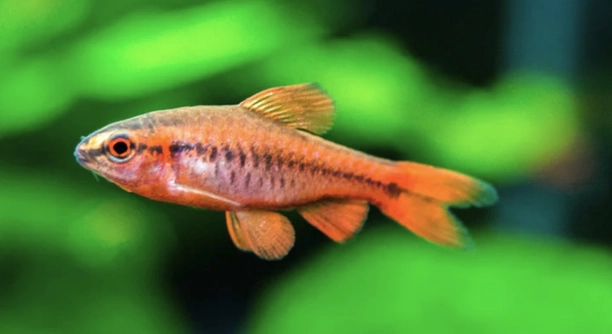
Do your cherry barbs seem a little too nippy, leaving you confused about their sudden burst of aggression? You’re not alone in noticing these tiny, unexpected squabbles in what should be a peaceful tank.
Cherry barbs might nip each other due to stress, overcrowding, mating behavior, lack of hiding spots, poor water conditions, hunger, or establishing dominance. These factors can lead to temporary or ongoing aggression within the group dynamic.
Learning about these reasons can help you create a calm, healthy environment and better understand your cherry barbs’ natural behavior and social needs.
Stress from Environmental Changes
Cherry barbs are sensitive to sudden changes in their surroundings. Moving them to a new tank, a shift in water temperature, or unexpected lighting can cause them to feel unsettled. When stressed, they may act out by nipping others. Even small changes in water parameters can disrupt their behavior. It’s important to keep their tank environment stable and consistent. Use a thermometer and regularly test water for pH, ammonia, nitrites, and nitrates. Adding live plants or decorations can offer comfort and shelter, which helps reduce stress. A calm, predictable space allows them to feel safe and secure.
Consistent water temperature and quiet surroundings help reduce the chances of aggressive behavior triggered by stress. Sudden noise or frequent tank movement can also upset them.
Avoid making too many changes at once. If something in the tank must be adjusted, do it gradually. Introduce changes like new tank mates or décor slowly. Try to maintain a calm environment and dim lighting, especially after a major tank adjustment. These small steps can make a big difference in keeping your cherry barbs relaxed. When they feel safe, they tend to be more peaceful with each other and more active in positive ways. Comfort reduces tension among tank mates.
Overcrowding in the Tank
Too many fish in one tank often leads to cherry barbs nipping each other more frequently. It limits space and increases stress levels quickly.
Each cherry barb needs enough room to swim freely without feeling threatened. A good rule is at least five gallons of water for every three cherry barbs. When there isn’t enough space, they may feel the need to protect their area. This behavior shows up as nipping. In larger groups, space allows them to form a loose school and spread out. This helps lower aggression. It’s also helpful to use tank decorations, plants, and caves to break up the line of sight. That gives fish a way to hide or cool off if they feel stressed. Avoid mixing cherry barbs with fish that are aggressive or too slow, as that can lead to more conflict. When the tank feels spacious and balanced, you’ll likely see less chasing and biting among your fish.
Mating and Breeding Behavior
During mating periods, cherry barbs often display more active and sometimes aggressive behavior. Males may chase or nip at females and even at other males while competing for attention or territory.
Males tend to become more colorful and bold when it’s time to breed. This change often comes with extra energy and competition. If there are not enough females in the tank, males may chase each other or focus all their attention on a single female. This can lead to stress and injury. To reduce this, keep a good male-to-female ratio—ideally one male for every two females. Also, include plenty of plants or hiding spots for females to retreat. A well-decorated tank helps break up aggressive displays and gives everyone space. Monitoring the group during breeding times helps prevent long-term problems caused by repeated nipping or chasing.
Even in peaceful tanks, breeding behavior can stir things up. It’s not always a sign that something’s wrong, but it does need managing. Spawning areas, such as dense plants or spawning mops, help direct this energy. When males have a clear goal and a calm environment, it lowers their need to compete aggressively. Make sure to check for signs of injury and separate individuals if needed to allow them to recover and rest.
Lack of Hiding Spaces
Cherry barbs feel safer when they have places to hide. Without enough cover, they may become nervous, leading to more aggressive behavior toward each other.
A tank with no plants or decorations often leads to fish feeling exposed. This can make them nip or chase to create space or protect themselves. Adding live or silk plants, rocks, or driftwood gives them places to rest and feel less stressed. When fish feel secure, they’re more likely to swim calmly and interact peacefully. Try to place decorations in a way that creates multiple hiding spots and breaks up open space. This allows less dominant fish to avoid conflict and reduces direct line of sight between aggressive ones. It’s a simple step that makes a big difference in how your cherry barbs behave.
Poor Water Conditions
Dirty or unstable water can cause stress in cherry barbs, which often leads to nipping. Ammonia or nitrite spikes, or even a drop in oxygen, can make them uncomfortable and aggressive.
Perform regular water changes and keep filters clean. Use a water test kit weekly to stay ahead of problems.
Hunger or Uneven Feeding
Cherry barbs may nip when food is limited or when some fish consistently eat more than others. Uneven feeding can make more dominant fish act out.
Feed small amounts twice a day and make sure food spreads across the tank. Sinking foods and slow-release feeders can help balance access.
Establishing Dominance
Cherry barbs sometimes nip to show rank within the group. This is more common in smaller tanks or newer groups.
Give them time to adjust to each other. A larger tank with plenty of space can help ease this behavior.
FAQ
Why do cherry barbs nip at each other?
Cherry barbs nip at each other for several reasons, including stress, territorial disputes, breeding behavior, hunger, or overcrowding. Stress can come from water quality issues, environmental changes, or incompatible tank mates. During mating, males may chase and nip each other to compete for the attention of females. Overcrowding leads to a lack of space, which increases competition and aggression. These fish are naturally social but need a balanced environment to avoid stress and aggression.
How can I stop cherry barbs from nipping each other?
To stop cherry barbs from nipping each other, start by ensuring your tank is the right size for the number of fish you have. A crowded tank often leads to aggression, so provide enough space for each fish to swim freely. Keep the water quality consistent with regular maintenance, and make sure the temperature is stable. Introduce plants, rocks, and other decorations to create hiding spots for the fish. Finally, avoid overfeeding and ensure that all fish are getting their fair share of food. These steps will reduce competition and help keep the peace in your tank.
Is it normal for cherry barbs to nip each other?
Some level of nipping can be normal for cherry barbs, especially when establishing a social hierarchy or during mating. However, continuous aggression can indicate underlying issues, such as stress, overcrowding, or inadequate tank conditions. If nipping becomes frequent or results in injury, it’s a sign that something needs to be addressed in the tank setup or fish management.
Can cherry barbs live with other fish?
Yes, cherry barbs can live peacefully with many other fish, especially those of similar size and temperament. They are generally peaceful and social, making them suitable for community tanks. However, avoid keeping them with overly aggressive species or those that might bully them. Good tank mates include other peaceful species like tetras, guppies, or smaller rasboras.
How many cherry barbs should I keep together?
It’s best to keep at least six cherry barbs in a group, as they are schooling fish. A larger group reduces the likelihood of aggressive behavior and makes the fish feel more comfortable. If you keep fewer than six, one or two fish might become more stressed and exhibit more nipping behavior. Ideally, have one male for every two to three females, as this can reduce competition among males.
What’s the ideal tank size for cherry barbs?
For a group of six cherry barbs, a 20-gallon tank is typically the minimum size. This allows them to swim freely and establishes a peaceful environment. A larger tank is even better, as it gives the fish more space to spread out and reduces territorial disputes. Remember that the larger the tank, the more stable the water conditions tend to be.
Do cherry barbs need a heater in their tank?
Yes, cherry barbs are tropical fish that thrive in temperatures between 72°F and 80°F (22°C to 27°C). A reliable heater is necessary to maintain a consistent temperature, especially if you live in an area with fluctuating room temperatures. Sudden temperature changes can cause stress, leading to more aggressive behavior.
How often should I feed my cherry barbs?
Feed your cherry barbs small portions 2-3 times a day. They are omnivores, so provide a balanced diet of high-quality flake food, pellets, and occasional live or frozen foods like brine shrimp or daphnia. Avoid overfeeding, as uneaten food can quickly degrade water quality. Make sure food sinks to the bottom for those less dominant fish that might not get to the surface to eat.
Can I breed cherry barbs in my tank?
Yes, cherry barbs can breed in a home aquarium. To encourage breeding, keep a ratio of one male to every two females and provide plenty of plants and soft water. The males will display brighter colors and chase the females around the tank. Once the eggs are laid, they will hatch in about 24-48 hours. You may want to remove the adults after breeding, as they can eat the eggs or fry.
How can I reduce aggression in a cherry barb tank?
To reduce aggression, ensure there is enough space for each fish to swim without feeling crowded. Provide plenty of hiding spots with plants and decorations to reduce territorial behavior. Regularly monitor water quality and temperature to keep the fish comfortable. Avoid adding too many males, as they can become competitive, especially during mating. Keeping a larger group of fish can help spread out the aggression and allow more peaceful interactions.
Why is my cherry barb acting lethargic?
If your cherry barb is acting lethargic, it could be a sign of illness or stress. Poor water quality, changes in temperature, or inadequate food can cause lethargy. Check water parameters immediately, and if they are off, correct them. If the fish is still lethargic after improving the tank conditions, consider isolating it to observe it more closely. A visit to a veterinarian or an aquarium expert may be necessary if you suspect disease.
Can cherry barbs tolerate low light?
Cherry barbs do well in low to moderate lighting, though they do enjoy having areas with more light. If the tank is too dark, they may not be as active and might feel more stressed. A well-lit tank with hiding spots or shaded areas helps provide balance. Adding plants will also help diffuse light and give the fish a natural environment where they can retreat if needed.
Why do my cherry barbs have torn fins?
Torn fins can be a result of aggression or poor water quality. If one fish is nipping at another, it can cause physical damage. Overcrowding or stress from environmental factors also contribute to fin damage. Check your tank’s setup and fish behavior, and make sure water conditions are ideal. If aggression continues, consider separating more aggressive fish or reducing the tank population.
When it comes to cherry barbs, understanding their behavior is key to keeping them healthy and happy in your tank. Nipping can happen for many reasons, from stress and overcrowding to breeding or territorial disputes. While some nipping is natural, especially during mating, consistent aggression should be addressed to prevent harm to your fish. Ensuring a stable environment with proper water quality, enough space, and hiding spots can reduce the chances of aggression. Providing a good balance of male-to-female ratios and keeping a peaceful community of tank mates also helps create a calm atmosphere.
In addition to managing aggression, it’s essential to provide a balanced diet and regular feeding routine for your cherry barbs. Hunger or competition for food can lead to stress and increase nipping behavior. Overfeeding can be just as harmful as underfeeding, as excess food can degrade water quality and lead to health issues. Aim to feed your fish multiple small meals a day to ensure they get enough nutrients while keeping the water clean and safe. Adding live foods like brine shrimp occasionally can also encourage natural behaviors and keep your cherry barbs active and healthy.
Ultimately, understanding your cherry barbs’ needs and maintaining a consistent tank environment are the most effective ways to prevent unnecessary aggression. Each fish is unique, and while some nipping is part of their natural behavior, it’s important to address any issues early on. By creating a suitable and stress-free environment, you’ll enjoy watching your cherry barbs thrive and interact peacefully with each other. If the nipping becomes more than occasional or leads to injury, re-evaluating the tank setup, adding more hiding spots, or adjusting the fish population can help restore harmony. With a little attention and care, your cherry barbs can live a happy, healthy life in your aquarium.

Hello,
If you enjoy the content that we create, please consider saying a "Thank You!" by leaving a tip.
Every little bit helps us continue crafting quality advice that supports the health, happiness, and well-being of pets around the world, for pets of all shapes, sizes, and species.
We really appreciate the kindness and support that you show us!