
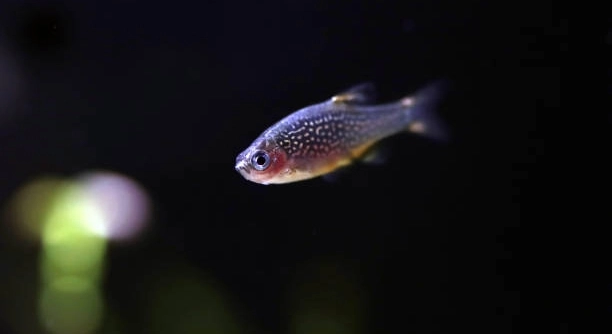
Celestial Pearl Danios are small, colorful fish admired for their shimmering scales and peaceful nature. Many hobbyists enjoy keeping them in home aquariums, but understanding their habitat needs is essential for maintaining their health and longevity.
Celestial Pearl Danios cannot thrive in brackish water, as they are strictly freshwater fish. Exposure to elevated salinity can stress their physiology, damage delicate tissues, and compromise overall health, making a stable freshwater environment necessary for their survival.
Learning the ideal conditions for these delicate fish will help ensure they live longer, healthier lives while maintaining their vibrant colors and active behavior in your aquarium.
Understanding Celestial Pearl Danios’ Natural Habitat
Celestial Pearl Danios originate from freshwater streams and small rivers in Myanmar, where water is soft, clear, and slightly acidic. They thrive in densely planted areas with hiding spots provided by rocks, driftwood, or aquatic vegetation. These fish are adapted to stable freshwater environments and delicate water chemistry, which supports their immune system and vibrant coloration. Any sudden change in water composition, including salinity, can stress them, making them more susceptible to disease. Observing their natural habitat helps recreate a suitable home aquarium. Filtration, temperature, and water parameters should mimic their native environment as closely as possible. Even minor fluctuations in pH or hardness can affect their activity levels and appetite. Maintaining clean water through regular changes is essential. Providing plenty of space and enrichment reduces stress and promotes natural behavior, like shoaling and foraging. Protecting their environment ensures their long-term health and visual appeal.
Freshwater is essential for Celestial Pearl Danios, as even low levels of salt can harm them.
Creating a stable aquarium involves careful monitoring. Water should be tested regularly, and filtration must be efficient. Adding live plants and hiding spaces replicates their native habitat, giving them comfort and security. Proper temperature and gentle water flow are important. Avoiding salt or brackish mixes prevents stress, ensuring healthy growth, proper coloration, and active swimming. Small schools of five to ten fish are ideal, as they are social and feel safe in groups. Feeding a balanced diet of high-quality flakes, micro-pellets, and occasional live or frozen food supports overall well-being. Monitoring behavior and signs of stress, such as clamped fins or loss of appetite, allows early intervention. Long-term care requires attention to water quality, diet, and environmental enrichment to maintain their natural behaviors. Consistency in maintenance helps prevent disease outbreaks and supports reproduction if desired. Observing these factors carefully ensures Celestial Pearl Danios thrive in a home aquarium, retaining both health and beauty.
Risks of Brackish Water Exposure
Even minimal salt in water can be harmful to these freshwater fish.
Exposure to brackish water can lead to osmotic stress in Celestial Pearl Danios. Their bodies are not equipped to regulate internal salt levels, which can result in dehydration, organ strain, and weakened immune function. Prolonged contact with brackish water can cause fin deterioration, skin damage, and increased susceptibility to infections. Behavioral changes, including lethargy or erratic swimming, are common signs of stress. Attempting to acclimate them to brackish conditions is not recommended, as their survival rate decreases significantly. Instead, maintaining proper freshwater conditions ensures stability, allowing them to exhibit natural behaviors and vibrant coloration. Safe care practices include regular water testing, avoiding sudden changes, and providing a planted, calm environment. By respecting their freshwater needs, hobbyists can prevent health issues and create an optimal setting for these delicate fish to flourish, keeping them active and visually striking for years.
Acclimating Celestial Pearl Danios
Gradual acclimation to stable freshwater is essential when introducing Celestial Pearl Danios to a new tank. Sudden changes in temperature, pH, or hardness can stress them, affecting their health and behavior. Careful monitoring ensures a smooth transition.
To acclimate, float the sealed bag in the tank for 15–20 minutes to equalize temperature. Slowly add small amounts of tank water to the bag every five minutes for about an hour. This process allows the fish to adjust to water chemistry gradually. Avoid rushing, as rapid changes can cause shock. Observing their behavior during acclimation helps identify stress signs like rapid gill movement or clamped fins, allowing early intervention. Patience during this process increases survival rates and supports healthy adaptation.
After acclimation, place them gently into the aquarium with a net to avoid sudden exposure. Keep the lighting dim initially to reduce stress, and provide hiding spots near the tank edges. Feeding should begin lightly after a few hours once they settle. Maintaining stable parameters and a calm environment encourages natural activity, shoaling, and proper feeding habits. Regular observation during the first few days ensures they are adjusting well. Consistency in water changes, temperature, and diet supports long-term health and vibrant coloration, preventing stress-related issues.
Monitoring Water Parameters
Water quality directly impacts Celestial Pearl Danios’ survival and well-being. Consistent checks are necessary to prevent harmful fluctuations in temperature, pH, or hardness.
Ideal water conditions include a temperature between 22–26°C (72–79°F), pH of 6.5–7.5, and soft to moderately hard water. Ammonia, nitrite, and nitrate levels should be kept near zero, as even small concentrations can stress the fish. Regular partial water changes of 20–25% weekly maintain clean, stable water. Filtration should provide gentle flow to mimic their natural streams without causing agitation. Testing kits allow precise tracking of water chemistry, helping prevent sudden spikes that could compromise health.
Observing water parameters is equally important for identifying potential disease risks. Sudden shifts in pH or hardness can weaken their immune system, increasing susceptibility to fungal or bacterial infections. Temperature instability affects metabolism, appetite, and activity levels. Even minor fluctuations in ammonia or nitrite can lead to lethargy, fin clamping, or gasping at the surface. Maintaining consistent parameters with careful monitoring ensures the fish remain active, healthy, and visually vibrant. Combining proper filtration, partial water changes, and plant coverage reduces stress and promotes a thriving aquarium environment for Celestial Pearl Danios.
Signs of Stress in Celestial Pearl Danios
Stress in Celestial Pearl Danios can appear quickly if water conditions or environment are unsuitable. Common signs include clamped fins, erratic swimming, loss of appetite, and hiding more than usual. Early detection is key to preventing long-term health issues.
Behavioral changes often indicate environmental problems. Lethargy, pale coloration, or gasping at the water surface are warning signs. Stress may result from poor water quality, sudden parameter shifts, or aggressive tank mates. Regular observation helps identify these issues promptly.
Feeding Guidelines
Provide a balanced diet that includes high-quality flakes, micro-pellets, and occasional live or frozen foods. Small portions several times a day prevent overfeeding and maintain water quality. Avoid large amounts that may decay and pollute the tank.
Tank Mates Considerations
Celestial Pearl Danios are peaceful and do best with other small, non-aggressive fish. Avoid larger or territorial species that may harass them. Suitable tank mates include small rasboras, tetras, and shrimp. Proper selection reduces stress and promotes natural social behavior.
Maintaining Plant Life
Live plants improve water quality and provide shelter. Hardy species like Java moss or Anubias offer hiding spots, enhance oxygen levels, and create a comfortable environment for the fish to thrive.
Can Celestial Pearl Danios survive in brackish water?
No, Celestial Pearl Danios cannot survive in brackish water. They are strictly freshwater fish, and exposure to salt or elevated salinity can cause stress, organ strain, and even death. Maintaining a freshwater environment is essential for their health, growth, and vibrant coloration.
What is the ideal water temperature for Celestial Pearl Danios?
The ideal water temperature ranges between 22–26°C (72–79°F). Consistency is important, as sudden changes can stress the fish and affect feeding, activity, and immune function. Using a reliable aquarium heater and thermometer helps maintain stable temperatures.
What pH level is best for Celestial Pearl Danios?
A pH of 6.5–7.5 is optimal. Slightly acidic to neutral water mirrors their natural habitat, supporting proper physiological function. Regular testing and adjustments prevent harmful shifts that can weaken their immune system or cause behavioral changes.
How often should I change the water?
Partial water changes of 20–25% weekly are recommended. This maintains clean water, removes toxins, and prevents spikes in ammonia, nitrites, or nitrates. Consistent water maintenance supports overall health and minimizes stress-related illnesses.
Can they live with other fish?
Yes, but they should be kept with small, peaceful species. Suitable tank mates include small rasboras, tetras, and shrimp. Avoid aggressive or large fish that may harass or outcompete them for food, as this can cause stress and injury.
What signs indicate stress or illness?
Clamped fins, pale coloration, lethargy, erratic swimming, hiding excessively, and loss of appetite are common indicators. Stress may result from poor water quality, sudden parameter changes, or unsuitable tank mates. Observing these behaviors early allows prompt corrective action.
How should I feed Celestial Pearl Danios?
Feed small portions multiple times daily. High-quality flakes, micro-pellets, and occasional live or frozen foods provide a balanced diet. Overfeeding should be avoided to prevent water pollution and related health problems. Observation ensures all fish are eating properly.
Do they need plants in the tank?
Yes, live plants improve water quality, offer hiding spots, and provide comfort. Hardy species such as Java moss, Anubias, or floating plants create natural shelters and reduce stress, encouraging natural behavior and healthier activity levels.
How many should I keep together?
They are shoaling fish and should be kept in groups of at least five to ten. Being in a small school reduces stress, promotes social behavior, and allows them to exhibit natural swimming patterns.
Can Celestial Pearl Danios breed in captivity?
Yes, they can breed in freshwater aquariums under stable, clean conditions. Providing fine-leaved plants or spawning mops gives them a safe place to lay eggs. Separation of adults after spawning prevents predation on fry.
What should I do if water parameters fluctuate?
If fluctuations occur, take immediate action to stabilize temperature, pH, and hardness. Partial water changes, careful monitoring, and removing pollutants help reduce stress. Sudden corrections should be avoided to prevent shock, as gradual adjustments are safer.
Is lighting important for their health?
Moderate lighting that simulates natural day and night cycles is ideal. Too much light can stress them, while too little affects plant growth and reduces activity. Timers can ensure consistent cycles and maintain a healthy environment.
How do I prevent disease in Celestial Pearl Danios?
Maintaining clean water, stable parameters, and a balanced diet is key. Quarantine new fish before introducing them, avoid overcrowding, and monitor for unusual behavior. Prompt intervention when symptoms appear reduces the risk of outbreaks.
Can they tolerate slightly hard water?
Yes, they can tolerate soft to moderately hard water. Sudden changes in hardness should be avoided, as it can stress their system. Maintaining stability in water composition is more important than exact hardness levels.
How do I acclimate new fish to the tank?
Float the sealed bag for 15–20 minutes to equalize temperature. Gradually add small amounts of tank water every five minutes for an hour. Carefully net and release fish into the tank, providing dim lighting and hiding spots during the first hours.
Are they sensitive to tank decorations?
They prefer smooth surfaces and dense plants. Sharp or rough decorations can injure delicate fins. Rocks and driftwood are fine if edges are smoothed, as these provide natural shelter while minimizing risk of harm.
Do they require supplemental oxygen?
With proper filtration and moderate water flow, additional oxygen is not usually necessary. Live plants help maintain oxygen levels naturally, and surface agitation improves gas exchange. Monitoring for gasping is important to detect low oxygen conditions early.
How long do Celestial Pearl Danios live?
They typically live 3–5 years with proper care. Maintaining stable freshwater conditions, a balanced diet, and a stress-free environment supports longevity. Regular observation and maintenance prevent premature illness or death.
Is tank size important for their well-being?
Yes, a minimum of 20 gallons is recommended for a small school. Adequate space reduces stress, promotes natural swimming, and allows proper social interactions. Overcrowding increases aggression and deteriorates water quality.
Can I use tap water for their tank?
Tap water is fine if treated to remove chlorine and chloramine. Conditioning water prevents chemical exposure, which can harm their gills and overall health. Testing water parameters ensures suitability before introducing the fish.
How do I maintain their vibrant coloration?
A balanced diet, clean water, proper lighting, and low stress levels are crucial. Stress, poor nutrition, and fluctuating water parameters can dull colors. Providing enrichment and social interactions supports natural brilliance in scales and fins.
Are they compatible with shrimp and snails?
Yes, small invertebrates like shrimp and snails are safe tank mates. They coexist peacefully and can help with algae control. Ensure hiding spots for both fish and invertebrates to reduce stress.
Do they require a lid on the aquarium?
A lid is recommended to prevent jumping, as these fish are active and may leap when startled. Proper ventilation ensures oxygen exchange while keeping the aquarium secure.
Can they tolerate cooler water for short periods?
Slightly cooler water may be tolerated briefly, but prolonged exposure below 22°C (72°F) can reduce activity, appetite, and immunity. Maintaining stable, suitable temperatures is critical for long-term health.
Are Celestial Pearl Danios good for community tanks?
Yes, in peaceful, compatible setups. They do well with other small, non-aggressive species. Monitoring interactions and avoiding overly territorial fish ensures a harmonious environment and minimizes stress.
How often should I clean the tank?
Weekly partial water changes and monthly substrate cleaning are recommended. Avoid deep cleaning that disrupts beneficial bacteria, as maintaining the biological balance is essential for water quality and fish health.
Can stress affect breeding success?
Yes, stressed fish are less likely to spawn successfully. Stable conditions, low stress, proper diet, and hiding spots are essential for encouraging breeding behavior and protecting eggs from predation.
Is it necessary to test water daily?
Daily testing is not required, but weekly monitoring of pH, ammonia, nitrite, and nitrate is essential. Frequent observation ensures early detection of harmful changes and allows corrective measures before health issues arise.
Do they require a varied diet?
Yes, variety supports overall health, growth, and coloration. Combining flakes, micro-pellets, and occasional live or frozen food prevents nutrient deficiencies and encourages natural foraging behavior.
Can they survive without plants?
They can survive, but plants provide shelter, reduce stress, improve oxygen levels, and encourage natural behavior. A planted environment is more comfortable and healthier than a bare tank.
Is water flow important for them?
Moderate water flow is ideal, replicating their natural stream habitat. Too strong a current stresses the fish, while stagnant water can reduce oxygen levels and affect swimming behavior.
Do they recognize other members of their school?
Yes, they are social and often swim together in coordinated groups. Staying in a small school reduces stress, promotes security, and allows natural shoaling behavior.
How can I tell if my fish are healthy?
Active swimming, bright coloration, regular feeding, and smooth fins are signs of health. Any changes in behavior, appetite, or appearance indicate potential stress or illness that should be addressed promptly.
Are they suitable for beginners?
Yes, with basic knowledge of freshwater care, proper tank size, and stable parameters, they are manageable for beginners. Attention to water quality and diet is essential for long-term success.
Can they tolerate a small amount of salt for treatment?
While some treatments use minimal salt, Celestial Pearl Danios are sensitive. Only use salt under careful guidance and proper dosage, as excessive amounts can be harmful or fatal.
Do they need a hiding spot at night?
Yes, providing plants or decorations allows them to feel secure. Sheltered areas reduce stress and mimic their natural environment, supporting restful behavior during nighttime.
Can they live in a small desktop tank?
A very small tank limits swimming space and social interaction. A minimum of 20 gallons is recommended to maintain health, reduce stress, and allow shoaling behavior to occur naturally.
Is it safe to mix them with goldfish?
No, goldfish are larger, messy, and may outcompete or stress Celestial Pearl Danios. Differences in temperature and water requirements make this combination unsuitable for long-term health.
How do I treat common diseases?
Early detection is critical. Quarantine affected fish, maintain optimal water conditions, and use appropriate medications. Preventive care through stable water, balanced diet, and minimal stress reduces disease incidence.
Are they sensitive to lighting changes?
Yes, abrupt lighting changes can stress them. Gradual transitions and consistent day-night cycles help maintain normal behavior, feeding, and overall well-being.
Do they need a specific substrate?
Fine gravel or sand is preferred. Smooth substrate reduces risk of injury, supports plant growth, and allows natural foraging without damaging delicate fins or barbels.
Can they tolerate fluctuating pH?
No, sudden pH changes can stress their system. Stability is more important than exact values, and gradual adjustments are necessary if changes are required.
What is the best filtration system for them?
Gentle, reliable filtration is ideal. Sponge or hang-on-back filters provide adequate flow without creating strong currents that may stress the fish while maintaining water quality.
How do I prevent fin damage?
Avoid sharp decorations, aggressive tank mates, and overcrowding. Providing plenty of space, plants, and smooth surfaces reduces the risk of torn fins and stress-related injury.
Are they sensitive to temperature swings at night?
Yes, significant nighttime drops can reduce activity and immunity. Stable, consistent temperatures day and night ensure proper metabolism and long-term health.
Can they tolerate tap water without treatment?
Not directly. Chlorine and chloramine must be neutralized using water conditioners. Untreated tap water can damage gills, impair immunity, and cause long-term health problems.
How do I encourage natural shoaling behavior?
Keep them in groups of five or more, provide open swimming areas, and minimize stressors. Social interaction is essential for confidence, activity, and overall well-being.
Is regular observation necessary?
Yes, monitoring behavior, feeding, and appearance allows early detection of stress or illness. Timely intervention supports health, coloration, and longevity in the aquarium environment.
Do they require supplemental feeding for color enhancement?
A balanced diet naturally supports vibrant colors. Occasional live or frozen foods can enhance coloration, but over-supplementation is unnecessary if nutritional needs are met.
Can they adapt to new tank setups quickly?
Gradual acclimation is required. Sudden changes in water, temperature, or environment can stress them. A slow introduction with observation ensures successful adaptation without health risks.
Are they sensitive to vibrations or noise?
Yes, excessive vibrations or loud noise near the tank can cause stress. Placing the aquarium in a quiet, stable area helps maintain calm and reduces erratic behavior.
Can they coexist with bettas?
They may coexist cautiously, but bettas can be territorial. Providing ample space and hiding spots reduces conflict. Observation is necessary to ensure peaceful interactions.
Is substrate cleaning essential for their health?
Yes, regular cleaning removes waste, prevents toxin buildup, and maintains water quality. Careful cleaning preserves beneficial bacteria while keeping the tank safe for the fish.
Do they require specialized equipment?
No specialized equipment beyond a heater, gentle filter, and water testing tools is required. Standard freshwater aquarium setups with plants and hiding spots are sufficient for thriving fish.
Can stress impact their lifespan?
Yes, chronic stress shortens lifespan, dulls coloration, and increases susceptibility to disease. Stable water conditions, proper diet, and peaceful tank mates are essential to reduce stress and support longevity.
Are they good for planted tanks?
Yes, they thrive in planted tanks. Plants provide shelter, reduce stress, improve water quality, and encourage natural behaviors like foraging and shoaling.
How do I safely remove them for tank maintenance?
Use a soft net to minimize injury. Move fish gently into a temporary container with water from the tank. Avoid abrupt handling and maintain water temperature consistency.
Can they tolerate sudden light changes?
No, abrupt lighting changes can cause stress. Gradual transitions help maintain natural behavior, feeding patterns, and reduce the risk of shock.
What is the best way to introduce new tank mates?
Quarantine new fish, observe for disease, and gradually introduce them into the aquarium. Monitoring interactions ensures compatibility and reduces aggression or stress.
Are they sensitive to overcrowding?
Yes, overcrowding increases aggression, stress, and waste buildup. Adequate tank size and proper group size are crucial for health, natural behavior, and water quality.
Do they require hiding places at all times?
Yes, constant access to hiding spots reduces stress, provides comfort, and encourages natural behavior. Plants, rocks, or driftwood work effectively.
Can they tolerate minor water hardness changes?
Minor changes are acceptable, but stability is more important. Sudden shifts can stress their system, affecting health and activity.
Are they affected by sudden noise near the tank?
Yes, loud or sudden noise can startle them, leading to stress or injury. Keeping the aquarium in a quiet area ensures calm and natural behavior.
Can they live in tanks without filtration?
Technically possible in very small numbers with frequent water changes, but filtration is strongly recommended for maintaining water quality, oxygenation, and overall health.
Is proper schooling important for health?
Yes, schooling reduces stress, promotes security, and allows natural social behavior. Small groups of five or more ensure comfort and well-being.
Do they need consistent feeding times?
Yes, regular feeding schedules support metabolism, reduce stress, and maintain activity levels. Irregular feeding can lead to competition or health issues.
Can they tolerate mild algae growth?
Yes, mild algae is not harmful and provides foraging opportunities. Excessive growth should be controlled to prevent water quality issues and oxygen depletion.
How do I safely acclimate multiple fish at once?
Use separate bags or containers to prevent overcrowding. Gradually mix tank water into each container, then release fish gently, providing hiding spots and dim lighting initially.
Are they sensitive to air exposure during transfers?
Yes, prolonged exposure to air stresses gills and can be fatal. Transfers should be brief, using water-filled nets or containers to keep them submerged.
Can they thrive in low-light tanks?
They can survive in low light, but moderate lighting encourages natural activity, plant growth, and coloration. Extremely low light may reduce feeding and movement.
Do they require a specific diet to prevent fin rot?
No specific diet prevents fin rot alone. Maintaining clean water, stable parameters, and a balanced diet reduces stress and susceptibility to infections.
Can they tolerate fluctuating ammonia levels?
No, even minor ammonia spikes are harmful. Maintaining zero ammonia levels through testing and regular water changes is essential for survival and health.
Are they suitable for nano tanks?
Only in very small groups with strict maintenance. Minimum 20 gallons is preferred to allow swimming space, stable parameters, and natural social behavior.
Do they prefer open swimming areas or densely planted zones?
Both are needed. Open areas allow shoaling and exercise, while plants and decorations provide hiding spots, reducing stress and promoting natural behavior.
How important is water clarity?
Clear water is crucial for health and behavior. Cloudy or polluted water can indicate poor quality, stress the fish, and promote disease. Regular filtration and water changes maintain clarity.
Can they live in cooler climates without heaters?
Not comfortably. Water below 22°C (72°F) can slow metabolism and compromise immunity. A stable heater ensures proper temperatures year-round.
Is daily observation necessary?
Yes, daily checks for behavior, appetite, and appearance allow early detection of problems. Prompt action prevents illness, stress, and long-term health issues.
Do they require soft or hard water?
Soft to moderately hard water is ideal. Extreme hardness or sudden changes can stress them and affect growth, coloration, and behavior.
How can I tell if water conditions are harmful?
Behavioral signs like lethargy, clamped fins, pale coloration, or gasping indicate poor water conditions. Testing parameters confirms chemical imbalances or toxins.
Are they sensitive to tank vibrations?
Yes, strong vibrations or sudden movements can stress them. Positioning the tank in a stable, low-traffic area minimizes disturbances and promotes calm behavior.
Do they need supplemental oxygenation devices?
Typically not if the tank is well-planted and filtered with moderate flow. Surface agitation and plant oxygenation usually suffice for healthy respiration.
Can they tolerate mild temperature fluctuations?
Minor fluctuations may be tolerated briefly, but consistent temperature is essential. Repeated or extreme changes compromise immunity and overall health.
How do I maintain proper tank hygiene?
Perform regular water changes, clean substrate, avoid overfeeding, and maintain filtration. Balancing cleanliness with bacterial stability prevents disease and promotes a healthy environment.
Are they prone to specific diseases?
They are susceptible to common freshwater ailments like ich, fin rot, and fungal infections if stressed or water quality is poor. Early detection and proper care reduce risk.
Can they coexist with snails?
Yes, small snails are compatible and can assist with algae control. Avoid aggressive snail species or overcrowding, which may disturb the fish.
Do they need substrate for foraging?
Yes, fine gravel or sand allows natural foraging behavior, supporting mental stimulation and reducing stress while keeping them engaged in the tank.
Is overfeeding a concern?
Yes, excess food pollutes water, promotes harmful bacteria, and causes obesity or digestive problems. Feeding small portions prevents these issues while supporting growth and color.
**Can stress
Celestial Pearl Danios are delicate freshwater fish that require careful attention to water conditions, diet, and social environment. Maintaining a stable freshwater tank with the right temperature, pH, and hardness is essential for their health. Sudden changes in water chemistry or exposure to brackish water can cause stress, weaken their immune system, and even lead to death. Providing a well-maintained environment with clean water, proper filtration, and consistent monitoring ensures that these small fish thrive and maintain their vibrant coloration. Observing their behavior and appearance regularly allows early detection of potential issues, such as signs of stress, illness, or dietary deficiencies. This proactive approach is critical for long-term care, helping Celestial Pearl Danios remain active, healthy, and visually striking.
A balanced diet is equally important for these fish. High-quality flakes and micro-pellets form the foundation of their nutrition, while occasional live or frozen foods add variety and stimulate natural foraging behavior. Overfeeding must be avoided, as excess food can pollute the water and create harmful conditions. Providing multiple small feedings per day supports digestion and reduces competition among the group. Maintaining a social group of at least five to ten fish allows them to display natural shoaling behavior, reducing stress and promoting activity. Hiding spots and plants in the aquarium further enhance comfort, providing shelter and mimicking their natural habitat. With these basic care requirements met, Celestial Pearl Danios can exhibit lively, confident behavior, swimming actively and interacting with other peaceful tank mates.
Long-term care involves consistent attention to water quality, feeding, and tank setup. Regular partial water changes, gentle filtration, and monitoring of ammonia, nitrite, and nitrate levels are critical for sustaining a safe environment. Stable temperature and moderate lighting help maintain activity and coloration while reducing stress. Avoiding aggressive or overly large fish ensures that Celestial Pearl Danios are not harassed or threatened. Providing a planted, enriched environment allows them to explore and engage in natural behaviors, such as shoaling and foraging. With patience, consistency, and careful observation, these freshwater fish can thrive in a home aquarium, displaying their full range of colors and lively activity. Proper care ensures that Celestial Pearl Danios remain healthy, resilient, and enjoyable to watch for many years.

Hello,
If you enjoy the content that we create, please consider saying a "Thank You!" by leaving a tip.
Every little bit helps us continue crafting quality advice that supports the health, happiness, and well-being of pets around the world, for pets of all shapes, sizes, and species.
We really appreciate the kindness and support that you show us!