
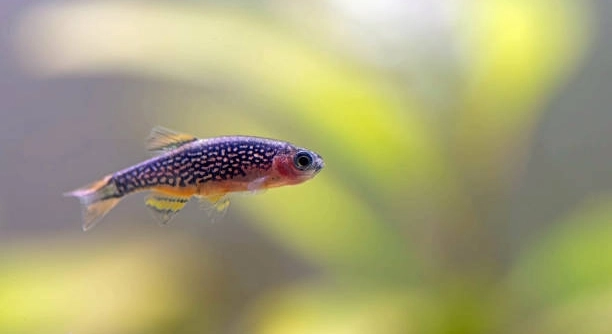
Do you ever wonder how to create a more natural and comfortable environment for your danios? Leaf litter can transform a simple tank into a vibrant, healthy space that mimics their natural habitats and supports their well-being.
Leaf litter provides multiple benefits in danio tanks, including water chemistry stabilization, microbial growth for natural feeding, shelter for fry, stress reduction, and enhancement of tank aesthetics. Its use promotes a balanced and sustainable aquatic environment.
Understanding how leaf litter influences your tank can improve your fish’s health, behavior, and overall ecosystem stability. Incorporating it thoughtfully ensures a thriving and visually appealing aquarium.
Natural Shelter for Danios
Leaf litter creates hidden spaces that danios can explore and hide within. These natural hiding spots reduce stress by allowing fish to feel secure when resting or avoiding stronger tank mates. Over time, this leads to calmer, healthier fish that display more natural behaviors.
Providing shelter with leaf litter encourages danios to explore more confidently, improving their overall activity and reducing aggression within the tank.
In addition to stress relief, leaf litter supports fry and smaller fish that need protection from larger tank mates. It mimics the conditions found in rivers and streams, offering shaded areas and gentle cover. Leaves gradually break down, creating small pockets of detritus that serve as microhabitats for microorganisms. These microorganisms can provide an additional natural food source. Even the smallest details, such as slight overlaps of leaves or partially submerged pieces, give the fish opportunities to dart, hide, or rest. Over time, the litter forms a soft substrate layer, enhancing tank complexity without requiring artificial decorations. The natural materials also reduce stark contrasts in the tank, making it visually calmer for the fish and more visually pleasing for the observer.
Water Chemistry Benefits
Leaf litter naturally influences the water’s chemistry, helping to stabilize pH levels and soften water conditions for danios. This creates a more suitable and consistent environment for sensitive fish.
The organic compounds released during leaf decomposition support beneficial bacteria, which aid in breaking down waste. Over time, this promotes clearer water and a healthier tank ecosystem, reducing the need for frequent chemical adjustments. The presence of tannins can slightly tint the water, but this is harmless and actually mimics natural river habitats. Regularly adding a small amount of leaf litter and replacing decayed leaves helps maintain these water chemistry benefits. The overall effect is a more balanced, natural aquatic environment that supports danio health and encourages natural feeding behaviors.
Promotes Microbial Growth
Leaf litter encourages the growth of beneficial bacteria and microorganisms that support a healthy tank ecosystem. These microbes help break down waste, providing a natural filtration system and contributing to a balanced aquatic environment for danios.
Microbial colonies develop on and around decomposing leaves, creating a rich food source for danios, especially fry. These microorganisms are essential in cycling nutrients, reducing harmful ammonia and nitrite levels, and supporting overall water quality. By introducing leaf litter, you are adding more than decoration—you are creating a microhabitat that sustains both the fish and the microscopic life that keeps the tank balanced. Over time, this contributes to healthier fish, clearer water, and a more stable environment, reducing the need for heavy chemical intervention. The gradual decay process also releases trace nutrients into the water, benefiting plants and other aquatic life.
Regularly adding leaf litter maintains this microbial balance. Leaves should be replaced as they fully decompose to prevent excess buildup. Observing how the litter changes over time can help gauge the tank’s ecological health. With consistent care, microbial growth supports the tank’s natural filtration, enhances food availability, and encourages healthier, more active danios throughout their environment.
Natural Food Source
Decomposing leaf litter provides tiny organisms and biofilm that danios can graze on throughout the day. This natural food source supplements regular feeding and encourages foraging behavior.
The microorganisms and detritus forming on leaf litter are highly nutritious for danios and other small fish. Fry particularly benefit from this steady supply of natural food, which helps them grow stronger and more resilient. Over time, the leaves release nutrients into the water, fostering algae and microbial communities that the fish can feed on. This creates a self-sustaining food network within the tank. By including leaf litter, the tank environment mimics the natural habitats of danios, promoting instinctual foraging behaviors. Regularly refreshing the leaves ensures the food source remains abundant while preventing excessive decay that could negatively affect water quality. This method reduces reliance on processed foods while supporting healthier, more active fish that display natural feeding habits.
Reduces Stress
Leaf litter creates shaded areas and hiding spots that make danios feel safer. Reduced exposure to open spaces helps lower stress levels and encourages calmer behavior in the tank.
Stress reduction also minimizes aggressive interactions among fish. By providing natural cover, the tank feels more secure, supporting overall health and longevity for the danios.
Enhances Tank Aesthetics
Leaf litter adds a natural, visually appealing layer to the tank substrate. It introduces earthy tones and textures that mimic rivers and streams, giving the aquarium a more authentic look. Over time, decaying leaves create subtle color variations and gentle tannin release, which enhances the tank’s depth and overall ambiance, making it a relaxing environment for both the fish and the observer. The natural appearance complements plants and decorations, creating a balanced, cohesive setup. By combining leaf litter with other elements, the tank gains visual interest while supporting ecological health.
Supports Fry Survival
Leaf litter provides critical shelter for fry, protecting them from larger fish and giving them a safe space to grow.
FAQ
What type of leaves are safe to use in danio tanks?
Leaves from oak, beech, and Indian almond trees are popular choices. These leaves decompose slowly, release beneficial tannins, and do not contain harmful chemicals. Avoid leaves from treated plants, or any that have pesticides, as these can harm fish and disrupt tank balance. Dried leaves are preferred, as fresh ones may introduce unwanted pathogens or mold.
How many leaves should I add to my tank?
A small layer covering 10–20% of the tank substrate is usually sufficient. Too many leaves can alter water chemistry too quickly or increase debris buildup. Start with a few pieces and observe how your danios respond. You can gradually add more if needed, ensuring the tank remains visually open while providing adequate shelter and microhabitats.
How often should leaf litter be replaced?
Leaves should be replaced when they fully decompose and break into tiny pieces. This usually takes 4–6 weeks, depending on water conditions. Removing decayed leaves prevents excessive detritus buildup, which could reduce water quality. Replacing them gradually allows beneficial microbes to continue thriving without sudden disruption.
Can leaf litter affect water color?
Yes, decomposing leaves release tannins, giving the water a light brown or tea-like tint. This is harmless for danios and can mimic their natural habitats. Tannins may slightly lower pH, which many danios tolerate well. If desired, activated carbon in the filter can reduce water coloration, but many hobbyists prefer the natural look.
Will leaf litter attract unwanted pests?
Occasionally, snails or small insects may appear on decomposing leaves. While some snails are harmless, excess pests can overpopulate the tank. Inspect leaves before adding them and rinse lightly. Regular maintenance, including partial water changes, helps manage potential pests and prevents them from taking over the tank.
Does leaf litter impact filtration?
Leaf litter can slightly clog mechanical filters if too many leaves are added or they are not trimmed. Using a gentle sponge pre-filter or adjusting water flow helps prevent issues. Beneficial bacteria that develop on the leaves actually complement filtration, improving biological balance in the tank while providing natural cleaning support.
Is leaf litter safe for all fish in a community tank?
Most peaceful species benefit from leaf litter, especially small or shy fish. Aggressive fish may uproot leaves or use them for territory, but generally, leaves create calmer conditions. Always observe interactions in a mixed tank and adjust placement or quantity if certain fish are overly disturbed or stressed.
Can I use artificial leaves instead?
Artificial leaves do not decompose or provide microbial growth, which reduces their ecological benefits. They may offer some shelter, but they lack the nutritional and water chemistry advantages of real leaves. For the healthiest tank ecosystem, real leaf litter is recommended.
How should I prepare leaves before adding them?
Rinse leaves thoroughly to remove dirt and small pests. Boiling or soaking in dechlorinated water for 10–15 minutes can help soften them and release excess tannins, reducing sudden water coloration. Once prepared, leaves can be added directly to the tank, providing immediate shelter and a surface for beneficial microbes.
Can leaf litter help with breeding danios?
Yes, leaf litter offers hiding spots and microhabitats for fry, increasing survival rates. The decomposing leaves also support microorganisms that fry can feed on, creating a self-sustaining environment. Including leaf litter during breeding encourages natural behavior and reduces stress for both adults and fry.
Are there any risks to using leaf litter?
Overuse or poor maintenance can increase ammonia or nitrite levels. It is important to monitor water parameters regularly and replace leaves before full decay. Using leaves responsibly ensures a healthy balance between natural benefits and water quality, keeping danios safe and thriving.
How do I remove old leaves safely?
Use a net or tongs to gently lift decomposed leaves, minimizing disruption to the substrate and other tank inhabitants. Partial removal is fine, leaving some older leaves to maintain microbial growth. Dispose of fully decayed leaves in a compost or trash system rather than flushing them.
Can leaf litter support plants?
Yes, as leaves break down, they release nutrients like potassium and trace elements that plants can absorb. This natural fertilization supports growth and reduces the need for chemical supplements, making it easier to maintain planted tanks while providing ecological benefits for fish and microorganisms alike.
Will leaf litter make cleaning the tank harder?
Some additional maintenance is required, but careful observation and partial leaf replacement prevent major issues. Leaves act as microhabitats, so gently siphoning around them is usually sufficient. Over time, incorporating leaf litter becomes part of the tank routine, offering long-term benefits with minimal extra effort.
Can I combine different types of leaves?
Yes, mixing leaves like oak and beech can provide a richer environment. Different leaves decompose at varying rates, supporting diverse microbial growth. This variety also enhances aesthetics, creating natural textures and subtle water color changes while benefiting danios and other tank inhabitants.
How do I know if my danios like the leaves?
Healthy, active fish exploring and resting among the leaves indicate acceptance. Fry hiding and feeding on microorganisms from the litter is another positive sign. Behavioral changes, such as reduced stress or calmer schooling, demonstrate that the leaf litter is enhancing their habitat effectively.
What if the water becomes too acidic?
If tannins lower pH too much, partial water changes or adding buffering substrates can restore balance. Most danios tolerate slightly acidic water, but monitoring pH ensures conditions remain safe. Adjusting the number of leaves added at once also helps prevent drastic shifts.
Can I compost the used leaves?
Yes, fully decomposed leaves removed from the tank can be added to compost. They enrich soil with organic matter and nutrients. Avoid leaves contaminated with chemicals or heavy tank residues to ensure safe use in gardens or compost bins.
How do I store unused leaves?
Keep leaves dry in a cool, dark place. Store them in sealed containers or paper bags to prevent mold and insect infestation. Proper storage maintains their quality and readiness for future use in the tank without introducing contaminants.
Can leaf litter be used in all water types?
Leaf litter works in both soft and moderately hard water. Extremely hard or highly alkaline water may reduce tannin effects. Testing water regularly ensures optimal conditions, while selecting suitable leaves helps maintain consistent results across different tank setups.
Are there alternatives to leaf litter for similar benefits?
Driftwood or peat can provide some tannins and shelter, but they lack the microbial richness of decomposing leaves. For a balanced ecosystem, leaf litter remains the simplest and most effective option for natural shelter, feeding, and water chemistry support.
How long can a leaf last in the tank?
Depending on water flow and microbial activity, leaves can last several weeks to a few months. Thicker leaves like oak or beech decompose slowly, providing long-term shelter and nutrients. Monitor the tank and replace leaves as needed to maintain balance without overwhelming the system.
Does leaf litter affect water clarity?
Tannins may slightly color the water, creating a warm, natural hue. This does not harm danios and can reduce stress. Regular monitoring ensures leaves decompose gradually, maintaining clarity while still delivering ecological benefits and a visually appealing environment.
Can I use leaves in a planted tank?
Yes, leaf litter complements live plants by providing nutrients as they break down. The decomposing matter encourages beneficial bacteria that support plant roots, while also offering shelter and microhabitats for fish, creating a harmonious ecosystem within the aquarium.
Leaf litter is a simple yet highly effective addition to a danio tank. It provides natural shelter, encourages microbial growth, and creates a more authentic habitat that closely mimics the environments danios experience in the wild. Adding leaves is not just about decoration; it has measurable benefits for the overall health and behavior of the fish. Danios feel safer with shaded areas and hiding spots, which reduces stress and aggression. These calmer conditions allow them to display more natural behaviors, such as schooling, foraging, and resting without constant alertness. Over time, leaf litter transforms a plain tank into a dynamic and balanced ecosystem that supports both the fish and the microorganisms that live within it.
The benefits of leaf litter go beyond shelter. Decomposing leaves release organic matter that promotes microbial colonies, which act as a natural filtration system and help maintain water quality. These microorganisms also serve as a nutritious food source for fry and smaller fish, supporting their growth and development. Tannins released by the leaves slightly tint the water and can lower pH, but this is generally safe for danios and can even help reduce stress. Leaf litter also supports live plants by slowly releasing nutrients into the water. When used thoughtfully, it becomes a natural, sustainable method to improve the tank’s ecological balance without relying on artificial chemicals or supplements. By maintaining a regular routine of leaf replacement and monitoring water parameters, the tank can remain healthy while still providing these natural advantages.
Incorporating leaf litter into a danio tank is a straightforward and low-maintenance practice that offers multiple benefits. It enhances the tank visually by adding natural textures and earthy tones while supporting essential biological processes that keep the environment stable. Fish of all sizes, from fry to adults, gain protection and additional feeding opportunities, which leads to better overall health. Using the right type and amount of leaves ensures that water conditions remain safe and balanced. With regular care, leaf litter can improve the life of your danios while creating a visually appealing and ecologically healthy tank. It is a simple, natural, and effective way to support both the physical and behavioral needs of your fish, making the aquarium a healthier and more engaging place for them to thrive.

Hello,
If you enjoy the content that we create, please consider saying a "Thank You!" by leaving a tip.
Every little bit helps us continue crafting quality advice that supports the health, happiness, and well-being of pets around the world, for pets of all shapes, sizes, and species.
We really appreciate the kindness and support that you show us!