
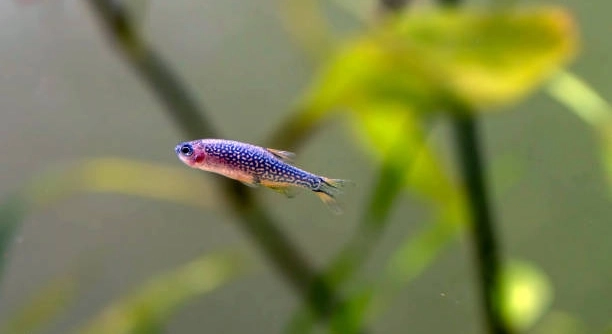
Danio fry are delicate and require a safe environment to grow. Providing the right conditions in your aquarium can make a noticeable difference in their survival rates. Healthy fry need more than just food to thrive.
Certain aquatic plants such as Java moss, hornwort, and water sprite offer shelter, oxygenation, and protection from predators. These plants create hiding spaces, reduce stress, and improve water quality, increasing the chances of Danio fry surviving their early stages.
Knowing which plants to include can transform your aquarium into a nurturing space. Choosing the right vegetation ensures your Danio fry have a strong start in life.
Java Moss
Java moss is one of the most reliable plants for Danio fry. Its dense, thread-like structure provides countless tiny hiding spots, reducing the risk of fry being eaten by adult fish. It also absorbs excess nutrients, helping to maintain cleaner water. Over time, Java moss creates a natural, safe area where fry can explore and grow without constant threats. It is very low-maintenance, tolerates a wide range of temperatures, and adapts to different lighting conditions. Many aquarists use it as a primary breeding plant because it encourages fry to stay in one area, making feeding easier. Its ability to trap microfauna also provides an additional natural food source for young fry. Java moss can be attached to rocks, driftwood, or left free-floating. This flexibility allows it to fit various aquarium setups. With consistent care, Java moss supports fry development while keeping the tank visually appealing.
Java moss is resilient and grows quickly, providing a continuous safe zone for fry. Its adaptability makes it ideal for beginners.
Its fine structure and fast growth create natural shelters that encourage fry to hide and feed. Regular trimming helps maintain density and prevent overcrowding, ensuring the fry have enough space. It also reduces algae formation by competing for nutrients. Aquarists often notice improved survival rates when Java moss is included, as the fry remain calmer and healthier. Its presence indirectly supports the aquarium’s ecosystem by offering areas for microorganisms to thrive, which the fry can consume. Placement near gentle water flow areas ensures oxygen circulation without disturbing the moss. Overall, Java moss serves both functional and aesthetic purposes, making it a staple for breeding tanks and general fry care.
Hornwort
Hornwort provides a fast-growing, leafy environment suitable for fry protection. Its bushy stems make excellent hiding spots.
Its rapid growth helps absorb nitrates and other waste, improving water quality. Hornwort can float or be anchored, offering versatility in tank design.
Hornwort is ideal for tanks where constant cleaning is challenging. Its leaves trap small food particles, giving fry easy access to nutrition. The plant also reduces water flow intensity in certain areas, allowing fry to swim without stress. It grows well in different water conditions and does not require substrate, making it a low-effort addition. Frequent trimming prevents overgrowth while maintaining hiding areas. Hornwort’s natural structure mimics shaded areas in rivers and streams, promoting instinctive behavior in fry. In combination with other plants, it creates a layered habitat, supporting survival and growth. Aquarists notice that fry often gather around hornwort, feeding and resting safely within its foliage, highlighting its importance in early-life care.
Water Sprite
Water Sprite grows quickly and offers excellent cover for Danio fry. Its feathery leaves create small spaces for hiding while filtering the water and reducing waste accumulation.
The plant can be rooted or left floating, giving flexibility in tank setup. Fry find shelter among its leaves, staying safe from larger fish. Its dense foliage also traps tiny food particles, allowing fry to feed naturally. Water Sprite improves oxygenation and water circulation, creating a healthier environment. It is easy to maintain, tolerates a wide range of water conditions, and adapts to both low and high lighting. Its presence reduces algae growth and provides visual appeal while maintaining a functional habitat for young fry. Many aquarists rely on Water Sprite as a primary plant for breeding tanks because it balances protection and feeding opportunities.
Regular pruning keeps the plant from overtaking the tank while maintaining hiding spaces. Its natural movement in water encourages fry to explore, feed, and grow safely.
Water Sprite thrives in both cold and tropical tanks, making it versatile for different setups. Anchored or floating, it provides a layered habitat that supports fry development. By absorbing excess nutrients, it reduces the likelihood of water quality problems, which can stress young fish. Its dense structure encourages fry to stay in one area, making feeding easier. Combining it with other plants like Java moss or hornwort enhances protection and natural microhabitats. Water Sprite also helps maintain consistent oxygen levels and stabilizes the tank’s ecosystem. Regular trimming ensures the plant does not block light or overcrowd the tank. Its fast growth and adaptability make it a practical choice for creating a nurturing, safe environment for Danio fry.
Amazon Frogbit
Amazon Frogbit floats on the surface, creating shade and protection below. Its broad leaves reduce light intensity and offer hiding spots for fry.
This floating plant slows water movement, allowing fry to swim comfortably without stress. Its roots hang down, providing additional cover and trapping microfauna that fry can feed on. Amazon Frogbit helps stabilize temperature at the surface and absorbs nutrients that could otherwise fuel algae growth. The plant is low-maintenance, requiring minimal care beyond occasional thinning to prevent overcrowding. Many aquarists use it to create a natural-looking surface canopy, giving fry a sense of security while maintaining water quality. Its shading effect reduces stress in fry, encouraging feeding and exploration below.
Fry often congregate beneath Amazon Frogbit, using the dangling roots for shelter. These roots serve as a miniature food source by harboring tiny organisms. The floating leaves shade the tank, which slows algae development and helps maintain more stable water temperatures. Amazon Frogbit adapts well to various lighting and water conditions, making it reliable for both beginner and experienced aquarists. Its placement at the surface creates multiple vertical layers in the tank, enhancing fry protection and feeding zones. When combined with rooted plants, it forms a well-rounded environment that supports growth and reduces risks from adult fish. Regular thinning prevents overcrowding while maintaining effective shelter and easy access to microfauna for the fry.
Duckweed
Duckweed floats on the water surface, offering shade and reducing light intensity in the tank. Its small size makes it easy for fry to hide beneath the leaves, creating a safer environment.
This plant reproduces quickly, forming dense coverage that helps fry avoid larger fish. Duckweed also absorbs excess nutrients, limiting algae growth and keeping water conditions stable for young fry.
Water Wisteria
Water Wisteria has finely divided leaves that provide excellent hiding spots for fry. Its fast growth ensures constant shelter and contributes to cleaner water by absorbing excess nutrients. Regular trimming maintains proper density, preventing overcrowding while keeping spaces accessible.
Cabomba
Cabomba’s feathery leaves create a secure environment for Danio fry. It helps reduce stress, offers protection from predators, and traps small particles for natural feeding. This plant thrives in moderate lighting and stable water conditions. Regular maintenance ensures healthy growth and effective shelter.
FAQ
Which aquatic plant is best for hiding Danio fry?
Java moss is often the first choice because of its dense, thread-like structure. It provides countless tiny hiding spots that protect fry from adult fish. Its adaptability to various tank conditions and low maintenance make it suitable for beginners and experienced aquarists alike.
Can floating plants like Amazon Frogbit really protect fry?
Yes, Amazon Frogbit floats on the surface, creating shade and reducing water flow below. Its dangling roots offer extra cover and trap microorganisms that fry can feed on, while its broad leaves help maintain stable water conditions.
Is Duckweed helpful for fry survival?
Duckweed grows quickly and provides shade, reducing light intensity in the tank. Fry can hide beneath its small leaves, and it absorbs excess nutrients, limiting algae growth and helping maintain stable water conditions.
Do hornwort or Cabomba improve water quality for fry?
Hornwort and Cabomba both absorb nutrients efficiently, which reduces the buildup of nitrates. They also provide dense foliage for hiding spaces and trap microfauna, giving fry additional feeding opportunities while minimizing stress from adult fish.
How often should I trim these plants?
Trimming depends on the plant and tank size. Java moss, water wisteria, and Cabomba grow quickly, and regular pruning keeps them from overcrowding the tank while maintaining enough hiding space for fry. Duckweed and Amazon Frogbit may also need thinning to prevent dense surface coverage.
Can these plants survive in low light tanks?
Java moss, hornwort, and water wisteria tolerate low to moderate light levels, while Amazon Frogbit and Duckweed require slightly higher light for growth. Adjusting placement and ensuring indirect light helps maintain healthy plants in lower light conditions.
Do these plants require special substrate?
Most of these plants are adaptable. Java moss, hornwort, and Cabomba can be anchored to rocks or driftwood. Water Sprite, Amazon Frogbit, and Duckweed do not require substrate and can float freely, making them easy to incorporate into different tank setups.
Will these plants affect water temperature?
Floating plants like Amazon Frogbit and Duckweed provide surface coverage, which can help moderate small temperature fluctuations. Rooted plants like Cabomba and water wisteria have less impact but contribute indirectly by improving water quality and oxygenation, helping fry thrive.
Are these plants safe for other tank inhabitants?
Yes, these plants are generally safe for other peaceful fish. However, dense plant growth may reduce swimming space for larger fish, so it is important to balance plant density with tank inhabitants’ needs.
Can these plants improve fry feeding?
Many of these plants trap microfauna and small food particles, creating natural feeding spots for fry. Java moss, hornwort, Cabomba, and floating plants like Amazon Frogbit provide areas where fry can forage safely, supporting growth and development.
Do I need to add fertilizers for these plants?
Most of these plants grow well without additional fertilizers if the tank has a balanced ecosystem and sufficient nutrients from fish waste and food. Occasional supplementation can boost growth, especially for Cabomba and water wisteria in tanks with minimal natural nutrients.
How do I prevent algae while using these plants?
Fast-growing plants like water wisteria, hornwort, and Duckweed compete with algae for nutrients, reducing algae growth naturally. Regular maintenance, proper lighting, and avoiding overfeeding also help control algae while keeping fry habitats safe and healthy.
Can multiple plant types be used together?
Yes, combining different plants creates a layered habitat. Floating plants provide shade, dense rooted plants offer hiding spaces, and mosses supply microfauna. This mix encourages fry to explore, feed, and stay protected while maintaining water quality effectively.
Are these plants difficult to maintain for beginners?
Most are beginner-friendly. Java moss, hornwort, and Duckweed are low-maintenance, requiring minimal care. Water Sprite and Cabomba need occasional pruning, and floating plants may require thinning. With consistent monitoring, even novice aquarists can keep a thriving tank for Danio fry.
How quickly do these plants grow?
Growth rates vary: Duckweed and Amazon Frogbit reproduce rapidly, covering surfaces in days. Water Sprite and hornwort grow fast and need regular trimming. Java moss grows slower but steadily, while Cabomba and water wisteria offer consistent growth under good light and nutrient conditions.
Can these plants help reduce fry mortality?
Yes, providing shelter, hiding spaces, and food sources reduces stress and predation risks. Dense foliage encourages natural behavior, supports feeding, and creates a safer environment, significantly increasing the chances of fry surviving their early development stages.
Is it necessary to use all seven recommended plants?
Not all seven are required, but using a mix of floating, rooted, and moss-type plants maximizes protection, feeding opportunities, and water quality. A balanced combination tailored to tank size and conditions offers the best environment for Danio fry.
What is the best placement strategy for these plants?
Floating plants go near the surface to create shade. Java moss and hornwort can be attached to rocks or driftwood, while water wisteria, Cabomba, and Water Sprite can be rooted in substrate or left partially floating. Spacing ensures hiding areas without overcrowding the tank.
How often should I monitor fry in planted tanks?
Daily observation is ideal. Check that fry have access to hiding spaces, food, and clean water. Monitor plant growth, trim when necessary, and ensure tank conditions remain stable to support healthy fry development and survival.
Final Thoughts
Providing the right aquatic plants can make a significant difference in the survival of Danio fry. Plants like Java moss, hornwort, and Cabomba offer essential hiding spaces that reduce stress and protect fry from adult fish. Their dense foliage allows fry to explore, feed, and grow in a safer environment. Fast-growing floating plants such as Amazon Frogbit and Duckweed provide surface coverage, shade, and additional shelter. They help maintain water quality by absorbing excess nutrients and limiting algae growth, creating a more stable habitat. Including a variety of plant types ensures multiple layers of protection, from the substrate to the water surface. Each plant contributes differently: mosses trap microfauna for natural feeding, rooted plants offer vertical shelter, and floating plants create shaded zones that help fry regulate their activity and energy. A combination of these plants not only supports survival but also encourages natural behavior and growth in young Danio fry.
Maintaining a planted tank does not require complex equipment or excessive effort. Many of the recommended plants are low-maintenance and adaptable to a range of water conditions and lighting levels. Regular trimming and monitoring are sufficient to prevent overcrowding and ensure proper water flow. By keeping plants healthy, aquarists indirectly support water quality and oxygen levels, which are critical for fry development. Even beginner aquarists can create an effective breeding or fry tank by focusing on a few fast-growing, resilient plants. Over time, the tank environment becomes more balanced, reducing the risk of sudden changes that could harm fry. Observation is key: fry behavior, plant health, and water clarity provide valuable information about the tank’s overall condition. Adjustments such as relocating plants, thinning floating foliage, or anchoring mosses are simple steps that improve safety and comfort for the fry without complicating routine maintenance.
Choosing the right plants is only part of the process, but it sets the foundation for healthier, more resilient fry. A planted tank encourages feeding, shelter, and natural movement while helping maintain cleaner water. Fry benefit from both visible protection among leaves and subtle support from nutrient absorption and oxygenation. By combining fast-growing and low-maintenance plants, aquarists create a tank environment that reduces mortality and promotes growth. Over time, the presence of plants can turn an ordinary aquarium into a structured, safe, and sustainable habitat where fry thrive. Attention to plant selection, placement, and upkeep ensures that the young Danio have space to develop freely while minimizing stress and predation. Consistency in care and observation helps maintain these benefits, giving the fry a stronger start and supporting long-term success in the aquarium.

Hello,
If you enjoy the content that we create, please consider saying a "Thank You!" by leaving a tip.
Every little bit helps us continue crafting quality advice that supports the health, happiness, and well-being of pets around the world, for pets of all shapes, sizes, and species.
We really appreciate the kindness and support that you show us!