
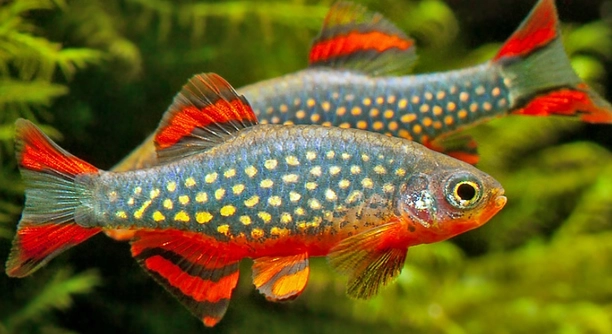
Many aquarists enjoy watching danios swim energetically around their tanks. These small, lively fish thrive when their environment encourages movement and exploration. Creating the right setting can significantly impact their activity levels and overall well-being.
Danios remain active when their microhabitat includes varied structures, open swimming spaces, and hiding spots. Incorporating live plants, floating elements, and gentle water currents stimulates natural behavior, reduces stress, and promotes consistent exercise within the aquarium environment.
Learning how to adjust tank features can improve danios’ daily routines and vitality. Small changes in decor and layout often have a noticeable effect on their activity.
Varied Swimming Zones
Creating distinct swimming zones in a danio tank encourages movement and exploration. I like to place open areas near the center while keeping edges lined with plants or decorations. These zones give the fish choices: they can swim freely, dart through plants, or rest near hiding spots. Danios often use these spaces differently depending on mood, time of day, or water flow. By observing their behavior, you can see which areas they favor and adjust the layout. Even small changes, like moving a rock or plant, can spark activity. Adding floating elements can also create new paths or shaded areas that make swimming more interesting. Alternating high and low plant density promotes natural patterns. Providing varied depths, with some tall plants and shorter foreground plants, adds vertical movement. Danios respond to contrast, so combining open spaces with cozy corners helps maintain steady motion. Overall, thoughtful zoning balances freedom with security, encouraging healthy, consistent activity throughout the tank.
A few strategically placed swimming zones can transform a tank. Danios explore more and use different areas, keeping them active and engaged.
Adjusting tank zones is simple but effective. Observing danios reveals preferred areas, which allows small changes in layout to create variety. Floating plants or rocks add new paths, while varying plant height encourages movement. These adjustments maintain mental stimulation and physical exercise, helping them thrive.
Hiding Spots and Shelter
Hiding spots provide security and reduce stress. Danios feel safer and are more willing to explore when they know shelter is nearby.
Adding caves, tunnels, or dense plants encourages natural behavior. I include small rock formations and hollow decorations that allow fish to swim through or rest inside. Dense plants, like Java fern or anacharis, give cover while still letting light filter through. Danios often alternate between hiding and swimming freely, which keeps them active without feeling threatened. Multiple shelters spaced around the tank prevent territorial disputes and allow several fish to find space at once. Even subtle changes, like rotating a decoration or moving a plant, can renew interest. Fish explore their environment more thoroughly when shelters are varied in size, shape, and location. Combining open swimming zones with nearby hiding spots creates balance: the tank feels safe yet engaging. Maintaining clean, unobstructed shelters ensures they remain inviting. Ultimately, thoughtfully placed hiding spots support physical activity, reduce stress, and contribute to the overall health of the danios in the aquarium.
Gentle Water Flow
Gentle currents mimic natural streams and rivers. Danios enjoy swimming against a mild flow, which keeps them active and encourages healthy muscle development.
I use a small filter or adjustable powerhead to create light water movement. The current shouldn’t be strong enough to exhaust the fish but should provide enough resistance to promote consistent swimming. Positioning plants and rocks can direct flow paths, allowing danios to choose different routes. Flow near the surface or mid-level encourages vertical and horizontal movement. Observing how fish interact with currents helps adjust placement. Some danios dart quickly through stronger areas, while others prefer calmer spots nearby. Changing flow occasionally maintains interest. Water movement also improves oxygenation, which contributes to overall vitality. A well-planned current system ensures exercise without stress.
Maintaining a gentle water flow benefits both activity and health. Danios use the current to explore, interact with plants, and practice natural swimming behaviors. It adds mental stimulation while supporting fitness.
Floating and Surface Features
Floating plants create shaded areas and break up the water’s surface, encouraging exploration. Danios often swim under or around these plants, which stimulates movement and curiosity.
I like to place floating plants like duckweed or frogbit in clusters, leaving open spaces for swimming. Danios weave through leaves and stems, which helps prevent boredom. These plants also diffuse light, making the tank feel dynamic. Small surface decorations, like lightweight logs or leaves, add similar effects. Fish respond to surface changes by adjusting their swimming patterns, often darting or gliding beneath obstacles. Floating features also provide temporary cover and reduce stress while encouraging vertical movement. Changing the arrangement periodically keeps the environment engaging. Danios interact with these features naturally, which improves both activity and overall well-being.
Balancing floating elements with open swimming areas maximizes tank usability. By combining shaded patches, open water, and occasional obstacles, danios maintain steady activity while feeling secure in their environment.
Varied Substrate Textures
Using different substrate textures encourages natural foraging and exploration. Danios respond to sand, gravel, or smooth stones by investigating each area, which keeps them active.
Mixing fine sand with small pebbles or smooth gravel adds visual interest. Fish will swim along these areas, sometimes nudging or sifting through the substrate. This variation stimulates movement, curiosity, and natural behavior patterns.
Live Plants
Live plants improve water quality while promoting activity. Danios swim among stems and leaves, which provides both cover and exercise opportunities.
Plants like anacharis, java fern, and hornwort offer vertical and horizontal swimming options. Danios weave through dense areas and use open patches for quick bursts of movement. Observing fish in planted zones shows more exploration, less stress, and more interaction with the environment. Live plants also compete with algae, keeping the tank cleaner. Their presence creates a dynamic space where fish adapt constantly, maintaining interest and encouraging consistent physical activity. Incorporating live plants benefits both health and behavior, supporting a more natural, stimulating habitat.
Light and Shade
Alternating light and shaded areas encourages exploration. Danios move between bright and dim spots, maintaining activity naturally.
How often should I change the water to keep danios active?
Regular water changes are essential to maintain clean, healthy conditions that encourage movement. I usually replace 20-25% of the water weekly. Consistent water quality prevents stress and lethargy, helping danios explore their environment more freely. Stale or dirty water can reduce activity and lead to health problems.
Can I use decorations to stimulate swimming without stressing my fish?
Yes, simple decorations like rocks, caves, and driftwood provide points of interest without overwhelming danios. I arrange these carefully to leave plenty of open space for swimming. Adding too many obstacles or blocking flow can make fish hesitant, so balance is key. Decorations also create visual variety, encouraging natural movement patterns.
Do danios need a specific temperature to stay active?
Danios are most active in water between 72°F and 78°F. Maintaining stable temperatures is important. Sudden drops or spikes in temperature can reduce energy levels and make them hide. Using a reliable heater and thermometer helps me monitor the environment and maintain consistent activity levels.
Are certain tank mates better for encouraging danio activity?
Yes, peaceful schooling fish like other danios or small tetras complement activity levels. Aggressive or much larger fish can intimidate danios, causing stress and hiding. I prefer choosing tank mates of similar size and temperament to promote swimming, exploration, and natural behaviors without unnecessary competition or anxiety.
Will adding live plants really increase movement?
Absolutely. Plants create vertical and horizontal pathways that danios explore, increasing activity. I often include Java fern, anacharis, and hornwort to provide varying densities. Fish weave through stems, dart around leaves, and sometimes use plants as resting spots, which adds stimulation and encourages natural exercise.
How important is water flow for keeping danios active?
Gentle currents mimic natural rivers, encouraging exercise without fatigue. I use a small filter to create light flow and position plants to guide water paths. Danios often swim against the flow, improving fitness, exploring routes, and maintaining consistent activity throughout the tank.
Do floating plants help danios move more?
Yes, floating plants like duckweed or frogbit create shaded areas and slight obstacles, prompting exploration. Danios swim under, around, or through them, which encourages vertical and horizontal movement. Changing plant arrangement occasionally keeps interest high and provides dynamic interaction with the tank environment.
How does substrate affect activity?
Varied substrate textures encourage foraging and exploration. Sand, gravel, and smooth stones provide tactile interest. Danios sift, nudge, and swim over different surfaces, which maintains natural behaviors and promotes subtle exercise. I like mixing fine sand with small pebbles to create engaging zones that invite constant movement.
Can light and shade influence danio activity?
Yes, alternating bright and shaded areas encourages exploration. I use floating plants or decorations to create soft shadows, and fish naturally move between light and dark spaces. This variation stimulates curiosity, increases movement, and reduces stress, making their swimming patterns more dynamic and consistent.
Is it necessary to rearrange tank elements for stimulation?
Occasional rearrangement prevents boredom. I move plants, decorations, or rocks every few weeks, creating new paths and hiding spots. Danios respond quickly, exploring changed areas and increasing their activity. Small, thoughtful changes maintain a stimulating environment without causing stress, ensuring fish remain lively and engaged.
How does tank size impact activity?
Larger tanks provide more swimming space, which encourages constant movement. I recommend at least 20 gallons for a small group of danios. More room allows open zones, hiding spots, and varied zones for exploration, all of which promote natural behavior, exercise, and mental stimulation.
Do danios need specific feeding routines to stay active?
Regular, balanced feeding supports energy levels. I feed small amounts two to three times daily rather than one large meal. This encourages natural foraging behavior, keeps them moving around the tank, and prevents sudden bursts of lethargy caused by overfeeding or inconsistent nutrition.
Can stress reduce activity even in a well-planned tank?
Yes, stress from overcrowding, poor water quality, or incompatible tank mates can reduce movement. Observing danios’ behavior allows early detection of stress. I adjust conditions, clean the tank, and ensure proper space to maintain activity and overall health.
Is water quality monitoring necessary for active danios?
Constant monitoring is key. Parameters like ammonia, nitrite, nitrate, and pH influence energy levels. I test weekly and adjust as needed. Stable, clean water promotes swimming, reduces hiding, and encourages interaction with the environment, keeping danios lively and healthy.
How does temperature fluctuation affect daily activity patterns?
Sudden temperature changes can make danios sluggish or stressed. Maintaining a stable range ensures consistent energy. I notice that fish are more active during stable periods, exploring plants, swimming zones, and surface areas naturally throughout the day.
Can enrichment items like small floating toys be used?
Yes, lightweight floating items or leaf litter can encourage movement. Danios investigate these new objects, dart around them, and sometimes interact socially. Occasional enrichment promotes curiosity, prevents boredom, and stimulates exercise while maintaining a calm environment.
Do danios benefit from schooling behavior for activity?
Absolutely. Danios are social swimmers, and schooling encourages coordinated movement. I keep at least six together so they chase, follow, and mimic each other’s swimming patterns. Social interaction maintains higher activity levels than isolated fish.
How long should danios be observed daily to track activity?
Short daily observation sessions of 10-15 minutes help identify changes in movement, stress, or health. I watch their interaction with zones, plants, and flow to adjust tank features, feeding, and layout to maintain consistent activity.
Does feeding live or frozen food increase movement?
Yes, live or frozen foods like brine shrimp or daphnia trigger natural hunting behavior. Danios dart, chase, and explore the tank while foraging, providing bursts of exercise and mental stimulation beyond standard flake or pellet feeding.
Can seasonal changes affect activity levels?
Minor seasonal temperature shifts or light duration can influence movement. I adjust lighting and monitor water temperature to compensate. Maintaining stable conditions year-round ensures danios continue swimming actively, exploring their environment, and interacting naturally without sudden drops in energy.
Are there signs that activity levels are too low?
Yes, lethargy, hiding, or lack of interaction with plants and swimming zones indicates low activity. I check water quality, tank layout, and social dynamics to identify causes. Prompt adjustments help restore normal movement and maintain fish health.
Does tank maintenance impact activity?
Regular maintenance, like cleaning substrate, trimming plants, and checking filters, supports active behavior. I schedule weekly upkeep to prevent buildup of debris or algae, ensuring danios remain energetic and responsive to their environment.
Is enrichment necessary even in planted tanks?
Yes, even well-planted tanks benefit from occasional rearrangement or added obstacles. Changing plant clusters, adding floating items, or repositioning rocks keeps danios exploring and moving, preventing stagnation and supporting consistent physical and mental activity.
How does stocking density influence activity?
Appropriate density is crucial. Too few danios reduce schooling behavior, while overcrowding causes stress. I maintain a balance where fish have space to swim, explore, and interact naturally, which promotes sustained activity without aggression or anxiety.
Can adjusting light cycles affect movement?
Yes, a regular day-night cycle promotes consistent activity. I keep lights on for 10-12 hours and dark for the rest. Predictable lighting encourages exploration during active periods and restful behavior during darkness, supporting natural rhythms and healthy exercise.
Do water parameters like pH and hardness affect activity?
Stable pH and moderate hardness support energy levels. Sudden changes make fish sluggish or stressed. I maintain pH around 6.5-7.5 and moderate hardness, ensuring danios swim actively, explore zones, and interact with their environment consistently.
Can environmental changes be gradual to prevent stress?
Yes, small, gradual adjustments are better. Whether rearranging plants, adding features, or changing flow, slow changes allow danios to adapt without stress. Gradual modifications maintain curiosity and activity while reducing the risk of hiding or lethargy.
How often should decorations be rotated or changed?
Every few weeks, I move decorations or add minor features. Danios explore new paths, revisit hiding spots, and respond to changes with increased activity. Rotating elements periodically prevents boredom while maintaining a secure and stimulating habitat.
Are there behavioral signs that a danio tank is stimulating enough?
Active swimming, schooling, frequent exploration, and interaction with plants or decor indicate adequate stimulation. I notice fish moving through all zones, darting around floating plants, and using hiding spots regularly. These behaviors show that the environment supports physical and mental activity effectively.
Do tank lighting and brightness affect danio activity?
Moderate lighting encourages movement without causing stress. Bright or harsh light can make fish hide, while dim lighting may reduce exploration. I adjust brightness to highlight zones and create shadows, promoting natural swimming patterns and consistent activity.
Is it better to introduce multiple features at once or gradually?
Gradual introduction is best. Adding several features at once can overwhelm danios. I prefer introducing one or two items, letting fish explore and adapt, then adding more later. This approach maintains curiosity, prevents stress, and encourages continuous activity.
Can regular observation improve activity management?
Yes, watching danios daily helps identify preferences and behavior patterns. I adjust zones, flow, and plant density based on observed activity, ensuring the environment remains stimulating, balanced, and supportive of natural movement.
Do all danios respond the same way to microhabitat changes?
No, individual fish have unique tendencies. Some explore more, while others prefer hiding. I observe each danio and adjust zones, flow, and shelter accordingly to ensure all fish remain active and comfortable, supporting both individual and group activity patterns.
How do I know if the tank setup is optimal for swimming?
Active, curious, and consistent swimming across zones indicates a well-balanced tank. Fish should explore plants, use hiding spots, swim against gentle currents, and interact socially. Observing these behaviors shows that the environment supports exercise, mental stimulation, and overall well-being effectively.
Does water temperature affect feeding-related activity?
Yes, proper temperature ensures fish have energy for foraging. I keep water within 72-78°F, which encourages chasing live or frozen food. Fish exhibit bursts of movement during feeding, stimulating exercise and natural hunting behaviors while maintaining overall activity throughout the day.
Can I use occasional rearrangement to prevent boredom?
Yes, small changes like moving plants or decorations renew interest. Danios explore altered spaces, increasing activity. I rotate elements every few weeks, maintaining curiosity, engagement, and exercise without introducing stress or disrupting their established swimming routines.
How can I tell if enrichment is sufficient?
If fish explore open spaces, weave through plants, interact socially, and respond to gentle currents or floating elements, enrichment is adequate. Consistent movement, curiosity, and natural behavior show that the microhabitat successfully stimulates physical and mental activity in danios.
Are there natural ways to encourage daily activity?
Yes, combining swimming zones, gentle flow, varied substrate, hiding spots, and live plants promotes daily exploration. Adjusting light, floating elements, and decorations gradually maintains interest. Feeding live or frozen food provides exercise bursts. These combined measures keep danios consistently active and healthy.
Can changes in tank water chemistry reduce activity quickly?
Yes, spikes in ammonia, nitrite, or nitrate can make danios lethargic or stressed. I monitor water parameters weekly and adjust filtration or perform partial water changes as needed. Maintaining stable chemistry ensures ongoing activity and supports general health.
Do danios respond to social dynamics in the tank?
Yes, they are naturally schooling fish. Balanced groups encourage chasing, following, and synchronized swimming. I maintain a minimum group of six danios to promote social behavior, which increases movement, exploration, and overall engagement with the tank environment.
How long should new decorations remain before moving again?
At least a few weeks allow fish to explore and adapt. I watch for repeated use of paths and hiding spots, then make minor adjustments. Gradual change maintains activity while keeping the environment predictable enough to reduce stress.
Are all types of substrate equally stimulating?
No, varied textures like sand mixed with small gravel create more interest. Danios investigate differences in feel and structure, sifting or swimming along surfaces. This subtle variation encourages exploration and contributes to natural activity patterns.
Can current placement affect which fish stay active?
Yes, flow positioning influences swimming. Fish may use mid-level or surface currents differently. I place plants and rocks to guide gentle flow, allowing danios to choose preferred paths. Proper current placement maintains consistent movement and prevents stress from overly strong water.
Does tank size limit or enhance activity?
Larger tanks enhance activity by providing more space for swimming, zones, and hiding spots. I prefer at least 20 gallons for a small group. More space allows exploration, schooling behavior, and varied exercise, supporting both physical health and natural behavior patterns.
How does seasonal light change influence movement?
Consistent lighting encourages regular activity. Minor seasonal changes may slightly alter behavior, but maintaining 10-12 hours of light daily keeps fish exploring and interacting with their environment reliably, supporting predictable swimming patterns and energy levels.
Are there signs that the tank is overstimulating?
Yes, constant frantic swimming, hiding, or stress displays indicate too much stimulation. I adjust flow, decorations, or lighting to reduce pressure while maintaining engagement. Balanced microhabitat features ensure danios stay active without feeling threatened or exhausted.
Do danios enjoy vertical swimming opportunities?
Yes, tall plants, floating elements, and water currents encourage vertical movement. Fish explore all tank levels, swimming up and down, through plants, or beneath surface cover. This variation maintains consistent activity and provides a natural, stimulating environment for both exercise and curiosity.
How often should I monitor behavior changes?
Daily observation helps detect reduced activity or stress. I watch swimming patterns, interaction with zones, and responses to flow or plants. Early intervention ensures adjustments maintain energy levels, exploration, and overall health of the danios.
Do feeding methods influence swimming patterns?
Yes, live or frozen food promotes chasing and foraging, while pellets encourage less movement. I alternate food types to stimulate bursts of activity and maintain consistent daily exercise, supporting both physical fitness and natural behavior.
Can rearranging plants encourage more schooling behavior?
Yes, moving plants or decorations creates new pathways. Danios swim together to explore, chase, and interact socially. Gradual rearrangement keeps schooling activity high while maintaining mental stimulation and preventing monotony in the tank environment.
Are microhabitat adjustments more effective than adding new fish?
Yes, adjusting zones, flow, plants, and hiding spots stimulates existing fish more reliably. I focus on creating a dynamic, varied environment rather than adding more fish, which could cause stress or overcrowding, ensuring activity without introducing new social conflicts.
Do danios ever get bored without enrichment?
Yes, a lack of stimulation can reduce movement, hiding, and lethargy. I maintain varied zones, plants, gentle flow, and occasional rearrangement to prevent boredom, encourage exploration, and promote consistent activity and natural behaviors in the tank.
How long before activity changes are noticeable?
Usually within a few days of adjustments, such as flow changes, added plants, or rearranged zones. I observe increased exploration, darting, and interaction with hiding spots, floating plants, or substrate, showing that thoughtful microhabitat changes have immediate and positive effects.
Is tank lighting alone enough to encourage activity?
No, lighting works best combined with plants, flow, hiding spots, and swimming zones. Proper brightness encourages exploration, while shadows and vertical structures stimulate movement. I balance lighting with physical features to promote consistent activity throughout the day.
Can seasonal maintenance affect activity levels?
Yes, cleaning, pruning plants, and checking filters improve water quality and environmental structure, encouraging swimming and exploration. Regular upkeep prevents lethargy and ensures danios remain active and engaged with the tank, regardless of season.
Do all danios respond equally to enrichment items?
No, individual fish have different preferences. Some explore every corner, while others favor hiding spots or swimming zones. I observe behavior and make subtle adjustments to cater to all fish, ensuring consistent activity and engagement across the group.
Are small tanks sufficient for active danios?
Small tanks limit swimming space and may reduce natural behaviors. I recommend at least 20 gallons to allow proper zones, flow, plants, and hiding spots. Adequate space ensures danios maintain activity, explore consistently, and engage socially without stress.
Can rearrangement of substrate promote exploration?
Yes, changing sand, gravel, or smooth stone locations creates new textures and pathways. Danios investigate each section, sifting or swimming along surfaces, which encourages natural foraging behavior and subtle exercise, maintaining consistent activity in the tank.
Is a combination of techniques better than one alone?
Yes, combining swimming zones, gentle currents, live plants, substrate variation, hiding spots, and lighting provides the most consistent activity. I find that layered microhabitat adjustments stimulate exploration, social behavior, and natural movement more effectively than a single technique.
Can seasonal temperature adjustments affect swimming intensity?
Yes, stable temperature supports energy and movement, while fluctuations reduce activity. I maintain 72-78°F year-round to encourage consistent swimming, foraging, and interaction with tank features, ensuring danios remain active and healthy regardless of seasonal changes.
Do danios need both open and sheltered areas?
Yes, a mix encourages exploration while providing security. Open zones allow free swimming, while hiding spots offer cover. I balance both to maintain steady activity, reduce stress, and support natural behavior throughout the tank environment.
Can tank flow changes encourage bursts of activity?
Yes, adjusting gentle currents creates new swimming routes. Danios respond with short, energetic bursts, exploring obstacles and zones. I vary flow direction occasionally, which promotes exercise, curiosity, and natural movement patterns without causing stress.
Is variety in tank structure more important than decoration quantity?
Yes, thoughtful arrangement matters more than sheer number of decorations. I focus on creating swimming paths, hiding spots, and flow variation rather than cluttering the tank. This ensures activity remains consistent, mental stimulation is maintained, and fish can explore freely.
Does danio size affect interaction with microhabitat features?
Yes, smaller danios may use hiding spots more, while larger fish explore open zones. I ensure features accommodate all sizes, providing varied swimming paths, substrate areas, and vertical movement opportunities to maintain consistent activity across the group.
Are small adjustments better than large changes for activity?
Yes, gradual changes prevent stress while stimulating exploration. I move one plant, rotate a decoration, or adjust flow slightly at a time. Danios respond quickly, increasing movement, investigating new spaces, and maintaining natural behaviors without feeling overwhelmed.
Can seasonal lighting changes improve natural rhythms?
Yes, consistent light cycles support daily activity patterns. I maintain 10-12 hours of light with gradual transitions, promoting predictable
Creating a healthy, active environment for danios depends on careful attention to their microhabitat. Small changes in the tank can make a big difference in how much the fish swim, explore, and interact. Open swimming areas, hiding spots, live plants, varied substrate, and gentle water flow all encourage movement naturally. When each of these elements is thoughtfully combined, the tank becomes stimulating without being overwhelming. Danios respond to both physical features and environmental conditions, so maintaining balance between open zones and shelter is essential. A tank that feels safe yet dynamic encourages natural behaviors, helping the fish remain energetic and curious throughout the day. Observing how they interact with different areas can guide adjustments, keeping their environment fresh and interesting without causing stress.
Regular maintenance also plays a key role in sustaining activity. Clean water, stable temperature, and good filtration prevent lethargy and support general health. Weekly water changes and careful monitoring of ammonia, nitrite, nitrate, and pH levels ensure the tank stays safe and comfortable. Substrate and plant care are important as well. Trimming dense plants, rotating decorations, or moving rocks slightly can create new exploration paths and prevent boredom. Even minor modifications can renew interest in familiar spaces. These small adjustments work together with feeding routines, social dynamics, and flow patterns to promote steady physical exercise and mental stimulation. Over time, a consistently well-maintained tank fosters a healthy, vibrant group of danios that enjoy exploring every corner of their habitat.
Ultimately, keeping danios active is about creating variety, balance, and stability. By offering a range of zones, hiding spots, and textures, along with light and shaded areas, the fish can swim, forage, and rest naturally. Regular observation helps identify preferences, stress, or reduced activity, allowing timely adjustments. Food choice, social interactions, and environmental enrichment all support natural behavior patterns. The goal is to maintain an environment that challenges the fish gently, keeps them engaged, and allows them to express instinctive behaviors safely. With careful planning and ongoing attention, a well-designed microhabitat keeps danios lively, healthy, and constantly active, resulting in a tank that is both enjoyable to watch and supportive of their long-term well-being.

Hello,
If you enjoy the content that we create, please consider saying a "Thank You!" by leaving a tip.
Every little bit helps us continue crafting quality advice that supports the health, happiness, and well-being of pets around the world, for pets of all shapes, sizes, and species.
We really appreciate the kindness and support that you show us!