
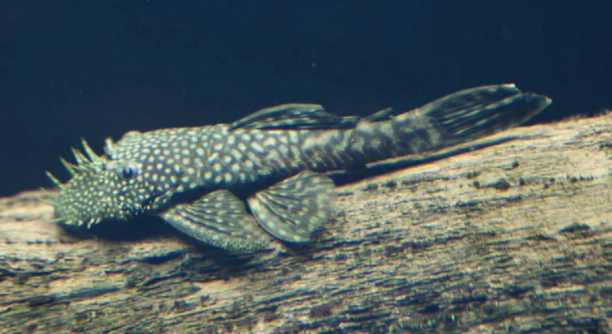
Bristlenose plecos are small freshwater fish often admired for their unique appearance and helpful algae-eating habits in aquariums. Many aquarium enthusiasts enjoy observing their behaviors and interactions, noticing subtle differences between individual fish. Their quiet presence can be surprisingly engaging.
Research indicates that bristlenose plecos possess the ability to distinguish between familiar and unfamiliar faces. This recognition appears to rely on visual cues and consistent interaction, suggesting a level of cognitive function that allows them to respond differently to individual humans and tank mates.
Learning about these recognition abilities reveals more about the intelligence and social behaviors of these fish, offering insights for better care and interaction in home aquariums.
How Bristlenose Plecos Identify Faces
Bristlenose plecos rely heavily on visual cues to recognize familiar faces. They can distinguish between different humans or tank mates through repeated exposure and consistent interaction. Observing your pleco over time, you might notice it reacting differently when you approach the tank compared to someone unfamiliar. This recognition is not just instinctual; it involves learning and memory. Plecos often show excitement or curiosity toward familiar people by swimming closer or displaying active behavior near the tank glass. Their ability to recognize faces may also help them identify other plecos in the tank, contributing to social organization. They remember patterns, shapes, and even subtle differences in movement, which indicates a level of intelligence many fish owners do not expect. This skill can be useful when monitoring health or behavior because the pleco’s response can signal comfort or stress levels.
Recognizing faces allows plecos to respond appropriately to familiar humans, showing both recognition and comfort.
Learning how plecos process visual information provides insight into their cognitive abilities. They rely on repeated exposure to form associations between faces and experiences. This can include linking feeding times or gentle interaction with specific people. The more consistent the interaction, the stronger the recognition becomes. Interestingly, their ability to identify individuals does not appear purely instinctual; it is refined through observation. Plecos can even remember subtle details over time, such as the angle of approach or body movements. This memory is significant for both interaction and overall wellbeing because it allows them to feel secure in their environment. Understanding these behaviors helps in creating a stable tank setup and ensures they are not stressed by sudden changes or unfamiliar people. Observing their reactions carefully can guide caretakers in providing a calm and enriched environment, improving both the fish’s health and the owner’s ability to engage meaningfully.
Practical Ways to Observe Face Recognition
Simple observation is the best method to notice plecos recognizing faces. Feedings and consistent interactions reveal differences in reactions.
Consistency in interaction strengthens plecos’ ability to recognize familiar individuals. Approaching the tank the same way, offering food at predictable times, and avoiding sudden movements all contribute to building recognition. Plecos may respond by swimming closer, positioning themselves near the glass, or displaying slight excitement, which indicates they have formed a visual memory of a person. Over time, these responses become more predictable, showing that recognition is not random. Watching these behaviors carefully allows owners to see which individuals are recognized and how strong the recognition is. Environmental stability, such as steady lighting and minimal tank disruptions, also supports these learning processes. This practice not only helps in understanding their cognitive abilities but also enhances the relationship between caretaker and fish by making interactions smoother and less stressful for the pleco. Structured, calm observation over weeks or months provides a clear picture of how plecos process visual cues and recognize familiar faces.
Signs Your Pleco Recognizes You
Plecos often show recognition by changing their behavior when a familiar person approaches. They may swim closer, follow movements along the glass, or become more active during feeding times, signaling comfort and familiarity with that individual.
These fish develop recognition gradually. Repeated interaction allows them to associate faces with experiences such as feeding, cleaning, or tank maintenance. A pleco may initially ignore a person but slowly learn to respond when approached regularly. Over time, you may notice it positioning itself near the glass, adjusting posture, or moving toward the area where interaction usually occurs. These subtle actions indicate memory and recognition rather than instinctive behavior.
Observing plecos consistently is key. Their responses differ based on familiarity and frequency of interaction. Some plecos may take weeks to show clear recognition, while others adapt faster. Consistency in handling and feeding routines enhances this process, allowing them to remember individual caretakers. Even small cues like hand movements or shadow changes can trigger responses. Documenting these behaviors can help track recognition patterns and ensure the pleco remains comfortable in its environment.
Factors Affecting Recognition
Lighting and tank setup can influence a pleco’s ability to recognize faces. Clear water, proper lighting, and minimal distractions improve visual recognition.
Plecos rely on visual clarity to distinguish individuals. Poor lighting, murky water, or cluttered tanks can make recognition more difficult. Consistent feeding routines, minimal disturbances, and unobstructed lines of sight strengthen their memory of familiar people. The fish’s temperament also plays a role; some are naturally more curious and attentive, while others are shy or cautious. Environmental stressors, such as sudden changes or loud noises, can temporarily reduce recognition responses, so maintaining a stable, calm tank encourages consistent interaction. Observation over time reveals patterns in how these factors affect recognition.
Consistency in daily routines and careful tank management are crucial for enhancing plecos’ face recognition abilities. Proper water quality, clear visual cues, and predictable interactions all contribute to forming strong associations between the pleco and familiar individuals. Handling the fish gently and minimizing sudden disturbances reinforces trust and memory. Some plecos may respond immediately, while others need extended exposure to form lasting recognition. Tracking these behaviors helps caretakers understand the fish’s cognitive patterns. By paying attention to environmental conditions, feeding schedules, and interaction style, owners can foster an environment that supports learning and recognition, ensuring plecos feel secure and responsive over time.
Training Plecos to Recognize You
Plecos respond best to consistent routines. Feeding at the same times and interacting calmly helps them form associations. Over time, they begin to anticipate your presence and respond differently compared to unfamiliar people.
Small gestures, like approaching the tank slowly or offering food gently, reinforce recognition. Repetition strengthens memory, making plecos more responsive.
The Role of Memory in Face Recognition
Bristlenose plecos rely on memory to distinguish individuals. Their brain processes visual cues and links them to repeated experiences, such as feeding or gentle handling. This memory allows them to anticipate interactions and respond with familiarity. Over weeks, consistent exposure builds stronger recognition, showing their capacity for learning and adaptation.
Observing Pleco Reactions
Noting subtle behavioral changes is key. Increased activity, positioning near the glass, or movement toward feeding areas often signals recognition.
FAQ
Can bristlenose plecos really recognize their owners?
Yes, bristlenose plecos can recognize familiar humans through repeated exposure and interaction. They respond to visual cues and patterns of behavior, such as feeding routines, tank maintenance, and calm approach. Over time, they begin to differentiate between familiar and unfamiliar individuals, showing recognition through behavior changes like swimming closer or becoming more active near the glass. This recognition demonstrates their learning ability and memory.
How long does it take for a pleco to recognize a person?
The time varies by individual pleco and consistency of interaction. Some plecos may start showing recognition within a few weeks of repeated exposure, while others require longer. Regular, calm interactions, such as approaching the tank slowly or offering food at consistent times, strengthen the association and help the pleco remember who is familiar. Patience is important, as recognition develops gradually.
What behaviors indicate recognition in plecos?
Signs of recognition include moving toward the tank glass when a familiar person approaches, adjusting swimming patterns, or showing anticipation during feeding times. They may also become more active or display subtle excitement, such as fin movements or hovering near the feeding area. These behaviors indicate memory and familiarity rather than random reactions.
Do plecos recognize other fish as well?
Yes, plecos can recognize other tank mates, especially if they share the same space over time. This helps establish social hierarchies, reduces conflict, and allows them to anticipate interactions. Recognition among plecos often relies on visual patterns, territory awareness, and repeated encounters, similar to how they remember human interactions.
Does tank environment affect recognition?
Absolutely. Clear water, proper lighting, and minimal disturbances improve a pleco’s ability to recognize faces. Murky water, cluttered tanks, or sudden environmental changes can make recognition more difficult. A stable, calm tank helps plecos form lasting memories and strengthens their responses to familiar individuals. Consistency in feeding routines also plays a significant role.
Can feeding influence recognition?
Yes, feeding is one of the most effective ways to help plecos remember individuals. They associate certain people with food and positive experiences. Approaching the tank during feeding time, offering food in a gentle manner, and maintaining consistency encourages recognition. Plecos learn quickly which humans provide resources and may respond more eagerly over time.
Do plecos respond differently to strangers?
Yes, unfamiliar people typically receive limited or cautious responses. Plecos may hide, remain inactive, or swim away from the glass. Their recognition system is based on repeated exposure, so they react differently to those they have not interacted with regularly. This contrast highlights their ability to distinguish between familiar and unfamiliar individuals.
Are some plecos better at recognizing faces than others?
Individual differences exist. Some plecos are naturally more curious, attentive, or interactive, making them quicker to recognize humans. Others may be shy or cautious, requiring longer exposure to form recognition. Personality, tank environment, and consistency of interaction all affect how quickly and reliably a pleco recognizes people.
Does age affect recognition?
Younger plecos can learn and recognize faces, but their cognitive development is still growing. Older plecos often show stronger recognition if they have consistent past interactions. Memory and learning abilities are influenced by both age and experience, so maintaining a stable environment and routine benefits all age groups.
Can recognition improve with time?
Yes, repeated, calm, and consistent interaction enhances recognition. Over time, plecos form stronger associations with familiar individuals and respond more actively. Patience, consistency, and a stress-free tank environment allow plecos to build lasting recognition patterns, making them more interactive and responsive over the long term.
Final Thoughts
Bristlenose plecos are more intelligent than many people assume. Their ability to recognize familiar humans demonstrates that they can learn, remember, and respond to visual cues in a meaningful way. Observing a pleco reacting differently to someone it knows compared to a stranger shows that these fish are capable of forming associations based on repeated experiences. Recognition is not instantaneous; it develops gradually through calm, consistent interaction, such as feeding, cleaning the tank, or simply approaching the aquarium in a predictable manner. Over time, a pleco may respond with subtle behaviors like moving closer to the glass, adjusting its swimming patterns, or showing signs of anticipation when it sees a familiar face. These responses reveal memory, learning, and the capacity to adapt to its environment. Understanding that plecos can recognize people can change the way caretakers interact with them, encouraging a more patient and observant approach.
Consistency is key when fostering recognition in plecos. Small, repeated actions such as offering food at regular times or maintaining a stable routine help plecos link certain humans with positive experiences. A stable environment with clear water, good lighting, and minimal sudden changes also supports learning and memory. Plecos are sensitive to their surroundings, and a calm, predictable tank allows them to focus on recognizing familiar individuals rather than reacting to stressors. Additionally, individual differences among plecos mean that some may show recognition sooner or more clearly than others. Shyer or more cautious plecos may take longer to respond, while naturally curious ones may engage more quickly. Observation is an important part of this process. By watching behaviors carefully, owners can understand their pleco’s responses, track recognition patterns, and provide an environment that encourages positive interaction. This awareness allows caretakers to adjust routines to suit the fish’s needs, supporting both wellbeing and engagement.
Recognizing the intelligence of plecos enhances the experience of keeping them. These fish are not passive aquarium inhabitants; they interact, learn, and remember. Their face recognition abilities show that even small freshwater fish have cognitive skills that often go unnoticed. By taking the time to observe, maintain a consistent environment, and interact calmly, owners can foster a bond built on familiarity and trust. A pleco that recognizes its caretaker may respond with behaviors that indicate comfort and curiosity, making daily interactions more engaging. This understanding can improve care, helping ensure that plecos remain healthy, active, and responsive. Appreciating the subtle intelligence of these fish reminds us that even simple creatures have complex behaviors, and that thoughtful observation can reveal surprising levels of awareness. Encouraging this recognition through patience, routine, and careful attention benefits both the pleco and the person interacting with it, creating a more harmonious and rewarding aquarium experience overall.

Hello,
If you enjoy the content that we create, please consider saying a "Thank You!" by leaving a tip.
Every little bit helps us continue crafting quality advice that supports the health, happiness, and well-being of pets around the world, for pets of all shapes, sizes, and species.
We really appreciate the kindness and support that you show us!