
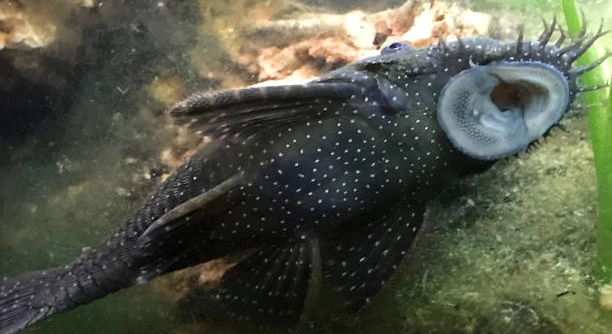
Feeding multiple plecos can feel overwhelming when each fish has its own appetite and preferences. Balancing portions while ensuring every pleco gets enough food requires patience and a little planning. This guide will simplify that process.
The most effective approach to feeding multiple plecos simultaneously involves providing a variety of foods in designated areas of the tank. By spacing feeding zones and monitoring consumption, owners can ensure equitable distribution and support overall fish health.
Following these tips will make feeding time smoother and help your plecos thrive in a well-managed tank environment.
Understanding Pleco Feeding Habits
Plecos are unique in their eating habits, often favoring certain areas of the tank. They are primarily nocturnal, which means their feeding activity peaks in the evening and at night. Algae wafers, vegetables, and sinking pellets make up the bulk of their diet. Observing how your plecos respond to different foods is key. Some plecos may prefer zucchini slices, while others might eat cucumber or blanched spinach more readily. Overfeeding can lead to water quality issues, so it is important to measure portions carefully. Using feeding zones and placing food strategically ensures each pleco gets adequate nutrition. Regularly cleaning uneaten food prevents decay and maintains tank health. Rotating foods can encourage balanced nutrition and keep your plecos interested. Noticing subtle differences in size or behavior can guide portion adjustments over time. Consistency in feeding times helps reduce stress and promotes a healthy, active fish population.
Maintaining a proper feeding schedule supports both growth and tank cleanliness. Consistent feeding builds a routine.
Observation is essential to identify preferences and ensure all plecos eat. Adapting portions based on behavior improves health and tank conditions. By spacing foods and varying diets, owners can manage multiple plecos without stress. Overfeeding or underfeeding can easily affect water quality and fish well-being. Balancing food types encourages growth and prevents conflict over resources. Each pleco may have slightly different needs, and taking note of these differences allows for better care. Adjusting feeding amounts gradually ensures no fish is left hungry or overfed, which promotes harmony. Monitoring behavior after feeding reveals which foods are favored, helping you refine choices over time. Feeding multiple plecos successfully combines observation, planning, and proper portioning to maintain a healthy tank environment.
Using Feeding Zones Effectively
Feeding zones help prevent competition and ensure each pleco receives food. Dividing the tank into sections encourages equitable eating.
Establishing separate zones allows plecos to feed without crowding. Place foods at opposite ends and near hiding spots.
Designing zones depends on tank size and fish numbers. Start by identifying areas plecos naturally gather and placing food accordingly. Using small dishes or flat rocks can anchor food in one location. Adjusting zone positions based on fish movement improves access and reduces conflict. Sinking foods should be distributed evenly, as stronger fish can dominate a single location. Rotating zones periodically prevents territorial disputes and encourages exploration of the entire tank. Observing how plecos interact in these zones informs adjustments over time. This system also makes cleaning easier by localizing uneaten food. By spacing feeding areas thoughtfully, owners can accommodate multiple plecos, ensuring balanced nutrition while minimizing stress. Zones also support slower or shy plecos, allowing them to eat at their own pace without being intimidated.
Choosing the Right Foods
Plecos need a variety of foods to stay healthy. Algae wafers, vegetables, and occasional protein sources provide balanced nutrition.
Vegetables like zucchini, cucumber, and spinach should be blanched before feeding to make them easier to digest. Algae wafers sink slowly, giving plecos time to graze. Offering a mix of plant-based and protein foods prevents deficiencies. Avoid overfeeding, as leftover food can pollute the tank. Observing which foods each pleco prefers helps plan portions effectively. Some plecos will ignore certain foods, so variety is important. Rotating foods weekly encourages interest and ensures all fish receive essential nutrients. Consistency in food quality is as important as portion size to maintain long-term health.
Monitoring how plecos respond to each type of food informs adjustments. Stronger fish may dominate protein-rich options, so spreading portions across the tank ensures fair access. Feeding small amounts multiple times a day can prevent overcrowding at feeding zones. Additionally, providing foods in different textures, such as leaves and wafers, supports natural foraging behavior. This method reduces stress and encourages all plecos to eat evenly. Keeping a log of feeding times and reactions can make it easier to maintain a balanced diet for multiple plecos over time.
Timing Your Feeding
Feeding plecos at the right times maximizes food intake and reduces waste. Evening and night are optimal.
Plecos are most active during dim light, so feeding late afternoon or evening matches their natural habits. Multiple smaller feedings throughout this period can improve nutrition.
Consistent timing trains plecos to anticipate feeding, reducing stress and competition. Observing activity patterns allows fine-tuning of feeding schedules. If multiple plecos are present, staggered feedings can prevent dominant fish from consuming all food at once. This is particularly useful in tanks with different pleco species, as their activity and appetites may vary. Feeding just before lights dim encourages natural grazing behavior. Maintaining a predictable routine supports digestive health and promotes balanced growth. Adjustments can be made gradually if changes in behavior or tank conditions occur, ensuring all fish remain healthy and active.
Avoiding Overcrowding at Feeding Time
Overcrowding can lead to stress and uneven food distribution. Spread food across different areas of the tank to minimize competition.
Using multiple feeding spots ensures shy or slower plecos get their share. Even spacing helps maintain harmony and reduces aggression during feeding.
Monitoring Food Consumption
Keep track of how much your plecos eat at each feeding. Remove uneaten food promptly to maintain water quality and prevent decay.
Observing consumption patterns helps adjust portion sizes over time. Some plecos may consistently leave food, signaling a need to reduce amounts or vary diet.
Providing Hiding Spots
Plecos feel more comfortable eating near shelter. Rocks, driftwood, and caves give them security while they feed.
Hiding spots reduce stress and encourage slower plecos to eat without interruption. Proper tank decoration supports natural behavior and overall health.
FAQ
How often should I feed multiple plecos?
Feeding frequency depends on the size of your tank and the number of plecos. Generally, once or twice a day is enough for adult plecos. Younger or more active plecos may benefit from smaller feedings two to three times a day. Splitting portions helps reduce overcrowding at feeding zones and ensures each fish gets enough food. Avoid overfeeding, as leftover food can foul the water and lead to health issues. Monitoring how much each pleco consumes over a week helps determine the best schedule for your specific tank setup.
Can I feed all plecos the same type of food?
Not all plecos have identical dietary needs. While many enjoy algae wafers and blanched vegetables, some species may require extra protein or different types of plant matter. Offering a variety ensures all fish receive balanced nutrition and reduces the chance of picky eaters being left hungry. Observe which foods are consistently ignored and rotate options weekly. This variety encourages healthy foraging behavior and supports digestive health. Feeding the same type every day may lead to boredom or deficiencies. Mixing foods also prevents dominant plecos from taking all the best portions.
What vegetables are safe for plecos?
Blanched zucchini, cucumber, spinach, and lettuce are commonly used vegetables. Blanching softens the food, making it easier to digest and reducing the risk of stomach issues. Avoid feeding vegetables with pesticides or seasoning. Leafy greens and firm vegetables provide essential nutrients, while starchy vegetables like potatoes should be given sparingly. Rotating vegetables helps prevent deficiencies and keeps plecos interested in their meals. Some plecos enjoy root vegetables like carrots, but cutting them into small, manageable pieces is important. Monitoring how quickly each pleco consumes the vegetables helps gauge portion size.
How do I prevent one pleco from eating all the food?
Using multiple feeding zones is key. Spread algae wafers and vegetables throughout the tank so slower or shyer plecos can access food without interference. Observing aggressive eaters and adjusting zone placement can reduce dominance. In some cases, feeding smaller amounts at different times works better than one large feeding. Floating or sinking dishes in separate areas also helps. Providing hiding spots near feeding areas encourages timid plecos to eat without being intimidated. Over time, plecos learn where to find food safely, and tank harmony improves.
Is it necessary to remove uneaten food?
Yes. Uneaten food can decompose quickly, polluting the tank and causing ammonia spikes. This can stress plecos and encourage algae overgrowth. Remove leftovers within a few hours after feeding. Regular water testing helps monitor water quality, and adjusting feeding amounts based on consumption prevents waste. Using tongs or a siphon makes cleanup easier. Tracking which foods are consistently left behind helps refine your feeding strategy. Reducing excess food also reduces the risk of disease and keeps tank conditions stable.
Can I feed my plecos during the day?
Plecos are primarily nocturnal, but some will eat during daylight if they feel safe. Feeding during low-light conditions or at the tank’s edges can encourage consumption. Evening or nighttime feedings are generally more effective. Adjust feeding times based on observation of your specific plecos’ activity levels. Feeding when they are less active may lead to uneaten food and water quality issues. Tracking feeding behavior helps identify the optimal schedule. Flexibility is key, as some plecos adapt to daytime feeding over time.
How do I know if my plecos are getting enough food?
Signs include steady growth, healthy weight, and active behavior. Shy plecos should be observed to ensure they are eating. Uneaten food and frequent chasing between fish indicate portions or feeding zones may need adjustment. Monitoring body condition and behavior over time is essential. Recording observations weekly helps track progress. A balanced diet should prevent aggression over food and keep plecos energetic.
Are commercial pleco foods enough?
Commercial algae wafers and pellets can be sufficient but should be supplemented with vegetables and occasional protein. Relying solely on one type of commercial food may lead to deficiencies. Providing variety encourages natural feeding behaviors and improves overall health. Combining commercial foods with fresh vegetables ensures complete nutrition. Observing which foods are preferred helps fine-tune the diet.
Can plecos be overfed?
Yes. Overfeeding can lead to obesity, poor water quality, and digestive problems. Remove uneaten food promptly and adjust portions gradually. Smaller, more frequent feedings are safer than one large feeding. Monitoring behavior and body condition allows for proper adjustments. Proper portioning supports tank health and fish longevity.
What if one pleco refuses to eat?
Try offering preferred foods in a quiet, safe area. Some plecos are shy or slow eaters and need time. Adjust feeding zones or provide smaller portions near hiding spots. Observation and patience are key. Ensuring a varied diet and multiple feeding spots increases the chances that all plecos eat adequately.
How do I balance feeding multiple species of plecos?
Different species may have varying dietary needs and activity levels. Offer foods that meet the needs of all species, distributed evenly across zones. Observe preferences and adjust portions for each species. Staggered feedings may help avoid dominant species consuming all food. Maintaining balance ensures healthy growth and reduces stress across the tank.
Is monitoring water quality important during feeding?
Absolutely. Uneaten food can quickly impact ammonia and nitrate levels. Regular testing ensures feeding practices do not compromise tank health. Adjusting portions and cleaning uneaten food help maintain a stable environment. Healthy water supports pleco digestion, activity, and overall well-being.
How can I encourage shy plecos to eat?
Provide hiding spots near feeding areas and spread food across multiple zones. Offer small portions frequently until they become confident. Consistent routines reduce stress and help shy plecos feel secure. Observation is key to adapting strategies to individual behaviors.
Can I feed live or frozen foods to plecos?
Occasional protein sources like bloodworms or brine shrimp can supplement their diet. These should not replace primary plant-based foods. Monitor portions carefully and distribute food across zones to prevent dominant fish from taking all of it. Rotating protein sources maintains interest and supports growth.
How important is observation during feeding?
Observation is critical. It informs portion size, feeding schedules, and whether each pleco is eating enough. Watching interactions helps identify aggressive behavior or shy fish that may need extra attention. Regular observation supports balanced nutrition and tank harmony.
What tools can help with feeding multiple plecos?
Tongs, small dishes, and feeding clips can control food placement. Using multiple tools allows precise portioning and prevents overcrowding. Feeding zones, combined with these tools, make managing multiple plecos efficient and stress-free.
Final Thoughts
Feeding multiple plecos at once can feel complicated at first, but it becomes manageable with consistent routines and observation. Understanding each pleco’s habits, preferences, and activity levels is key to creating a smooth feeding process. Using multiple feeding zones, spreading food evenly, and offering a variety of vegetables and protein sources ensures all fish get the nutrition they need. Overfeeding should be avoided, as leftover food can pollute the tank and affect water quality, leading to stress or health issues for the plecos. Blanching vegetables and rotating food types not only supports digestion but also keeps the fish interested in their meals. Observing how each pleco responds to different foods helps owners adjust portions and types of food over time. Establishing a consistent feeding schedule that matches the natural activity of plecos, primarily in the evening or at night, encourages healthier eating patterns and reduces competition among the fish.
Providing hiding spots and secure areas for plecos to eat reduces stress and allows timid or slower fish to access food without being intimidated. Driftwood, rocks, or small caves create safe feeding areas, which also promote natural behaviors and improve overall tank harmony. Monitoring consumption patterns regularly is important to determine whether any fish are being left out or if aggressive eaters are dominating food areas. Using tools like feeding tongs, small dishes, or feeding clips allows precise placement of food in different zones and helps manage portions effectively. Observing interactions during feeding times gives insight into how much food to provide and whether adjustments in schedule or zone placement are needed. Multiple smaller feedings rather than one large feeding often work better in tanks with many plecos. Careful observation, combined with appropriate tools and preparation, ensures all plecos receive adequate nutrition while maintaining a clean and healthy tank environment.
Consistency and attention to detail are essential for keeping multiple plecos healthy and happy. Tracking food consumption, observing behavioral patterns, and adjusting portions over time helps maintain balance within the tank. Offering a variety of foods that include vegetables, algae wafers, and occasional protein sources prevents deficiencies and supports growth. Maintaining water quality by promptly removing uneaten food and testing for ammonia and nitrate levels ensures the tank remains safe for all fish. By implementing these practices, feeding multiple plecos becomes a structured and stress-free part of aquarium care. Taking the time to plan feeding routines, observe your fish, and adjust as needed encourages long-term health, reduces conflicts during feeding, and ensures every pleco thrives in a well-managed environment. Following these steps will allow owners to confidently feed multiple plecos while supporting their overall well-being.

Hello,
If you enjoy the content that we create, please consider saying a "Thank You!" by leaving a tip.
Every little bit helps us continue crafting quality advice that supports the health, happiness, and well-being of pets around the world, for pets of all shapes, sizes, and species.
We really appreciate the kindness and support that you show us!