
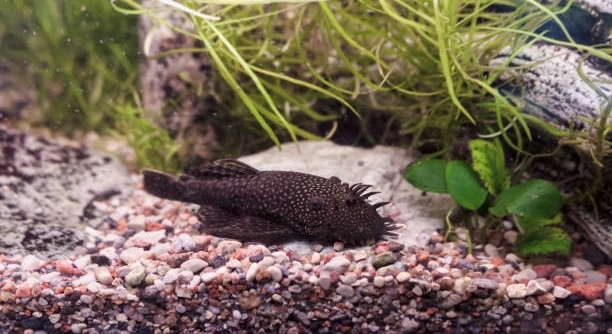
Bristlenose plecos are fascinating little fish that often catch the attention of aquarium owners. They have a habit of nudging gravel around the tank, which can be puzzling for anyone trying to maintain a tidy environment. Observing this behavior can be surprisingly engaging.
Bristlenose plecos nudge gravel primarily to forage for food, explore their environment, and maintain suitable substrate conditions. This behavior helps them uncover hidden detritus, algae, and microorganisms while promoting natural activity patterns and contributing to overall tank hygiene.
Understanding these behaviors can improve your tank care routine and support your pleco’s health. Simple observations reveal how their interactions with gravel reflect instincts and environmental needs.
How Bristlenose Plecos Interact with Gravel
Bristlenose plecos are naturally curious and spend much of their time exploring the substrate in their tanks. They use their mouths to move gravel while searching for leftover food, algae, and small microorganisms. This behavior is a normal part of their feeding routine, helping them find nutrients that may be hidden beneath stones or decorations. Gravel nudging also allows plecos to rearrange their environment slightly, which can reduce stress and make the tank feel more secure. Observing them closely shows how intentional and careful they are when moving pieces of gravel, often stopping to inspect or taste what they uncover. This activity is essential not only for their dietary needs but also for maintaining healthy tank conditions, as loose particles and debris get shifted and aerated. Over time, this behavior can help prevent detritus from building up in one area, which benefits all the tank inhabitants.
Gravel nudging also provides mild physical exercise for plecos, keeping them active and healthy while supporting natural instincts.
Watching your pleco gently sift through gravel is fascinating because it shows how their natural behavior adapts to a tank environment. The way they press, move, and explore the substrate reflects their need for food, stimulation, and security. By understanding this behavior, you can arrange the tank in ways that support healthy exploration while keeping it clean. Providing a variety of substrate textures can encourage them to interact more naturally, and placing occasional algae wafers or vegetables near the gravel gives them rewarding foraging experiences. Over time, you notice patterns in how they work through the substrate, sometimes focusing on specific areas, which can indicate where food remnants or algae accumulate. Recognizing these habits helps maintain both your pleco’s well-being and the overall cleanliness of the aquarium.
Reasons Behind Gravel Nudging
Bristlenose plecos nudge gravel primarily to search for food and inspect their environment. This behavior is instinctive and helps maintain their health.
Plecos rely on tactile and sensory feedback while interacting with gravel. When they move small stones and sift through the substrate, they are often uncovering algae, leftover fish food, and other edible matter. This behavior mimics their natural habits in rivers and streams, where they graze on surfaces for nutrients. Gravel nudging also serves a secondary purpose by keeping their environment slightly rearranged, preventing the substrate from becoming compacted and promoting better water circulation. Over time, the repeated movement of gravel can reveal hidden areas of the tank that may need cleaning, acting as a natural maintenance aid. Encouraging this behavior by providing soft, rounded substrate and occasional food near the gravel supports both mental stimulation and dietary variety. While it may create temporary mess, this activity is a sign of a healthy and active pleco engaging with its habitat. Maintaining awareness of these behaviors allows you to make small adjustments in tank setup, ensuring both plecos and other tank inhabitants thrive.
Common Misunderstandings About Gravel Nudging
Many people assume plecos are being destructive when they move gravel, but this behavior is natural and harmless. It is a part of how plecos explore, forage, and interact with their environment.
Gravel nudging is often mistaken for tank disruption, yet it is simply the pleco performing instinctive tasks. By moving stones, plecos uncover food, check their surroundings, and maintain their comfort within the tank. Observing closely, you can see them carefully manipulating each piece, pausing to inspect what lies beneath. This behavior is essential for their diet and overall activity, and it rarely causes harm to decorations or plants if the substrate is safe. Understanding this helps reduce unnecessary concern about pleco activity and encourages a more natural approach to tank maintenance.
Another misunderstanding is thinking that gravel nudging indicates stress or illness. In reality, healthy plecos engage with their substrate regularly. They nudge gravel to explore textures, find hidden algae, and maintain a more comfortable environment. Occasionally, small disturbances may occur, but these are normal and show that your pleco is actively interacting with its surroundings. Providing soft, smooth gravel minimizes risk to their bodies and ensures their behavior remains productive and safe.
Supporting Healthy Gravel Interaction
Using the right substrate encourages plecos to nudge gravel safely. Soft, rounded stones prevent injury and allow easier movement.
Providing a varied environment improves both mental stimulation and physical health for plecos. When the tank contains a mix of smooth gravel, caves, and hiding spots, plecos can explore more freely and engage in natural behaviors. Including occasional algae wafers or vegetables near the substrate encourages foraging and keeps their diet balanced. Observing how they move and sift the gravel gives insight into their preferences, helping you adjust the tank layout. Gravel nudging can also aerate the substrate slightly, which indirectly benefits water quality. By planning substrate types and placement thoughtfully, you support active, healthy, and content plecos that display their natural instincts without risk.
Timing of Gravel Nudging
Bristlenose plecos often nudge gravel more actively at night. They are naturally nocturnal, so substrate exploration peaks when the tank lights are dim or off. This behavior aligns with their instinct to search for food under low-light conditions.
During the day, gravel nudging usually slows down. Plecos may rest in hiding spots or behind decorations, conserving energy until evening. Observing their activity schedule helps you understand their natural rhythm and adjust feeding times accordingly.
Effects on Tank Maintenance
Gravel nudging can shift debris and uneaten food, which may accumulate in certain areas. This requires occasional cleaning to prevent buildup and maintain water quality. Monitoring these areas ensures a healthier environment for all tank inhabitants.
Encouraging Safe Interaction
Providing smooth, small gravel reduces risk of injury and allows plecos to explore freely. This ensures safe, natural behavior without damaging their fins or barbels.
FAQ
Why do bristlenose plecos move gravel constantly?
Bristlenose plecos move gravel to forage for food and explore their environment. They are naturally curious and use their mouths to sift through substrate, uncovering leftover fish food, algae, and small organisms. Gravel nudging also helps them stay active and maintain their instincts.
Is gravel nudging a sign of stress?
Not usually. Gravel nudging is a natural behavior for plecos. Stress-related behaviors typically include hiding excessively, loss of appetite, or rapid breathing. If a pleco is otherwise healthy, moving gravel is normal and indicates engagement with its surroundings.
Can gravel nudging harm the pleco or the tank?
When using soft, rounded gravel, the behavior is safe. Plecos may occasionally shift decorations, but smooth stones and a well-planned tank minimize risks. Avoid sharp or coarse substrate to prevent injuries to fins or barbels.
How can I encourage natural gravel interaction safely?
Provide smooth, small-sized gravel that plecos can move easily. Include hiding spots and occasional food near the substrate to encourage foraging. Observing their patterns allows you to adjust placement of decorations or food to keep them active and safe.
Does gravel nudging affect water quality?
Yes, indirectly. Moving gravel can stir up debris, uneaten food, and detritus. While this is a normal part of their behavior, it may require extra attention to cleaning the substrate to prevent water quality issues, particularly in smaller tanks.
Should I change the type of gravel for my pleco?
If your pleco struggles to move or explore, softer and smaller gravel is better. Rounded stones prevent injuries and allow natural behavior. Avoid gravel that is too sharp or heavy, which can limit interaction or harm the fish.
Do plecos nudge gravel more at certain times of day?
Yes, activity is higher at night. Bristlenose plecos are primarily nocturnal and prefer exploring and foraging under low-light conditions. During the day, they rest in caves, behind decorations, or near the substrate. Feeding schedules can be adjusted to match this natural rhythm.
Can gravel nudging indicate health problems?
Only rarely. If gravel nudging is excessive or paired with lethargy, loss of appetite, or unusual swimming patterns, it may indicate stress or illness. Otherwise, regular nudging is part of normal behavior and reflects a healthy, active fish.
How do I keep my tank clean despite gravel nudging?
Frequent spot cleaning and partial water changes help manage debris stirred by plecos. Using a siphon designed for gravel can remove leftover food or detritus without disturbing the plecos excessively. Observation is key to adjusting maintenance routines to the pleco’s habits.
Will other fish be affected by gravel nudging?
Occasionally, shifting gravel may uncover areas or move small debris, but other fish usually adapt quickly. Ensure substrate and decorations are arranged to minimize disruption, and provide hiding spots so tank mates remain comfortable.
Can plecos live without gravel?
Yes, plecos can survive without gravel, but a substrate is beneficial for natural behaviors like foraging and exploration. Sand or smooth stones can be good alternatives, allowing similar activity without compromising safety or health.
How can I tell if my pleco is enjoying gravel interaction?
Plecos will actively move and inspect the substrate, pause to nibble, and return repeatedly to areas of interest. Calm, purposeful movement and regular foraging indicate that gravel interaction is satisfying and stimulating for them.
Is it necessary to feed plecos differently because of gravel nudging?
Not necessarily. Gravel nudging supplements their diet by helping them find hidden food, but plecos still need regular feedings. Providing algae wafers, vegetables, and protein occasionally ensures they get balanced nutrition beyond what they forage in gravel.
Do juvenile plecos nudge gravel differently than adults?
Juveniles tend to be more exploratory and may move gravel more frequently as they learn about their environment. Adults still engage in gravel nudging but may focus more on specific areas with food or algae. Observing both life stages helps understand behavior patterns.
Can adding more decorations reduce gravel nudging?
Decorations can redirect activity, but plecos will still nudge gravel as part of their natural instincts. Strategically placed caves or driftwood can give them areas to explore while slightly limiting excessive substrate movement, keeping both fish and tank neat.
This FAQ covers most common questions about bristlenose plecos and their gravel nudging behavior, offering practical advice for maintaining a healthy, interactive tank environment. Their behavior is natural, safe, and an enjoyable part of observing these fascinating fish.
Final Thoughts
Bristlenose plecos are small but fascinating fish, and their habit of nudging gravel is a normal part of their behavior. This activity shows how they interact with their environment and search for food. By moving gravel, plecos uncover leftover food, algae, and small organisms that may be hidden beneath stones. This is a natural instinct and reflects their behavior in rivers and streams. Observing your pleco moving gravel can be surprisingly engaging, as it demonstrates how careful and intentional they are while exploring. Even though it can sometimes make the tank look messy, gravel nudging is beneficial for their physical and mental activity. It keeps them active, encourages natural behaviors, and contributes to a more dynamic tank environment. Over time, these behaviors help them feel secure and comfortable in their home.
Maintaining a tank with a gravel-nudging pleco requires some planning, but it is manageable. Using soft, smooth, and small-sized gravel helps prevent injuries to their fins and barbels while allowing natural exploration. Providing hiding spots, caves, and decorations encourages them to move around and reduces stress. Feeding them algae wafers, vegetables, or occasional protein near the substrate supports their foraging habits. Gravel nudging can also stir up small particles, which means monitoring water quality and performing regular cleaning is important. Siphoning leftover food or detritus during water changes ensures the tank remains healthy for all inhabitants. By observing the pleco’s activity, you can learn how it prefers certain areas and adjust the tank layout accordingly. Understanding their habits makes it easier to create a safe, stimulating, and clean environment that matches their instincts.
It is important to remember that gravel nudging is not a sign of a problem in most cases. Healthy plecos will continue this behavior throughout their lives, and it reflects natural instincts rather than stress or illness. Observing and supporting this behavior is part of providing proper care. A well-planned tank with appropriate substrate, food, and hiding areas allows plecos to express themselves fully while remaining safe and healthy. Gravel nudging also provides an indirect benefit by aerating the substrate and helping prevent debris accumulation in one spot. While it may initially seem messy, it contributes to the overall balance of the tank. By appreciating and understanding this behavior, you can ensure your bristlenose pleco lives a healthy, active, and comfortable life, while also creating a more dynamic and interesting aquarium for observation and care.

Hello,
If you enjoy the content that we create, please consider saying a "Thank You!" by leaving a tip.
Every little bit helps us continue crafting quality advice that supports the health, happiness, and well-being of pets around the world, for pets of all shapes, sizes, and species.
We really appreciate the kindness and support that you show us!