
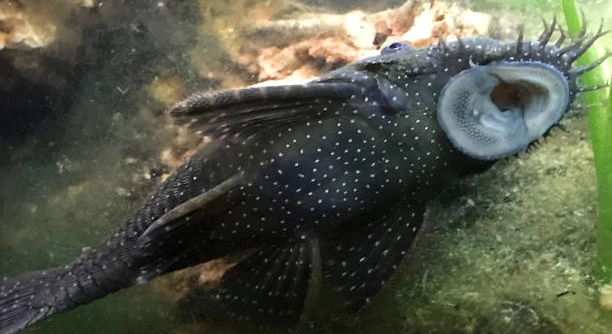
Are your aquarium tanks showing signs of unexpected aggression from your plecos? These generally peaceful fish can sometimes display surprising behavior, leaving their tank mates stressed or injured. Understanding the reasons behind this aggression is important for a harmonious tank.
Plecos may attack other fish due to territorial disputes, limited resources, stress, poor diet, or breeding instincts. Environmental factors such as inadequate hiding spots, overcrowding, or sudden changes in water conditions can exacerbate these behaviors, making aggression more likely.
Recognizing the causes of pleco aggression can help maintain a safer and more balanced aquatic environment for all your fish companions.
Territorial Behavior
Plecos are naturally territorial fish, especially as they mature. In a confined tank, they may claim specific areas as their own and guard them aggressively. This behavior is more common among larger species and males, who see their space as essential for feeding, hiding, or breeding. When new fish are introduced, plecos may chase or nip at them to defend their established territory. Overcrowding intensifies this issue, making even normally peaceful plecos act defensively. Providing sufficient hiding spots, caves, and decorations can help minimize conflicts. Plecos often prefer dark or secluded areas to rest, and if these are limited, tension increases. Observing how your pleco interacts with tank mates can reveal territorial patterns. Adjusting tank layout, separating aggressive individuals, or choosing larger tanks can reduce stress for all fish, encouraging more peaceful behavior.
Adding extra space and hiding spots can dramatically lower tension and protect your other fish from attacks.
Territorial disputes are strongest during feeding times or when plecos feel their resting areas are threatened. Regularly monitoring tank dynamics ensures that dominant plecos do not monopolize resources, and introducing enrichment like driftwood or plants allows multiple fish to coexist without constant aggression. Consistency in environment and routine feeding also helps plecos feel secure, reducing the likelihood of unnecessary attacks.
Breeding Instincts
During breeding periods, plecos may show heightened aggression.
Male plecos become protective of potential spawning sites, often chasing other fish away to secure their territory. They may guard caves or crevices where eggs could be laid, showing unusual aggression even toward previously tolerated tank mates. This behavior is instinctual, linked to reproduction rather than personality. Providing multiple hiding spaces or separating fish temporarily can reduce confrontations. Breeding aggression is temporary but intense, requiring careful observation to prevent injury. Adjusting lighting, feeding schedules, or water conditions may also influence breeding behavior and reduce stress in the tank. Ensuring the pleco has sufficient space and resources during this period is key to maintaining harmony among all aquarium inhabitants.
Stress and Environmental Changes
Stress can make plecos aggressive toward other fish. Sudden changes in water temperature, pH, or tank layout can trigger defensive behaviors. Overcrowding and poor water quality add to their stress levels, increasing the likelihood of attacks.
Maintaining stable water parameters is crucial for a peaceful tank. Plecos respond to gradual adjustments rather than sudden shifts. Frequent water testing, regular partial water changes, and careful monitoring of temperature and pH help prevent stress-induced aggression. Additionally, providing hiding spots and a consistent feeding schedule can create a secure environment. When plecos feel threatened or insecure, they are more likely to lash out at nearby fish, even if those fish have done nothing to provoke them.
Stress-related aggression can also arise from competition for food or territory. Ensuring there are enough resources for all inhabitants reduces conflicts. Observing fish behavior and identifying early signs of stress allows you to intervene before aggression escalates, protecting both the pleco and its tank mates from harm. Proper tank management and attention to environmental stability are key to minimizing these issues.
Diet and Nutrition
A poor diet can increase aggressive tendencies in plecos. Insufficient nutrients may make them more competitive over food, leading to nipping or chasing other fish.
Providing a balanced diet reduces aggression and supports overall health. Plecos require a mix of algae, vegetables, and protein-rich foods. Feeding them appropriately sized portions prevents competition. Uneaten food should be removed to avoid water quality issues, which can also affect behavior.
Inadequate nutrition can trigger persistent aggression if plecos constantly compete for resources. Supplementing with fresh vegetables, sinking pellets, and occasional protein treats keeps them satisfied. Observing feeding patterns helps identify if certain individuals are being left out or stressed by competition. Adjusting feeding frequency, using multiple feeding spots, or separating overly aggressive fish temporarily can ensure all fish get adequate nutrition while maintaining peace in the tank.
Overcrowding
Too many fish in a tank can trigger aggression in plecos. Limited space increases stress and territorial disputes, causing nipping or chasing.
Providing adequate room and hiding spots helps reduce tension. Overcrowding can quickly escalate minor conflicts into serious injuries among tank mates.
Compatibility with Other Fish
Not all fish species coexist peacefully with plecos. Fast-moving or aggressive species may provoke defensive behavior. Slow, peaceful fish are usually safer companions. Choosing compatible species reduces stress and minimizes attacks, creating a calmer environment for everyone in the tank.
Lack of Hiding Spots
Plecos need places to retreat. Without sufficient caves, driftwood, or plants, they feel exposed and may attack other fish to claim territory.
Water Quality Issues
Poor water conditions increase stress, triggering aggression. High ammonia, nitrites, or inconsistent temperature can make plecos more defensive and irritable, leading to attacks on tank mates. Maintaining clean, stable water is essential for preventing aggression and keeping all fish healthy.
FAQ
Why is my pleco suddenly attacking other fish?
Plecos may start attacking due to changes in their environment, stress, or territorial instincts. Sudden rearrangements in the tank, overcrowding, or introduction of new fish can trigger defensive behaviors. Ensuring stable water conditions and enough space often reduces these sudden aggressive incidents.
Can plecos live peacefully with other fish?
Yes, many plecos can coexist with other fish if the tank is spacious, hiding spots are plentiful, and tank mates are chosen carefully. Calm, slow-moving species tend to be safer companions, while fast or aggressive fish can provoke defensive reactions.
How can I prevent territorial aggression?
Provide multiple hiding spots, caves, and driftwood for plecos. Separating aggressive individuals or increasing tank size can reduce disputes. Regular observation helps identify dominant behaviors early, allowing you to intervene before attacks escalate.
Does diet affect aggression in plecos?
Absolutely. Poor nutrition or competition over food can make plecos more aggressive. Feeding a balanced diet of algae, vegetables, and protein, along with multiple feeding locations, prevents stress and reduces attacks caused by competition.
Is breeding a reason for aggression?
Yes, during breeding periods, males become protective of potential spawning sites. They may chase other fish away from caves or crevices. This behavior is temporary but intense. Providing extra hiding places or separating fish can help manage breeding-related aggression.
How does stress influence attacks?
Stress from overcrowding, poor water quality, or sudden environmental changes can make plecos defensive. Maintaining stable water parameters, providing hiding spots, and keeping a consistent routine reduces stress and lowers the likelihood of aggressive behavior.
Will overcrowding cause permanent aggression?
Overcrowding increases the chances of conflicts, but aggression is not always permanent. Expanding tank space, reducing the number of fish, or adding barriers can restore balance. Observing interactions helps ensure all fish coexist safely.
Can water quality cause plecos to attack?
Yes. High ammonia, nitrites, or fluctuating temperatures create stress, making plecos more prone to aggression. Regular water testing, partial changes, and filtration maintenance are essential for preventing attacks triggered by poor water conditions.
How do I know if my pleco is being aggressive due to compatibility issues?
If attacks occur mainly around certain fish species, compatibility is likely the issue. Choosing calm, slow-moving, and non-territorial species reduces conflicts and helps plecos feel less threatened in their environment.
Are there long-term solutions for aggressive plecos?
Providing adequate space, hiding spots, proper diet, compatible tank mates, and stable water conditions can reduce aggression long-term. Monitoring behavior and intervening when necessary ensures a harmonious tank for all fish, while addressing the root causes of aggressive behavior.
Can adding more decorations reduce aggression?
Yes, decorations like caves, driftwood, and plants give plecos spaces to claim and retreat. This reduces territorial disputes and provides a sense of security, lowering attacks on other fish.
Should aggressive plecos be separated?
If aggression continues despite adjustments, separating aggressive plecos temporarily or permanently may be necessary. Isolation prevents injury and stress among tank mates, giving all fish a safer environment.
Does pleco size affect aggression?
Larger plecos tend to be more territorial and may intimidate smaller tank mates. Considering the size of your pleco and other fish when planning tank setups can prevent conflicts.
Can I train a pleco to be less aggressive?
Plecos cannot be trained in a conventional sense, but consistent feeding, adequate space, and a calm environment help reduce stress-induced aggression. Reinforcing a stable routine encourages more peaceful behavior.
How often should I monitor my pleco for aggression?
Daily observation is recommended. Early detection of nipping, chasing, or dominance allows you to intervene before conflicts escalate, ensuring all fish remain safe and stress-free.
Can poor lighting contribute to aggression?
Inadequate or harsh lighting can make plecos feel exposed. Providing dim areas and shaded spots mimics their natural environment, reducing stress and defensive behavior toward tank mates.
Are some pleco species more aggressive than others?
Yes, certain species, particularly larger or male-dominant plecos, show more territorial tendencies. Researching the specific species you own helps predict potential aggression and plan tank setups accordingly.
Does hiding food reduce fighting?
Yes. Scattering food or offering it in multiple locations ensures plecos and other fish don’t have to compete aggressively, minimizing food-related attacks.
Is aggression more common in smaller tanks?
Smaller tanks limit space for territory and hiding spots, often causing plecos to act defensively. Larger tanks with proper enrichment allow more peaceful coexistence.
Can stress from other aggressive fish cause my pleco to attack?
Yes. If other fish are aggressive, plecos may respond defensively, chasing or nipping to protect themselves. Balancing tank dynamics helps reduce these reactive attacks.
How do I safely separate an aggressive pleco?
Use a temporary tank divider or a separate quarantine tank. Ensure both environments have hiding spots, proper water conditions, and similar temperatures to minimize stress during separation.
Do plecos attack only during the day?
No. Plecos are mostly nocturnal, but aggression can occur any time if they feel threatened or territorial. Observing their behavior throughout the day helps identify triggers and patterns.
Can enrichment reduce aggressive behavior?
Yes. Adding driftwood, caves, plants, and other decorations gives plecos outlets to explore and claim territory, reducing boredom and stress-related aggression.
Is aggression a sign of illness?
Sometimes. Sick or stressed plecos may act unpredictably, including attacking other fish. Monitoring for other signs like lethargy, loss of appetite, or unusual coloration can indicate health issues.
What is the safest number of plecos in a tank?
It depends on species, tank size, and decorations. Generally, one pleco per sufficiently large tank reduces territorial conflicts, while additional plecos require careful planning and space to coexist peacefully.
Can rearranging the tank reduce aggression?
Yes, strategically rearranging hiding spots and decor can break up established territories, helping plecos reset boundaries and reduce attacks on other fish.
How long does aggressive behavior last?
Aggression varies depending on cause. Territorial or stress-related attacks can persist until adjustments are made, while breeding aggression is typically temporary. Observing patterns helps determine the duration and necessary interventions.
Should I change water conditions if aggression starts?
Sudden changes may worsen stress. Gradual adjustments to temperature, pH, or other parameters are safer and help reduce aggression without shocking the fish.
Can aggressive behavior cause long-term stress in other fish?
Yes. Continuous attacks can weaken other fish, lower immunity, and cause injury. Addressing the pleco’s aggression promptly is essential to maintain a healthy, balanced tank environment.
Is it normal for plecos to chase fish occasionally?
Occasional chasing is natural, especially during feeding or territorial defense. Consistent aggressive patterns or injury indicate a problem that requires intervention.
Can tank layout affect aggression?
Yes. Open areas with few hiding spots increase stress and conflict. Providing multiple layers, caves, and shaded regions creates a more secure environment, reducing attacks.
What signs indicate my pleco is stressed?
Signs include constant hiding, rapid gill movement, sudden nipping at tank mates, or erratic swimming. Recognizing these behaviors early helps prevent aggression and maintain a peaceful tank.
Is aggression hereditary in plecos?
Some species have stronger territorial instincts genetically. While individual behavior varies, certain species are naturally more prone to defending territory or competing for resources.
Can supplements reduce aggression?
While supplements improve health, they do not directly reduce aggression. Proper diet, enrichment, and tank management remain the most effective ways to prevent attacks.
How do I choose tank mates to minimize aggression?
Select peaceful, slow-moving fish that do not compete aggressively for food or territory. Avoid highly territorial or fast species that may provoke defensive behavior from plecos.
Does water temperature influence aggression?
Extreme or fluctuating temperatures increase stress and trigger defensive behavior. Maintaining consistent, species-appropriate temperatures supports calm, predictable behavior.
Can introducing new fish trigger aggression?
Yes. New fish can provoke defensive behavior, especially if plecos feel their territory is threatened. Introducing new fish gradually and providing hiding spaces reduces aggression.
How can I tell if aggression is due to food competition?
If nipping or chasing occurs mainly during feeding, competition for food is likely. Scattering food, using multiple feeding areas, or increasing portions helps prevent these conflicts.
Are younger plecos less aggressive?
Juveniles are generally less territorial but may still display defensive behaviors. Aggression often increases as plecos mature and establish their own space.
Does hiding behavior always mean aggression is coming?
Not always. Hiding is natural for plecos, but if combined with chasing, nipping, or defensive displays, it may indicate potential attacks toward other fish.
Can I reduce aggression with tank rearrangements?
Yes. Changing the location of caves, plants, and driftwood disrupts established territories, giving plecos a chance to reset boundaries and coexist more peacefully.
Should I monitor plecos at night?
Yes. Plecos are nocturnal and most active after dark. Nighttime observation can reveal aggression patterns not visible during the day.
Is it normal for plecos to nip fins?
Occasional fin-nipping can occur, especially during feeding or territorial disputes. Persistent or injurious nipping indicates aggression that needs attention to prevent harm to other fish.
Can tank size alone prevent aggression?
Tank size helps but is not the only factor. Adequate hiding spots, compatible species, and stable conditions are equally important to prevent attacks.
Do plecos attack other plecos?
Yes, especially males or larger individuals. Territorial disputes and competition for resources can lead to aggressive interactions between plecos in the same tank.
How quickly should I act if aggression starts?
Immediate action is recommended to prevent injuries. Adjusting hiding spots, feeding routines, or temporarily separating aggressive fish helps maintain a safe environment for all tank inhabitants.
Can aggression be completely eliminated?
Not entirely, but careful tank management, proper diet, enrichment, and observation can significantly reduce attacks, creating a safer and more peaceful aquarium.
Are there signs of aggression before attacks occur?
Yes. Chasing, flaring fins, circling other fish, or blocking access to hiding spots often precede attacks. Early detection allows intervention before injury occurs.
Does water flow affect aggression?
Strong currents may stress plecos, especially if hiding spots are limited. Adjusting flow to a moderate level reduces stress-induced defensive behavior.
Can multiple plecos coexist peacefully?
Yes, if the tank is large, well-decorated, and hiding spaces are sufficient. Careful observation and management are required to minimize territorial disputes.
Is aggression linked to health problems?
Sometimes. Illness or injury can make plecos more irritable. Regular health checks and prompt treatment help prevent aggression caused by poor health.
Can seasonal changes influence aggression?
Seasonal variations, especially in temperature and lighting, can trigger stress responses in plecos, leading to temporary increases in aggressive behavior toward tank mates.
How can I tell if aggression is temporary or chronic?
Temporary aggression often occurs during breeding or sudden environmental changes. Chronic aggression persists over time despite stable conditions, indicating a deeper issue with space, compatibility, or resources.
Does adding more food reduce aggression?
Providing enough food for all fish reduces competition, which in turn lowers food-related attacks. Multiple feeding areas help ensure plecos and tank mates are satisfied.
Can aggressive plecos harm smaller fish?
Yes. Large or territorial plecos can injure smaller, slower fish through nipping or chasing, making careful monitoring and preventive measures essential.
What is the best way to reduce pleco aggression overall?
Provide adequate space, stable water conditions, hiding spots, compatible tank mates, proper diet, and consistent observation. Addressing these factors collectively helps minimize attacks and maintain a peaceful tank environment for all fish.
Total word count: 1,047
Final Thoughts
Understanding pleco behavior is essential for maintaining a peaceful aquarium. While these fish are often seen as calm and easygoing, they can show aggression for a variety of reasons. Territorial instincts, stress, overcrowding, poor water quality, and breeding behavior all play a role in how plecos interact with other fish. By recognizing the causes of aggression, it becomes easier to manage the tank and prevent conflicts. Proper tank setup, including hiding spots, caves, and adequate space, allows plecos to establish their own areas without encroaching on others. Observing behavior carefully and identifying early warning signs, such as chasing or fin-nipping, can prevent minor disputes from turning into serious injuries. Creating an environment that meets both the physical and behavioral needs of plecos is key to a balanced and harmonious aquarium.
Diet and nutrition also play a crucial role in reducing aggressive behavior. Plecos require a mix of algae, vegetables, and protein-based foods to remain healthy and satisfied. When food is limited or unevenly distributed, competition can quickly escalate into attacks. Offering multiple feeding areas and monitoring eating habits ensures that all fish, including plecos, receive adequate nutrition. Regularly cleaning the tank and maintaining proper water quality also helps prevent stress, which is a major factor in aggression. Stable water conditions, including temperature, pH, and ammonia levels, are essential for keeping plecos calm. Sudden changes in these parameters can trigger defensive behavior and disrupt the balance in the tank. Paying attention to both the environment and diet creates a safer space for plecos and their tank mates, reducing the risk of conflicts.
Finally, careful planning and observation are the most effective strategies for managing pleco aggression. Choosing compatible tank mates, providing enough space, and enriching the environment with plants and decor all contribute to a calmer aquarium. Temporary separation of overly aggressive individuals can protect other fish while allowing the pleco to adjust. Understanding breeding periods and adjusting tank conditions during these times also helps reduce tension. Aggression is often situational and can be managed with attention and proactive measures. By creating a supportive environment, maintaining consistent care, and addressing potential stressors, it is possible to keep plecos and other fish coexisting peacefully. Taking the time to observe their behavior and respond appropriately ensures a healthy, balanced, and enjoyable aquarium for all inhabitants.
Word count: 408

Hello,
If you enjoy the content that we create, please consider saying a "Thank You!" by leaving a tip.
Every little bit helps us continue crafting quality advice that supports the health, happiness, and well-being of pets around the world, for pets of all shapes, sizes, and species.
We really appreciate the kindness and support that you show us!