
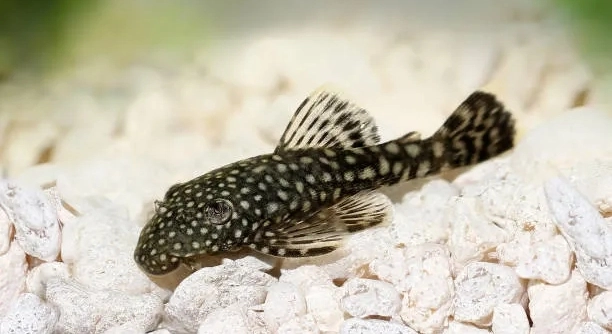
Have you ever tried breeding Bristlenose Plecos only to realize that things aren’t going as smoothly as expected? Breeding these peaceful fish can be rewarding, but even small mistakes can lead to disappointing outcomes and unnecessary stress.
The most common mistakes when breeding Bristlenose Plecos involve poor water quality, incorrect tank setup, and inadequate diet. These factors directly affect spawning behavior, egg survival, and fry development, ultimately determining the success of your breeding efforts.
From selecting healthy breeders to maintaining the right environment, understanding these errors can help create the best conditions for your Plecos to thrive and reproduce successfully.
Poor Water Conditions
Water quality plays a major role in the breeding success of Bristlenose Plecos. When the tank is not properly maintained, it can quickly become unsuitable for spawning. Ammonia, nitrite, and nitrate levels must always remain stable, as these fish are sensitive to sudden changes. A good filtration system, regular water testing, and weekly partial water changes are key to keeping the tank safe and clean. Dirty water can prevent eggs from hatching or even cause adults to stop breeding altogether. Maintaining proper pH and temperature also ensures the fish stay comfortable and willing to breed naturally.
Small details like removing uneaten food and vacuuming the substrate can make a big difference. Excess waste leads to harmful bacteria, which can harm both the eggs and fry during early development.
Taking consistent care of water conditions not only improves breeding results but also supports the long-term health of your Plecos. Clean water encourages spawning, increases egg survival, and keeps both parents and offspring active and healthy.
Inadequate Breeding Setup
An incorrect tank setup can easily discourage breeding behavior in Bristlenose Plecos. Without the right environment, even healthy pairs may refuse to spawn or care for their eggs properly.
The breeding tank should include caves or hiding spots where males can guard eggs safely. These structures mimic their natural environment and provide a sense of security during spawning. Smooth, dark caves are preferred, as they allow the male to fan the eggs and keep them oxygenated. Tank size also matters; at least a 20-gallon tank ensures enough space for both adults and fry. Lighting should be gentle, as bright lights can stress the fish and interrupt breeding. Along with proper decor, stable water parameters and a varied diet help trigger spawning behavior. Providing driftwood is also beneficial, since Plecos graze on it naturally. A well-prepared setup makes the breeding process smoother and more successful.
Poor Diet
Feeding plays a big role in how well Bristlenose Plecos breed. A poor diet can cause weak eggs, slow growth, and lack of energy for spawning. Balanced nutrition keeps both males and females strong and ready to reproduce.
Bristlenose Plecos are mainly herbivores, so their diet should focus on plant-based foods. Fresh vegetables like zucchini, cucumber, and spinach are excellent choices. Supplementing with high-quality algae wafers and sinking pellets ensures they get enough nutrients. Protein should also be included, but in moderation, as too much can lead to health issues. A varied diet helps females produce stronger eggs and supports faster fry development. Feeding at regular intervals, rather than overfeeding, prevents water pollution and keeps the fish in better condition for breeding.
Consistency in feeding habits is equally important. Keeping a stable feeding schedule and offering clean, fresh food ensures the fish stay active, maintain color, and exhibit natural breeding behavior more often.
Stressful Environment
Stress can easily stop Bristlenose Plecos from breeding, even when everything else seems right. Too much movement around the tank, aggressive tankmates, or frequent handling can make them feel unsafe and unwilling to spawn.
A calm and quiet environment helps them focus on natural behavior. Keeping them in a peaceful tank without territorial or fast-moving fish reduces anxiety and allows the male to protect his cave without distractions. Avoid rearranging decorations or performing large water changes during breeding, as sudden changes can trigger stress. Soft lighting and consistent tank conditions help the pair settle in comfortably. A stable, quiet space encourages successful egg-laying and better parental care, leading to more fry survival and healthier adult Plecos.
Incompatible Tankmates
Keeping Bristlenose Plecos with aggressive or overly active fish can cause serious breeding issues. Stress from constant chasing or competition for food prevents them from feeling secure enough to spawn or guard their eggs properly.
Ideal tankmates are peaceful species that occupy different tank levels. Fish like tetras, corydoras, or small rasboras work well, as they rarely disturb breeding caves or fry. Avoid cichlids or barbs, which may eat eggs or injure Plecos during spawning.
Ignoring Water Parameters
Stable water parameters are essential for successful breeding. Fluctuations in pH, hardness, or temperature can interrupt breeding cycles or cause eggs to fail. Keeping the water within the range of 74–80°F and a pH between 6.5 and 7.5 ensures healthy development. Regular testing prevents unnoticed problems and supports consistency in their environment.
Overcrowding the Tank
Too many fish in the tank can make Plecos feel threatened and less likely to breed. Limited space leads to territorial disputes, poor water quality, and insufficient oxygen levels for eggs and fry to survive. Keeping the tank population low allows better water flow and healthier, more confident breeders.
FAQ
How old should Bristlenose Plecos be before breeding?
Bristlenose Plecos usually reach breeding maturity between eight to twelve months of age. Males often mature a bit earlier, showing visible bristles on their faces as they grow. Females mature slightly later and have fewer bristles. Breeding too early can lead to poor egg quality and weak fry. It’s best to wait until both fish are healthy, fully grown, and showing natural breeding behaviors, such as males cleaning caves and females staying nearby. Giving them time to mature increases the chance of a successful and smooth breeding process.
How can I tell the difference between a male and a female Bristlenose Pleco?
The easiest way to distinguish them is by looking at their bristles. Males have longer and more pronounced bristles extending from the snout and around the head, while females have shorter or fewer bristles. Males also tend to be slightly larger and more territorial. Observing their behavior can also help identify them; males often spend time preparing a cave or guarding a specific area, while females remain calm and stay close when ready to spawn.
What should I feed the fry after hatching?
Once the fry hatch and absorb their yolk sacs, they begin searching for food near their cave. Offer soft vegetables like blanched zucchini or cucumber, along with crushed algae wafers or spirulina powder. These foods promote healthy growth and help them develop strong digestive systems. Feed them small amounts several times a day to keep the water clean and reduce waste buildup. Overfeeding can cause water issues, so it’s better to feed often but in small portions.
How many fry can one pair of Bristlenose Plecos produce?
A single pair can produce anywhere from 30 to 200 eggs per spawn, depending on their age, health, and environment. Younger pairs often produce fewer eggs, while experienced ones lay larger clutches. Not all eggs will hatch or survive to adulthood, as some may be unfertilized or eaten by other fish. Proper care, clean water, and a calm environment help increase the number of healthy fry that survive. Consistent feeding and maintenance are key to raising a strong new generation.
How often do Bristlenose Plecos breed?
Under the right conditions, a pair can breed every four to six weeks. After the male finishes caring for the fry, he’s usually ready to spawn again within a few weeks. However, constant breeding can stress both fish, especially the female. It’s important to give them rest periods to recover and maintain good health. If you notice signs of fatigue or loss of appetite, delay breeding for a while. Balanced feeding and steady conditions will help them stay strong and active for future spawns.
Why does my male Pleco guard the cave even when there are no eggs?
This behavior is common and shows that the male is ready to breed. He may be preparing the cave, cleaning its walls, and waiting for a female to enter. It’s a natural sign of territorial and protective instincts. Sometimes, males may guard the cave for several days before actual spawning occurs. Leaving him undisturbed during this time helps build trust and encourages successful breeding once the female joins.
What should I do if the male eats the eggs?
This can happen with inexperienced males or stressful conditions. If the male feels threatened, he may eat the eggs to protect them from potential danger. To prevent this, make sure the tank is quiet, and avoid sudden changes in lighting or temperature. Once a male successfully raises one or two batches, this behavior usually stops. You can also remove the eggs to a separate rearing tank if necessary, though it’s often best to let the male learn naturally.
How can I protect the fry from being eaten?
Once the fry start swimming freely, they can become targets for other fish in the tank. Keeping them in a separate breeding tank or adding dense plants and hiding spots helps protect them. Some aquarists use a breeder box or mesh divider to separate fry from adult fish. Good hiding spaces like driftwood and caves also give them protection while they feed and grow. Providing safe shelter increases their survival rate and gives them a better chance to reach adulthood.
What is the ideal water temperature for breeding Bristlenose Plecos?
The best breeding temperature is between 77°F and 80°F. Warmer temperatures can trigger spawning and help the eggs hatch faster, usually within four to six days. However, it’s important to avoid extreme heat, as it can reduce oxygen levels and harm the fish. Keep the temperature stable and use a reliable heater to prevent sudden drops. Gradual changes are always safer than quick adjustments.
Can Bristlenose Plecos breed in a community tank?
Yes, they can, but it’s more challenging. In a community tank, eggs and fry are often eaten by other fish before they can grow. To improve survival rates, provide plenty of caves and hiding spots. If breeding is your main goal, setting up a separate breeding tank is best. It gives you more control over water quality, feeding, and fry protection. This setup also helps reduce stress and ensures both parents feel secure during the breeding process.
Final Thoughts
Breeding Bristlenose Plecos can be a simple and rewarding experience when the right steps are followed. These peaceful fish are known for their calm nature and helpful role in keeping tanks clean, but breeding them requires patience and careful attention. Many breeders make small mistakes that lead to poor results, such as neglecting water quality or not providing the right environment. Understanding their needs and habits makes the entire process easier. With consistency and proper care, even first-time breeders can achieve great success. What matters most is creating a balanced environment where the fish feel safe and healthy enough to reproduce naturally.
Every detail in the breeding setup plays an important part in the outcome. Clean water, stable temperature, and good filtration help the fish stay active and ready to spawn. Providing enough hiding spots, caves, and driftwood helps them feel comfortable while also giving the male a secure place to guard the eggs. A well-chosen diet rich in plant-based foods ensures strong, healthy offspring and keeps the adults in top condition. Avoiding stress and overcrowding helps reduce aggressive behavior, which often interferes with breeding. These steps may seem simple, but they have a lasting impact on the success of every spawn. Over time, as the fish settle into their environment, breeding tends to happen more naturally and regularly.
Consistency is what brings the best results when breeding Bristlenose Plecos. Small daily habits, such as testing the water, feeding balanced meals, and keeping the tank calm, can make a big difference. It’s also important to give the fish time to rest between breeding cycles so they stay healthy and strong. Many breeders find that success improves with each new attempt as they learn the unique behaviors of their fish. Observing them closely helps you understand when they are ready to breed and how to support the process without interfering too much. Breeding Bristlenose Plecos is not about rushing; it’s about maintaining a peaceful, stable habitat where nature takes its course. When their needs are met, they will reward you with consistent breeding, strong fry, and a thriving aquarium that continues to grow with each new generation.

Hello,
If you enjoy the content that we create, please consider saying a "Thank You!" by leaving a tip.
Every little bit helps us continue crafting quality advice that supports the health, happiness, and well-being of pets around the world, for pets of all shapes, sizes, and species.
We really appreciate the kindness and support that you show us!